 Saturday, June 20Saturday, June 20
1 month · 10 summary articles
A Trump envoy and Iran’s foreign minister were en route to Switzerland on Saturday as the fragile US-Iran ceasefire came under renewed strain after Israeli airstrikes in Lebanon killed five people and threatened to derail technical talks aimed at turning the Islamabad Memorandum into a lasting truce.
Steve Witkoff, President Donald Trump’s personal envoy, and Iran’s chief negotiator Abbas Araqchi were scheduled to resume talks in Geneva within 48 hours, Pakistani government sources said, following a last-minute postponement on Friday after Tehran protested continued Israeli violations of the Lebanon ceasefire. The Islamabad Memorandum, brokered by Pakistan’s Prime Minister Shehbaz Sharif and hailed as a “historic diplomatic achievement,” now faces its most critical test as both sides scramble to salvage the agreement.
Pakistan’s Interior Minister Mohsin Naqvi arrived in Tehran on Saturday to meet Iranian leaders and revive the stalled negotiations, while Israeli Defence Minister Israel Katz declared that Jerusalem would “respond immediately and with force” to any Iranian attack, underscoring the widening rift between Washington and Jerusalem over the US-led accord. Katz’s remarks came as Israeli strikes in southern Lebanon on Saturday killed five people, further destabilising the fragile truce and prompting urgent diplomatic interventions.
The White House confirmed that Vice-President JD Vance would not travel to Switzerland as planned, citing unresolved logistical arrangements for the technical talks. Meanwhile, global leaders reacted with cautious optimism to Trump’s interim agreement, with falling oil prices offering economic relief to Pakistan but leaving many sceptical about the durability of the deal. The New York Times noted that while the accord had raised hopes of stabilising the world economy, “it leaves many details for future negotiations, putting the world on edge.”
The crisis has exposed deep divisions: Iran’s leadership withdrew its negotiating team on Friday in protest at Israeli ceasefire violations, while Netanyahu faces mounting pressure at home to reject the US-Iran framework, which many Israelis view as a betrayal of the alliance with Washington. The strained relationship between Trump and Netanyahu, described by German media as “collision course,” risks complicating efforts to enforce the truce and could embolden hardliners on both sides.
With the Strait of Hormuz and regional stability hanging in the balance, the coming days will determine whether the Islamabad Memorandum can survive its first major test—or collapse under the weight of renewed violence and diplomatic recriminations.
2 further sources not geolocated

US, Iran envoys head for talks, Israeli strikes continue after ceasefire US President Donald Trumps personal envoy and Irans foreign minister were headed to Switzerland for talks, Axios said, although deadly strikes by Israel in Lebanon on Saturday could test a new ceasefire key to ending the Iran war. The talks, led by Steve Witkoff and Abbas Araqchi mark an effort to turn this weeks interim […]
cyprus mail · about 3 hours ago
White House delays Vance Switzerland trip over Iran talks logistics The White House announced on Thursday that US Vice President JD Vance will not depart for Switzerland as scheduled, stating that unresolved logistical arrangements have stalled preparations for technical talks with Iran aimed at implementing the newly signed Islamabad ceasefire memorandum.
yenisafak · about 3 hours ago
Brent crude tops $80 as US-Iran talks canceled, Israel hits Lebanon Brent crude futures climbed above $80 per barrel on Friday as investors weighed renewed geopolitical risks following the cancellation of planned US-Iran talks in Switzerland and Israeli military strikes in southern Lebanon that killed at least two dozen people, even as shipping conditions showed signs of improvement in the strategic Strait of Hormuz.
yenisafak · about 3 hours ago
Macron urges Netanyahu to show responsibility and rationality French President Emmanuel Macron on Thursday urged Israeli Prime Minister Benjamin Netanyahu to demonstrate "responsibility and rationality," criticizing Israeli policies in Gaza and the West Bank while rejecting claims that a recent US-Iran agreement represented a capitulation by Tehran.
yenisafak · about 3 hours ago
Israels Lapid warns foreign relations crumbling amid tensions with allies Israeli opposition leader Yair Lapid warned on Friday that Prime Minister Benjamin Netanyahus government is systematically dismantling the countrys foreign relations, citing mounting diplomatic disputes with Washington, a rupture with European Union leadership, and direct criticism from former ally Donald Trump.
yenisafak · about 3 hours ago
Hormuz shipping normalcy elusive until mines cleared: Report Maritime traffic through the Strait of Hormuz will remain severely restricted until approximately 80 naval mines are cleared from the main shipping channel, industry experts warned Friday, even as vessels begin transiting the strategic waterway following a US-Iran agreement to end hostilities and reopen commercial lanes.
yenisafak · about 3 hours ago
Israeli minister says no one can tell us what to do amid US rift Israeli Defense Minister Israel Katz said late Thursday that Israel would respond immediately and with force if Iran attacks, insisting that "no one can tell us what to do" as a deepening rift emerges between Jerusalem and Washington over a recent US-Iran memorandum.
yenisafak · about 3 hours ago
Israeli opposition would secure Knesset majority, poll shows A new opinion poll published Friday shows that Israels opposition would secure a parliamentary majority if elections were held today, winning 61 seats in the 120-member Knesset while Prime Minister Benjamin Netanyahus ruling coalition would trail with 49 seats, according to the Lazar Research Institute survey.
yenisafak · about 3 hours ago
Saudi super-tankers reappear after two months of silence Three Saudi Very Large Crude Carriers (VLCCs), carrying approximately 6 million barrels of crude, have re-emerged on tracking systems after a two-month silence. The development signals a potential de-escalation in the Strait of Hormuz following a recent US-Iran understanding, with two vessels en route to Asian ports.
yenisafak · about 3 hours ago
Japan-linked vessel clears Hormuz as three-month blockade eases Japanese Prime Minister Sanae Takaichi announced Friday that a Japan-linked vessel detained in the Persian Gulf has successfully transited the Strait of Hormuz and is sailing toward Japan, as Tokyo continues diplomatic efforts to secure passage for dozens of remaining ships.
yenisafak · about 3 hours ago
Sharif hails Pakistans mediation in US-Iran agreement Prime Minister Shehbaz Sharif praised Pakistans role in brokering the US-Iran agreement, calling the Islamabad Memorandum a historic diplomatic achievement. He credited military leadership for preventing the ceasefire from collapsing and announced that falling global oil prices would bring economic benefits to Pakistan.
yenisafak · about 3 hours ago
Hormuz traffic rebounds as 25 ships cross in a day after US-Iran deal Commercial traffic through the Strait of Hormuz surged to 25 ships in a single day — the highest since June — following the US-Iran Islamabad Memorandum. Four supertankers carried at least 8 million barrels of crude, mainly from Saudi Arabia and the UAE, bound for Japan, South Korea, Pakistan, Singapore, India, and China.
yenisafak · about 3 hours ago
Iran postponed US talks over Israeli ceasefire violations: Pakistani sources Iran postponed technical‑level talks with the US scheduled for Friday in Switzerland to protest continued Israeli ceasefire violations in Lebanon. Tehrans chief negotiator and foreign minister pulled out at the last minute following directives from top Iranian leadership.
yenisafak · about 3 hours ago
Pakistan interior minister heads to Tehran to revive US-Iran talks Interior Minister Mohsin Naqvi has departed for Tehran to discuss the resumption of direct US-Iran negotiations, following the postponement of scheduled talks in Switzerland. The visit aims to bridge gaps and explore ways to advance diplomatic efforts after the signing of the Islamabad Memorandum.
yenisafak · about 3 hours ago
„E doar începutul. Acordul SUA - Iran redesenează harta Orientului Mijlociu: Teheranul are de câștigat, rivalii săi sunt îngrijorați Acordul dintre SUA și Iran — primul semnat de un președinte american și unul iranian de la Revoluția Islamică din Iran din 1979 — este salutat de susținătorii săi drept „acordul secolului. Însă pentru adversarii Teheranului din Orientul Mijlociu — de la Israel la statele din Golf și facțiunile din Liban — acest memorandum de înțelegere pare mai degrabă blestemul secolului: un acord care ar putea face ca Iranul să devină mai sigur, mai legitim și, în cele din urmă, mai influent, notează Reuters.
digi24 · about 3 hours ago
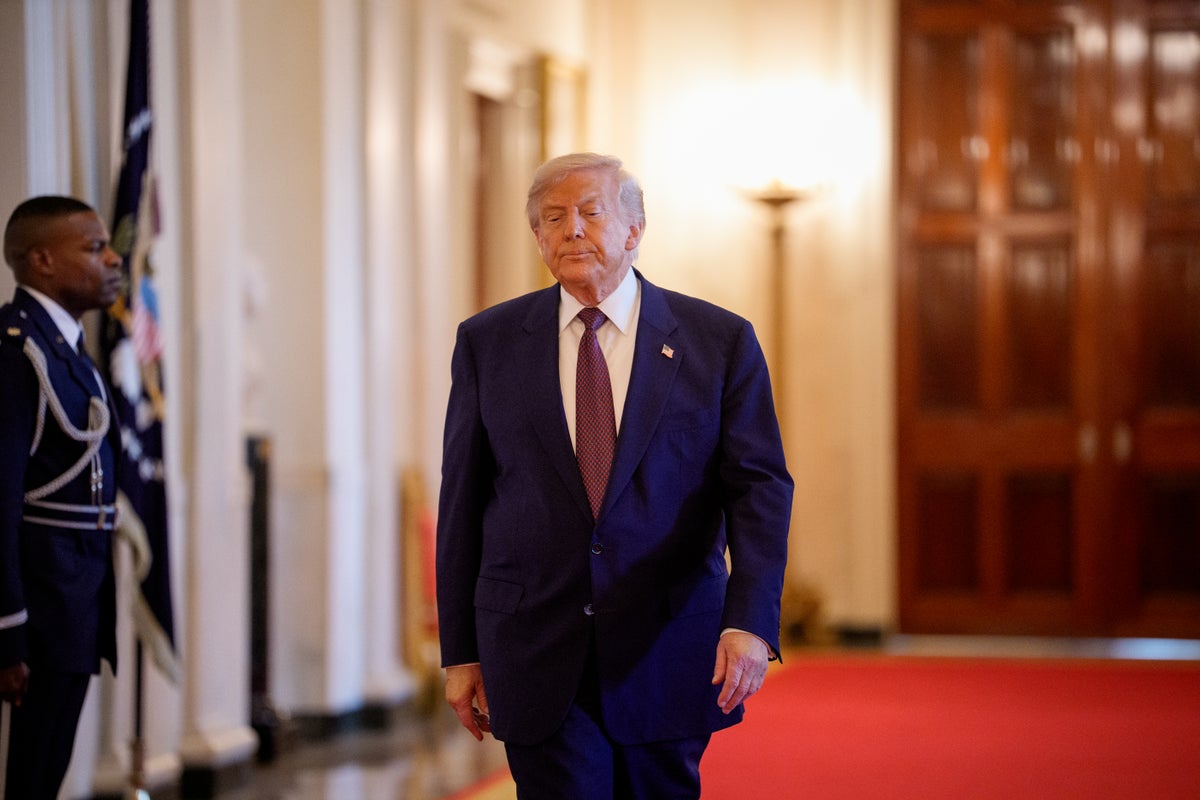
Iran-US war latest: Trump envoy heads to Switzerland for talks as deal under threat after Israel airstrikes Pakistans interior minister also heads to Tehran for meetings on Iran-US talks as five killed in Lebanon in Israeli strikes
independent · about 3 hours ago
Trump: US secretly moved 87 oil tankers through Hormuz President Donald Trump revealed that the US quietly moved at least 87 oil tankers through the Strait of Hormuz under cover of darkness, with naval escorts, after degrading Irans radar systems. He warned that Iran has 60 days to finalise a deal or face consequences.
yenisafak · about 3 hours ago
US-Iran technical talks to resume in Switzerland within days Technical-level negotiations between the United States and Iran are expected to resume in Switzerland in a day or two, according to Pakistani government sources. Pakistans interior minister has travelled to Tehran to discuss the next phase, following the postponement of talks over Israeli ceasefire violations in Lebanon.
yenisafak · about 3 hours ago
Russias Medvedev: Israel unhappy with Iran deal, may act further Russian Security Council Deputy Chairman Dmitry Medvedev has warned that Israel is dissatisfied with the US-Iran deal and may seek further action. He also said the agreement is easily blown apart by new strikes on Lebanon, and that the Strait of Hormuz has become a Persian nuke.
yenisafak · about 3 hours ago
Trump unveils new Air Force One converted from luxury jet gifted by Qatar US President Donald Trump on Friday unveiled a new Air Force One converted from a former Qatari-owned Boeing 747, calling it a "flying White House" while touting the aircrafts luxury interior. The plane will serve as a temporary replacement as presidential jets ordered directly from Boeing have been delayed until 2028.
france24 · about 3 hours ago
Trumps Iran deal, Israels meltdown The precarious memorandum of understanding between the US and Iran.
aljazeera · about 3 hours ago
US President Trump says not likely to accept Iranian proposal US President Donald Trump said Saturday he was going to review a new Iranian peace proposal but said he doubted it would be acceptable, saying that Tehran had not yet paid a big enough price. Trumps comments came after Irans Tasnim and Fars news agencies said Tehran had submitted a 14-point proposal to mediator Pakistan. France 24 Correspondent Reza Sayah reports from Tehran.
france24 · about 2 months ago
Whats Irans 14-point proposal to end the war? And will Trump accept it? Trump is reviewing Irans latest proposal to end the war, but the mistrust between the two sides is a big obstacle.
aljazeera · about 2 months ago

Trump casts doubt on Iran peace deal and says Tehran has not paid a big enough price US president to review Iranian proposal but signals scepticism amid deadlock and fears of renewed strikesDonald Trump has said he is reviewing the latest peace proposal from Tehran, but cast doubt on the prospect of a diplomatic breakthrough by claiming Iran had not yet paid a big enough price for its past wrongs.Trumps remarks came amid growing speculation over the possibility of another round of US strikes against Iran aimed at forcing concessions, including a halt to the countrys nuclear programme. Continue reading...
theguardian · about 2 months ago
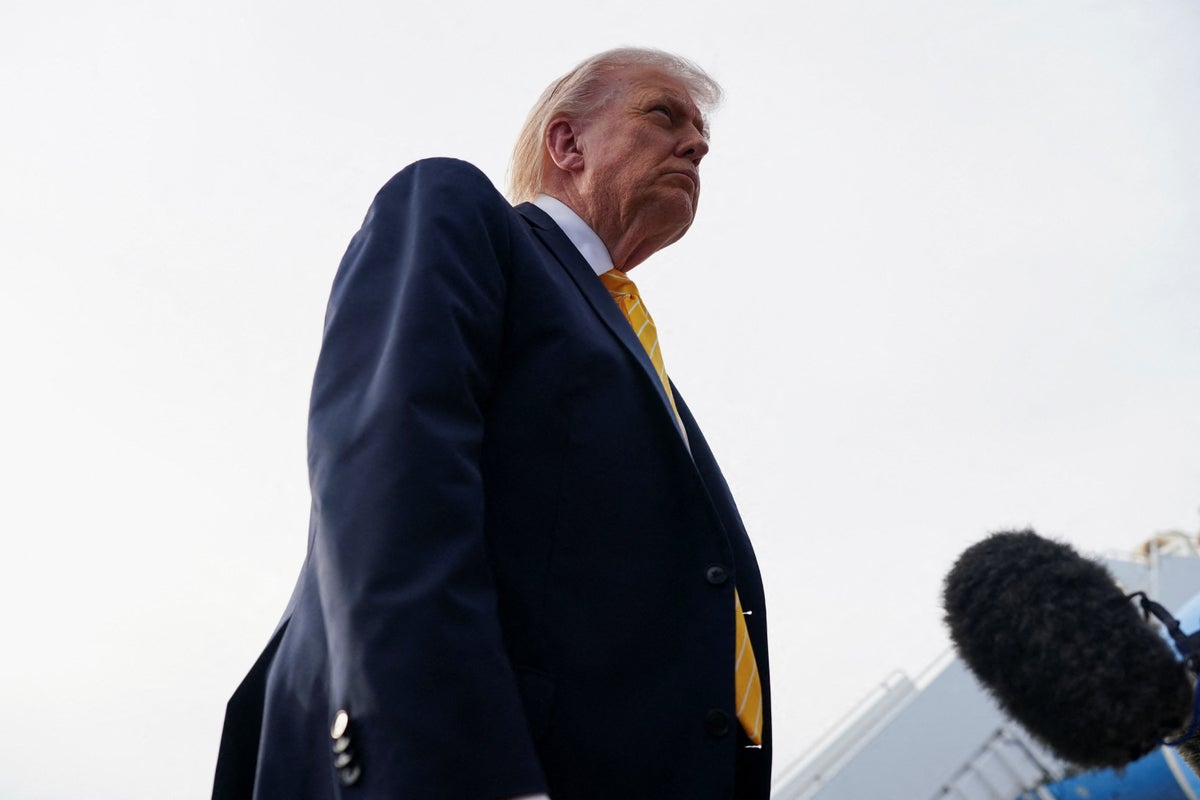
Trump warns Iran has not paid a big enough price as he considers new peace plan The US president is considering carrying out fresh strikes on Iran despite reviewing a new peace proposal offered by Tehran
independent · about 2 months ago
Iran war: Whats happening on day 65 as Trump reviews new plan to end war? Iran has sent the US a new 14-point proposal to end the war.
aljazeera · about 2 months ago
Trump casts doubt on Irans new peace proposal The president rejected a previous Iranian proposal, but conversations have continued.
politico.eu · about 2 months ago
Middle East war live: Trump says he cant imagine Irans latest peace plan is acceptable US President Donald Trump said Saturday he was going to review a new Iranian peace proposal but said he doubted it would be acceptable, saying that Tehran had not yet paid a big enough price. Trumps comments came after Irans Tasnim and Fars news agencies said Tehran had submitted a 14-point proposal to mediator Pakistan. Follow our liveblog for all the latest updates.
france24 · about 2 months ago
Trump expresses doubt that Irans peace proposal is acceptable US president says he is considering the 14-point peace plan, but warns strikes could resume if Tehran misbehaves.
aljazeera · about 2 months ago

Trump says Iran has not yet paid a big enough price as he reviews new peace proposal Iran says the ball is in the United States court as Trump says he is likely to reject new proposal from TehranDonald Trump said on Saturday he was going to review a new peace proposal from Tehran but cast doubt over its prospects, saying Iran had not yet paid a big enough price.Two semiofficial Iranian news outlets, Tasnim and Fars, believed to be close to Irans paramilitary Revolutionary Guard, said Iran had sent the US a new 14-point proposal via Pakistan. Continue reading...
theguardian · about 2 months ago