
Israel strikes Beirut hours before US-Iran deal: Trump condemns attack as talks stall
Story Timeline
4 months · 18 summary articles
Israel launched airstrikes on Beirut on Sunday morning, hours before a planned US-Iran peace deal was set to be signed, prompting President Donald Trump to publicly condemn the attack and warn both sides against further escalation. Israeli jets struck the southern suburbs of Beirut, a Hezbollah stronghold known as Dahiyeh, in response to cross-border fire from Lebanon, according to a joint statement by Prime Minister Benjamin Netanyahu and Defense Minister Israel Katz . The strikes, which targeted Hezbollah infrastructure in the Ghobeiry area, triggered immediate regional tensions as mediators raced to salvage the preliminary agreement that would end three months of hostilities.
Trump, speaking to Axios on Sunday, described the Israeli operation as reckless and personally criticized Netanyahu, saying he had “no fucking judgment” and that the attack “should not have happened” so close to the scheduled signing . “It shook it up. It delayed the signing by a few hours,” Trump said. “It was supposed to be now. Now it is scheduled for a few hours from now.” He acknowledged that Hezbollah had fired first but stressed that the response caused no casualties and no damage, questioning why Israel had launched a major strike at such a sensitive moment.
Iran’s highest national security body remained defiant, with Ebrahim Azizi, chair of the Iranian parliament’s national security committee, posting on X that “a strong response is coming” . Iranian negotiators, including Mohammad Baqer Qalibaf, warned that further Israeli actions in Lebanon could derail the talks entirely, stating it was “impossible to talk about moving forward” with the US if commitments in Lebanon were not honored . Despite the escalation, Trump insisted the deal remained on track for later on Sunday, his 80th birthday, framing it as a historic accord that would prevent Iran from acquiring nuclear weapons, mandate the disposal of nuclear material, and allow snap inspections of Iranian facilities.
The Israeli military confirmed the strikes were limited to Hezbollah targets and occurred after multiple rocket attacks from Lebanon into northern Israel . Explosions were reported across southern Beirut, with emergency services responding to damaged civilian infrastructure. Regional and international mediators, including French and European officials, urged immediate restraint, with Trump taking to Truth Social to declare that “all sides should stand down” and that “we’re very close” to a deal .
As of midday Sunday, the status of the US-Iran agreement remained uncertain. While Trump and his team maintained it would be signed later in the day, no Iranian official had confirmed the timing, and hardline factions in Tehran continued to voice skepticism about Washington’s reliability following the Beirut strikes . The sequence of events—escalation in Lebanon, public rebukes from Washington, and defiant rhetoric from Tehran—underscored the fragility of the diplomatic process even as both sides claimed progress was possible.
Follow us for live European news
- 2
- 2
- 2
- 1
- 1
- 1
- 1
- 1
- 1
2 further sources not geolocated
Articles

🇺🇸🇮🇷🇮🇱🇱🇧🇱🇧- According to Israeli assessments cited by Israeli Channel 12, Donald Trump is expected to soon announce that he is "giving something" to Iran in exchange for Tehran refraining from responding to the Israeli strike on Beirut. @GeoPWatch
telegram bot · 3 months ago
⚡#BREAKING Barak Ravid: President Trump told me in a phone interview that he believes the agreement with Iran will be signed today, despite the Israeli attack on Beirut 💧 Rainbet.com the #1 Non-KYC Crypto Casino & Sportsbook @rainbetcom +18
telegram bot · 3 months ago
Donald Trump réprouve les frappes israéliennes de dimanche sur le Liban Les frappes israéliennes dimanche sur Beyrouth «nauraient pas dû avoir lieu», a regretté dimanche Donald Trump, alors quil espérait parvenir à arracher le principe dun accord avec lIran dimanche, jour de son anniversaire.
mediapart · 3 months ago
Trump says Iran deal to be signed Sunday, Hormuz to reopen US President Donald Trump announced on Saturday that a deal with Iran is scheduled to be signed on Sunday, promising the Strait of Hormuz would reopen immediately after, while Pakistan confirmed progress toward finalization and Iranian officials denied the Sunday timeline was fixed.
yenisafak · 3 months ago
Israel to maintain southern Lebanon presence despite US-Iran deal Israeli security sources said Saturday the army will not withdraw from its self-declared "security zone" in southern Lebanon regardless of any agreement between Washington and Tehran, though commanders are preparing to halt ground offensives and reduce deep strikes inside Lebanese territory to avoid disrupting the diplomatic process.
yenisafak · 3 months ago
Starmer tells Trump UK backs US push to end Iran war British Prime Minister Keir Starmer told US President Donald Trump on Saturday that London supports Washingtons diplomatic push to end the war with Iran, stressing the need for a durable and lasting peace as the two leaders prepared for next weeks G7 summit in France.
yenisafak · 3 months ago
Emerging US-Iran deal meets none of Israels war goals: Ex-PM Opposition leader Yair Lapid said Saturday that the emerging US-Iran agreement represents a "complete failure" for Prime Minister Benjamin Netanyahu, warning that the deal would leave Irans government and missile program intact while allowing Tehran to rebuild its nuclear capabilities and reducing Israel to a "satellite state" taking orders on national security.
yenisafak · 3 months ago

Iran: Inget fredsavtal när Israel bombar USA insisterar på att ett avtal med Iran ska bli klart under söndagen – på Donald Trumps 80-årsdag. Men efter ny israelisk upptrappning i Libanon ifrågasätter Iran meningen med fortsatta fredssamtal.
dagens nyheter · 3 months ago
Israelischer Angriff auf Beirut gefährdet USA-Iran-Deal Der Iran äußert Zweifel an Fortsetzung des Weges, US-Präsident Donald Trump verurteilt Israels Angriff.
die presse · 3 months ago
Trump vows Mideast deal is on, calls for no more attacks US President Donald Trump on Sunday said Israeli strikes on Beirut "should not have happened" as he vowed a regional peace deal was at hand, though he did not confirm his earlier claim it would be signed during the day. France 24s Noga Tarnopolsky tells us more.
france24 · 3 months ago
Trump tells Israel and Hizbollah to stand down as he pushes for Iran deal US president has said he expects Washington and Tehran to seal a deal to reopen the Strait of Hormuz on Sunday
financial times · 3 months ago
Analyst says what attacks on Lebanon could mean for potential US-Iran deal Israeli affairs analyst Dan Perry explains how the US, Israel and Iran may react as they get closer to an agreement.
aljazeera · 3 months ago
Middle East crisis live: Iran warns of imminent response to Israeli strike on Beirut as ceasefire deal looks shaky Irans highest national security body appears unswayed by US presidents call for restraint; Trump says Israel should not have attacked BeirutTrump calls for restraint after Israel airstrikes on BeirutIranian hardliners in vociferous push to reject US peace dealIsrael says it has struck Beiruts south suburbs, with explosions heard in the city. The Israeli military claimed the attacks on the Lebanese capital were in response to Hezbollah firing into Israeli territory.The military were reportedly targeting Hezbollah targets in Beiruts southern suburbs, the groups stronghold known as Dahiyeh, according to a joint statement by prime minister Benjamin Netanyahu and defense minister Israel Katz. Continue reading...
theguardian · 3 months ago

Lets not blow it: Trump calls for restraint after Israel launches fresh airstrikes on Beirut US president says all sides should stand down as mediators seek to conclude preliminary US-Iran peace deal negotiationsMiddle East crisis – live updatesDonald Trump was forced to call for restraint on Sunday after Israel launched fresh airstrikes on Beirut as mediators sought to conclude negotiations on a preliminary peace deal between Iran and the US that would bring the three-month war in the Middle East to a definitive end.Trump played down new Israeli strikes but said all sides should stand down. Continue reading...
theguardian · 3 months ago
Qatari Officials Arrive In Tehran As Top Iranian Official Casts Doubt Over Deal With US Qatari negotiators flew to Tehran early on June 14 in a bid to finalize an agreement between the United States and Iran to end the monthslong conflict, but renewed Israeli attacks on Irans ally Hezbollah in Lebanon earlier the same day could potentially delay the signature.
radio free europe · 3 months ago
🇺🇸🇮🇷🇮🇱🇱🇧🇱🇧- Donald Trump told Axios in a phone interview that he believes the agreement with Iran will be signed today, despite the Israeli strike on Beirut.
telegram bot · 3 months ago
🇺🇸🇮🇱🇮🇷🇱🇧🇱🇧- According to Ynet, the US is urging Iran to either refrain from responding to the Beirut strike or keep any response limited in scope to prevent further escalation, while simultaneously pressing Israel not to retaliate if Iran does act. ➡️ Officials say Trump demanded Netanyahu halt fire in Lebanon and begin a withdrawal, both of which Netanyahu rejected. Israel has also pushed back against US claims that the Dahieh strike was intended to disrupt the pending agreement with Iran. @GeoPWatch
telegram bot · 3 months ago
⚡️#LATEST Trump warns Israel and Iran not to blow it after new strikes threaten to undermine emerging ceasefire deal 💧 Rainbet.com the #1 Non-KYC Crypto Casino & Sportsbook @rainbetcom +18
telegram bot · 3 months ago
Israeli minister demands 10 Beirut buildings razed per rocket Israeli Finance Minister Bezalel Smotrich on Saturday reiterated his demand that 10 buildings in Beiruts Dahiyeh district be destroyed for every rocket fired from Lebanon, warning that Hezbollah must not exploit ongoing US-Iran negotiations to attack Israels north.
yenisafak · 3 months ago
Israeli ministers urge Beirut bombing despite ceasefire National Security Minister Itamar Ben-Gvir and Finance Minister Bezalel Smotrich called Sunday for renewed airstrikes on Beiruts southern suburbs, demanding immediate military action against Hezbollah for alleged ceasefire violations as the Israeli army reported fresh drone attacks from Lebanon.
yenisafak · 3 months ago
Trump: Iran-avtale signeres innen «få timer» Donald Trump sier til Axios at Israels angrep på Beirut forsinket avtalesigneringen med Iran, men at signeringen vil…
aftenposten · 3 months ago
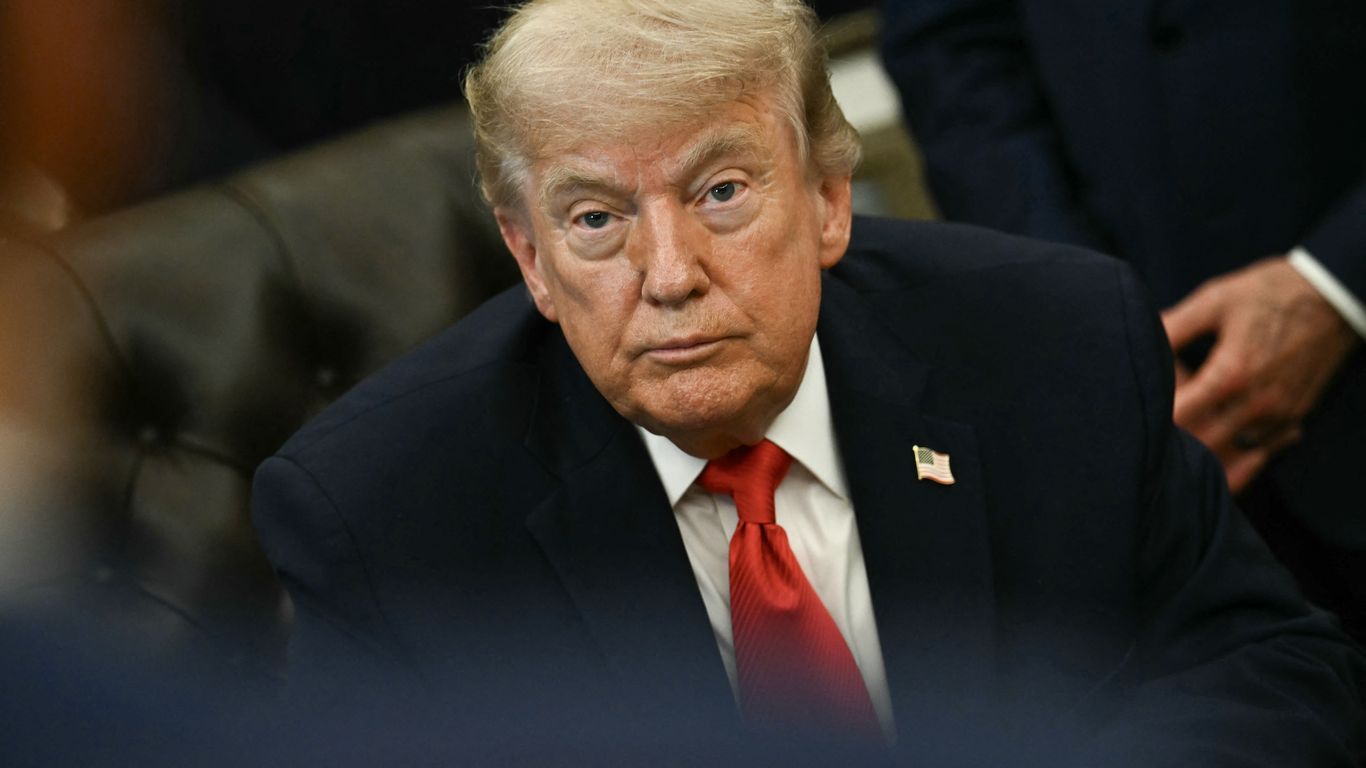
Trump to Axios: Netanyahu has "no fucking judgment" but Iran deal still on President Trump tells Axios the U.S.–Iran deal to end the war is still on track for Sunday despite Israels strike in Beirut and the Iranian threat to retaliate. Why it matters: The president is racing to save a deal that nearly collapsed the moment Israel struck Beirut, leaning on private diplomacy and public messaging to get it signed. Iranian officials havent confirmed a deal is expected to be signed today."It shook it up. It delayed the signing by a few hours. It was supposed to be now. Now it is scheduled for a few hours from now," Trump said in a phone call. The escalation in Lebanon took place hours before the U.S. and Iran were supposed to sign a deal to end their war.Ebrahim Azizi, chair of the Iranian parliaments national security committee, wrote on X: "A strong response is coming"State of play: Trump said he was shocked when his advisers called to brief him about the Israeli strike in Beirut, and he fumed at Israeli Prime Minister Benjamin Netanyahu."It is so bad — I couldnt believe it. An hour before we are supposed to sign the deal."Trump acknowledged Hezbollah attacked Israel first but stressed it didnt cause any damage and nobody had been killed. "Why did Bibi have to do a fucking attack? I was so pissed off. I let him know. He has no fucking judgement. I let him know that," Trump said. The big picture: Trump claimed the deal with Iran will be good for Israel because it will prevent Iran from getting a nuclear weapon, require the disposal of the nuclear material and allow snap inspections of Irans nuclear facilities.It wasnt immediately clear if Trump received any direct assurance from Tehran that the signing remains on track.Editors note: This is a breaking news story and will be updated.
axios · 3 months ago
Trump condemns Israels attack on Beirut, says Iran deal still close Donald Trump says there should be no more attacks by Israel or Hezbollah on special day when deal could be signed.
aljazeera · 3 months ago
Israeli strikes hit Beirut as US-Iran talks near completion Israeli jets struck Beiruts Dahiyeh district on Sunday, hitting the Ghobeiry area. Prime Minister Benjamin Netanyahus office confirmed the strikes targeted Hezbollah infrastructure. Trump warns Israel and Iran not to blow it after new strikes threaten emerging truce deal.
euronews · 3 months ago

Trump says Israeli strike on Lebanon should not have happened, but Iran deal close
news.yahoo.com · 3 months ago