
U.S. downs Iranian drones as Iran deal nears final text
Story Timeline
4 months · 15 summary articles
The United States shot down multiple Iranian drones targeting commercial ships in the Strait of Hormuz on Saturday, as Washington and Tehran edged closer to a landmark peace deal mediated by Pakistan. The interceptions occurred amid intensified negotiations in Islamabad, where Pakistani Prime Minister Shehbaz Sharif announced on Friday that both sides had agreed on a “final text” to end their two-month conflict. The breakthrough follows weeks of halting talks and comes as regional tensions remain dangerously high.
According to CENTCOM, U.S. forces intercepted the drones near the strategic waterway, a vital corridor for global oil shipments. The incident underscores the fragile security environment even as diplomats suggest a deal is imminent. Sharif warned that misinformation campaigns could still derail the process as Islamabad finalizes implementation details. Iranian officials, while confirming progress, cautioned that expectations should not be overstated.
The proposed agreement, expected to be signed as early as Sunday, aims to halt hostilities that have flared since April. Reports indicate that billions in frozen funds could be released to Iran as part of the deal, though details remain disputed. European and Middle Eastern media cite conflicting accounts of the terms, with some outlets reporting that uranium stockpiles remain a sticking point. German outlets Handelsblatt and Tagesspiegel both highlight Tehran’s nuclear program as the last unresolved issue, while Greek newspaper Proto Thema describes the Hormuz provisions as a central component of the accord.
The Strait of Hormuz has been a flashpoint throughout the crisis, with repeated attacks on shipping lanes. Belgian daily La Libre and Austrian newspaper Der Standard both report fresh Iranian aggression in the area, complicating efforts to secure a lasting truce. Meanwhile, Irish and German sources emphasize the role of Pakistani mediation, which has reportedly bridged gaps after months of stalled negotiations.
Analysts suggest the deal, if finalized, would mark a significant de-escalation in one of the Middle East’s most volatile conflicts. However, the simultaneous downing of drones and continued threats from Tehran—including warnings over Hormuz—illustrate the precarious balance between progress and renewed confrontation. With implementation still pending, the coming days will determine whether the text translates into tangible peace or remains a fragile ceasefire.
Follow us for live European news
- 5
- 1
- 1
- 1
- 1
- 1
- 1
Articles

Ondanks aangekondigd snel akkoord: Iran lanceert drones, VS haalt ze neer Amerikaanse troepen hebben meerdere Iraanse drones neergeschoten die op weg waren naar de Straat van Hormuz. Volgens de VS zet Iran de drones in om commerciële schepen aan te vallen die door de Straat varen.
rtl nieuws · 4 months ago
Abkommen steht laut Iran „kurz vor Abschluss – US-Militär schießt iranische Drohnen ab USA und Iran stehen laut pakistanischer Vermittlung kurz vor einem Friedensabkommen. Teheran bestätigt Fortschritte, warnt aber vor zu hohen Erwartungen.
welt.de · 4 months ago
Krieg in Nahost: Warum ein Deal zwischen dem Iran und den USA so schwer ist Die Hoffnung auf eine Einigung zwischen den USA und dem Iran wächst. Aber ist sie auch berechtigt? Und warum gestalten sich die Verhandlungen zwischen den Kriegsparteien eigentlich so kompliziert?
tagesspiegel · 4 months ago
Irankrieg: Kommt es zum Iran-Deal? – US-Militär meldet neue Angriffe Ein Abkommen zwischen den USA und dem Iran scheint greifbar. Doch Teherans Atomprogramm bleibt ein Knackpunkt in den Verhandlungen. Und auch die Lage in der Straße von Hormus ist angespannt.
handelsblatt · 4 months ago
Erdoğan: Region paying heavy economic price for Iran attacks President Recep Tayyip Erdoğan said Friday that the region is bearing the economic brunt of hostilities targeting Iran even as the Russia-Ukraine war continues, warning that bloodshed persists in Gaza and Lebanon with continued violations of international law.
yenisafak · 4 months ago
Fidan discusses US-Iran talks with Qatari, US officials Turkish Foreign Minister Hakan Fidan on Friday discussed ongoing diplomatic efforts between Washington and Tehran with Qatars prime minister and American negotiators, expressing Ankaras hope for a swift conclusion to the talks and reiterating Türkiyes support for a negotiated settlement.
yenisafak · 4 months ago
Iran accepts performance-based deal requiring major concessions A White House official said Iran has agreed to a "performance-based deal" that would require major concessions before any sanctions relief, including the dismantlement of its nuclear program and guarantees to keep the Strait of Hormuz open, according to Fox News.
yenisafak · 4 months ago
Qatar denies Washington Post report on Iran energy ties Qatars International Media Office on Friday rejected a Washington Post report alleging Doha coordinated energy production decisions with Tehran to influence the ongoing US-Israeli war, describing the claims as "false and completely baseless" attacks originating from parties seeking to undermine regional mediation efforts.
yenisafak · 4 months ago
Iran FM says Islamabad Memorandum with US never closer Iranian Foreign Minister Abbas Araghchi said Friday that the proposed Islamabad Memorandum of Understanding between Tehran and Washington is closer than ever to finalization, urging media outlets to refrain from speculation regarding the pending agreements contents while negotiations continue.
yenisafak · 4 months ago
The Iran dilemma between war and diplomacy The Middle East remains trapped between war and negotiation. The fact that Israel has not ended its attacks on Lebanon appears to have created a need for Iran to show that it is ready to walk away from the table. While the Trump administration struggles to keep Iran at the table, the escalation of mutual attacks has once again highlighted the fundamental contradictions in Washingtons strategy. The Trump administration, unable to bring Iran to its knees by increasing military pressure, tries to
yenisafak · 4 months ago
Trump calls Araghchi post on US-Iran deal very positive US President Donald Trump on Friday welcomed a social media post by Iranian Foreign Minister Abbas Araghchi regarding a potential agreement between Washington and Tehran, calling the message "very positive" while maintaining that a deal could be finalized as early as the weekend.
yenisafak · 4 months ago
Pakistan says US and Iran agree on final text to end war Pakistans Prime Minister Shehbaz Sharif announced on Friday that the United States and Iran have agreed on a "final text" to end their two-month war, warning that misinformation campaigns threaten to derail the progress as Islamabad works to finalize implementation.
yenisafak · 4 months ago
Lage im Überblick: Kommt es zum Iran-Deal? - US-Militär meldet neue Angriffe Ein Abkommen zwischen den USA und dem Iran scheint greifbar. Doch Teherans Atomprogramm bleibt ein Knackpunkt in den Verhandlungen. Und auch die Lage in der Straße von Hormus ist weiter angespannt.
tagesspiegel · 4 months ago
Vermittler gibt sich zuversichtlich: Kommt es zum Deal zwischen Iran und der USA? Teherans Atomprogramm bleibt ein Knackpunkt. Auch die Lage in der Straße von Hormus ist weiter angespannt: Das US-Militär meldet neue Angriffe. mehr...
taz.de · 4 months ago

US-Militär meldet Abschuss iranischer Drohnen in Straße von Hormus Die USA und der Iran haben sich laut Pakistan auf eine Friedensvereinbarung geeinigt. Sie könnte am Sonntag unterzeichnet werden
der standard · 4 months ago
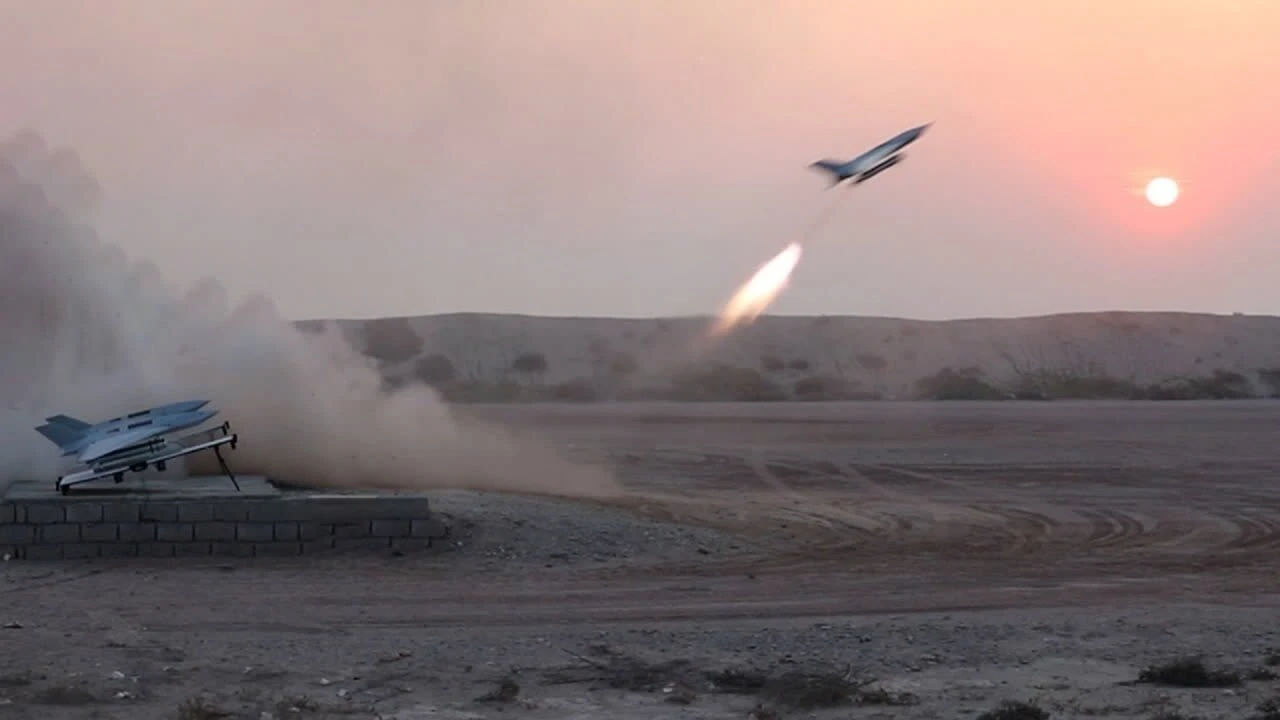
Liveblog Irankrieg: US-Militär meldet Abschuss iranischer Drohnen in Straße von Hormus Iran: Ende der Libanon-Angriffe Teil der Vereinbarung mit den USA +++ „Legen noch nächste Schritte fest +++ Insider: VAE haben bereits Milliarden für Iran freigegeben +++ alle Entwicklungen im Liveblog
faz · 4 months ago

US downs Iran drones targeting ships in Strait of Hormuz, as both insist deal closer than ever The interception came after weeks of halting talks between Tehran and Washington, mediated by Pakistan.
thejournal · 4 months ago
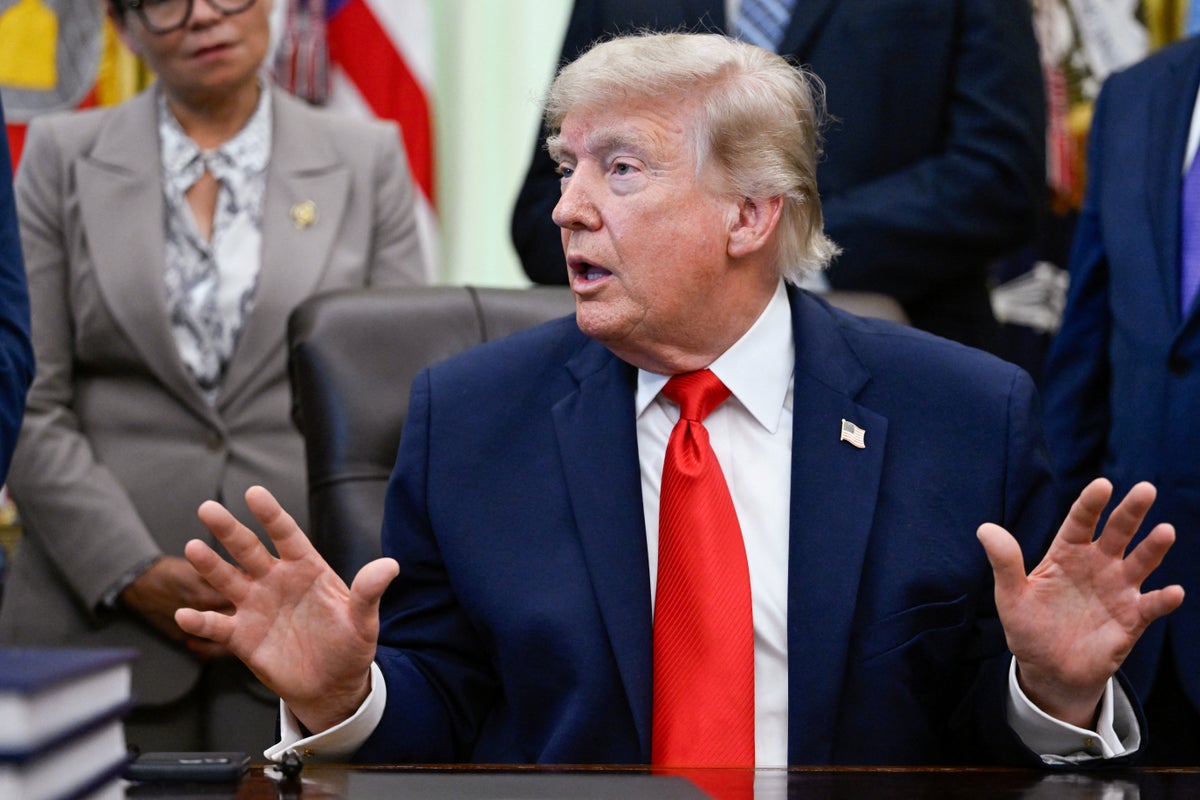
Iran-US war latest: White House reveal details of deal to reopen Strait of Hormuz Peace has never been this close as it is now, Pakistans prime minister says as he claims final text of peace deal has been reached
independent · 4 months ago
Irans Foreign Minister: Nuclear talks postponed Irans Foreign Minister, Abbas Araghchi, signaled on Friday that a peace agreement between the US and Iran is approaching. Araghchi stated that the unsigned text shows Iran won the war, though nuclear negotiations will occur later. The agreement includes reopening the Strait of Hormuz under joint Iranian and Omani control and will end the war […]
cphpost · 4 months ago
Spokesperson: Agreement on many negotiation topics A spokesperson for Irans Foreign Ministry, Esmail Baghaei, stated that the US and Iran have agreed on a large part of the issues in the negotiations and are in the final phase of internal conclusions. However, Baghaei could not confirm details of a circulating agreement text or when it would be signed. Irans decision-making bodies […]
cphpost · 4 months ago
Krieg in Nahost: Warum ein Deal zwischen dem Iran und den USA so schwer ist Die Hoffnung auf eine Einigung zwischen den USA und dem Iran wächst. Aber ist sie auch berechtigt? Und warum gestalten sich die Verhandlungen zwischen den Kriegsparteien eigentlich so kompliziert?
handelsblatt · 4 months ago