
US and Iran agree landmark deal to end Middle East hostilities and reopen Strait of Hormuz
Story Timeline
4 months · 33 summary articles
The United States and Iran have agreed to a landmark peace deal that will formally end hostilities across the Middle East, including in Lebanon, with the accord set to be signed in Switzerland this Friday and the Strait of Hormuz reopened to global shipping, US President Donald Trump announced on Monday.
Both Washington and Tehran confirmed the breakthrough, which follows weeks of intense negotiations mediated by Pakistan. Iranian Deputy Foreign Minister Kazem Gharibabadi told state television that the agreement “immediately ends the war” and includes commitments to de-escalate tensions in Lebanon, where fighting has flared in recent days. Trump, marking his 79th birthday, declared on Truth Social: “Let the oil flow,” signaling the reopening of the strategically vital waterway that has been a flashpoint for regional conflict.
The deal, described by multiple outlets as a framework agreement, will extend a 60-day ceasefire and initiate negotiations on Iran’s nuclear program, according to the *Financial Times* . The formal signing ceremony is scheduled for Friday in Geneva, Swiss officials confirmed, with Pakistani Prime Minister Shehbaz Sharif attending as a key mediator. Iranian state media reported that the Hormuz Strait will reopen under Tehran’s arrangements, a move expected to ease global oil markets rattled by months of conflict.
The announcement comes despite fresh violence in Beirut, where Israeli airstrikes targeted southern suburbs early Monday in response to Hezbollah cross-border fire. Israeli Prime Minister Benjamin Netanyahu and Defense Minister Israel Katz said the strikes aimed at Hezbollah positions in the Dahiyeh district, a stronghold of the Iran-backed militant group. The strikes drew criticism from both Trump and Iranian officials, who reiterated their commitment to the peace process.
Analysts warn that hardline factions in Tehran may resist the deal, which faces domestic scrutiny after nearly four months of fighting that has destabilized the region’s economy. The agreement’s durability will hinge on follow-through, including the withdrawal of proxy forces and the resumption of stalled nuclear talks. European diplomats, who have long urged restraint, welcomed the development but cautioned that implementation risks remain high.
For now, the pact offers a fragile hope of relief. The Strait of Hormuz, through which a fifth of the world’s oil passes, has been a persistent source of tension since the conflict escalated in February. Its reopening, slated for Friday, marks a symbolic and practical turning point—one that Trump framed as a victory for regional stability and global energy security.
Follow us for live European news
- 3
- 1
- 1
- 1
- 1
- 1
- 1
- 1
- 1
- 1
2 further sources not geolocated
Articles

Pakistan announces US-Iran peace deal to end hostilities Pakistani Prime Minister Shehbaz Sharif announced early Monday that Washington and Tehran have reached a comprehensive peace agreement following intensive negotiations, with both sides declaring an immediate and permanent cessation of military operations across all fronts including Lebanon.
yenisafak · 3 months ago
Trump announces US-Iran peace deal, Hormuz reopening US President Donald Trump announced Sunday that a comprehensive peace agreement with Iran has been finalized, authorizing the toll-free reopening of the Strait of Hormuz and the removal of a US naval blockade.
yenisafak · 3 months ago
US Vice President Vance to attend Iran peace deal signing in Geneva US Vice President JD Vance said Sunday he plans to attend the June 19 signing ceremony in Geneva for the newly announced peace agreement with Iran, adding that President Donald Trump could also be present as officials finalize arrangements for the landmark deal ending hostilities.
yenisafak · 3 months ago
Iran says deal finalized as US naval blockade set to end Irans deputy foreign minister Kazem Gharibabadi announced early Monday that a memorandum of understanding with the United States has been finalized for formal signing in Geneva on Friday, as US President Donald Trump confirmed the completion of the deal and authorized the immediate lifting of the naval blockade against Tehran.
yenisafak · 3 months ago
Krieg in Nahost: USA und Iran vereinbaren Friedensabkommen Ausgerechnet an Trumps Geburtstag einigen sich die USA und Iran auf einen ersten Schritt zum Frieden. Doch was ist dieser Deal wirklich wert?
sueddeutsche · 3 months ago
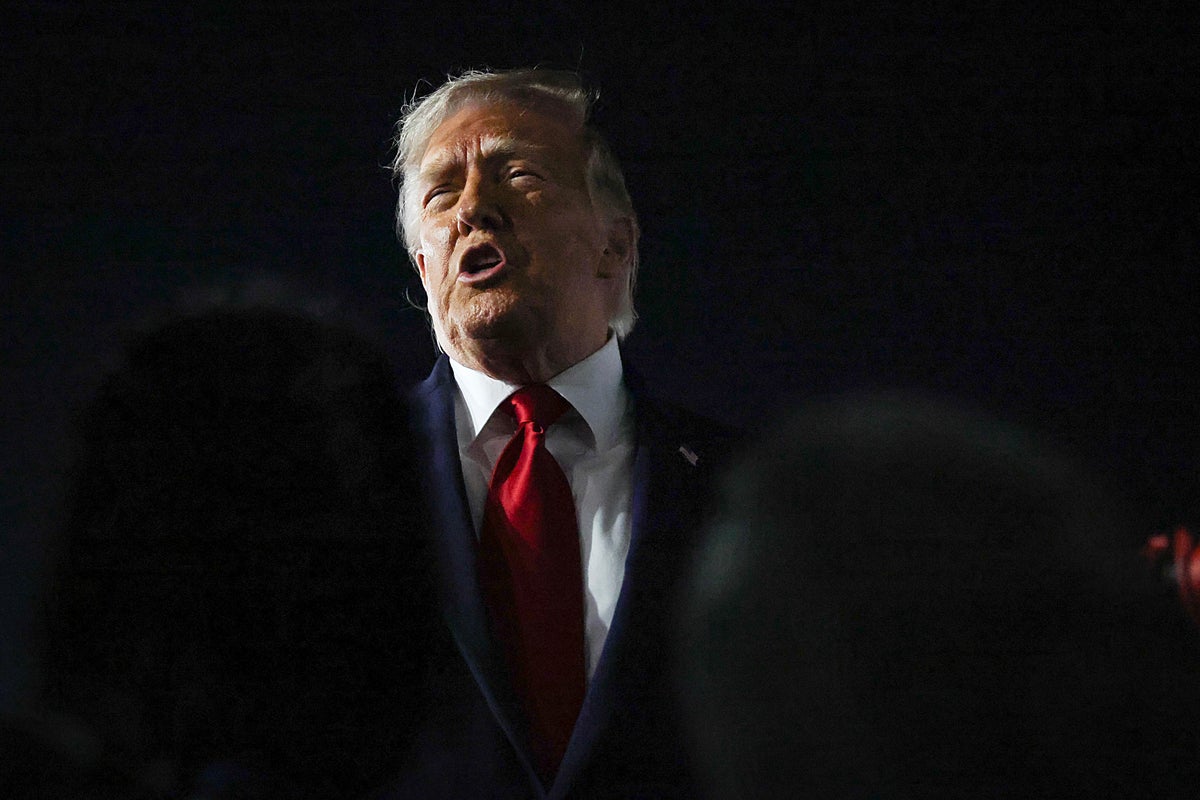
Iran-US war latest: Trump says let the oil flow as he announces peace deal with Tehran Trump says Strait of Hormuz will reopen on Friday after deal is signed at summit in Switzerland
independent · 3 months ago
Iran und USA einigen sich auf Friedensabkommen – Trump droht schon mit neuen Angriffen Nach wochenlangen Verhandlungen haben sich die USA und der Iran auf ein Rahmenabkommen für ein Ende des Iran-Kriegs geeinigt. Das verkündeten
welt.de · 3 months ago
What do we know about the US-Iran peace deal – and what questions remain? Access to the strait of Hormuz and the future of Irans nuclear program are among the issues that remain unclear amid a lack of detail on the agreementMiddle East crisis: live updatesFull report: Peace deal between US and Iran announced, with strait of Hormuz expected to reopenDonald Trump and officials in Tehran have hailed an immediate end to the war on Iran, with the US president claiming that oil will flow on both ends again for the region, and the world.However, in the hours that followed the announcements, exactly what had been agreed remained unclear, with the final text of their memorandum of understanding unpublished and details scant about key issues including access to the strait of Hormuz, Irans nuclear program and Lebanon. Continue reading...
theguardian · 3 months ago
U.S.-Iran Agree to End Middle East War and Reopen Strait of Hormuz The U.S. and Iran have reached an agreement in principle to immediately end the war in the Middle East across all fronts, including Lebanon. The breakthrough was announced in the early hours of Monday by Pakistan, which is playing a key mediating role. Washington and Tehran confirmed the news shortly after. The deal with the […]
greek reporter · 3 months ago
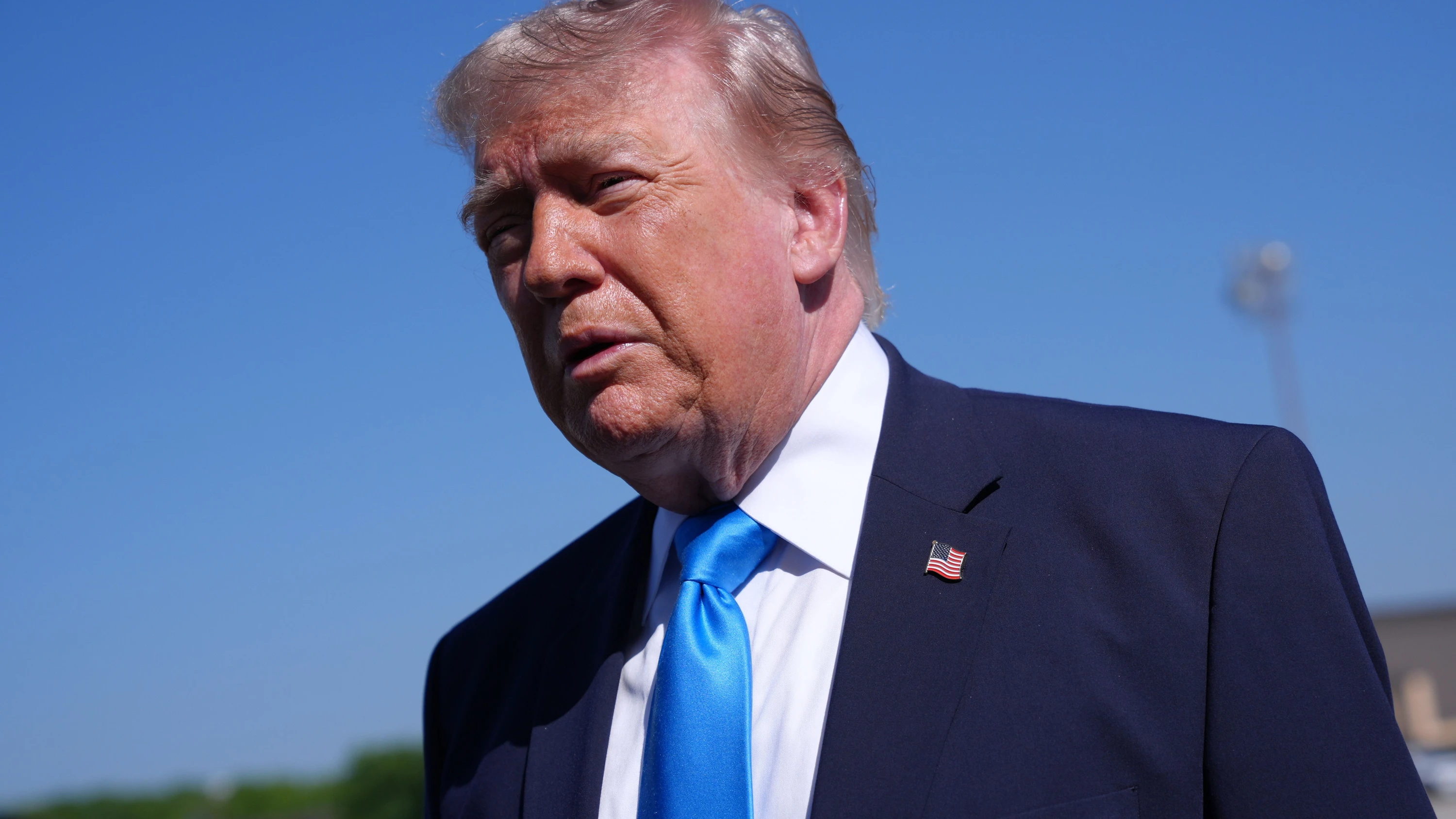
Nahost: USA und Iran einigen sich auf Friedensabkommen An Donald Trumps 80. Geburtstag verkünden der US-Präsident und Iran die Einigung auf ein Rahmenabkommen für ein Kriegsende. Woran ein Frieden noch scheitern könnte.
faz · 3 months ago
Middle East crisis live: US and Iran reach peace deal as European leaders warn Tehran must never acquire a nuclear weapon Initial peace deal expected to be signed in Geneva on Friday but questions remain over strait of Hormuz, Lebanon conflict and Irans nuclear program.Peace deal between US and Iran announced, with strait of Hormuz expected to reopenExplainer: what do we know about the US-Iran peace deal?Global oil prices have tumbled amid fresh hopes that a US-Iran peace deal may end the greatest energy supply crisis in the history of the market, write the Guardians Jillian Ambrose and Jonathan Barrett.The price of Brent crude dropped below $84 a barrel as the new trading week began in financial centres across Asia-Pacific, amid optimism that the strait of Hormuz could reopen shortly and bring a return of Gulf oil exports to the market. Continue reading...
theguardian · 3 months ago

Iran war live: Trump says US and Tehran have reached a peace deal reut.rs/3S93uEf
bluesky bot · 3 months ago
Oil prices drop as Pakistan announces US-Iran deal Oil prices fell in early Asian trading after Pakistan, which has been mediating efforts to end the US-Iran war, announced a deal that US President Donald Trump said would lead to the reopening of the Strait of Hormuz.
intellinews · 3 months ago
US-Iran to sign a peace deal on Friday: What we know so far Trump says a US-Iran deal will be signed this Friday, as Tehran confirms plans to end hostilities.
aljazeera · 3 months ago
Trump, Iran Say Framework Agreement Reached To End War US President Donald Trump said a framework agreement has been reached to halt fighting in the Middle East, reopen the Strait of Hormuz, and end the US blockade of Iranian ports.
radio free europe · 3 months ago
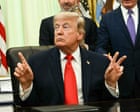
US-Iran peace deal could see strait of Hormuz open on Friday under Iranian arrangements, says state media – Middle East crisis live The US president confirmed the agreement as Pakistans prime minister said the official signing will be in Geneva on 19 JuneFull report: peace deal between US and Iran, Pakistan says, with strait of Hormuz to reopenIranian hardliners in vociferous push to reject US peace dealIsrael says it has struck Beiruts south suburbs, with explosions heard in the city. The Israeli military claimed the attacks on the Lebanese capital were in response to Hezbollah firing into Israeli territory.The military were reportedly targeting Hezbollah targets in Beiruts southern suburbs, the groups stronghold known as Dahiyeh, according to a joint statement by prime minister Benjamin Netanyahu and defense minister Israel Katz. Continue reading...
theguardian · 3 months ago
USA und Iran einigen sich auf Abkommen Die USA und der Iran haben sich auf ein Rahmenabkommen für ein Ende des Iran-Krieges geeinigt. Das teilte Pakistans Ministerpräsident Shehbaz Sharif am Sonntag auf der Plattform X mit. Die offizielle Unterzeichnungszeremonie soll demnach am Freitag in der Schweiz stattfinden. Washington und Teheran bestätigten die Einigung kurz darauf. Zuvor hatten israelische Angriffe im Libanon für Verstimmungen gesorgt.
orf.at · 3 months ago
US, Iran reach deal to end war The United States and Iran agreed a peace deal and an "immediate and permanent" end to military operations on all fronts including Lebanon, mediator Pakistan said, signaling the apparent end to more than three months of war in Middle East. Pakistani Prime Minister Shebhaz Sharif posted on X that a peace deal "has been REACHED" and an official signing ceremony will be held on June 19 in Switzerland. "The Deal with the Islamic Republic of Iran is now complete," US President Donald Trump swiftly confirmed with his own statement on Sunday, as he marked his 80th birthday. The accord is set to be signed in Switzerland on the 19th of June. It follows weeks of discussions and back and forth attacks from both nations, with Iran threatening as late as Sunday to retaliate for Israels deadly strikes on Lebanon.
france24 · 3 months ago
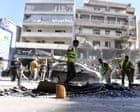
Peace deal between US and Iran announced, with strait of Hormuz expected to reopen Agreement was struck despite an Israeli strike on Lebanon on Sunday that drew criticism from both Iran and TrumpMiddle East crisis – live updatesA peace deal between the US and Iran has been reached following nearly four months of fighting in the region, Donald Trump and senior Iranian officials have said.Iranian deputy foreign minister Kazem Gharibabadi confirmed the agreement in televised comments in the early hours of Monday, saying it puts an immediate end to the countries war, and that it included Lebanon. Continue reading...
theguardian · 3 months ago
Pakistan: USA und Iran einigen sich auf Abkommen
orf.at · 3 months ago

US and Iran agree immediate and permanent peace deal, signing set for Switzerland on Friday Iran has said the agreement with US immediately ends the war.
thejournal · 3 months ago
US-Iran peace deal announced; Trump says Strait of Hormuz reopening Trump announces that a ceasefire deal with Iran has been agreed, and that the Strait of Hormuz will reopen for shipping.
aljazeera · 3 months ago