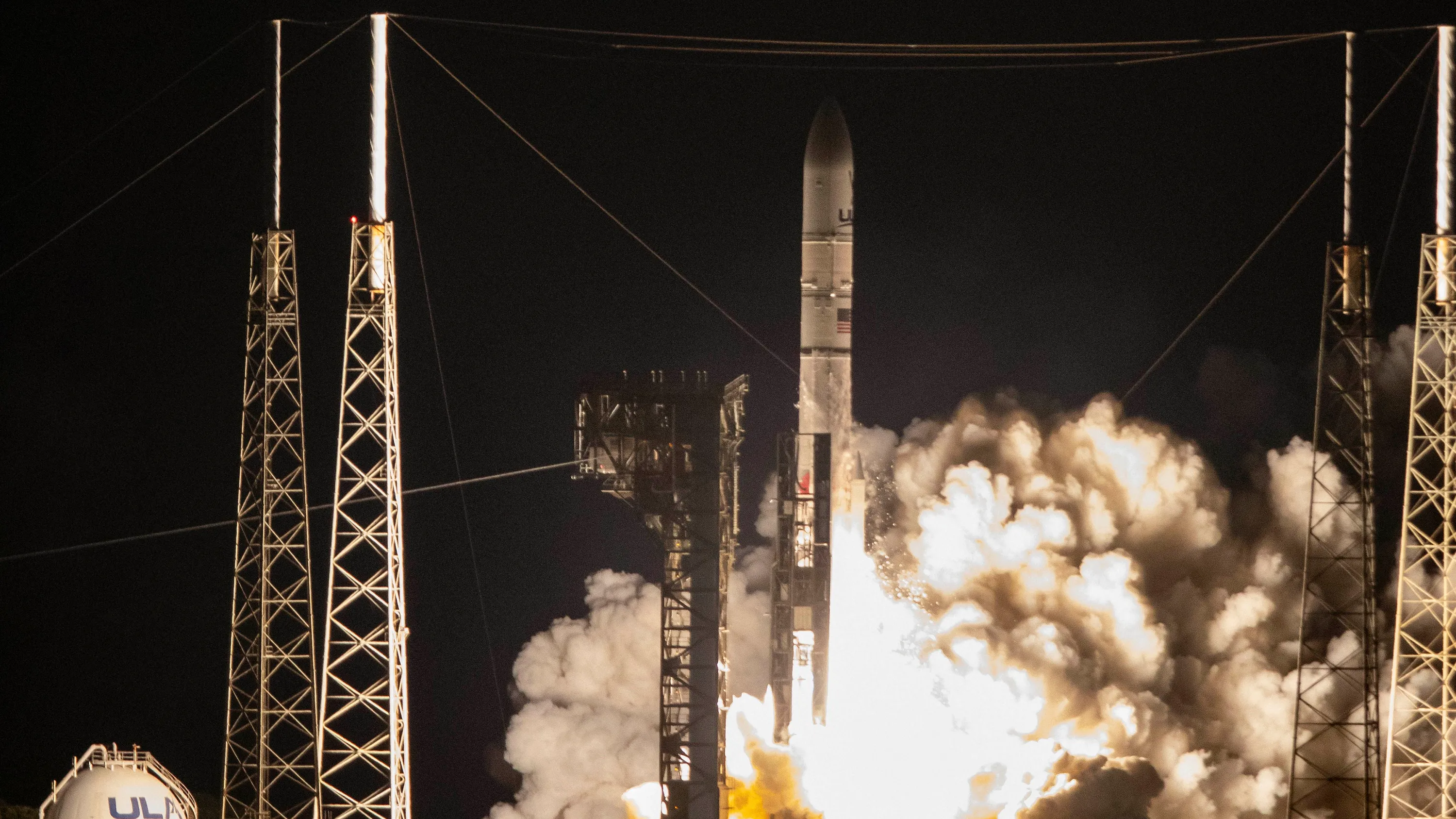
A Vulcan rocket carrying 40 Amazon broadband satellites failed shortly after launch from Florida on Sunday, destroying the payload in the first mission failure for its operator in 20 years.
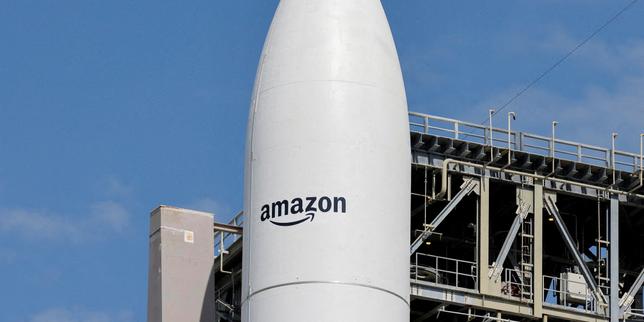
The rocket lifted off from Cape Canaveral Space Force Station at 12:40 pm EDT on Sunday. It was operated by United Launch Alliance, the joint venture between Boeing and Lockheed Martin. The payload consisted of 40 satellites for Amazon's Leo internet network.
United Launch Alliance said the vehicle suffered an anomaly 10 minutes into the flight. It failed to deliver the Amazon mission to orbit. The company said it did not immediately have specific data to understand what occurred. Engineers will investigate to find the cause and determine corrective action.
The failure is expected to ground the Vulcan rocket for an indefinite period. The rocket is on contract to launch roughly half of the US military's national security space missions in the coming years. The Pentagon had not yet re-certified Vulcan for military and intelligence satellites after previous booster problems. That certification depended on the rocket's performance during Sunday's Amazon mission.
Sunday's launch was the first of 38 Vulcan flights Amazon purchased to build its Leo constellation, a competitor to SpaceX's Starlink. The network, initially called Project Kuiper, aims for 3,232 satellites, of which only about 400 were in orbit before this launch. The mission would have raised the total to 436.
The Federal Communications Commission approved the 3,232-satellite constellation in 2020. Amazon had requested and received a 24-month extension on deployment deadlines. The company must have 1,616 satellites in orbit by July 2028 and the complete constellation by July 2029.
Vulcan had flown four times before Sunday. Two previous flights experienced problems with strap-on solid rocket boosters but completed their missions. Those incidents triggered months-long reviews. Sunday's failure appeared different, occurring after the boosters performed well in the first two minutes.
Amazon expressed confidence in its launch partner. "There is risk with any launch, and that's especially true for inaugural missions like LV-01," the company posted. "ULA has been a trusted partner for Amazon, and we believe they'll learn from this mission and deliver on their long-term plans for Vulcan."
NASA Administrator Jared Isaacman also offered support. "Thank you for keeping the public and your partners informed so promptly," he wrote. "The NASA team stands ready to assist with any questions related to the investigation and corrective measures."
Amazon has booked launches with multiple providers for Leo, including 24 flights on Blue Origin's New Glenn, 24 on Europe's Ariane 6, and 13 on SpaceX's Falcon 9. Blue Origin's New Glenn exploded on the launch pad in May while carrying Amazon satellites. The Vulcan failure adds to delays in Amazon's effort to challenge Starlink.