
Study suggests energy, not time, limits alien life to microbial stage on nearby exoplanets
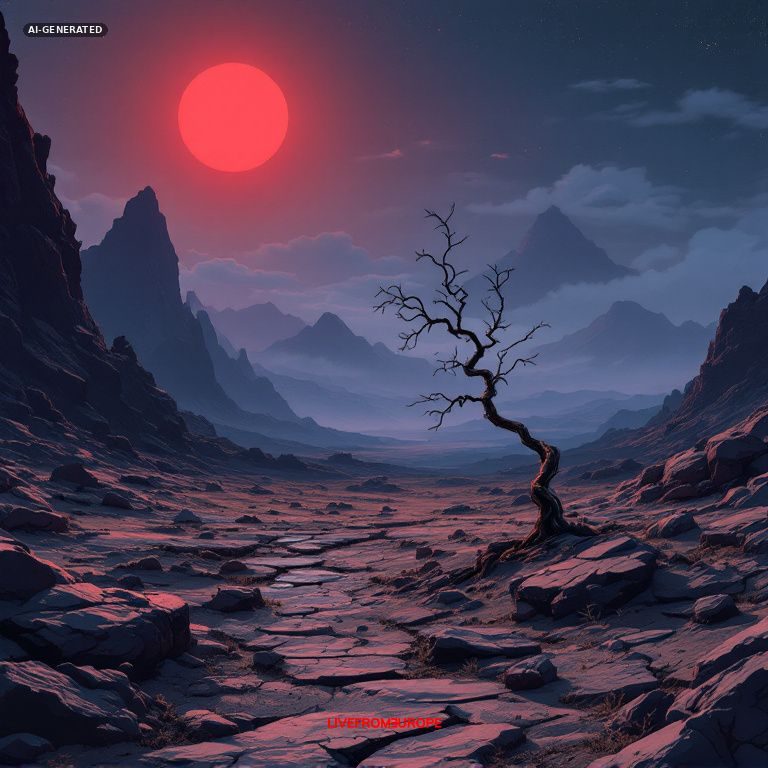
A study published in the *International Journal of Astrobiology* suggests that the advancement of potential extraterrestrial civilizations near Earth may depend more on cumulative plant energy than on time alone. Led by Chris Doughty, a professor of ecoinformatics at Northern Arizona University, the research examined nearby exoplanets and found that even older star systems may host life that evolves more slowly due to lower cumulative photosynthesis.
Doughty’s team hypothesized that the evolution of complex life is not guaranteed by time but is instead tied to the energy available to plants. This implies that many Earth-like exoplanets in our galactic neighborhood could remain at a microbial stage, despite their age. “Our work suggests that most planets similar to Earth near us are likely evolutionarily behind us and still at the microbial stage,” Doughty said .
The findings challenge the assumption that older planets would naturally host more advanced civilizations. Instead, the study proposes that limited energy for photosynthesis could stall evolutionary progress, leaving potential alien life in a primitive state. The research addresses Enrico Fermi’s paradox by suggesting that the absence of detectable advanced civilizations may stem from these energy constraints.
Follow us for live European news
- 1
- 1
- 1
- 1
- 1
8 further sources not geolocated
Articles

Radar charts, quadrant matrices, waterfalls—consulting had seen it all. Until Harbour Brandish, just out of college, invented the quindrant
bluesky_The Economist · about 2 hours ago

A genomic study of 103 species and 44 fossils places the origin of bats in Europe 65 million years ago and dates the birth of flight and echolocation, in a Nature paper with CSIC participation. ➡️
bluesky_Euronews · about 2 hours ago

Galaktyka wiruje w dziwaczny sposób Galaktyka wiruje w dziwaczny sposób tryton sob., 09/26/2026 - 10:20 2 minuty
nauka w polsce · about 2 hours ago
Jeden atom przełamuje barierę biodegradacji. Zmodyfikowany enzym rozkłada plastik PET dwa razy szybciej Ograniczenie inżynierii enzymatycznej do 20 standardowych aminokwasów kodowanych w naturze przez dekady zmuszało biochemików do trudnego kompromisu: warianty enzymów zdolne do szybkiego rozkładu plastiku gwałtownie traciły stabilność termiczną i ulegały denaturacji, podczas gdy warianty odporne na wysoką temperaturę działały zbyt wolno, by znaleźć zastosowanie komercyjne. Zespół badaczy z Australian National University (ANU) przełamał to wąskie […]
chip.pl · about 2 hours ago
Kosmici nie muszą być bardziej rozwinięci od nas. Zaskakujące wyjaśnienie
spiders web · about 2 hours ago
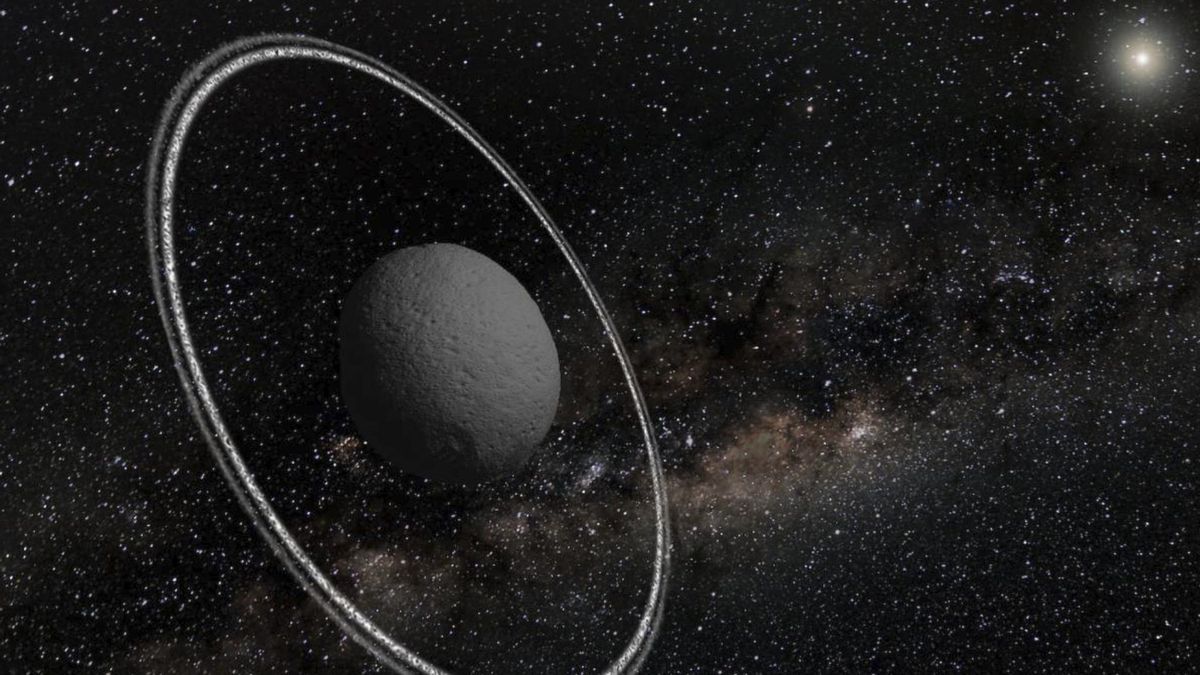
Un pequeño mundo del Sistema Solar tiene anillos como Saturno y el James Webb descubre que crecen y desaparecen Sistema de Chariklo - El equipo analiza las caídas de luminosidad producidas durante el paso del cuerpo celeste para calcular dimensiones y transparencia pese a la enorme distancia existenteEl Sol se deja ver como nunca antes y su imagen con mayor resolución revela pequeños remolinos desconocidos Los anillos planetarios perdieron hace tiempo la exclusiva de los gigantes del Sistema Solar, y Chariklo se encargó de desmontar esa vieja frontera con mucha eficacia. Este cuerpo helado de unos 250 kilómetros de diámetro, situado entre Saturno y Urano, posee dos anillos descubiertos en 2013, la primera detección de estructuras de este tipo alrededor de un objeto pequeño. Aquello, sin duda, amplió el catálogo de mundos capaces de lucir anillos. El James Webb detecta cambios en ambas estructuras Un estudio internacional liderado por el Instituto de Astrofísica de Andalucía (IAA-CSIC) ha comprobado ahora que ambos anillos han cambiado en apenas una década, según los resultados publicados en Science Advances. Las observaciones del telescopio espacial James Webb indican que C1R, el anillo interior, presenta mayor opacidad que en registros anteriores, mientras C2R, el exterior, ofrece una señal más débil. El resultado cuestiona la idea de que estas estructuras alrededor de cuerpos pequeños permanezcan estables durante periodos muy prolongados. La dificultad para estudiar Chariklo aumenta porque sus anillos son demasiado estrechos y lejanos para obtener fotografías incluso con el James Webb o los mayores observatorios terrestres. El equipo recurrió por ello a una ocultación estelar, técnica basada en medir cómo disminuye la luz de una estrella cuando el cuerpo y sus anillos pasan por delante. Esas variaciones permiten calcular propiedades como el ancho y la opacidad de las estructuras. La observación realizada el 18 de octubre de 2022 exigió predecir con gran precisión el recorrido de Chariklo, la posición de la estrella y la trayectoria del James Webb. Yücel Kilic, investigador del IAA-CSIC contratado en el programa Severo Ochoa, señaló que para conseguirla fue necesario conocer con enorme precisión esos tres movimientos. Los datos de la misión Gaia de la Agencia Espacial Europea ayudaron a fijar la posición estelar, mientras el telescopio se encontraba a 1,5 millones de kilómetros de la Tierra. El desplazamiento relativo de Chariklo respecto al equipo, de 2,5 kilómetros por segundo, permitió registrar con gran resolución las breves caídas de brillo producidas durante la ocultación. Fue además la primera ocultación estelar predicha y planificada específicamente para el James Webb que pudo ejecutarse con éxito. El IAA-CSIC dirigió todas las fases del estudio con participación de investigadores de España, Brasil, Francia, Hungría y Estados Unidos. Nuevas ocultaciones aclararán cómo evolucionan ambos anillos Las diferencias observadas entre C1R y C2R todavía admiten varias explicaciones, porque los científicos carecen por ahora de una causa física definitiva para esa evolución. Pablo Santos-Sanz, investigador del IAA-CSIC y responsable del trabajo, vincula una posibilidad a cambios temporales del propio sistema, con choques entre partículas, redistribución de material, la forma irregular de Chariklo o la posible influencia de pequeñas lunas todavía no detectadas. El anillo interior podría estar acumulando partículas mientras el exterior perdería parte de su material. Las condiciones de observación introducen otra posibilidad porque el James Webb empleó filtros infrarrojos, mientras campañas anteriores utilizaron luz del espectro óptico o infrarrojo cercano. Diferencias en el tamaño de las partículas pueden alterar la opacidad registrada según la longitud de onda utilizada, por lo que los autores contemplan que los cambios físicos y los efectos instrumentales intervengan a la vez. Santos-Sanz considera que los resultados obligan a revisar cómo se forman y evolucionan estos sistemas y qué mecanismos conservan su estabilidad. Las próximas ocultaciones deberán determinar si ambos anillos atraviesan una evolución progresiva, alternan entre varios estados o muestran diferencias ligadas principalmente al método de observación empleado. El equipo propone continuar el seguimiento con el James Webb y grandes telescopios terrestres para comparar nuevas mediciones en los próximos años. Esa vigilancia permitirá establecer cuánto pueden durar los anillos alrededor de cuerpos pequeños y hasta qué punto Chariklo representa un sistema cambiante dentro del Sistema Solar.
eldiario.es · about 2 hours ago

Kad kuhinja postane laboratorija: Molekularna gastronomija i jelovnici iz budućnosti Molekularna gastronomija je sve prisutnija i u domaćim restoranima, a ova kuhinja iz budućnosti nekim kuvarima iz Srbije poslužila je da svetu predsta
n1 serbia · about 2 hours ago
Algorytm z 1996 roku miał poważne ograniczenie. Naukowiec znalazł sposób, by je przełamać Przez trzydzieści lat informatycy próbowali przesunąć granicę wyznaczoną przez jeden z klasycznych algorytmów służących do obliczania odległości w ogromnych sieciach. Teraz Manoj Gupta z Indian Institute of Technology Gandhinagar zaproponował rozwiązanie, które pozwala rozszerzyć gwarancję dokładności na znacznie bliższe sobie punkty. Problem, którym zajmują się naukowcy, może wydawać się na pierwszy rzut oka podobny do […]
chip.pl · about 2 hours ago
Naukowcy odtworzyli cząstki sprzed 160 milionów lat. Teraz wykorzystają je do walki z zagrożeniem Kto by pomyślał, że wystarczy sięgnąć 160 milionów lat wstecz, aby wejść w posiadanie potencjalnej broni na superbakterie? Tą właśnie drogą poszli badacze, którzy postanowili sprawdzić, jak wyglądały mechanizmy obronne pierwszych ssaków łożyskowych. Korzystając z analizy ewolucyjnej, zrekonstruowali fragmenty białek, które nie występują już u współczesnych zwierząt, a następnie odtworzyli je w laboratorium. Właśnie wtedy […]
chip.pl · about 2 hours ago
Chcieli budować lotniskowce z lodu. 80 lat później naukowcy wracają do pomysłu
spiders web · about 2 hours ago
Odebraliśmy sygnały radiowe pochodzące z innej planety. Jest jednak haczyk
spiders web · about 2 hours ago
Początek nowej ery na orbicie. Zrezygnują z ludzi i zdobędą wielki skarb
spiders web · about 2 hours ago
Rechenzentren im Orbit sind eine schlechte Idee, oder doch nicht? Google startet erste Versuche, um irgendwann Server ins All zu bringen. Dabei ist unklar, ob das Konzept überhaupt funktioniert
der standard · about 2 hours ago
Supernatural superstar: Hélène Smith, the first Swiss on Mars After work, Elise Müller would travel to Mars in her mind. Then a researcher wrote about her case, and she became famous as Hélène Smith. This is the strange story of a creative woman from Geneva. In the decades leading up to 1900, people around the world were puzzling over Mars. Astronomers thought they had spotted a system of canals on the desert planet, and people were convinced that only advanced beings could have built this planet-wide irrigation system. Imagination ran wild regarding what the Martians might look like. While some depicted them as human-like, others gave them wings; in the writings of HG Wells, violent, tentacled creatures attacked Earth. The boundaries between fiction and serious contributions remained blurred in the debate. Scientists wrote novels, while novelists dabbled in astronomy. Hélène Smith – Visions of Mars Among the prominent figures producing images of Mars at the time was a woman from Geneva: Hélène Smith. Her real name was Catherine-Élise Müller ...
swissinfo · about 2 hours ago
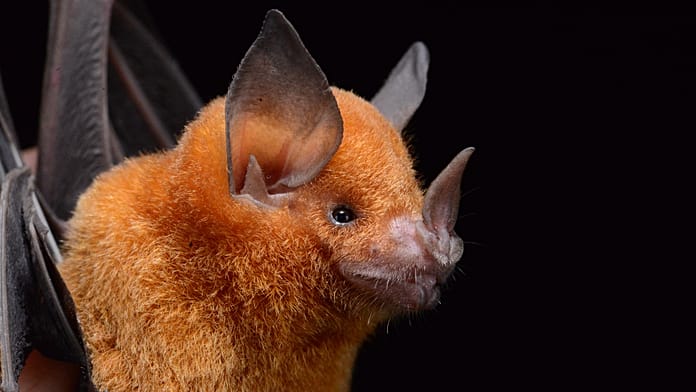
New study reveals surprising origins of bats dating back 65 million years A genomic study of 103 species and 44 fossils places the origin of bats in Europe 65 million years ago and dates the birth of flight and echolocation, in a Nature paper with CSIC participation.
euronews · about 2 hours ago
Miliony śmieci na orbicie. Polacy budują statek, który ma pomóc rozwiązać problem Europejska Agencja Kosmiczna (ESA) szacuje, że na orbicie jest ok. 1,5 mln obiektów uznawanych za śmieci kosmiczne o rozmiarze od 1 cm do 10 cm i 230 mln obiektów od 1 mm do 1 cm. Eksperci podkreślają, że...
bankier · about 3 hours ago
Historyczna misja SpaceX. Starship okrąży Ziemię i wyniesie nowe starlinki W 14. locie Starship ma zostać po raz pierwszy umieszczony na orbicie, na wysokości 275 km i sześciokrotnie okrążyć Ziemię. Umieści przy tym w przestrzeni serię nowych satelitów Starlink. Lot jest planowany na poniedziałek.
bankier · about 3 hours ago
Abgelenktes Licht aus dem All: Neue Spur im Rätsel um Dunkle Materie Ein astronomisches Phänomen verzerrt das Licht entfernter Galaxien auf dem Weg zur Erde. Bisherige Computermodelle lieferten dafür oft unpräzise Vorhersagen. Ein neuer Ansatz mit direkten dreidimensionalen Simulationen könnte das nun ändern. weiterlesen auf t3n.de
t3n · about 3 hours ago
Planet verschwindet 2033: Forscher starten Wettlauf gegen die Zeit Ein Forschungsteam der Uni Tokio hat einen seltsamen Riesenplaneten entdeckt, der seinen Stern sehr schnell und auf ungewöhnliche Weise umkreist. Den Astronom:innen bleiben aber nur sieben Jahre, um weitere Erkenntnisse zu TOI-1355 b zu gewinnen.weiterlesen auf t3n.de
t3n · about 3 hours ago
Θα τρώμε μπισκότα από πλαστικά μπουκάλια: Η νέα τεχνολογία για τις διαστημικές αποστολές Επιστήμονες δημιούργησαν τα µBites, πρωτεϊνούχα μπισκότα που παράγονται από παράγωγα πλαστικού PET και αγροτικά απόβλητα και εκτυπώνονται με 3D εκτυπωτή
protothema · about 3 hours ago