Japan’s space agency launched a spacecraft early Tuesday on an unprecedented mission to collect samples from Phobos, one of Mars’ two moons, and return them to Earth by 2031.
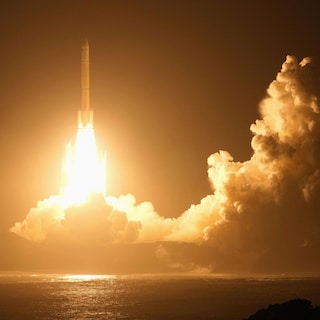
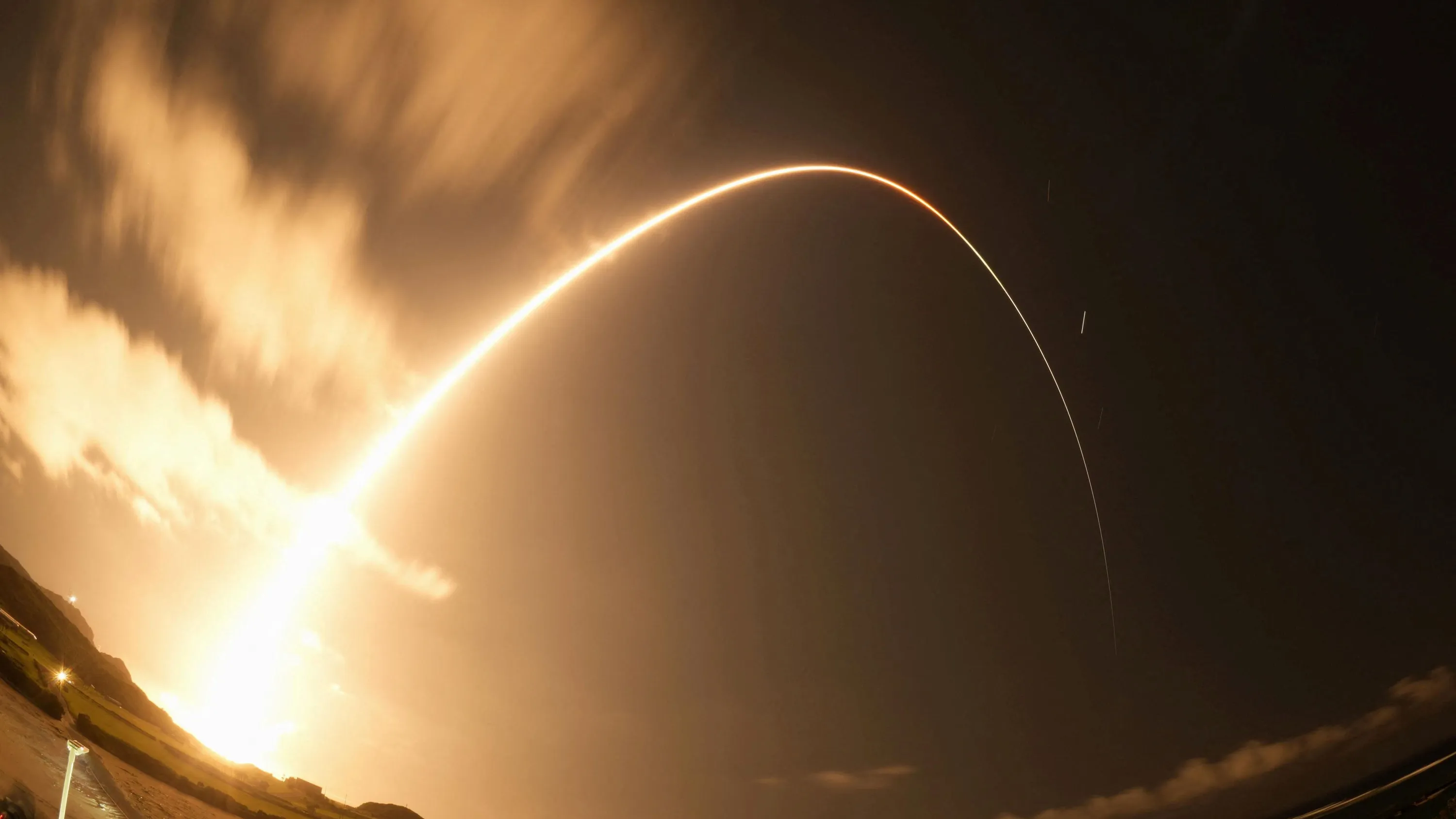
The Japan Aerospace Exploration Agency’s Martian Moons Exploration spacecraft lifted off at 4:41 a.m. from Tanegashima Space Center aboard the H3 rocket. An hour later, JAXA confirmed the spacecraft had separated from the rocket’s upper stage, prompting celebrations in the control room .
The $578 million mission, involving NASA, the French space agency CNES, the German Aerospace Center (DLR), and others, aims to reach Mars by August 2027. The spacecraft will deploy a small French-German rover named Idefix, which will survey Phobos’ surface for 100 days to identify safe landing sites for the main probe .
The main lander, equipped with a four-legged system, will touch down on Phobos in late 2028 or 2029, using a robotic arm to collect at least 10 grams of regolith from a depth of at least 2 centimeters. After studying Deimos during flybys, the spacecraft will depart Mars’ orbit in November 2030, with the sample capsule scheduled to land in the Australian desert in 2031 .
Scientists hope the samples will determine whether Phobos and Deimos are captured asteroids or fragments from a collision with Mars, potentially offering insights into the formation of the solar system and the origins of life. “It is a once-in-a-lifetime chance,” said Markus Grebenstein, the DLR’s rover project lead .
NASA astrophysicist Tom Statler, involved in the project, said the mission carries significant excitement. “There’s a lot of adrenaline and a lot of wow,” he said .