Loading…
 Saturday, August 29Saturday, August 29
3 months · 19 summary articles
Europe accelerates defence push amid security threats and uncertain US commitment, as EU leaders meet in Brussels to finalise a new security compact that will see advanced biometric screening, shared security checks and faster procedures rolled out across the bloc from this month. The measures, announced by the European Parliament on 25 June 2026, aim to close the gaps exploited by those who break EU migration rules while maintaining fair borders for all .
The push comes as Europe grapples with a shifting security landscape, including the arrival of Taliban envoys in Brussels for talks that have reignited debates over principles and legitimacy. The visit, described by a Taliban spokesperson as a trust-building exercise with EU member states, has drawn criticism from human rights advocates . Meanwhile, the United Nations High Commissioner for Human Rights warned that humanitarian needs for 2026 amount to just three days of global military spending, urging the EU to resist marginalising civic space and restricting freedom of association or expression .
Defence cooperation is also intensifying beyond Europe’s borders. At Eurosatory 2026, Gulf defence groups deepened ties with European counterparts, signalling a strategic realignment in response to regional instability . Within the EU, defence build-up efforts are coalescing around key industrial platforms, with analysts warning that success depends on getting partnerships right .
The bloc’s stance towards China is hardening, with European leaders increasingly viewing Beijing as a fundamental threat to Europe’s competitiveness. A summit this week opened the possibility of radical tightening of trade relations, raising the spectre of an EU-China trade war .
Migration policy remains a flashpoint. The Churches Commission for Migrants in Europe has urged the EU to prioritise protecting people over borders, while the bloc’s new coordinated system—featuring EU-wide biometric checks and faster procedures—seeks to balance security with fairness .
Energy security is another pillar of the new strategy. A report released today argues that without a binding 2040 renewables target, Europe risks losing energy security, investment and industrial leadership .
As Europe navigates these challenges, the pace of decision-making in Brussels is under scrutiny. The *Economist* this week described the EU as “too damn slow,” calling for faster action to match the urgency of the moment .
Follow us for live European news
4 further sources not geolocated

India-EU reiterate commitment to protection of human rights; focus on democracy, rights, AI development
gdeltproject.org · 2 months ago
European Commission report supports cBrains expansion of environmental permitting activities in Europe
gdeltproject.org · 2 months ago
Europe accelerates defence push amid security threats and uncertain US commitment
gdeltproject.org · 2 months ago
Gulf Defence Groups Deepen European Ties at Eurosatory 2026 - The Middle East Observer
gdeltproject.org · 2 months ago
Over 200 ZXMOTO motorcycles exported to Europe-Xinhua
gdeltproject.org · 2 months ago
Startup Europe Partnership (SEP)
gdeltproject.org · 2 months ago
The EU is just too damn slow Why Brussels needs to pick up the pace
the economist · 2 months ago

Starting this month, the EUs migration system is stronger and more coordinated. Advanced biometric screening, shared security checks, faster procedures, and EU-wide cooperation help close the gaps exploited by those who break the rules. Fair borders protect everyone.
bluesky bot · 2 months ago
Experimente mit Adoptivkindern – Politik reagiert auf Skandal bei Terre des Hommes Fast 2000 Kinder sollen für medizinische Experimente benutzt worden sein. Das Hilfswerk verspricht eine Untersuchung.
srf.ch · 2 months ago
Geplante Sozialkürzungen: „Wir mahnen die Einhaltung der Menschenrechte an Bei der Ministerpräsidentenkonferenz sprechen Bund und Länder über geplante Sozialkürzungen. Beim Deutschen Institut für Menschenrechte ist man besorgt. mehr...
taz.de · 2 months ago
Obrat v EU: roste odhodlání vzdorovat Číně. Můžeme mířit k obchodní válce Summit EU otevřel možnost radikálního zpřísnění obchodních vztahů Evropské unie s Čínou. Evropští lídři ji totiž začínají vidět jako fundamentální hrozbu pro konkurenceschopnost Evropy, píše vedoucí pražské kanceláře Central European Institute of Asian Studies Filip Šebok.
denik n · 2 months ago
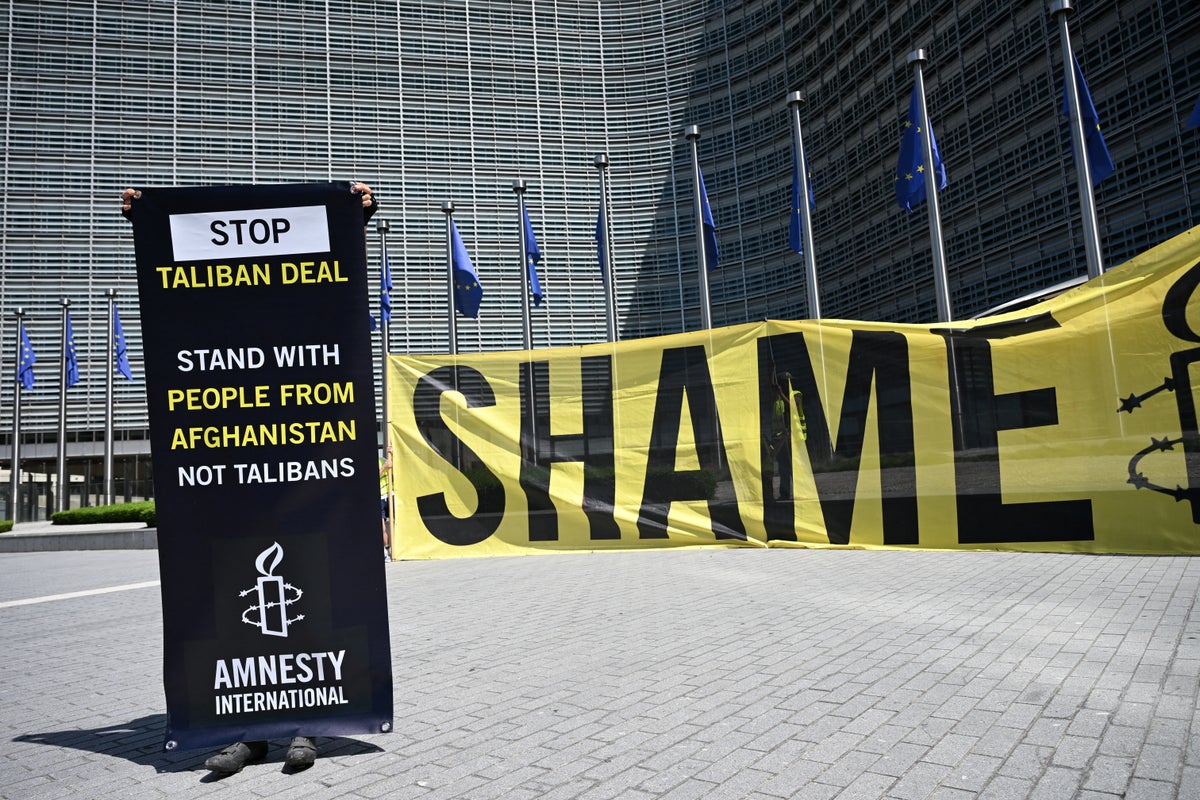
EU faces growing backlash after Taliban delegations visit to Brussels Taliban spokesperson celebrates visit to Brussels as a trust-building exercise with EU member states
independent · 2 months ago
Europe needs a binding 2040 renewables target – or risk losing energy security, investment and industrial leadership
gdeltproject.org · 2 months ago
Churches Commission for Migrants in Europe: protect people more than borders
gdeltproject.org · 2 months ago
As Taliban Envoys Arrive in Brussels, Europe Faces Renewed Questions Over Principles and Legitimacy
gdeltproject.org · 2 months ago
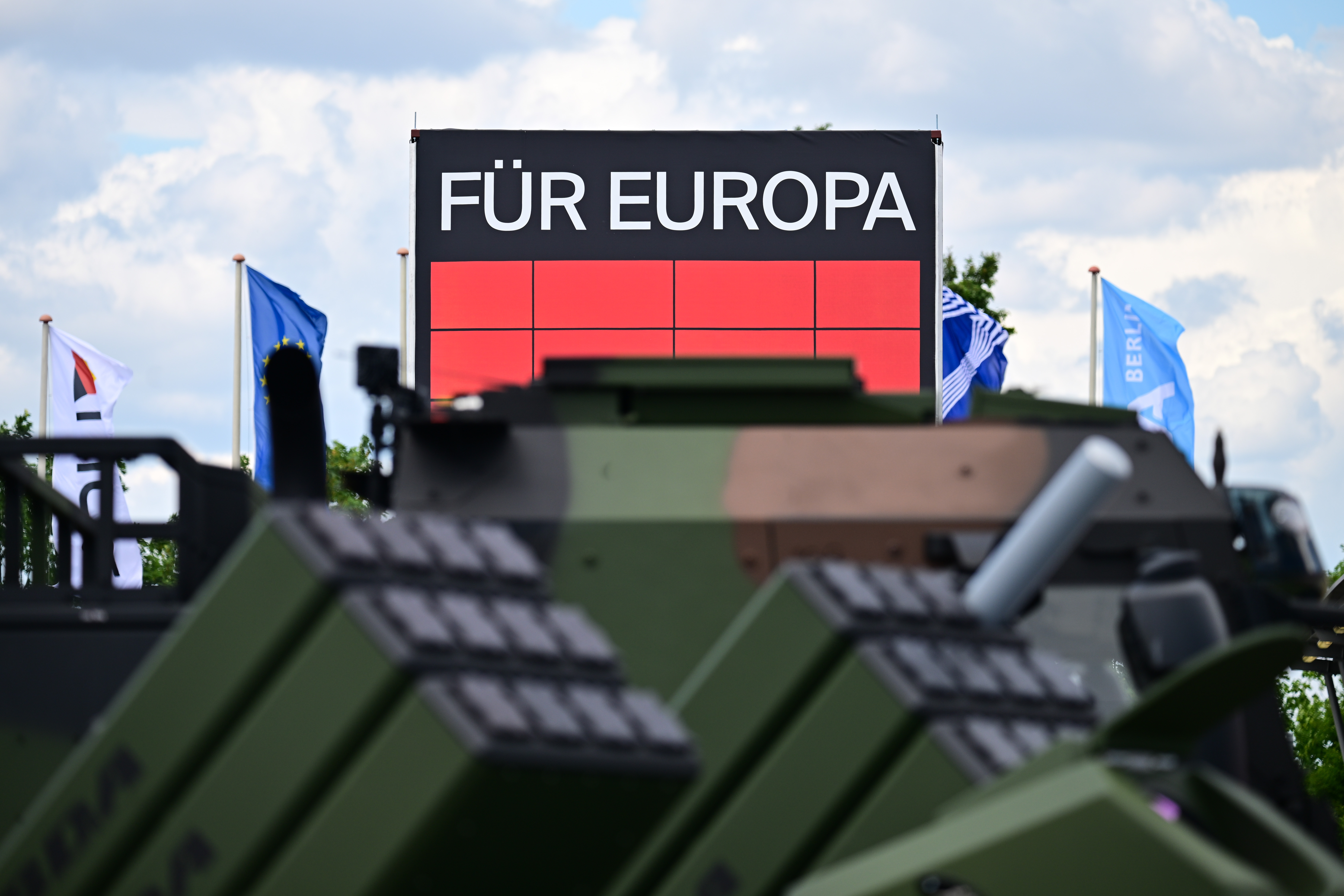
Europes defense build-up depends on getting partnerships right One pattern is worth watching: Partnership activity is not spreading evenly across the market; it is coalescing around a handful of industrial platforms.
defense news · 2 months ago
Baltic Security Foundation deepens transatlantic engagement amid intensifying regional threats - The Baltic Times Over the past year, the Baltic Security Foundation (BSF) has continued to expand its work as a Riga-based hub for Baltic and re......
baltic times · 2 months ago
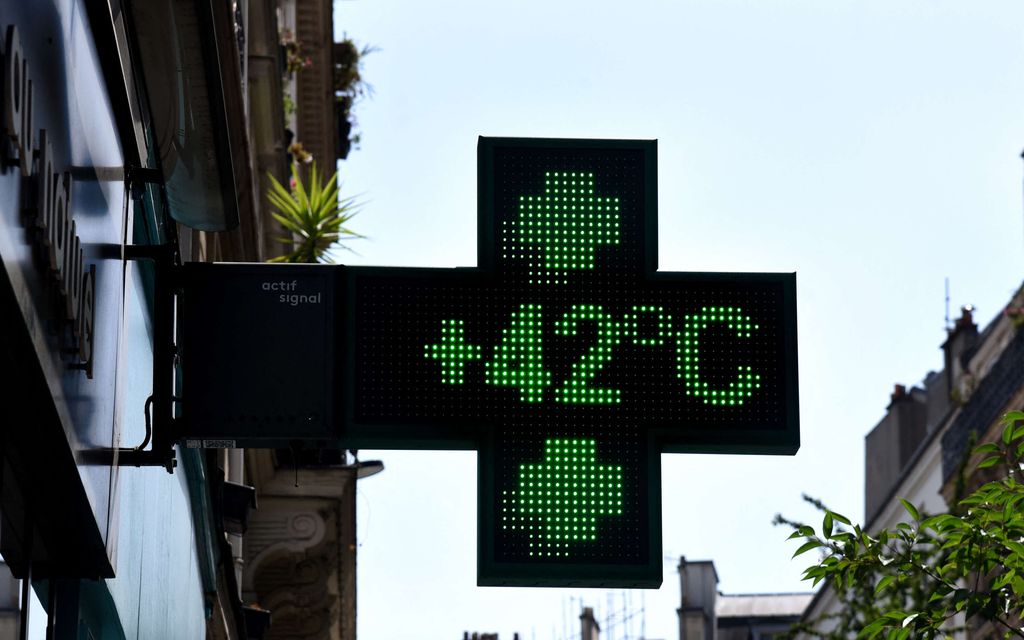
Pääkirjoitus: Eurooppa ei kestä enää
iltalehti · 2 months ago
Le auto cinesi potrebbero conquistare il 16 del mercato europeo entro il 2030 I brand cinesi continuano a guadagnare terreno in Europa e la loro presenza è destinata a crescere ancora nei prossimi anni. Secondo quanto riportato dalla testata specializzata Automotive News, che cita le previsioni contenute nel Global Automotive Outlook di AlixPartners, i costruttori di Pechino potrebbero arrivare a detenere il 16 del mercato europeo entro il […] Larticolo Le auto cinesi potrebbero conquistare il 16 del mercato europeo entro il 2030 proviene da Il Fatto Quotidiano.
il fatto quotidiano · 2 months ago
Nationale Sicherheit: „Sehr hohes Risiko: Welche chinesischen Universitäten für deutsche Forscher gefährlich werden können Die Handelsblatt-Recherchen zum Forschungsinstitut Cispa zeigen Deutschlands Verwundbarkeit bei Kooperationen mit China. In dem Land sind zivile und militärische Forschung nicht leicht zu trennen.
handelsblatt · 2 months ago
Die Zahl der irregulären Migranten zu verringern ist nötig, aber nicht genug [premium] Warum es Zeit wird, endlich eine humane und rechtlich haltbare Rückabwicklung von Teilen der illegalen Zuwanderung seit 2015 einzuleiten, bevor es zu spät ist.
die presse · 2 months ago
What Makes a Good Domain Registration Service? Continue reading What Makes a Good Domain Registration Service? at The European Sting - Critical News & Insights on European Politics, Economy, Foreign Affairs, Business & Technology - europeansting.com.
european sting · 2 months ago
Human rights, Türk (UN): Humanitarian needs for 2026 amount to three days worth of global military spending The United Nations High Commissioner for Human Rights issued an appeal during a meeting at the European Parliament: We must be vigilant, within the EU, against the tendency to marginalise civic space, to restrict freedom of association and expression, or to impose restrictions on the work of NGOs.
eunews.it · 2 months ago
Number of EU nationals in Switzerland fell in 2025 Switzerlands net migration figure for the European Union and European Free Trade Association stood at 50,900 people, according to the State Secretariat for Economic Affairs (SECO). This figure is down on the previous three years. However, the number of cross-border workers increased. The decline in EU nationals still remains above the historical average. This is according to a presentation by SECO of the 22nd report by the Observatory on the Free Movement of Persons between Switzerland and the EU. The report states that keeping immigration as closely aligned as possible with labour market needs is essential in view of Switzerlands declining population. Foreign workers have contributed to an average annual increase in the volume of work of around 0.8 over the last 15 years. + Swiss voters reject proposal to cap population at ten million The report was published around ten days after the "No to 10 million" initiative – which had focused heavily on immigration – was rejected at the ...
swissinfo · 2 months ago

UE. Provedora de Justiça alerta para falta de transparência Teresa Anjinho considerou a resposta da Comissão Europeia "demasiado genérica"
observador · 2 months ago
Un escudo energético estable para la industria Las empresas piden al Gobierno mejorar su competitividad con una fiscalidad mínima a la energía. Leer
expansion · 2 months ago