Loading…
 Saturday, September 26Saturday, September 26
4 months · 22 summary articles
The European Union’s two-day summit in Brussels opened Thursday with a sharp focus on competitiveness, enlargement, and geopolitical tensions, as leaders gathered amid signs of shifting alliances and fresh diplomatic maneuvering. The gathering, which runs through Friday, is dominated by debates over the bloc’s economic future, Ukraine’s accession prospects, and a hardening stance toward China, with Hungary’s political transition casting a long shadow over the proceedings.
European Parliament President Roberta Metsola met Thursday with Romania’s interim Prime Minister Ilie Bolojan, delivering a signal of support amid domestic political turmoil in Bucharest . The encounter underscores Brussels’ concern over Romania’s ongoing instability, which has intensified in recent weeks as political factions clash over governance and reform. Metsola’s engagement follows her earlier discussions with Hungary’s new premier, Péter Magyar, where the two explored the possibility of the EU dropping its rule-of-law disciplinary procedure against Budapest—a move that could reshape the bloc’s internal dynamics .
The summit’s formal agenda centers on the “One Europe, One Market” competitiveness roadmap, a flagship initiative aimed at revitalizing the EU’s economic position . In a joint review released Wednesday, EU institutions confirmed “a solid start” to the plan, reaffirming their commitment to its timely delivery . Leaders are also reviewing progress on a broader economic action plan, with competitiveness framed as a top priority for the bloc’s future.
Geopolitical flashpoints loom large. Taoiseach Simon Harris is set to push for a robust EU response to alleged Israeli human rights violations in Gaza, while diplomats warn that the bloc must adopt a firmer stance toward China, with Spanish Prime Minister Pedro Sánchez suggesting Beijing could become a strategic ally . Meanwhile, Ukraine’s accession prospects remain a live issue, with European Council President Charles Michel emphasizing the need for “courage” in enlargement decisions .
The summit’s backdrop is Hungary’s political upheaval. Former Prime Minister Viktor Orbán, long a disruptive force in EU decision-making, has been sidelined following the election of Péter Magyar, whose government is now engaging constructively with Brussels . Orbán, however, has sought to regroup with far-right allies outside the formal summit, signaling that ideological fault lines within the EU are far from resolved .
Follow us for live European news
2 further sources not geolocated

The June #EUCO has started! The "One Europe, One Market" competitiveness agenda is in motion - it is a top priority for European Leaders. Together with @president.europarl.europa.eu, Leaders are reviewing progress on our economic action plan.
bluesky bot · 3 months ago

The former Hungarian PM Viktor Orbán spent years blocking and delaying EU decisions at the European Council. With Orbán now out of office, diplomats are looking for signs of where opposition may emerge in the Councils next chapter. 🔗 www.politico.eu/article/meet...
bluesky bot · 3 months ago

China can become the EUs ally, Spanish PM Pedro Sánchez has said. Follow our live blog for the latest updates from the European Council summit: www.politico.eu/article/euro...
bluesky bot · 3 months ago
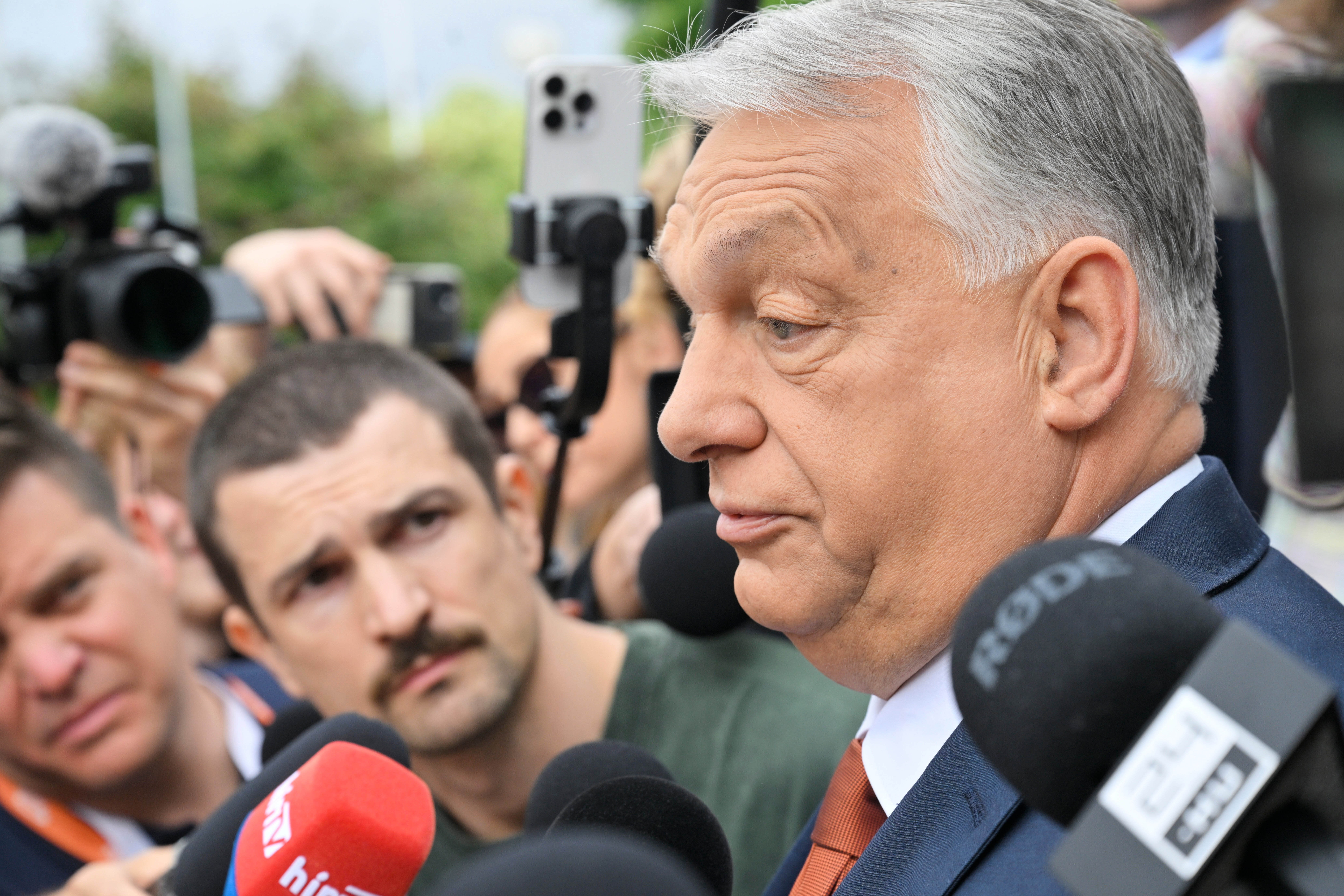
As Hungary new leader joins EU summit , sidelined Orbán meets with far - right allies in Brussels
gdelt bot · 3 months ago

Comisia Europeană a extins interdicţia privind exportul de ovine şi caprine din România. Anunțul lui Tanczos Barna Comisia Europeană a extins interdicţia privind exportul de ovine şi caprine din România către ţările terţe până la 31 decembrie 2026, menţinând totodată interdicţia deja existentă pentru livrările către statele membre ale UE, anunţă ministrul interimar al Agriculturii, Barna Tanczos.
digi24 · 3 months ago
Nicuşor Dan participă la reuniunea Consiliului European. Pe agendă sunt subiecte importante pentru România Preşedintele Nicuşor Dan participă joi şi vineri la reuniunea Consiliului European de la Bruxelles. Pe agenda reuniunii sunt subiecte prioritare pentru România, precum sprijinul pentru Ucraina și Republica Moldova și avansarea parcursului lor de aderare, viitorul Cadru financiar multianual 2028-2034, securitatea și apărarea europene, competitivitatea și provocările economice globale, potrivit unui comunicat al Administrației Prezidențiale.
digi24 · 3 months ago
Ilie Bolojan a discutat cu preşedintele PPE Manfred Weber despre situaţia politică din România, fondurile europene şi reforme Premierul interimar Ilie Bolojan a avut, joi, o convorbire cu preşedintele PPE, Manfred Weber, el arătând că au discutat despre situaţia politică din România, despre fondurile europene şi despre reformele pe care trebuie să le facem în perioada următoare. Bolojan spune că „România are nevoie de continuarea reformelor, de creşterea competitivitatii şi de modernizare.
digi24 · 3 months ago
Poziţie comună a României şi Slovaciei la CE pe tema ursului brun: regim de gestionare mai flexibil, similar celui adoptat pentru lup România şi Slovacia au transmis o poziţie comună prin care solicită Comisiei Europene iniţierea unui proces de evaluare a unei flexibilităţi sporite în regimul strict de protecţie aplicabil populaţiilor de urs brun care au atins şi menţin pe termen lung o stare favorabilă de conservare, informează Ministerul Agriculturii şi Dezvoltării Rurale (MADR).
digi24 · 3 months ago
Georgia and Türkiye: No EU accession progress without reforms Continue reading Georgia and Türkiye: No EU accession progress without reforms at The European Sting - Critical News & Insights on European Politics, Economy, Foreign Affairs, Business & Technology - europeansting.com.
european sting · 3 months ago
Enlargement: MEPs assess the progress of five Western Balkans countries Continue reading Enlargement: MEPs assess the progress of five Western Balkans countries at The European Sting - Critical News & Insights on European Politics, Economy, Foreign Affairs, Business & Technology - europeansting.com.
european sting · 3 months ago
România și Slovacia solicită Comisiei Europene schimbarea regulilor privind gestionarea urșilor Creșterea numărului de urși și înmulțirea incidentelor în care animalele au ajuns în gospodării, au atacat animale domestice sau chiar oameni au determinat România și Slovacia să ceară sprijinul Comisiei Europene.
adevarul · 3 months ago
Răspunsul președintelui când este întrebat dacă se poate face o majoritate pentru guvernul Veștea cu voturile AUR Președintele Nicușor Dan a făcut declarații de presă înaintea participării la reuniunea Consiliului European.
adevarul · 3 months ago
Semnal de la Bruxelles în plină criză politică în România: Mesajul transmis de Roberta Metsola după discuția cu Ilie Bolojan Roberta Metsola, președinta Parlamentului European, a anunțat joi, 18 iunie, într-un moment în care politica internă din România este dominată de tensiuni politice, că a discutat cu premierul interimar Ilie Bolojan.
adevarul · 3 months ago
Încă două țări europene sar în ajutorul României după incidentele cu drone de la Constanța și Galați Preşedintele Nicuşor Dan a anunţat, joi, că Portugalia şi Slovacia s-au oferit să acorde sprijin României pentru a se apăra de drone.
adevarul · 3 months ago
Schlein: Faremo il programma con tutta lalleanza, mai messo veti. Incontro con von der Leyen La segreteria Pd da Bruxelles. Faccia a faccia con il presidente del consiglio europeo Costa e Pedro Sanchez
corriere · 3 months ago
As Hungarys Magyar joins EU summit, sidelined Orban meets with far-right allies in Brussels
gdeltproject.org · 3 months ago
Brussels rally presses EU to curb trade with settlements Hundreds of demonstrators gathered in Brussels on 17 June ahead of a European Union summit. Protesters call for sanctions on Israel and a ban on goods produced in Israeli settlements.
euronews · 3 months ago
Press release - A solid start - first progress report on the One Europe, One Market" roadmap In the first review of the Joint Declaration and Roadmap, the EU institutions took stock of progress made and reaffirmed their commitment to timely delivery. Source : © European Union, 2026 - EP
european parlament · 3 months ago
Press release - Europe for Culture, Culture for Europe: European institutions commit to placing culture at the heart of EU policy The Presidents of the European Parliament, Council and Commission set out their shared political commitment to protecting, promoting and supporting culture in Europe. Source : © European Union, 2026 - EP
european parlament · 3 months ago

Hungarian PM Péter Magyar has said that he and European Parliament President Roberta Metsola have discussed the EU dropping its rule-of-law disciplinary procedure against Hungary. www.politico.eu/article/pete...
bluesky bot · 3 months ago
EP rapporteur says Turkeys membership talks cannot resume without democratic progress Turkeys European Union membership talks cannot resume without concrete democratic progress, the European Parliaments rapporteur on Turkey said at a Wednesday press conference. Nacho Sánchez Amor, the Spanish lawmaker who leads the European Parliaments reporting on Turkey, said the EU faces a difficult balance: Turkey remains an important neighbor and partner, but its democratic backsliding […] The post EP rapporteur says Turkeys membership talks cannot resume without democratic progress appeared first on Stockholm Center for Freedom.
stockholm center for freedom · 3 months ago
Mesaj ferm al Parlamentului European: UE nu se va lăsa intimidată de Rusia. Solidaritate cu România și statele baltice Parlamentul European declară, într-o rezoluţie adoptată joi, că UE nu se va lăsa intimidată de campania Rusiei şi este unită în hotărârea sa de a apăra securitatea, suveranitatea şi integritatea teritorială a tuturor statelor membre ale UE şi de a continua să sprijine Ucraina. Deputaţii îşi exprimă solidaritatea totală cu Estonia, Finlanda, Letonia, Lituania şi România, ale căror teritorii, spaţiu aerian sau infrastructură critică au fost vizate de provocări hibride ruseşti.
digi24 · 3 months ago
European Parliament press kit for the European Council of 18-19 June 2026 | News
gdeltproject.org · 3 months ago
Nicușor Dan, anunț despre criza politică din țară, făcut la Bruxelles. Întrebat repetat despre voturile AUR pentru Veștea: Este o discuție care îl vizează pe prim-ministru „În momentul în care am desemnat un premier, l-am desemnat cu convingerea că el poate să fie votat și să rezolve criza asta, a afirmat președintele Nicușor Dan, joi, în cadrul declarațiilor de presă pe care le-a susținut în marja participării la reuniunea Consiliului European de la Bruxelles. Este prima deplasare externă pe care șeful …
hotnews.ro · 3 months ago