The Supreme Court agreed on Friday to hear Donald Trump's ban on asylum at the US-Mexico border, setting up a final ruling on the administration's authority to bar migrants from seeking protection.
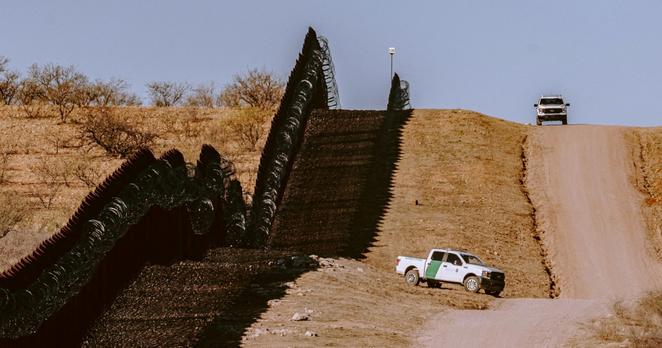
The ban stems from a proclamation President Donald Trump issued on Jan. 20, 2025, declaring an "invasion" at the southern border. Under the order, anyone crossing without required paperwork can be removed immediately without the ability to claim asylum. The policy has remained in effect while litigation continues.
The Supreme Court's ruling, due before the end of June, will be the final word on the administration's assertion of presidential power over asylum claims. The asylum dispute is the third significant case on Trump's immigration policies that the court is considering. The justices will also weigh the administration's efforts to deport immigrants to "third countries" and to detain indefinitely thousands of people in deportation proceedings.
Solicitor General D. John Sauer argued in court papers that the president has sweeping authority to bar entry under the Constitution and federal immigration laws. He wrote that the policy "rests on a commonsense understanding of the President's inherent and delegated powers to exclude aliens." Sauer pointed to a law allowing the president to restrict entry of anyone he deems "detrimental to the interests of the United States."
Federal attorneys say years-long processing times had previously contributed to an influx of migrants at the southern border. They note that many were released into the country while awaiting a decision. The administration argues it can categorically deny asylum to migrants covered by the order and should not have to accept applications destined to be rejected.
The ban was challenged by 13 unnamed plaintiffs and three immigration groups. Lawyers at the American Civil Liberties Union argue it flouts the Immigration and Nationality Act, which requires individual "credible fear" assessments. They wrote that the president "may not invent by fiat a new removal system that eviscerates the protections Congress mandated by statute."
Federal law gives people the right to seek asylum if they fear persecution, regardless of how they arrived. The executive branch decides whether to grant asylum, which allows people to live and work legally in the U.S. But those decisions are supposed to be made on an individual basis, immigration attorneys argue.
Immigration attorneys at the ACLU and National Immigrant Justice Center counter that border crossings were already falling before Trump took office. They say the law does not allow the president to unilaterally stop people from even applying for asylum.
In July 2025, U.S. District Judge Randolph Moss ruled against the administration. He said nothing in the Constitution or immigration law grants the president authority to replace the comprehensive rules in the Immigration and Nationality Act. The U.S. Court of Appeals for the District of Columbia Circuit upheld that ruling in April, leading the administration to seek Supreme Court review.
The court has handled a steady stream of Trump-related immigration cases since his first term. It upheld his travel ban on people from mostly Muslim-majority countries then. In June, the court blocked Trump's executive order seeking to limit birthright citizenship.