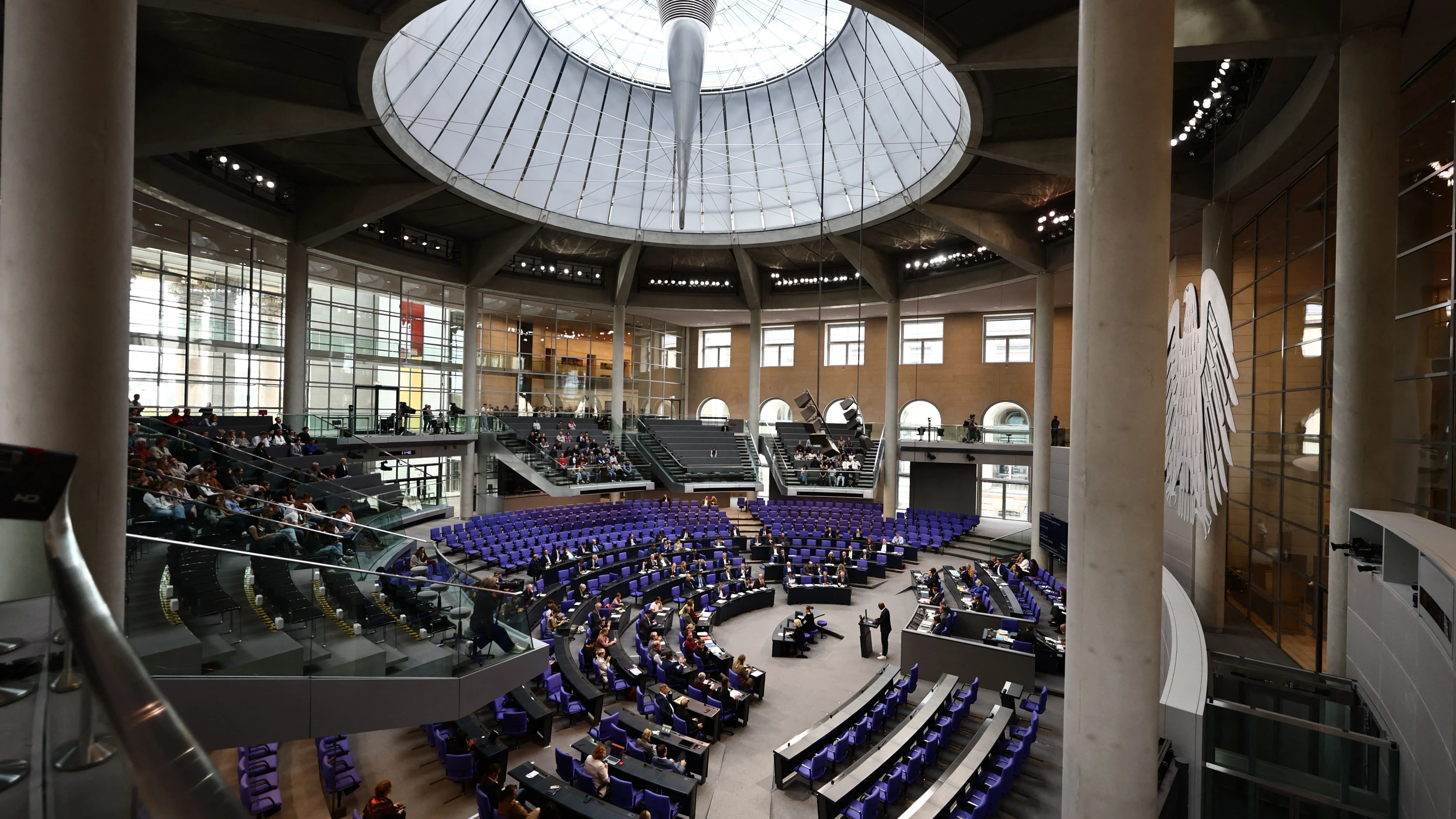
The German Bundestag approved a gradual increase in tobacco taxes on Thursday, raising the price of a 20-cigarette pack from the current average of €8.05 to nearly €12 by 2030. The measure, backed by the governing coalition of Union and SPD, will see intermediate price hikes to €9.10 in 2027, €9.91 in 2028, and €10.81 in 2029, with the final step reaching €11.78 in 2030. The tax hike also applies to rolling tobacco, cigars, pipe tobacco, and e-cigarette liquids, which will rise from 38 cents to 44 cents per milliliter by 2030.
The federal government projects additional revenue of around €12 billion over four years, citing fiscal consolidation and public health as justification. According to the German Cancer Research Center, 131,000 people died in Germany in 2023 from tobacco-related illnesses. Health experts argue higher prices effectively deter smoking.
The tobacco industry warned of a potential surge in illegal cigarette trade, with Jan Mücke, managing director of the Federal Association of the Tobacco Industry, stating that past steep tax increases led to more cross-border purchases and black-market activity. Coalition lawmakers acknowledged the risk but emphasized stronger customs enforcement and called for EU-wide harmonization of tobacco taxation to curb cross-border trade.
The legislation now moves to the Bundesrat, where approval is expected, as no objections have been signaled. The upper house is set to vote on Friday.