
Hungary's government moves to remove President Sulyok in constitutional purge
Story Timeline
3 months · 11 summary articles
Hungary’s newly elected Prime Minister Péter Magyar announced on Monday that his government will initiate a constitutional amendment to remove President Tamás Sulyok from office, marking the most dramatic step yet in a sweeping campaign to dismantle the institutional legacy of former Prime Minister Viktor Orbán.
Speaking in parliament, Magyar said the government will table a constitutional change that would terminate Sulyok’s mandate by mid-July, describing the move as part of “Operation Cleansing Fire,” a broader anti-corruption drive targeting Orbán-era officials. The prime minister also unveiled plans to draft a new constitution this autumn, to be put to a national referendum, and to establish a National Bureau for Asset Recovery to reclaim allegedly embezzled public funds. “There is no point in recovering stolen property if puppets who failed to prevent theft remain in power,” Magyar told lawmakers .
Magyar’s Tisza party secured at least a two-thirds majority in April’s parliamentary elections, giving it the constitutional power to push through such changes. The proposed amendment would take effect within days of parliamentary approval, according to draft legislation published on the government’s website. It would also strip the presidency of its remaining discretionary powers, centralising authority in the hands of the prime minister and the legislature .
The announcement drew immediate criticism from opposition figures, who accused the government of staging a constitutional coup. The nationalist Mi Hazánk party called the move an “unconstitutional purge,” while the Fidesz-KDNP caucus accused Magyar of abusing his mandate. Fidesz lawmaker Gergely Gulyás said the government’s proposed 12-year term limit for MPs would not apply retroactively, sparing senior Fidesz figures like János Lázár and Péter Szijjártó from immediate disqualification .
Magyar also signalled plans to restore the Constitutional Court’s full jurisdiction, reversing a 2011 Fidesz reform that had limited its powers after it struck down key Orbán-era laws. The prime minister framed the entire package as a restoration of democratic norms, though critics argue the reforms concentrate power in the hands of a single party. The government has invited public consultation on the new constitution, with a referendum expected before the end of the year .
The moves come as Magyar’s government faces pressure to deliver on its anti-corruption promises, with the prime minister vowing to expose what he calls the “Orbán mafia” that allegedly looted state resources over the past decade. The National Bureau for Asset Recovery, slated to launch this autumn, will target high-profile cases of alleged embezzlement, including overpriced state contracts identified since the Tisza party took office .
Follow us for live European news
- 2
- 2
- 1
- 1
- 1
- 1
- 1
- 1
- 1
2 further sources not geolocated
Articles

Magyar unveils reform plans to write new constitution, oust top Orbán appointees The Hungarian prime minister spoke for nearly an hour about the "mafia" that had overtaken the country during his predecessors time in office.
politico.eu · 2 months ago
A Fidesz–KDNP-frakció fele kereshet majd munkát a ciklus végén a kormány alkotmánymódosítása miatt 12 éves korlátozással Gulyás Gergely, Lázár János és Szijjártó Péter sem lehetne többet képviselő.
444.hu · 2 months ago
Polt Péterrel együtt négy alkotmánybírót cserél le egy csapásra a Tisza Polt megy, Hende Csaba marad. Egy ötödik alkotmánybíró is távozik, mert lejár a mandátuma.
444.hu · 2 months ago
Gulyás Gergely szerint a Magyar Péter által bejelentett 12 éves parlamenti mandátumkorlátozás nem visszamenőleges hatályú A miniszterelnök beszédéből a Fidesz frakcióvezetője szerint az ellenkezője következett, de elolvasta az azóta megjelent tervezetet is.
444.hu · 2 months ago
Tisztítótűz és vagyonvisszaszerzés – Magyar Péter a 444-en Miután a parlamentben jelentette be a Tisztítótűz művelet elindítását, a miniszterelnök élőben válaszol kérdéseinkre.
444.hu · 2 months ago
Magyarova vláda se pustí do odvolání prezidenta Sulyoka. Premiér chce odstartovat i ústavní reformu Maďarský premiér Péter Magyar v pondělí v parlamentu oznámil, že jeho vláda se rozhodla dosáhnout odchodu prezidenta Tamáse Sulyoka z funkce ústavním dodatkem. Uvedl také, že v září začne příprava komplexní reformy ústavy, do které se má podle představ nové vlády zapojit celá společnost. Následně bude návrh ústavy předložen občanům ke schválení v referendu, uvedl podle agentur.
irozhlas.cz · 2 months ago
Vláda schválila plán pro duševní zdraví, předložil ho Babiš a Protopopová Vláda schválila Národní akční plán pro duševní zdraví na roky 2026 až 2030. Materiál na vládu předložil předseda vlády Andrej Babiš (ANO) a národní koordinátorka politiky duševního zdraví Dita Protopopová, vyplývá ze zveřejněných výsledků pondělního jednání. Česko má už nyní takový dokument pro duševní zdraví na roky 2020 až 2030, tehdejší Babišova vláda ho přijala v říjnu 2019.
irozhlas.cz · 2 months ago
Președintele Ungariei va fi înlăturat printr-un amendament constituțional Premierul ungar Peter Magyar a anunţat luni că guvernul său va iniţia înlăturarea preşedintelui Tamas Sulyok printr-un amendament constituţional şi că va lansa o reformă constituţională în toamna acestui an, transmit MTI şi Reuters, preluate de Agerpres.
digi24 · 2 months ago
Magyar: A vagyonvisszaszerzési hivatalt egyetlen kérdés érdekli és vezetőinek 24 órás védelem jár majd A miniszterelnök szerint az új hivatalt nem fogja érdekelni, ki milyen párthoz tartozik, vagy hogy ki milyen tisztséget visel vagy viselt. A hivatal vezetőinek korlátlan támogatást ígért Magyar Péter.
hvg.hu · 2 months ago
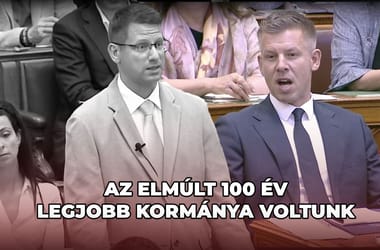
Tisztítótűzzel a NER maradéka ellen – videó a parlamenti bejelentésről és az ellenzéki válaszról Módosítják az Alaptörvényt, Sulyok Tamás megbízatása hamarosan megszűnhet, őszre létrejöhet a Nemzeti Vagyonvisszaszerzési Hivatal. A Mi Hazánk szerint alkotmányos puccs jöhet. A Fidesz kikéri magának a hangnemet. Videó a parlamentből.
hvg.hu · 2 months ago

Meglepő új stratégiát hirdetett a Hungarikum Alkusz, amely a kormányváltás után is kapaszkodik az állami ügyfelekbe Sokkolóan alacsony, ötszázalékos díjazásra vállalt kötelezettséget a Mészáros Lőrinc-féle Hungarikum Alkusz az állami és fővárosi önkormányzati ügyfelek felé. Kérdés, hogy a Tisza-kormány együttműködik-e a Fidesz-éra csókos alkuszcégével.
hvg.hu · 2 months ago
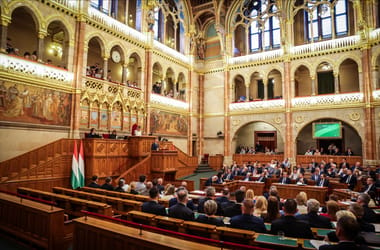
Íme a parlamenti képviselők, akik a következő választáson már nem indulhatnának az Alaptörvény tervezett módosítása miatt A Tisza Párt úgy módosítaná az Alaptörvényt, hogy aki már három teljes ciklusnyi időt kitöltött a parlamentben, újabb mandátumért ne indulhasson.
hvg.hu · 2 months ago

En Hongrie, Peter Magyar calque le discours anti-immigrés dOrban Défenseur dune ligne très ferme sur limmigration, le nouveau Premier ministre hongrois reprend, voire durcit, le ton adopté par Viktor Orban pour critiquer son action. Une réappropriation qui en inquiète certains, alors que les électeurs ont voté pour un changement de politique en lélisant, rappellent les médias locaux.
courrier international · 2 months ago

Magyar przedstawił parlamentowi plan odsunięcia prezydenta. "Najwyższa determinacja" Węgierski premier zapowiedział utworzenie Narodowego Biura Odzyskiwania i Ochrony Mienia. - Nie ma sensu mówić o odzyskiwaniu mienia, jeśli u władzy pozostają marionetki, które latami nie zapobiegały kradzieżom - powiedział Magyar. Jego zdaniem problem ten rozwiąże zmiana konstytucji.
gazeta.pl · 2 months ago
Hungarys Magyar seeks to impeach president Hungarys newly elected Prime Minister, Peter Magyar, announced on Monday that the government will initiate a process to remove President Tamas Sulyok using a constitutional amendment. Since Magyars Tisza party won at least a two-thirds majority in April, he can alter the constitution. Magyar plans to launch comprehensive measures to rid Hungary of corruption, change […]
cphpost · 2 months ago

Hungarian PM Péter Magyar has unveiled plans to write a new constitution and oust several of Hungarys top officials from his predecessor Viktor Orbáns administration — including President Tamás Sulyok.
bluesky bot · 2 months ago
Premierul ungar Peter Magyar anunță că președintele Tamas Sulyok va fi înlăturat printr-un amendament constituțional Premierul ungar Peter Magyar a anunțat luni că guvernul său va iniția înlăturarea președintelui Tamas Sulyok printr-un amendament constituțional și că va lansa o reformă constituțională în toamna acestui an, transmit MTI și Reuters, conform Agerpres. „Vom iniția încheierea mandatului președintelui în funcție, ca parte a operațiunii de epurare. A doua zi după ce amendamentele …
hotnews.ro · 2 months ago
Oda a Fidesz bosszúja: visszaadná az Alkotmánybíróság teljes hatáskörét a tiszás alaptörvény-módosítás Az Alkotmánybíróság 2011-ben megsemmisítette a Fidesz egyik leglátványosabb intézkedését, válaszul lecsapott a NER-es kétharmad, és korlátozták a testület hatáskörét. Ezt korrigálná a Tisza.
444.hu · 2 months ago
Staatsumbau: Magyar kündigt Säuberung und neue Verfassung für Ungarn an Orbans Getreue sollen gehen, eine neue Behörde spürt mutmaßlich unterschlagenen Euro-Millionen nach. Peter Magyar legt erstmals konkret dar, wie das gehen soll.
handelsblatt · 2 months ago

Közös nyilatkozatban üdvözli 36 külképviselet, hogy az új kormány nem tiltja a Pride-ot A 31. Budapest Pride előtt kiadott nyilatkozat pozitívan értékelte Magyar Péter kijelentését, amely szerint minden magyarnak helye van a nemzetben.
hvg.hu · 2 months ago
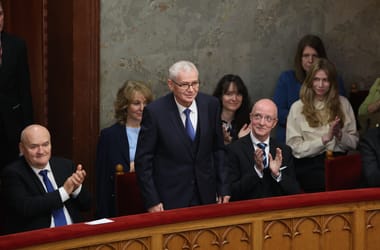
Összeszedtük, kiket érint a Tisza Ab-reformja: Polt Péteren kívül még hárman vannak, köztük Lomnici Zoltán Az Alkotmánybíróság 15 tagjának többsége, 11 fő 1960 és 1977 között született, tehát nincs még 70 éves.
hvg.hu · 2 months ago
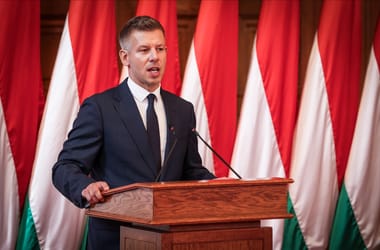
Magyar Péter: A rendelkezésemre álló információk szerint a legfőbb ügyésznek hamarosan le kell mondania A többek között Sulyok Tamás államfő és más tisztségviselők elmozdítását célzó törvénymódosítások, valamint a „Tisztítótűz művelet néven bejelentett, a vagyonvisszaszerzési hivatalt is létrehozó, a „Fidesz-maffia elleni intézkedéssorozat részleteit ismertette Magyar Péter miniszterelnök.
hvg.hu · 2 months ago
Hungarys Magyar makes push to remove president Peter Magyar announced plans to remove President Tamas Sulyok through a constitutional amendment as part of a broader programme of political and institutional reform.
intellinews · 2 months ago
📰 Magyar unveils reform plans to write new constitution, oust top Orbán appointeesThe Hungarian prime minister spoke for nearly an hour about the "mafia" that had overtaken the country during his predecessors time in office. #UKNews #Europe
mastodon bot · 2 months ago
Magyar Péter: Sulyok Tamás július 20. körül már nem lesz államfő Újra itt a hétfő, parlamenti adok-kapok várható.
444.hu · 2 months ago

Itt az alaptörvény-módosítás, mellyel Sulyok Tamást eltávolítaná a kormány Tisztítótűz művelet néven intézkedéseket jelentett be Magyar Péter miniszterelnök az Országgyűlésben, ezzel egy időben a kormány közzétette honlapján azt az Alaptörvény-módosítást, amely révén elmozdítaná Sulyok Tamás államfőt a pozíciójából. A Kúria és az Országos Bírósági Hivatal vezetőinek sorsa a bírák kezében lesz, az Alkotmánybíróságnál a korhatár számít majd. Kérdés viszont, mi történik a többi politikai kinevezettel, akiket korábban szintén lemondásra szólított fel a kormányfő.
hvg.hu · 2 months ago