Student protests in France and Serbia have erupted into a cross-border movement demanding education reforms and political change, with high schoolers in France and university students in Serbia leading weeks of demonstrations.
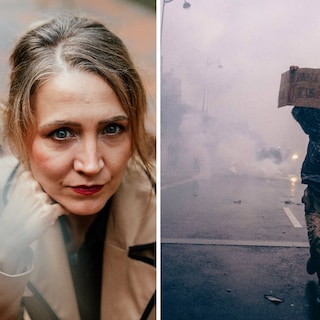
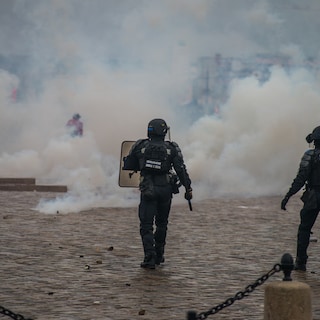
In France, the unrest began on 21 September when lycéens in Créteil blocked their school over unfilled teaching posts, sparking a national movement. Students now demand more teachers, an overhaul of the *Parcoursup* university admissions system, and emergency funding to renovate crumbling school buildings. The protests have spread to Belgium, Portugal, and Italy, with French authorities reporting 1,435 arrests and 267 injured officers during weekend clashes .
In Serbia, tens of thousands celebrated on Sunday after a student-led coalition defeated President Aleksandar Vučić’s ruling party in parliamentary elections. The victory marked a sharp break from years of authoritarian rule, though analysts warn that Vučić’s allies remain entrenched in state institutions .
The French government has responded with a €5 billion education reform package, including €1 billion for university renovations and 15,000 additional university places, and pledged to replace *Parcoursup* by 2028 . Meanwhile, Serbia’s new student-backed leadership faces the task of dismantling Vučić’s political network while defining its stance on issues like EU integration and relations with Russia .
Climate activist Greta Thunberg joined a protest in the Paris suburb of Seine-Saint-Denis, calling the movements a “global youth rebellion” and noting how Generation Z’s digital connectivity has linked struggles across continents . Political analyst Boris Gobil wrote in *Le Monde* that while 1968’s protests were driven by revolutionary optimism, today’s youth face economic, ecological, and political uncertainty, uniting them in frustration over unheard demands and police repression .