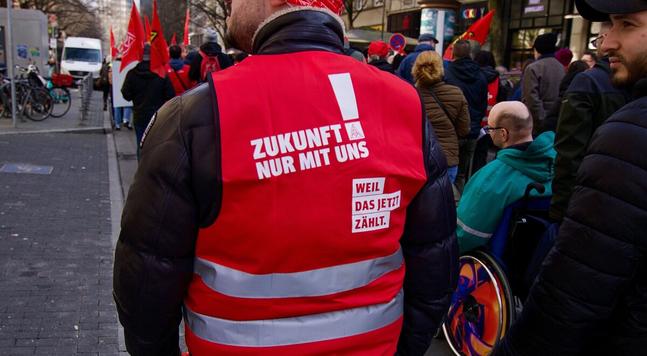
IG Metall, the German metalworkers' union, has called for all-day warning strikes on Friday across Germany's metal and electrical industry, escalating a wage dispute that has already seen nearly half a million workers walk out.
The union announced the action on Thursday, with a first wave planned for Friday at a three-digit number of companies across all regions, including auto supplier ZF in Rhineland-Palatinate. Member votes in the targeted plants showed around 90 percent approval. These are the first all-day warning strikes since 2018, when roughly 500,000 workers in 250 companies stopped work for full days.
The dispute centers on pay: IG Metall is demanding around 5 percent, while employers have offered 1.3 percent, effective only after 20 months. The third negotiation round failed, and the union frames the conflict as a fight over distributing the costs of the crisis, inflation and rearmament.
Employers have responded with threats to relocate. Mercedes stopped all investments at German sites and is reviewing which locations it can still afford, with Eastern Europe under consideration, according to labor director Britta Seeger. Schaeffler is cutting 3,400 jobs and Volkswagen is negotiating comprehensive reductions. Employers' association Gesamtmetall's president Udo Dinglreiter called the strike decision unnecessary and harmful.
The metal and electrical industry employs around 3.9 million people and generated about 1.5 trillion euros in revenue in 2023, accounting for 68 percent of manufacturing value added. The outcome will set standards for 2027, when contracts for 7.5 million workers are due for renegotiation.
During the all-day strikes, workers receive strike pay from the union—for example, 700 euros per week for members of more than five years earning 5,000 euros monthly gross—while employers pay no salary. The action is the last escalation step before a ballot on an indefinite strike.