A leak of 15.6 million internal documents reveals Deutsche Bank processed hundreds of millions of dollars in suspicious transactions for Jeffrey Epstein, Donald Trump and sanctioned Russian oligarchs.
The files include nine million emails and internal reviews from the early 2010s onward. Two whistleblowers provided the trove. More than 230 journalists from the Financial Times, Le Monde and Der Spiegel analyzed it.
The documents show Deutsche Bank filed 21 suspicious activity reports covering roughly 3,000 transactions linked to American financier Jeffrey Epstein. The transactions totaled $581.9 million between October 2013 and May 2019.
The bank accepted Epstein as a client in 2013, five years after his Florida conviction. It rated him high-risk.
Internal warnings, including a 2017 review of transfers to Russian models, were closed without full explanation. In spring 2019, an employee issued recommendation letters for two Epstein companies to foreign banks.
The bank had announced in December 2018 its intent to end the relationship. Deutsche Bank chief executive Christian Sewing called it "a mistake that should never have happened."
The files detail dealings with sanctioned Russian billionaires including Suleiman Kerimov, Gennady Timchenko and Oleg Deripaska. In mid-2020, the bank approved a €1.1 billion transfer allegedly benefiting Kerimov.
He was already under U.S. sanctions. After 2014, Deutsche Bank moved wealthy Russian clients to Switzerland and Luxembourg. The move shielded records from the U.S. Justice Department.
By early 2022, the bank classified 59 Russian clients as its riskiest. It continued serving Sibur, where Timchenko owned 14.5 percent.
U.S. President Donald Trump's companies appear in suspicious transactions totaling more than $3 million by 2020. In 2015, his THC Baku Services received over $140,000 from Faberlex.
The firm was involved in the Azerbaijani Laundromat money-laundering scheme. In 2017, the bank mistakenly sent tax documents for 1,586 accounts to an external accounting firm.
The accounts included Trump's. The White House was not notified. Trump said, "It is illegal for them to do that."
In 2019, the bank claimed it knew nothing about Trump's ties to Russia. Deutsche Bank ended its relationship with Trump in 2021.
Deutsche Bank shares fell more than 6 percent following the reports. The bank stated the issues "date back many years." It said it has since strengthened controls.
Sewing said he is "not infallible" but defended his record. Board chairman Alexander Wynaendts said, "During my tenure, I have not seen any decision by Christian Sewing that I did not agree with."
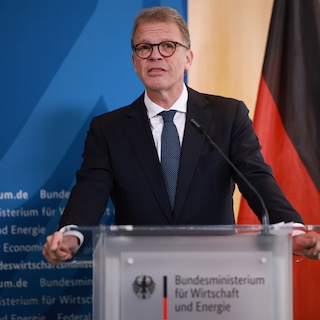
German Finance Minister Klingbeil demanded the bank clarify the matter.
European Parliament member Rasmus Andresen said, "I think the German government has a big responsibility to make sure the banks that are located in Germany are not getting into trouble."