Loading…
 Saturday, September 26Saturday, September 26
4 months · 16 summary articles
The world’s leading climate monitors are warning that the developing El Niño event could reach “moderate to strong” or even “strong to potentially unprecedented” intensity by the end of 2026, raising the prospect of record-breaking global temperatures and more extreme weather. The European Centre for Medium-Range Weather Forecasts’ Copernicus programme said every forecast model has been revised upward since 1 May, with the latest monthly outlook pointing to a high likelihood of a powerful episode. “All models have shifted to the top end of the range,” the observatory’s director told *Le Monde* .
The alert comes as May 2026 was confirmed as the second-warmest May on record globally, according to the EU’s Copernicus Climate Change Service, reinforcing a trend of accelerating heatwaves. Scientists warn that the combination of a strong El Niño and long-term climate change could push 2026 beyond 2023 and 2024 as the hottest year yet. “The planet is already in uncharted territory,” said the director of the Alfred Wegener Institute, as researchers reported a surge in icebergs off Greenland that threatens shipping lanes .
In Europe, governments and health services are bracing for a summer of extreme heat. A coalition of more than 150 German organisations has demanded systematic heat-protection measures, warning that a multi-day heat dome could cause “thousands of deaths” . In Brandenburg, the AOK health insurer reported a sharp rise in sick leave during hot spells, linking the trend to increasingly frequent 30 °C-plus days .
Meanwhile, southern Germany’s Alpine region is defying climate anxiety. Seilbahn operators in South Tyrol report record summer visitor numbers, with more than ten million people carried uphill in the first half of 2026 alone. “Skiing is not dead,” said one industry executive quoted in the *Frankfurter Allgemeine Zeitung*, pointing to year-round tourism as a hedge against warming winters .
Meteorologists elsewhere are struggling to explain erratic June weather. In Ireland, Met Éireann forecaster Linda Hughes said persistent heavy showers are the result of unstable air masses over the Atlantic, leaving summer feeling unseasonably cool and damp . Across Scandinavia, forecasters are advising umbrella-ready commuters for school-leaving ceremonies, with rain sweeping in ahead of the weekend .
Follow us for live European news
1 further source not geolocated

Wie viel Sommerferien sind genug? Eltern fordern nur sechs Wochen Unterstützung für den Vorschlag des Landesverbands der Wiener Pflichtschulelternvereine kommt von den Grünen. Die Regierung plant keine Reform, verweist aber auf die Sommerschule
der standard · 4 months ago

Eisberge vor Grönland: Forscher warnen vor instabilen Gletschern wegen Erderwärmung Infolge des Klimawandels steigt seit dem Jahr 2000 die Zahl der Eisberge vor Grönland. Die Entwicklung sei auch ein Risiko für die Schifffahrt, warnen Forschende.
die zeit · 4 months ago

Kälteeinbruch im Juni: Schafskälte bremst den Sommer aus Die Schafskälte definiert einen plötzlichen Kälteeinbruch in Mitteleuropa im Juni. Das Phänomen tritt allerdings nicht jedes Jahr auf. Aktuell hat sie Deutschland im Griff.
faz · 4 months ago
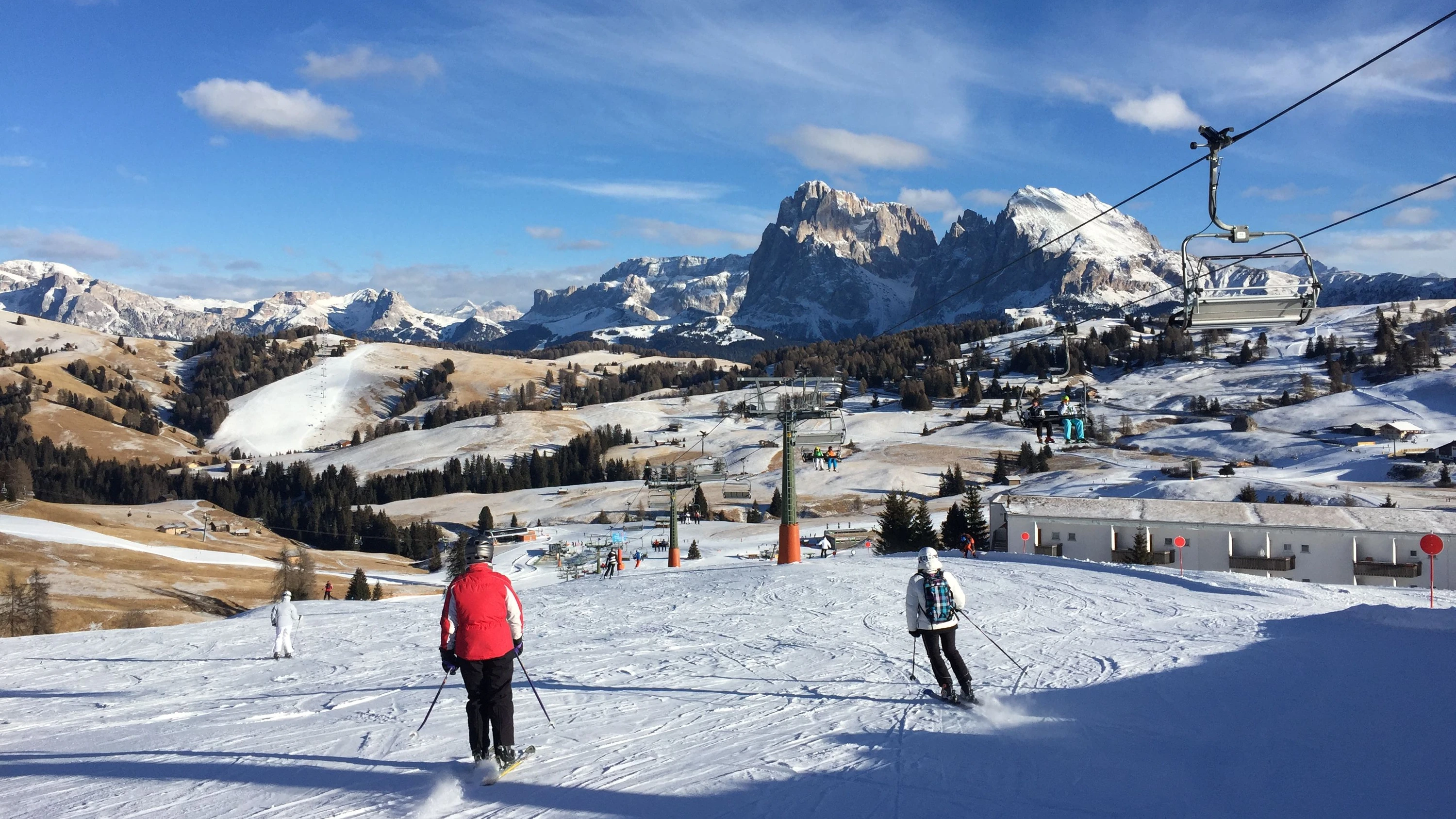
Südtirol boomt: „Skifahren ist nicht tot Von Klimaangst keine Spur: Die Seilbahnbetreiber in Südtirol sehen Wachstumspotenzial im Wintersport, auch wenn es immer wärmer wird. Inzwischen befördern sie sogar im Sommer mehr als zehn Millionen Gäste.
faz · 4 months ago
Klimawandel: Warnung vor Extremhitze
sueddeutsche · 4 months ago
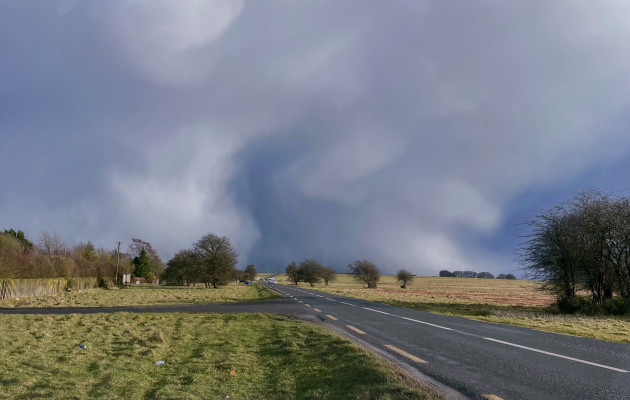
What happened to Leaving Cert weather? We asked a meteorologist about the erratic downpours Linda Hughes, a meteorologist at Met Éireann, explained why June isnt feeling very summery.
thejournal · 4 months ago
May 2026 ranks as 2nd-warmest May on record: EU monitor
gdeltproject.org · 4 months ago
May 2026 Was Second Warmest May on Record Globally, Copernicus Warns of Intensifying Heatwaves
gdeltproject.org · 4 months ago
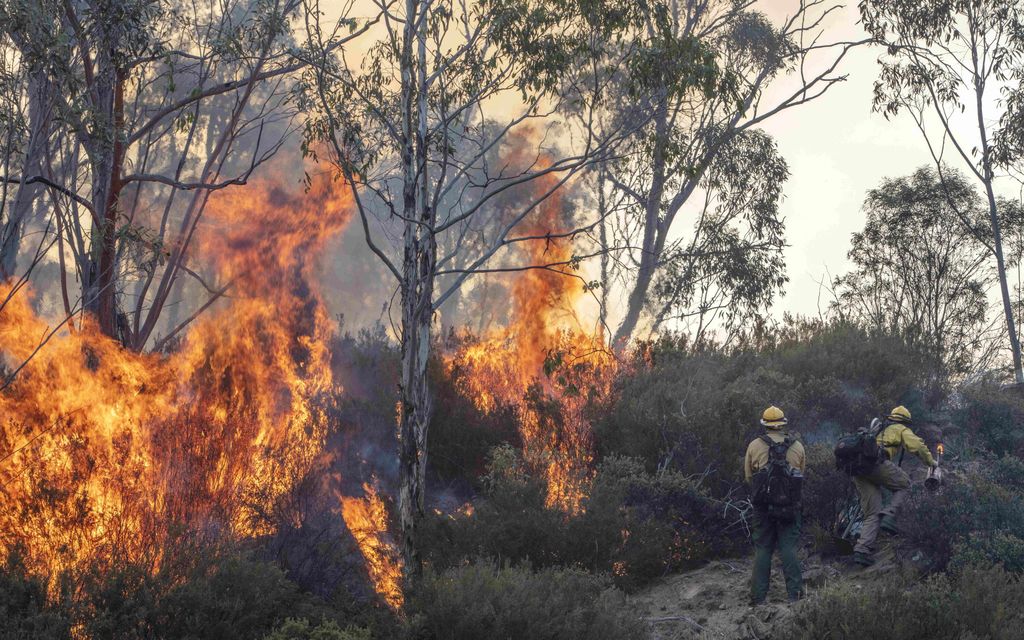
El Niño on alkamaisillaan – Meteorologilta raju povaus
iltalehti · 4 months ago
Så blir vädret på skolavslutningen – solchanser finns Regn sveper in över landet de kommande dagarna. Solchanser finns, men ska du på skolavslutning eller sommarfest kan det vara läge att ta med ett paraply.– Det är en hel del regn, säger meteorolog Kristin Sahlström.
expressen · 4 months ago
Nederlanders zijn het afgelopen jaar alleen maar somberder geworden over de toestand in de wereld
trouw · 4 months ago
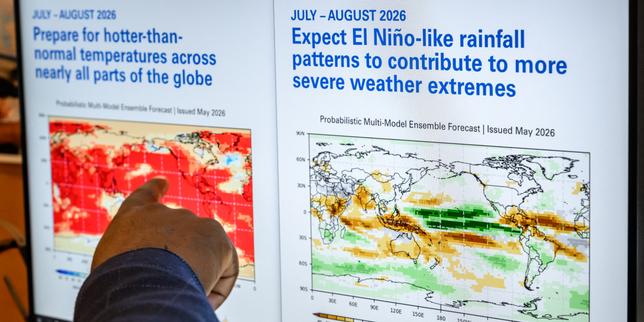
El Niño : les experts « penchent fortement en faveur dun épisode modéré à fort, ou probablement fort à potentiellement sans précédent », avertit linstitut Copernicus « Du 1ᵉʳ mai au 1ᵉʳ juin, tous les modèles ont revu leurs prévisions à la hausse », a déclaré le directeur de lobservatoire climatique européen à propos de la dernière prévision mensuelle du phénomène météorologique El Niño.
le monde · 4 months ago
Hitzeschutz in Brandenburg: Heiße Tage treiben Krankmeldungen in die Höhe Brandenburg leidet zunehmend unter heißen Sommern. Die Krankenkasse AOK warnt deswegen.
tagesspiegel · 4 months ago
Klimawandel in Deutschland: Organisationen fordern besseren Hitzeschutz Ein Bündnis aus mehr 150 Organisationen verlangt systematisch mehr Hitzeschutz. Ein mehrtägiger Hitzedom könne zu Tausenden Toten in Deutschland führen. mehr...
taz.de · 4 months ago