Oil prices surged to their highest levels in nearly six months on Friday as Middle East tensions escalated.
Brent crude futures settled at $116.72 per barrel, a 3.14% rise, while West Texas Intermediate crude climbed 3.8% to $103.27 per barrel. The gains followed reports of Houthi attacks in Saudi Arabia and an oil spill in the United Arab Emirates, heightening fears of supply disruptions. Brent posted its third consecutive weekly gain, rising 6% over the week, while WTI increased 2.3%.
Traders priced in the growing risk of renewed U.S.-Iran hostilities after The New York Times reported that Washington and Israel have drafted plans for strikes on Iran following the Nov. 3 midterm elections. President Trump has indicated he will not take action before the elections but suggested fuel prices may fall afterward. The U.S. has already ordered nonessential embassy personnel to leave Saudi Arabia after recent attacks on its airports and oil fields.
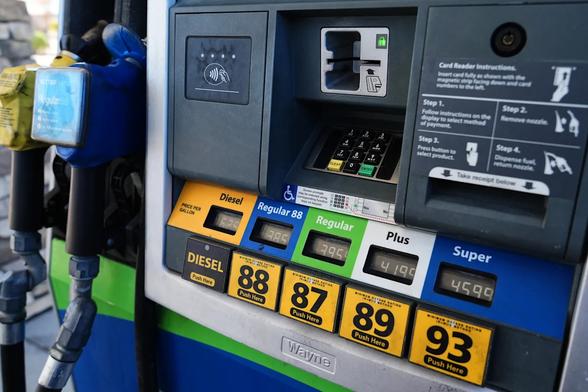
Saudi Aramco evacuated its headquarters in Dhahran this week, its first such move since the Iran war began. The national average gasoline price in the U.S. reached $4.29 per gallon, up $1.22 from a year ago, while diesel hit $6.31, a $2.68 increase. A refinery outage in Chicago is expected to push prices higher in the Midwest, with Gulf Oil’s Tom Kloza warning of $5 gasoline in Michigan, Ohio, Minnesota, Illinois, and Indiana.
In Europe, natural gas prices soared to 93.5 euros per megawatt-hour, more than triple pre-war levels, as EU storage levels began declining for the first time this heating season. Gas prices rose 7% over the week, while EU carbon prices ended the week up 1%. Dutch consumers are increasingly turning to electric heaters, with sales up 82.4% this month, as gas prices hit 1.77 euros per cubic meter.