President Donald Trump waived sweeping new sanctions against Russia late on October 16, defending the move as necessary to keep Moscow engaged in negotiations to end its war in Ukraine. The executive order suspended penalties mandated by the Lindsey Graham Act, which Trump had signed last month, and drew immediate criticism from Kyiv, U.S. lawmakers, and European allies.
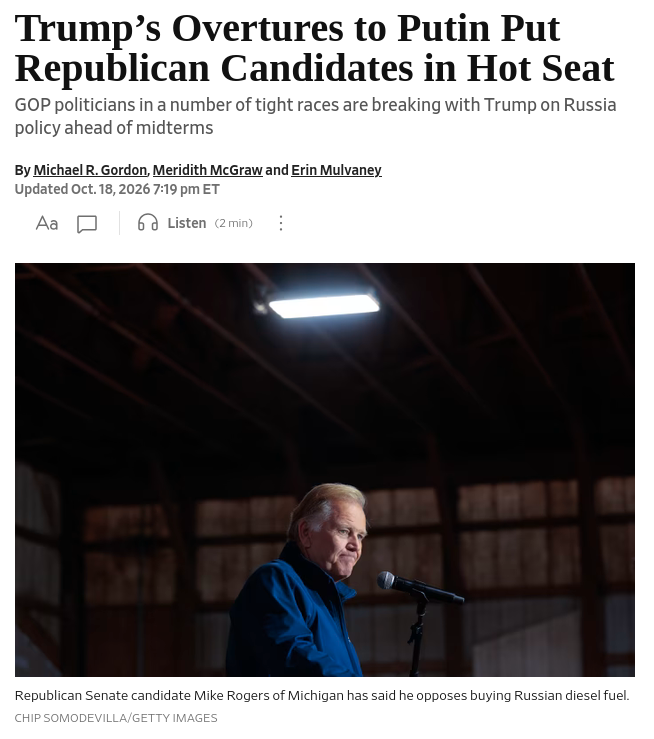
Trump framed the decision as a tactic to avoid driving Russia away from the bargaining table. “I am in the process of negotiating Peace in the war between Russia and Ukraine, and don’t want to do anything that will drive, foolishly, Russia away from the bargaining table,” he wrote on Truth Social on October 18. The waiver followed a temporary relief on Russian diesel sanctions, which Trump’s administration had granted days earlier amid rising fuel prices that have become a political liability for Republicans ahead of the November 3 midterm elections.
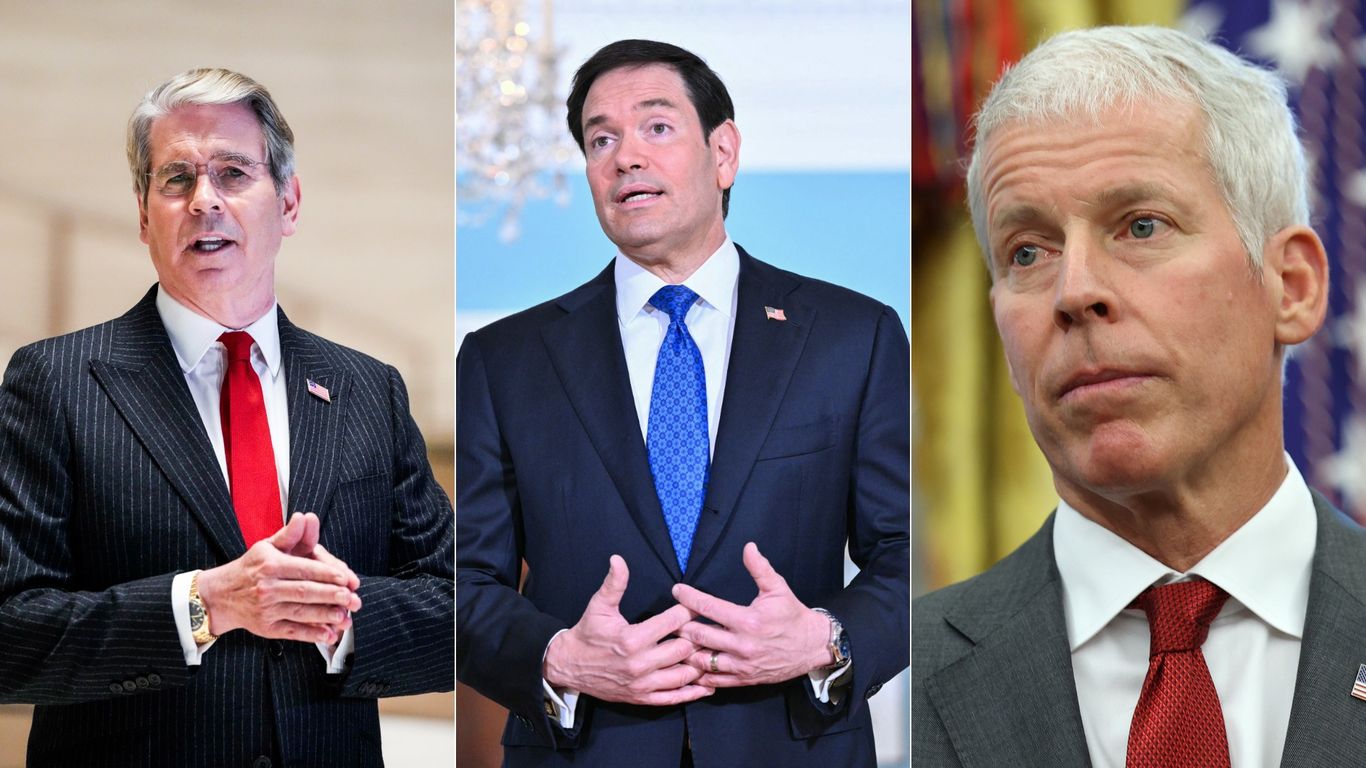
Secretary of State Marco Rubio said the 60-day pause would allow the administration to analyze the economic impact of the sanctions and tariffs, including their effect on global energy markets. “The president wants to take the 60-day period of time to sort of analyse what imposing both sanctions and tariffs will mean to the global economy and even to the U.S. economy,” Rubio told reporters on October 18. Energy Secretary Chris Wright argued the diesel deal was a “carrot” to incentivize Russia to scale back its war, claiming Moscow lacks surplus diesel to export unless it reduces military operations.
Ukrainian President Volodymyr Zelenskyy warned that easing sanctions would embolden Russia. “If the United States will take the side of Russia, of course we will not prevail,” he told NBC’s “Meet the Press” on October 18, adding that he hoped Trump would reverse the decision. Zelenskyy also confirmed that intelligence-sharing with the U.S., which Ukraine said had been interrupted earlier in the week, had since been restored.
The waiver sparked bipartisan backlash in Congress. Republican Senator Thom Tillis called it “beyond irresponsible” and a capitulation to Russian President Vladimir Putin, while Senator Rick Scott insisted the U.S. must maintain economic pressure on Moscow. Lithuanian Foreign Minister Kestutis Budrys said the deal weakens Western unity, though he noted it would not alter the EU’s stance on its own sanctions against Russia. “This latest episode is not the worst we have seen in nearly two years. But it is certainly regrettable, as it does not help achieve a coordinated sanctions policy towards Russia between Europe and the United States,” Budrys told journalists in Luxembourg on October 19.