
EU plan targets cheap EVs: BMW risks falling behind as subsidies bypass premium models
Story Timeline
3 months · 8 summary articles
BMW’s electric ambitions face fresh scrutiny as the European Union unveils a sweeping plan to subsidise small battery cars—provided they are built within the bloc—while industry analysts warn the Munich marque risks repeating the missteps of rivals Volkswagen and Mercedes. On Thursday, 18 June 2026, the European Commission confirmed proposals for a new vehicle category targeting sub-€20,000 electric models, offering purchase grants, fleet discounts and urban privileges such as free parking and bus-lane access, but only to cars manufactured in EU plants .
The initiative arrives as BMW’s latest electric SUV, the iX3, undergoes critical road-test scrutiny. Handelsblatt’s technical review, published the same day, praises the model’s bold styling and innovative drivetrain but questions whether the Bavarian firm has overreached in its push toward electrification . “Sometimes BMW has gone too far,” the newspaper concluded, highlighting software glitches and range shortfalls under real-world conditions.
A commentary in the same issue of Handelsblatt struck a more ominous note. “BMW risks a fate like VW and Mercedes,” the op-ed argued, pointing to a perceived erosion of the brand’s once-vaunted technological edge. “What once set Munich apart now looks increasingly ordinary,” it stated, citing delays in next-generation solid-state batteries and a patchy charging network compared with Chinese rivals .
The EU’s subsidy scheme, unveiled hours earlier, is designed to counter China’s dominance in affordable electric vehicles. Brussels will funnel €5 billion annually from 2027 into direct consumer rebates for cars priced below €20,000 and assembled in EU plants, complemented by tax breaks for corporate fleets that adopt the new category. Cities such as Paris, Berlin and Barcelona have pledged to reserve 10,000 free parking spaces and waive congestion charges for qualifying models starting January 2027.
Industry observers note that BMW’s current electric lineup—including the iX3—sits above the proposed price ceiling, leaving the company with limited near-term options to benefit from the subsidies. The Munich-based manufacturer has not commented publicly on the EU plan, but its shares slipped 1.8 % in Frankfurt trading on Thursday, underperforming the broader DAX index.
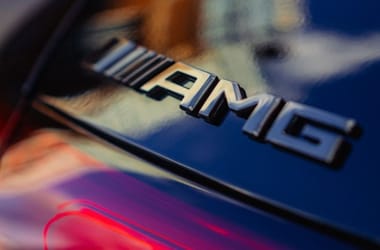
Meanwhile, rival premium marques are accelerating electrification at a faster clip. Mercedes-AMG announced 27 new models—spanning combustion and electric powertrains—within three years, signalling a full-frontal assault on performance segments where BMW has traditionally held sway .
Follow us for live European news
- 4
- 1
- 1
- 1
- 1
Articles

Fahrradmarkt: Bosch sieht Trend zu leichteren E-Bikes Bosch bringt einen Nabenmotor für E-Bikes auf den Markt und reagiert damit auf den Trend zu leichteren, urbanen Fahrrädern. Auch für den Gebrauchtmarkt gibt es eine spannende Neuerung.
tagesspiegel · 3 months ago
Kommentar: BMW droht ein Schicksal wie VW und Mercedes Lange galt BMW noch als der Lichtblick der deutschen Autoindustrie. Ihre Technologieoffenheit ließ die Münchener im Vergleich gut dastehen. Das hat sich nun geändert.
handelsblatt · 3 months ago
Handelsblatt-Autotest: Angekommen in der Zukunft – was der BMW iX3 im Test offenbart Das Design ist mutig, der Antrieb neu, und ohnehin hat sich BMW mit dem iX3 in ganz neues Terrain vorgewagt. Manchmal ist der Hersteller dabei auch zu weit gegangen.
handelsblatt · 3 months ago
Sportwagen: Ferrari testet wohl mit E-Auto Luce die Loyalität seiner Kunden Insidern zufolge könnte der Kauf des neuen Ferrari Luce für Fans des Autoherstellers ein Sprungbrett zu beliebteren Modellen sein. Ohne den Luce würden Topkunden ihren Status als solche verlieren.
handelsblatt · 3 months ago
Nagyon rákapcsol a Mercedes AMG-részlege: 27 új modell jön három év alatt Benzines és villanyhajtású fronton is támadnak.
hvg.hu · 3 months ago
EU-Plan: Günstige E-Autos durch neue Fahrzeugklasse Europa will kleine Elektroautos mit Subventionen, Flottenrabatten und städtischen Privilegien fördern - aber nur, wenn sie in der EU gebaut werden. (Auto, Elektroauto)
golem.de · 3 months ago
Aixam, la carica delle minicar. Presentata la nuova gamma 2026 – FOTO Il mondo delle minicar è cambiato parecchio negli ultimi anni, non è più soltanto il settore delle vetture per adolescenti, anche se quella resta una parte importante del mercato. Oggi dentro questo segmento entrano famiglie, adulti che cercano un mezzo compatto per la città, professionisti e aziende che hanno bisogno di muoversi in spazi stretti […] Larticolo Aixam, la carica delle minicar. Presentata la nuova gamma 2026 – FOTO proviene da Il Fatto Quotidiano.
il fatto quotidiano · 3 months ago
Die Wahrheit: Post für Sie! Ab 1. Juli erhebt die EU eine Pauschalgebühr von 3 Euro auf Sendungen unter 150 Euro aus Nicht-EU-Ländern. Dieses Gedicht hier ist umsonst. mehr...
taz.de · 3 months ago
Jungheinrich prináša nové čelné elektrické vysokozdvižné vozíky EFG 2/2i a 3/3i S novou sériou EFG 2/2i a 3/3i uvádza Jungheinrich na trh ďalšiu generáciu svojich úspešných elektrických vysokozdvižných vozíkov.
aktuality.sk · 3 months ago

Toyota Hilux und die Kompetenz auf dem Spielplatz Zwischen milde Sorte und Saubermann: Die neunte Generation des Toyota Hilux präsentiert sich als Brüderpaar, mit Diesel-Mildhybrid und vollelektrisch
der standard · 3 months ago