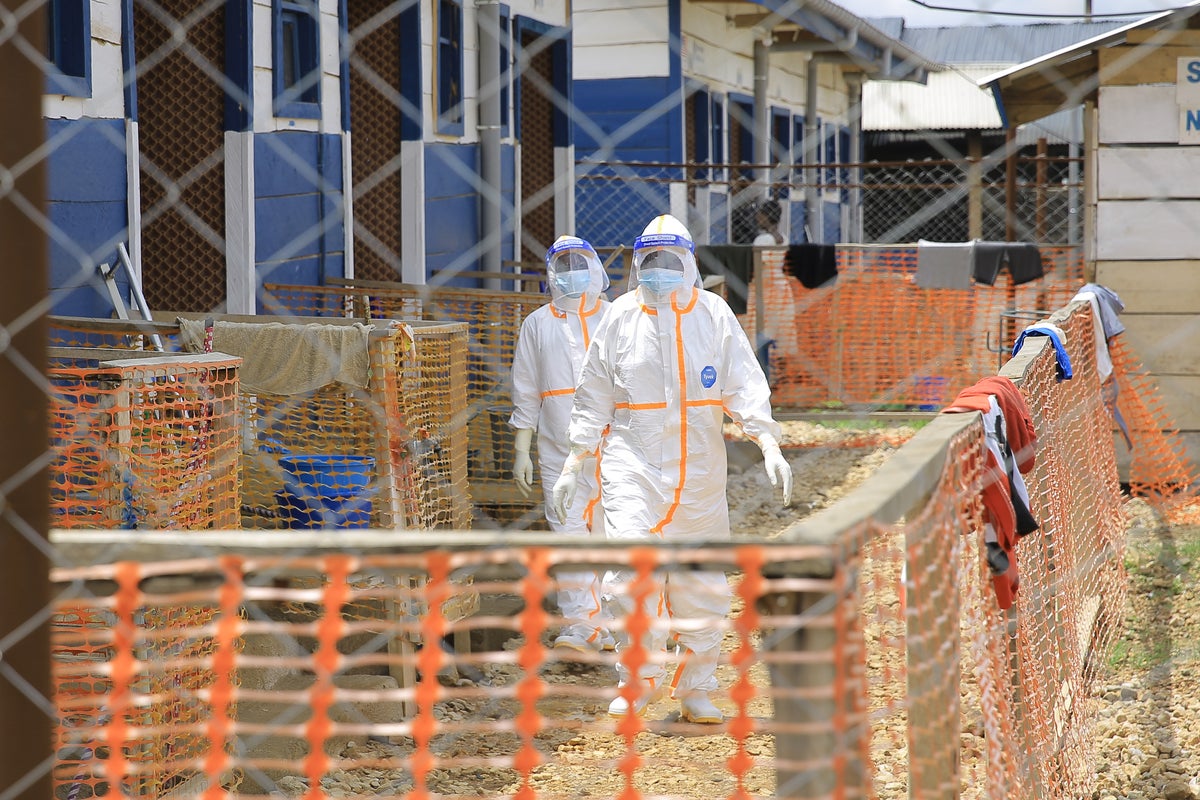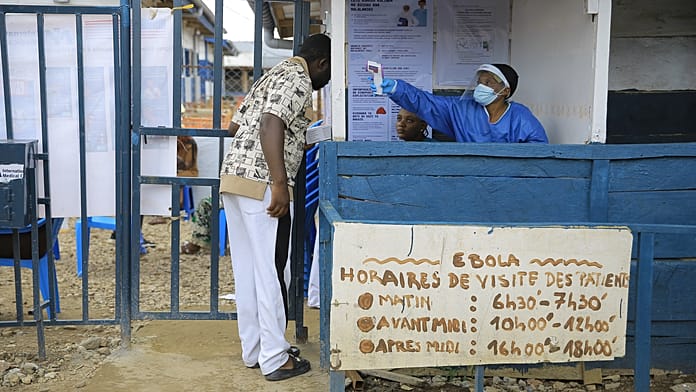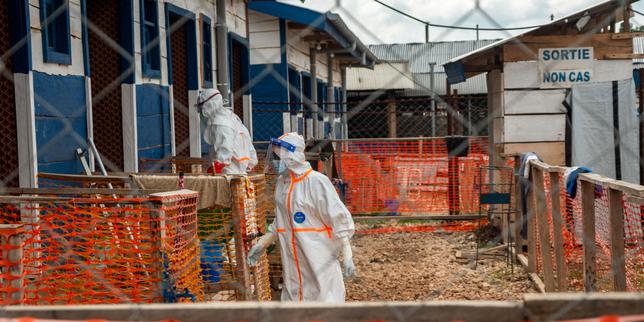
A British healthcare worker in the Democratic Republic of Congo has tested positive for Ebola and is being medically evacuated to the UK for specialist treatment.
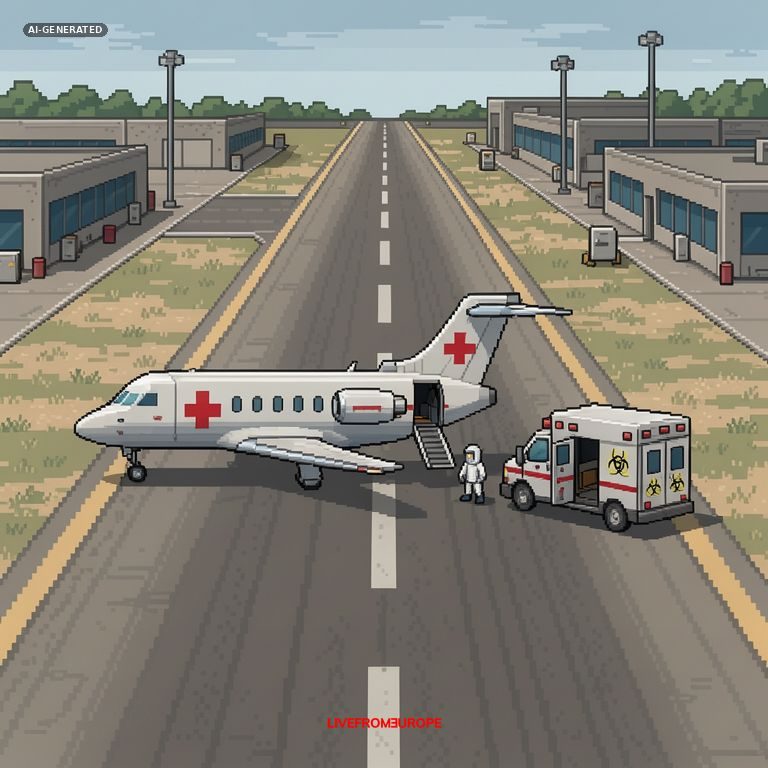
The patient, who was sent to Congo by a humanitarian organisation to support the outbreak response, is in a stable condition and is expected to arrive in Britain by Thursday. An official document seen by Reuters shows the patient will be transferred by specialist ambulance to a high-consequence infectious disease unit, such as the one at the Royal Free hospital in London.
The case is the first involving a British national in the current outbreak, which the DRC declared on 15 May. The outbreak has surpassed 10,000 cases with more than 5,300 deaths across the DRC, Kenya, Uganda and Nigeria. It is caused by the rare Bundibugyo strain, for which there is no approved vaccine or treatment.
The DRC's outbreak is the second-largest on record. Since the outbreak started, patients have been medically evacuated to Switzerland, Germany, the Netherlands and France for specialised care.
British authorities say the risk to the UK public remains low. The NHS has procedures in place to manage suspected and confirmed infections, and only four confirmed cases have been recorded in Britain since 1976, according to the UK Health Security Agency. NHS statistics show Ebola has never been spread from person to person in the UK.
On Monday, the World Health Organization approved clinical trials for two new vaccines designed specifically for the Bundibugyo virus. The vaccines were developed by the University of Oxford with the Serum Institute of India and by Moderna, and the trial will be led by the DRC's National Institute for Biomedical Research. Results are expected in early 2027.
Dr Jean Kaseya, director general of the Africa Centres for Disease Control and Prevention, warned that Ebola could spread like Covid-19 and reach the UK if countries do not take action. "We want all countries to know that they are not safe if they don't take appropriate measures," he said. "It is the first time three African regions have been affected," he added.