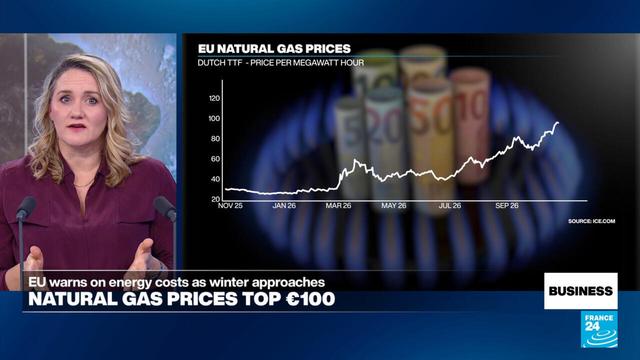
European natural gas prices surged above €100 per megawatt-hour for the first time since 2022 on Wednesday.
The Dutch TTF futures contract, Europe’s benchmark, rose over 4 percent to 100.45 euros per MWh around 1455 GMT, driven by fears of escalating Middle East conflict and the need to refill reserves before winter. Analysts linked the spike to concerns that the United States could launch strikes on Iran after next week’s midterm elections, risking retaliation against Gulf energy infrastructure. Liquefied natural gas exports from the region remain limited, according to Global Risk Management’s Arne Lohmann Rasmussen, who added that lower wind and solar generation forecasts also increased gas demand .
European gas storage levels stood at roughly 72 to 75 percent capacity, below the 80 percent target set by EU regulations for November. Only Latvia, Poland, and Austria have met or exceeded that threshold, with Germany’s reserves at 61 percent and Austria’s at 67.8 percent, according to the European gas storage platform AGSI .
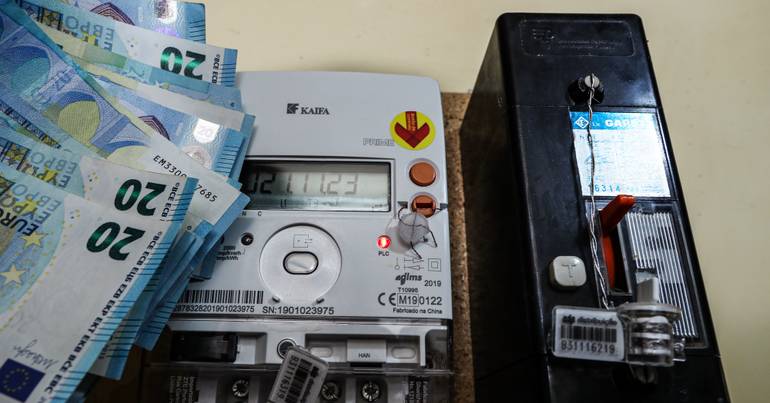
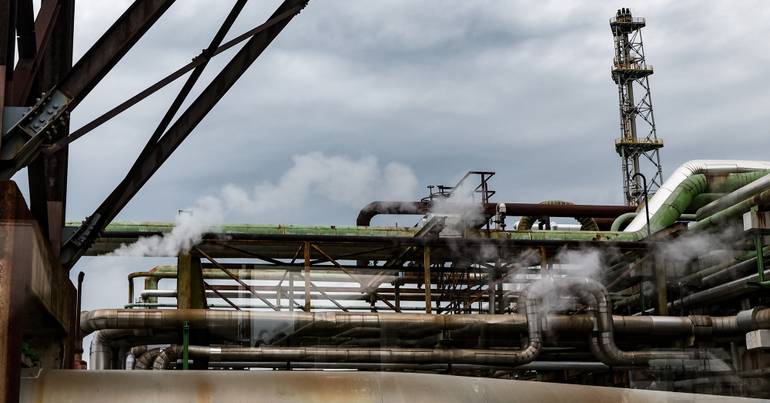
The price surge follows a months-long climb: front-month TTF futures exceeded €97 per MWh on 23 October, and the benchmark reached €97.64 on 26 October. While prices remain far below the 2022 peak of €345 per MWh, the current level is already pressuring households and energy-intensive industries. Some chemical, fertilizer, and steel producers have reduced output, and analysts expect higher consumer bills in 2027 as wholesale costs feed through .
EU Energy Commissioner Dan Jørgensen warned on Wednesday that Europe faces “another energy crisis” and a difficult winter, hours before prices crossed the €100 threshold .