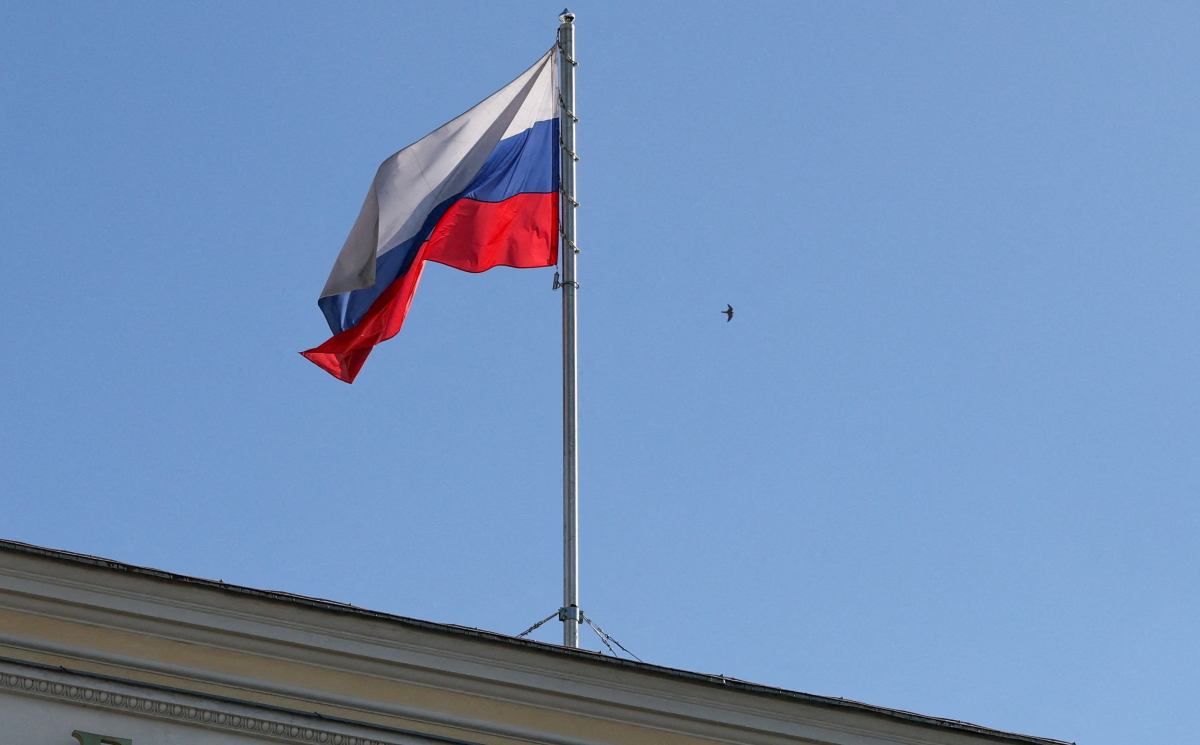
Lithuania has categorically denied Russian claims that drones attacking the Kaliningrad exclave used Lithuanian airspace, stating it never authorized flights for attacks on Russia.
On Saturday evening, Kaliningrad Governor Aleksei Besprozvannykh said a drone warning system in the Nemansky district near the Lithuanian border reacted to a "suspicious object flying from Lithuania." Operations at Khrabrovo airport were temporarily restricted. Ukrainian Telegram channel Exilenova+ reported "numerous explosions and sounds of drone attacks" in Baltiysk, a port city housing Russia's Baltic Fleet base. Civilian and military authorities in Kyiv did not comment on the reports. [1]
Lithuanian Foreign Minister Kestutis Budrys rejected the allegations on X. "Lithuania has never consented to the use of its airspace for attacks on targets in Russia, including in this case," he wrote. The National Crisis Management Center confirmed that air forces detected no drones over Lithuania, and its head Vilmantas Vitkauskas said no objects crossed the border from the Lithuanian side. He noted the night of 21-22 November was one of the calmer ones regarding airspace violations. [2])
Ukrainian military expert Oleksandr Kovalenko suggested the incident could be a Russian provocation intended to justify aggression against a European neighbor. He noted that Russian Telegram channels claimed at least six drones were shot down but offered no credible photographic or video evidence. Kovalenko also questioned the strategic logic of striking Baltiysk. "What was the point? Why take so much trouble to hit a naval base of no great importance when more important targets are within range?" he wrote. [3]
Analyst Jan Matwiejew, associated with the late Russian opposition leader Alexei Navalny's circle, also raised the possibility of a staged Russian attack. "I can easily imagine a purely Russian provocation — an attack on its own territory, arranged to blame Europe," he wrote. Polish Deputy Minister of Digitalization Paweł Olszewski cited false disinformation claims circulating online, including that NATO attacked Kaliningrad and that Lithuanians and Poles were attacking Russia with Ukrainian missiles. Kaliningrad authorities separately called a photograph of an alleged explosion in Baltiysk a fake, and some footage circulating online was later deemed inauthentic. [4])