
Israel defies Trump ceasefire warning with fresh Lebanon strikes
Story Timeline
4 months · 11 summary articles
Israel resumed airstrikes on southern Lebanon on Tuesday, killing at least eight people in the coastal city of Tyre, despite a 15-hour pause in hostilities with Iran and a direct warning from US President Donald Trump to halt military operations. The strikes, which targeted the Jabal al-Rihan area and the outskirts of Tyre, came just hours after Israel and Iran declared a conditional ceasefire following a direct exchange of missile strikes on Monday. The Lebanese Health Ministry confirmed the casualties, while the Israeli military (IDF) stated it was targeting Hezbollah positions in response to what it called "ongoing threats" from the group.
The resumption of strikes threatens to derail Trump’s push for a lasting ceasefire and final peace negotiations, which he framed as imminent on Monday. Trump, who has positioned himself as the architect of a potential deal, warned Israeli Prime Minister Benjamin Netanyahu against escalation, telling reporters on Tuesday, “I decide everything. He doesn’t decide.” The US president also accused Iran of violating the truce by firing two missile salvos at Israel earlier in the day, a claim Tehran has not publicly denied.
The escalation underscores deepening divisions between Washington and Tel Aviv. Analysts suggest Netanyahu’s defiance of Trump’s ceasefire demands reflects Israel’s growing confidence in its military posture, even as it faces mounting international pressure. IDF Chief of Staff Eyal Zamir warned on Tuesday that Iran’s attempts to “set equations” would fail, adding that Israel’s strike on Iran was merely a “preparation for a much more significant and heavy blow.” Meanwhile, Hezbollah framed Iran’s retaliatory strikes as a show of support for Lebanon’s ceasefire, describing them as a “message of moral and political commitment” to Beirut.
The crisis has also exposed fractures within the US-Israel alliance. Trump’s threat to isolate Israel over escalation—echoed by regional experts like Moshe Zimmermann, who warned of Netanyahu’s potential “isolation”—highlights the strain between the two leaders. In a symbolic move, $3 billion in Iranian assets were transferred from Abu Dhabi to Tehran on Tuesday, reportedly in exchange for Iran halting attacks on Israel and Israel ceasing strikes in Lebanon—a deal brokered by a Qatari delegation.
With the Houthis in Yemen declaring a blockade on Israeli maritime traffic in the Red Sea and Iran’s Supreme Leader Ayatollah Khamenei vowing to respond to any further aggression, the risk of a broader regional war remains acute. The IDF’s Lt. Gen. Herzi Halevi reiterated on Tuesday that Israel was “fully prepared” to respond forcefully to any threats, signaling that the lull in fighting may be short-lived.
Follow us for live European news
- 3
- 3
- 3
- 2
- 1
- 1
- 1
- 1
- 1
- 1
- 1
- 1
Articles

"EUA são os únicos capazes de controlar Israel" Jorge Rodrigues afirma que Trump marcou uma posição para não ser arrastado pela estratégia de Netanyahu e conseguiu travar o caos. O coordenador de risco geopolítico antevê uma escalada russa.
observador · 4 months ago

Trumps utspel mot Netanyahu: Det är jag som bestämmer Israels premiärminister Benjamin Netanyahu lovade Donald Trump halvhjärtat att inte attackera Iran. Nu trappar retoriken upp mellan de två ledarna.– Jag bestämmer allt. Han bestämmer inte, säger Trump.
expressen · 4 months ago
Berlin / Brandenburg: Israelische Armee: Iran feuert Raketen in Richtung Israel Israelische Armee: Iran feuert Raketen in Richtung Israel
tagesspiegel · 4 months ago
Berlin / Brandenburg: Rundfunk: Iran meldet zwei Raketensalven auf Israel Rundfunk: Iran meldet zwei Raketensalven auf Israel
tagesspiegel · 4 months ago
Hezbollah: Iran strikes aimed to uphold Lebanon ceasefire Hezbollah said on Tuesday that Iranian missile strikes against Israel were intended to pressure Tel Aviv into abiding by the Lebanon ceasefire agreement, describing the attack as a message of moral and political commitment toward Beirut that coincided with support from Yemens Houthi group as part of joint efforts to deter Israel.
yenisafak · 4 months ago

Nathan Shachar: Irans ledare är inte längre rädda för Israel och USA Hjälp är på väg! lovade Donald Trump Irans demokratiaktivister, strax innan USA och Israel attackerade Iran den 28 februari. Men det gick tvärtom: Irans regim, inte dess folk, gynnades och de som anföll Iran har skadat sin egen sak svårt.
dagens nyheter · 4 months ago

Lescalade Iran-Israël consacre un nouvel équilibre des forces au Moyen-Orient Si Benyamin Nétanyahou affirme que Téhéran et le Hezbollah ont été affaiblis à lissue de la dernière confrontation, plusieurs observateurs en Israël estiment au contraire que celle-ci a consacré une nouvelle réalité stratégique : un Iran plus audacieux et une dépendance israélienne aux États-Unis désormais difficile à dissimuler.
courrier international · 4 months ago
Liban : face aux dommages causés par Israël, lUnesco appelle à un plan durgence Après une réunion des Etats membres de lagence onusienne organisée lundi soir, un soutien financier a été demandé pour préserver laccès à léducation, à la culture et au patrimoine du pays bombardé par Tsahal. La France a promis une enveloppe de 200 000 euros.
liberation · 4 months ago
Buch über Muslimbrüder warnt vor „Libanonisierung der Städte [premium] Die Muslimbruderschaft steht in Österreich wieder verstärkt im Fokus von Politik und Sicherheitsexperten. Ein neues Buch analysiert die Strategien sowie die Stärke der Organisation – und zeigt auf, welche Gegenmittel Staat und Gesellschaft ergreifen können.
die presse · 4 months ago

So viele zwischenstaatliche Konflikte wie 2025 gab es seit dem Zweiten Weltkrieg nicht Gewalt gegen Zivilisten stieg dramatisch an, besonders im Sudan. Seit Beginn des Ukrainekriegs starben wohl mehr als 300.000 Menschen auf beiden Seiten
der standard · 4 months ago
Tote bei israelischem Angriff auf Südlibanon Die Zeichen im Nahen Osten stehen erneut auf Eskalation: Nachdem am Montag der Iran und Israel angekündigt hatten, ihre Kampfhandlungen einzustellen – geknüpft an viele Bedingungen –, hat am Dienstag Israel die südlibanesische Küstenstadt Tyros angegriffen. Das libanesische Gesundheitsministerium meldete mehrere Tote. Bisher ist unklar, wie der Iran reagieren wird. Ein baldiges Kriegsende wie von US-Präsident Donald Trump in Aussicht gestellt wird mit der neuen Konfrontation noch unwahrscheinlicher.
orf.at · 4 months ago
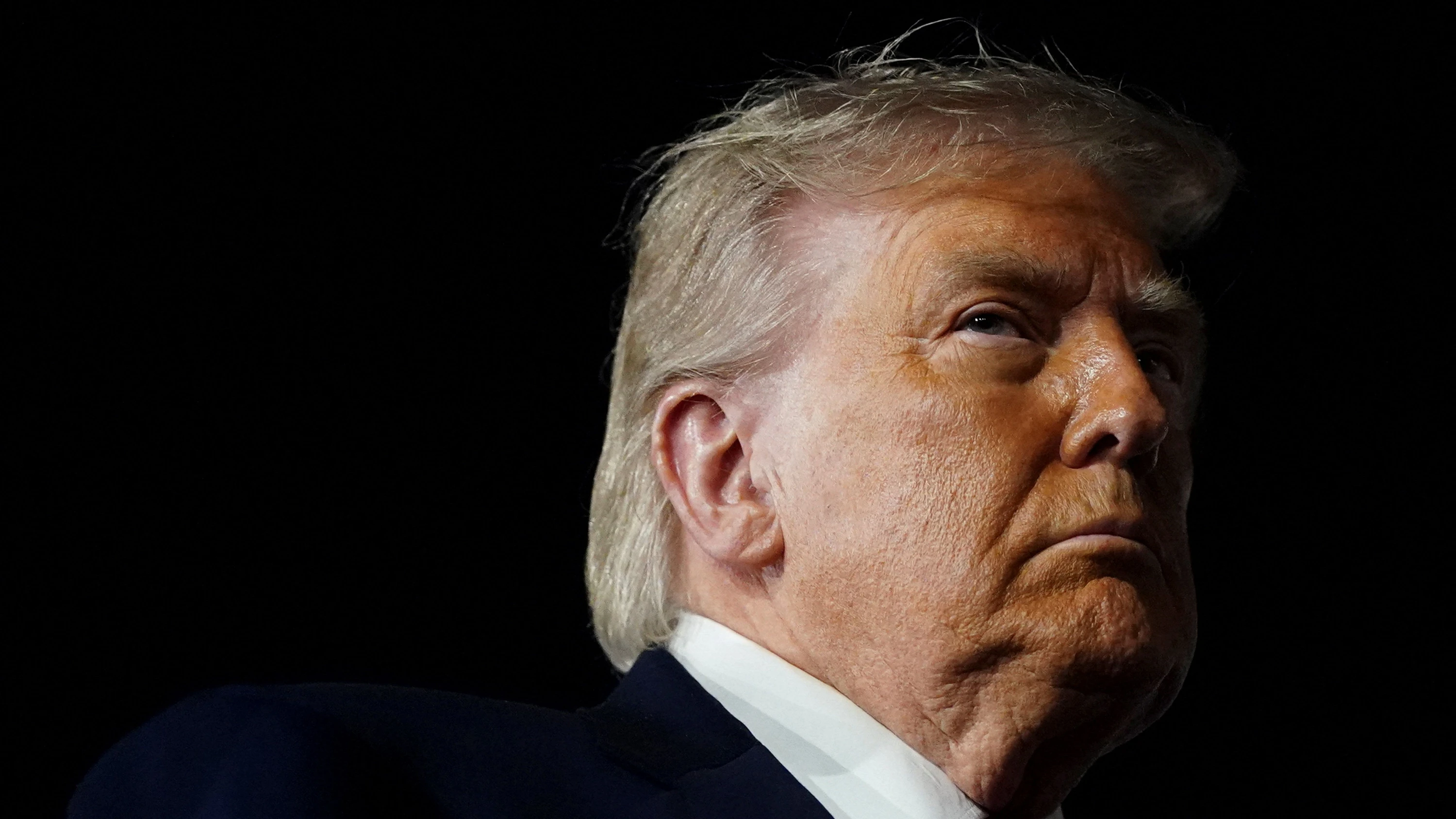
Liveblog Irankrieg: Trump wirft Iran Abschuss von Hubschrauber vor und droht mit Vergeltung Trump: USA müssen „notwendigerweise reagieren +++ Mindestens acht Tote bei israelischem Angriff auf Tyros in Libanon +++ Trump warnt Netanjahu vor Alleingang +++ alle Entwicklungen im Liveblog
faz · 4 months ago
Israel continues strikes on Beirut suburb 🔴 🇮🇱 🇱🇧 Israeli strikes on Sunday targeting the Beirut suburb of #Dahiyeh, located to the south of #Lebanons capital, killed two people and injured at least 20 others, prompting Iran to conduct retaliatory strikes. FRANCE 24 journalists Antonia Kerrigan, Elena Volochine and Hala Moukaddem paid a visit to the neighbourhood on Monday, speaking to some of the locals displaced by the resurging violence.
france24 · 4 months ago

Trump to massively expand US intelligence sharing with Israel Law would eclipse English-speaking Five Eyes espionage alliance with, UK, Canada, Australia and New Zealand
independent · 4 months ago
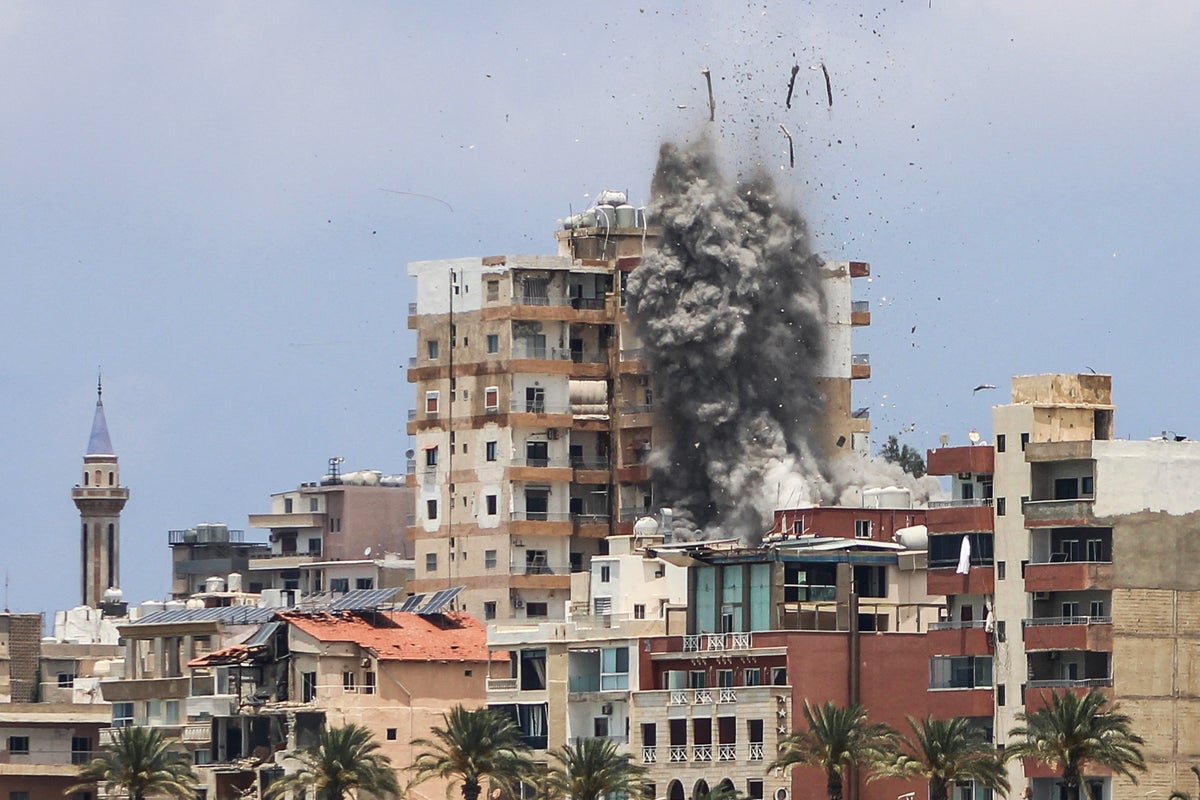
Israel kills eight in new strikes on Lebanon despite Trump warning to stop shooting Donald Trump insists a peace deal with Iran is close, but new strikes threaten to plunge the region back into chaos
independent · 4 months ago
Lebanon Is No Longer About Lebanon Iran would rather fight than let Israel decide Lebanons fate.
foreignpolicy.com · 4 months ago
Did Netanyahu really defy Trump in bombing Iran? Experts say the latest confrontation has laid bare growing divisions between the two leaders.
aljazeera · 4 months ago
#Israel #Iran Israels Chief of General Staff, Lt. Gen. Herzi Halevi, has asserted that the IDF is fully prepared to respond forcefully to any threats from Iran, emphasizing readiness for both offensive and defensive actions. Subscribe to @OSINTdefender Chat room
telegram bot · 4 months ago
#Israel #Yemen The Houthis have declared a complete ban on Israeli maritime navigation in the Red Sea, considering any Israeli vessel a military target. This blockade is part of their response to ongoing conflicts involving Israel and its allies. Subscribe to @OSINTdefender Chat room
telegram bot · 4 months ago
🇮🇱❌🇮🇷🇱🇧🇱🇧- IDF Chief of Staff Eyal Zamir: The Iranian attempt to set equations and change reality will fail. The strike we carried out in Iran was preparation for a much more significant and heavy blow. We will continue to act and deepen the damage to the Hezbollah terrorist organization and protect the northern settlements. The IDF is alert and will act with force wherever we identify a threat to the citizens of the State of Israel
telegram bot · 4 months ago
#NEW 🇮🇷🇮🇱🇦🇪🇺🇸- According to Kan News, $3 billion dollars worth of Iranian assets were transferred on a flight from Abu Dhabi to Tehran, in exchange for Iran stopping attacks on Israel and Israel stopping attacks on Lebanon. ➡️ An American message accompanying the money transfer reportedly included a guarantee that Israel would halt its attacks in Lebanon. The exchange of messages was carried out by a Qatari delegation, with the aircraft carrying the assets landing in Tehran.
telegram bot · 4 months ago
Libano, la fuga degli abitanti di Tiro dopo lordine di evacuazione israeliano Gli abitanti di Tiro, nel sud del Libano, sono in fuga dopo che lesercito israeliano, per la prima volta, ha intimato levacuazione dellintera città in vista di possibili attacchi. Larea è ora deserta al 99, afferma un residente Larticolo Libano, la fuga degli abitanti di Tiro dopo lordine di evacuazione israeliano proviene da Il Fatto Quotidiano.
il fatto quotidiano · 4 months ago
Vriendschap met Netanyahu steeds groter probleem voor Trump De Amerikaanse president Trump had de Israëlische premier Netanyahu nog gewaarschuwd: niet escaleren. Toch sloeg Israël direct hard terug toen Iran het land zondag aanviel. Deskundigen stellen dat het een uiting is van de groeiende kloof tussen de Amerikaanse en Israëlische belangen in het Midden-Oosten.
rtl nieuws · 4 months ago
„Der Iran nutzt die Hisbollah, um Druck zu machen US-Präsident Donald Trump warnt Israels Premier Netanyahu vor einer möglichen Isolation im Falle einer Eskalation mit dem Iran. Nahost-Experte Moshe Zimmermann betont: „Die Hauptgefahr bleibt die Lage zwischen Israel und Hisbollah.
welt.de · 4 months ago
Wie Israel nach der von Trump verordneten Waffenruhe weitermacht Israels Angriffe im Libanon gehen trotz Drohungen aus Teheran weiter – und die USA und Israel werden sich in ihrer grundsätzlichen Strategie weiterhin nicht einig
der standard · 4 months ago