Loading…
 Saturday, September 26Saturday, September 26
4 months · 18 summary articles
Israel launched airstrikes on the southern suburbs of Beirut on Sunday, killing at least two people and wounding a dozen, in retaliation for Hezbollah missile attacks on northern Israel earlier in the day. The Israeli military said it targeted a Hezbollah command center in the Dahieh district, a stronghold of the Iran-backed militia, marking the first breach of a fragile U.S.-brokered ceasefire agreed just days ago. The strikes risk escalating tensions with Iran, which has repeatedly warned of a "decisive and painful response" to any Israeli attack on Beirut.
Israeli Prime Minister Benjamin Netanyahu confirmed the operation, stating it was a direct response to Hezbollah’s morning barrage, which Israel said it intercepted. Lebanese state media reported the casualties in the densely populated Shia neighborhood, where Israel has long accused Hezbollah of operating military infrastructure. The attack comes despite a partial ceasefire announced last Wednesday, which required Hezbollah to halt cross-border strikes and withdraw forces south of the Litani River. Hezbollah rejected the terms on Thursday, leaving the agreement "on paper" .
Iran’s response was swift. Ebrahim Rezaei, a member of Iran’s parliamentary national security committee, posted on X that Tehran would retaliate, urging followers to "watch the skies" over Israel. Mohammad Bagher Ghalibaf, Iran’s parliament speaker and chief negotiator, echoed the threat, accusing Israel of violating ceasefire agreements and declaring that U.S. and Israeli bases in the region were now "legitimate targets" . The warnings follow Iran’s earlier pledge to launch missile strikes on Israel if Beirut were targeted, raising fears of a wider regional conflict.
The U.S. has so far backed Israel’s right to self-defense while urging restraint. A senior U.S. official told Axios that Washington supports Israel’s actions but emphasized that Hezbollah must halt its attacks to allow the ceasefire to take effect. "Hezbollah has a choice: It can continue fighting a pointless war, or it can finally allow the return of the displaced and the reconstruction of Lebanon," the official said . The White House and State Department declined to comment on Israel’s notification of the strike in advance.
The escalation underscores the fragility of the ceasefire, which was brokered after President Donald Trump intervened to block a larger Israeli offensive last week. Trump publicly rebuked Netanyahu in a profanity-laden call, forcing Israel to scale back its plans. Yet the cycle of retaliation continues, with Netanyahu claiming Hezbollah is "in disarray" and that Israeli forces have killed 350 militants in the past week alone .
Analysts warn that further strikes on Beirut could unravel U.S.-Iran negotiations and trigger a broader conflict. The timing—amid stalled talks and regional instability—heightens the risk of miscalculation. For now, the skies over Israel and Lebanon remain tense, with Iran’s threats hanging over a fragile peace.
Follow us for live European news
3 further sources not geolocated

Iran hotar med hämnd efter Israels Beirutanfall Minst två personer dödades och elva skadades i ett nytt israeliskt anfall mot den libanesiska huvudstaden Beiruts södra förorter.Iran hotar med att hämnas mot både Israel och USA.
expressen · 4 months ago
Krieg im Libanon: Trotz Waffenruhe: Israel greift erneut Vororte von Beirut an Im Raum Beirut kommt es zur lauten Explosion - kurz darauf steigt Rauch auf. Die neuen israelischen Angriffe bringen die Feuerpause im Libanon weiter ins Wanken - aber nicht nur sie.
handelsblatt · 4 months ago
Pope Leo says US-Israeli war against Iran fails just war test Pope Leo XIV told journalists aboard his flight to Madrid that the centuries-old just war theory no longer reflects the realities of modern warfare, directly challenging Washingtons justification for strikes against Tehran amid his escalating public rift with the Trump administration.
yenisafak · 4 months ago
Iran condemns US strikes on coastal sites as ceasefire violation Irans Foreign Ministry on Saturday condemned US strikes on radar and coastal surveillance facilities in southern Sirik and Qeshm Island, characterizing the attacks as a breach of the April 8 ceasefire agreement and warning that Washington would bear responsibility for any escalation.
yenisafak · 4 months ago
Hamas opens Cairo talks on Gaza ceasefire implementation Hamas spokesman Hazem Qassem said the Palestinian group has begun meetings in Cairo with mediators and factions to complete the first phase of the Gaza ceasefire agreement and arrange the second phase, focusing on ending Israeli violations and securing humanitarian aid access.
yenisafak · 4 months ago
Israeli drone strike kills 6 Palestinians in Gaza City tent Medical sources said six Palestinians were killed and 10 others, including children, were injured when an Israeli drone strike hit a tent sheltering displaced civilians in Gaza Citys Al-Rimal neighborhood on Saturday, as Israeli violations of the ceasefire agreement continue to mount.
yenisafak · 4 months ago
US Muslim rights group condemns Israeli attacks that killed 7 Palestinians The Council on American-Islamic Relations denounced Israeli forces on Saturday for killing a seven-month-old infant in the occupied West Bank and six displaced civilians sheltering in a Gaza tent, urging Washington to halt military support for Tel Aviv.
yenisafak · 4 months ago

Misstänkt terror i Israel – skott på flera platser Minst en person har dödats och fem andra skadats i en misstänkt terrorattack i Israel. Gärningsmannen öppnade eld på flera platser för att sedan skjutas ihjäl av säkerhetsstyrkor, rapporterar israeliska medier.
dagens nyheter · 4 months ago
The Prince of Ancient Iran Who Fought in the Trojan War In the Trojan War of Greek mythology, many nations were allied with Troy to fight against the Greeks. This included many of the nations of ancient Anatolia. Perhaps the most surprising participant in the Trojan War, however, was a prince from ancient Iran. He was Memnon, best known as the Ethiopian ruler who died at […]
greek reporter · 4 months ago
Israel strikes Beirut after Hezbollah attack, risking Iran response Israel struck Beiruts southern suburbs Sunday in retaliation to a Hezbollah missile attack on northern Israel, Israeli officials said.Why it matters: Iran threatened last week to launch a missile attack against Israel if it attacks Beirut, while the U.S. has backed Israels right to self-defence. Such a move could unravel U.S.–Iran negotiations and reignite the war.Israel notified the Trump administration before the strike, a U.S. official and two other sources with knowledge tell Axios."The United States supports Israels right to self-defense and stands with the legitimate Government of Lebanon as it works to deliver a better future for its citizens," a U.S. official tells Axios. Hezbollah "must stop firing immediately and allow these agreements to take effect."Driving the news: Israeli Prime Minister Benjamin Netanyahu said the strike answered Hezbollah missiles fired at northern Israel earlier Sunday, which the Israeli military says it intercepted.Israeli officials said the Beirut strike targeted a Hezbollah command center in Dahieh — a Shia district known as a Hezbollah stronghold. At least two people were killed and a dozen wounded, according to Lebanons state news agency. Threat level: Senior Iranian lawmakers publicly threatened retaliation.Ebrahim Rezaei, a member of the Iranian parliaments national security committee, wrote on X that Iran "will give a decisive and painful response to the Zionist regimes attack on Dahieh."He told followers to "watch the skies" over Israel tonight.Iranian speaker of parliament and chief negotiator Mohammad Bagher Ghalibaf echoed that.Ghalibaf wrote on X: "They neither adhere to the ceasefire nor believe in dialogue, and with the naval blockade and violation of agreements on Lebanon, they showed that they only understand the language of force. The naval blockade against the Iranian nation and todays U.S. green light to the Zionist regime turn American and regime bases and assets in the region into legitimate targets. Our armed forces are ready as always."Behind the scenes: The Israelis told the Trump administration that Hezbollahs continued attacks on northern Israel violate a ceasefire, giving Israel the right to hit Beirut, the sources told Axios.The Israelis made clear they will continue hitting the Beirut every time Hezbollah launches attacks against northern Israel.The White House and the State Department didnt immediately respond to a request for comment. Catch up quick: On Monday, President Trump put the brakes on Israels plan to launch massive strikes on Beirut in response to Hezbollahs drone and missile strikes.Trump lashed out at Netanyahu in an expletive-laden call.After the call, Trump announced a partial ceasefire that included an Israeli commitment not to attack Beirut in return for Hezbollah stopping attacks on Israeli border towns.On Wednesday, Israel and Lebanon agreed to a full ceasefire, contingent on Hezbollah halting attacks and withdrawing its operatives from the area south of the Litani River in Lebanon.Hezbollah rejected the terms Thursday. Without Hezbollahs agreement, the ceasefire stayed "on paper."What theyre saying: A U.S. official said Hezbollah has a choice: It "can continue fighting a pointless war, or it can finally allow the return of the displaced and the reconstruction of Lebanon.""The terms on the table are fair, have the consent of both sovereign governments, and provide a clear path to end the fighting," the official said. Hezbollah "is exclusively to blame for any continuation of hostilities."The official said the U.S. sees the process as a way to strengthen Lebanons sovereignty while improving Israels security.Editors note: This story was updated to add Iranian officials comments and updated comment from a U.S. source.
axios · 4 months ago

Israel strikes Beirut despite truce, Iran threatens to retaliate
news.yahoo.com · 4 months ago
Al Jazeera reports from Beirut after Israeli attack Multiple explosions have hit Beiruts southern suburbs as Israel launches new attacks, claiming to target Hezbollah.
aljazeera · 4 months ago
Police say two suspects have been shot and killed in Israel gun attack
aljazeera · 4 months ago

Israel launched strikes on Beiruts southern suburbs today in what the government described as retaliation for Hezbollah attacks against Israel earlier in the day.
bluesky bot · 4 months ago
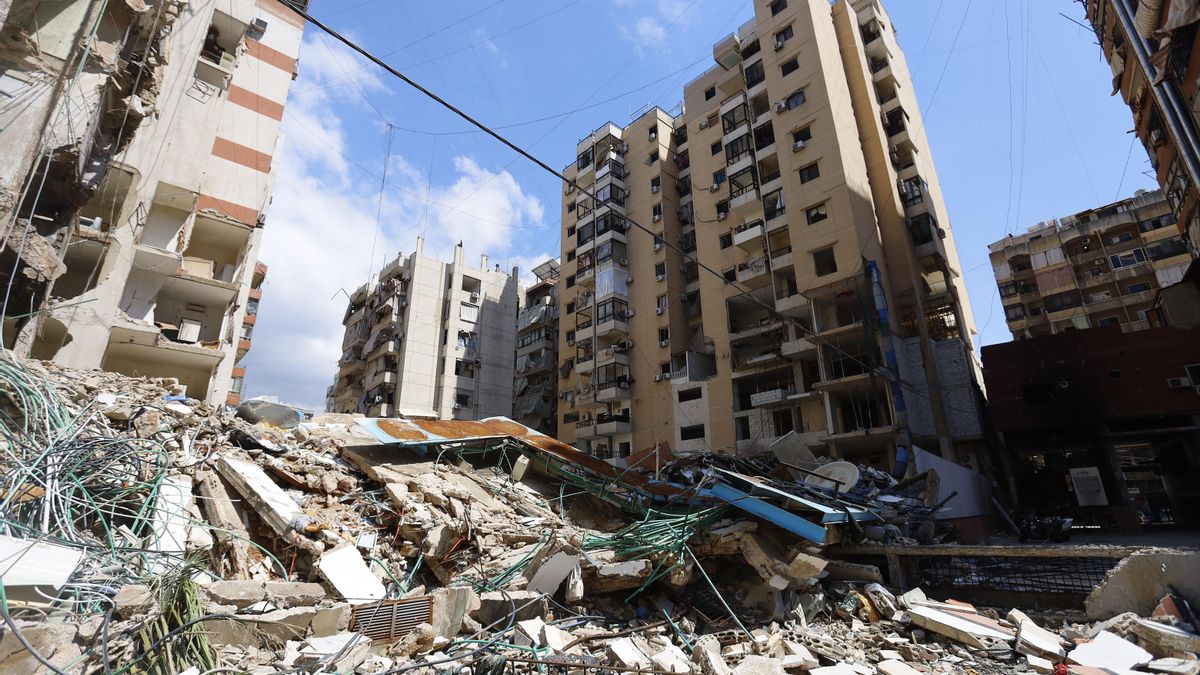
Dos fallecidos por un ataque de Israel al sur de Beirut en una ofensiva que rompe las condiciones del renovado alto el fuego Las autoridades israelíes han confirmado la operación y han esgrimido que es "en respuesta" a los ataques de Hezbolá contra territorio israelí de esta misma mañanaIsrael y Líbano acuerdan un alto el fuego condicionado a que no haya ataques de Hizbulá, que lo rechaza Las Fuerzas Armadas israelíes han bombardeado este domingo los barrios del sur de Beirut, considerados el principal bastión del partido-milicia chil Hezbolá, en un ataque que deja por ahora dos muertos y 11 heridos, según la Agencia Nacional de Noticias libanesa (ANN), y constituye una violación de las condiciones estipuladas en la renovación del alto el fuego acordadas el pasado miércoles entre los gobiernos de Líbano e Israel. El primer ministro israelí, Benjamin Netanyahu, y su ministro de Defensa, Israel Katz, han informado de este ataque y han esgrimido que es en respuesta a los ataques de Hezbolá contra territorio israelí de esta misma mañana. Hasta el momento, informa EFE, las autoridades libanesas no se han pronunciado oficialmente sobre la envergadura del ataque, aunque medios locales difundieron imágenes del bombardeo y de los daños provocados a los edificios, ubicados en áreas residenciales y en los que se puede ver una gran cantidad de transeúntes momentos después de la acción. El ejército informó previamente que había interceptado dos proyectiles que cruzaron a territorio israelí desde el Líbano, después de que sonaran las sirenas en las zonas de Yiftah y Ramot Naftali, en el primer ataque de Hezbolá sobre suelo israelí desde el miércoles, cuando se publicó el acuerdo entre Israel y Líbano. La milicia chií anunció varias operaciones contra tropas israelíes en Líbano, pero no se atribuyó la responsabilidad de los lanzamientos transfronterizos. Poco antes del ataque, Netanyahu ha afirmado que Hezbolá está en desbandada y que las fuerzas israelíes han eliminado a 350 terroristas solo en la última semana. Han capturado el Alto de Beaufort, donde se ha descubierto un enorme complejo subterráneo, ha explicado en referencia a la estratégica fortificación de la época de las cruzadas situada en la ribera noroeste de la curva oriental del río Litani y que hace una semana fue tomada por Tel Aviv. La Fuerza Aérea israelí atacó más de 150 infraestructuras que atribuye a Hizbulá durante el fin de semana, según un comunicado castrense emitido el sábado. También se ha referido a las operaciones en Cisjordania y en la Franja de Gaza, donde asegura que ya controlan el 60 del territorio y que pronto llegará al 70, lo que supondría ir más allá de la Línea Amarilla pactada para el repliegue de las fuerzas israelíes en el acuerdo de alto el fuego de octubre de 2025.
eldiario.es · 4 months ago
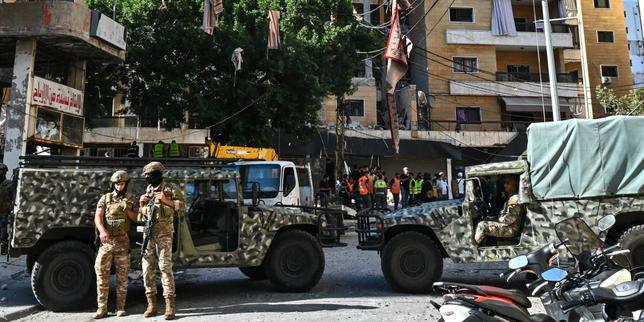
EN DIRECT, Moyen-Orient : lIran menace de frapper les intérêts américains dans la région après les frappes israéliennes sur Beyrouth Téhéran a menacé dimanche de frapper les intérêts américains et israéliens au Moyen-Orient, en représailles aux attaques menées dans la journée par lEtat hébreu sur la banlieue sud de Beyrouth, bastion du Hezbollah pro-iranien.
le monde · 4 months ago
Shooting in Israel: One person killed, five others injured In the central part of Israel today, one person was killed and five others were injured as a result of a shooting.
ukrinform · 4 months ago
Israel ataca subúrbios a sul de Beirute, Hamas reivindica atentado contra israelitas Israel lançou um ataque contra infra-estruturas do Hezbollah em Dahiyeh. Ala armada do Hamas reivindicou um atentado que vitimou uma pessoa em Israel.
publico · 4 months ago
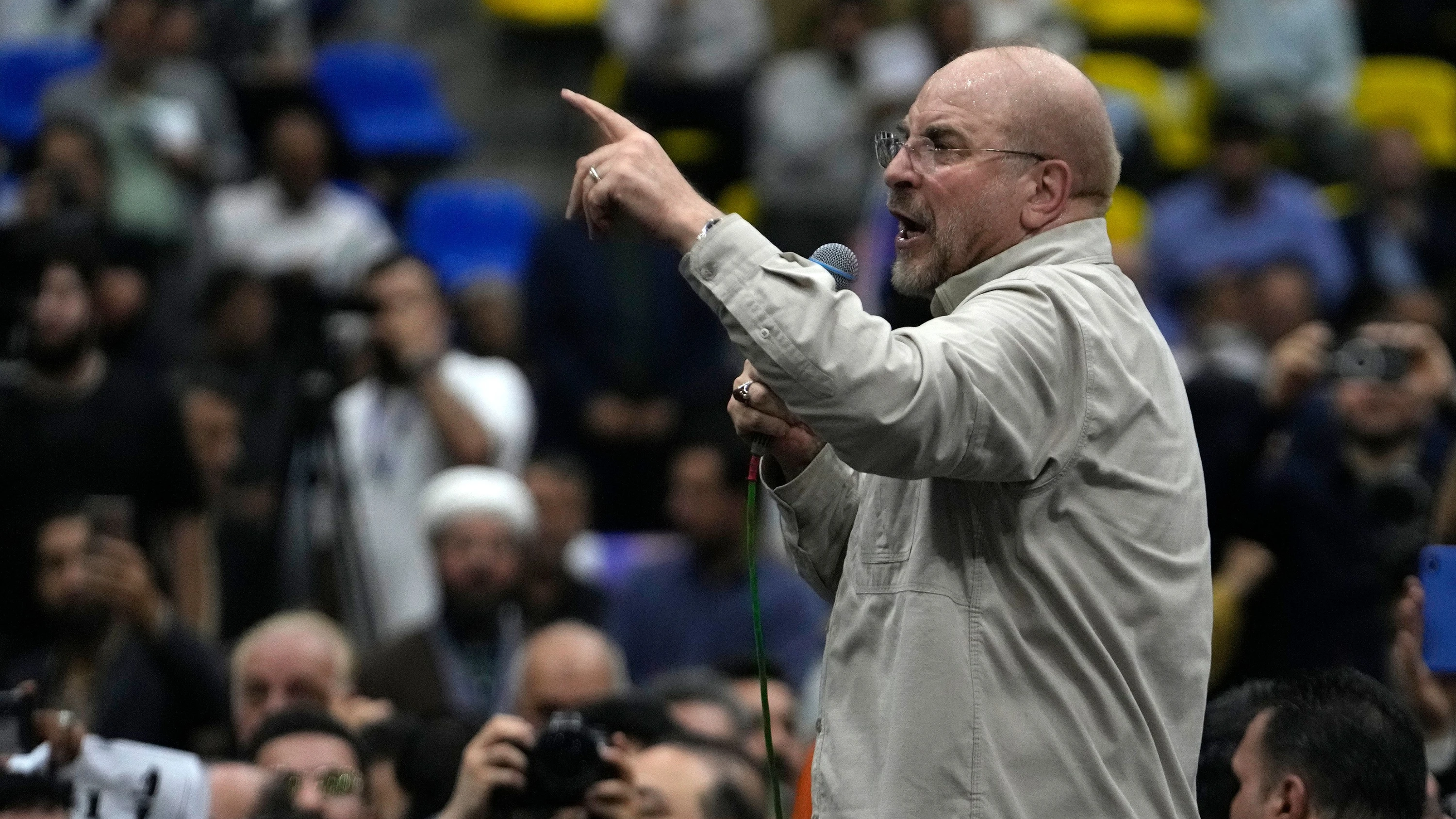
Liveblog Irankrieg: Nach Angriffen bei Beirut: Iran droht mit Konsequenzen Parlamentspräsident: Amerikanische und israelische Stützpunkte seien legitime Ziele Irans +++ Israel greift Vororte von Beirut an +++ Habeck wirft israelischen Siedlern Terrorismus vor +++ alle Entwicklungen im Liveblog
faz · 4 months ago

Middle East crisis live: Iran threatens Israel and US after strikes on Lebanon Tehran responds after Israel launches strikes that have killed at least two people and injured 11, reports sayIsrael escalates war against Hezbollah with airstrikes on Beirut suburbsDonald Trump also aggressively pushed back against claims that he broke a key campaign promise to keep the US out of new foreign conflicts.Well, well, first of all, I didnt guarantee no war, Trump said during the Meet the Press interview. Why would I have built the strongest military in the world? Continue reading...
theguardian · 4 months ago
Israel strikes Beirut after Hezbollah attack, risking Iran response Israel struck Beiruts southern suburbs Sunday in retaliation to a Hezbollah missile attack on northern Israel, Israeli officials said.Why it matters: Iran threatened last week to launch a missile attack against Israel if it attacks Beirut. Such a move could unravel U.S.–Iran negotiations and reignite the war.Israel notified the Trump administration before the strike, a U.S. official and two other sources with knowledge tell Axios.Driving the news: Israeli Prime Minister Benjamin Netanyahu said the strike answered Hezbollah missiles fired at northern Israel earlier Sunday, which the Israeli military says it intercepted.Israeli officials said the Beirut strike targeted a Hezbollah command center in Dahieh — a Shia district known as a Hezbollah stronghold. At least two people were killed and a dozen wounded, according to Lebanons state news agency. Threat level: A senior Iranian lawmaker publicly threatened retaliation.Ebrahim Rezaei, a member of the Iranian parliaments national security committee, wrote on X that Iran "will give a decisive and painful response to the Zionist regimes attack on Dahieh."He told followers to "watch the skies" over Israel tonight.Behind the scenes: The Israelis told the Trump administration that Hezbollahs continued attacks on northern Israel violate a ceasefire, giving Israel the right to hit Beirut, the sources told Axios.The Israelis made clear they will continue hitting the Beirut every time Hezbollah launches attacks against northern Israel.The White House and the State Department didnt immediately respond to a request for comment. Catch up quick: On Monday, President Trump put the brakes on Israels plan to launch massive strikes on Beirut in response to Hezbollahs drone and missile strikes.Trump lashed out at Netanyahu in an expletive-laden call.After the call, Trump announced a partial ceasefire that included an Israeli commitment not to attack Beirut in return for Hezbollah stopping attacks on Israeli border towns.On Wednesday, Israel and Lebanon agreed to a full ceasefire, contingent on Hezbollah halting attacks and withdrawing its operatives from the area south of the Litani River in Lebanon.Hezbollah rejected the terms Thursday. Without Hezbollahs agreement, the ceasefire stayed "on paper."
axios · 4 months ago
Israel attacks Beirut days after Trumps showdown with Netanyahu Limited strikes on Lebanese capital follow US presidents intervention last week forcing Israeli PM to delay major raid
financial times · 4 months ago
Israel targets Hezbollah with strike on Beirut despite ceasefire Clashes between Israel and Hezbollah continued over the weekend despite a U.S.-backed ceasefire between Israel and Lebanon, which Hezbollah has rejected.
politico.eu · 4 months ago