
Wildfires force mass evacuations across Europe as heat and drought fuel blazes from Croatia to Germany
Story Timeline
10 days · 13 summary articles
Wildfires continued to ravage multiple European countries on Saturday as extreme heat and prolonged drought fueled blazes from the Atlantic coast to the Balkans, forcing mass evacuations and straining emergency services.
In Croatia, a major wildfire on Dugi Otok island near Brbinj and Savar remained uncontrolled, with authorities deploying additional firefighters from the mainland. Matej Rudic, commander of the Zadar County fire department, told Croatian public television HRT that the fire was still spreading and the situation was serious, with crews prioritizing the protection of homes and vacation properties. The blaze erupted Friday evening and has since scorched dense brush and forest in inaccessible terrain. Meanwhile, a separate fire near Omiš, described by local media as one of the worst in Croatia’s recent history, injured at least 42 people, seven of them seriously, and destroyed homes and vehicles .
Germany’s Eifel region faced its largest forest fire on record in North Rhine-Westphalia, with firefighters expecting a multi-day operation to contain the blaze near Hürtgenwald. Helicopters resumed water drops on Saturday after overnight efforts, with more than 850 hectares already burned in the High Fens area of Belgium as well .
In France, a wildfire in the Landes region reignited overnight, consuming 1,580 hectares by Saturday morning, while 83 departments remained under orange heat alerts. Firefighters slowed the spread of another blaze near Saint-Just, south of Rennes, which had burned 230 hectares since Wednesday .
Greece and Spain also reported active fires, with high winds and extreme temperatures complicating suppression efforts. In Greece, the Meltemi winds reached speeds of 100 km/h, grounding ferries and elevating wildfire risk, while Spanish authorities battled two large blazes in the south .
Climate officials warned that Western Europe is on track for its hottest summer on record, with temperatures in June and July more than 3 degrees Celsius above long-term averages. Samantha Burgess, strategic lead for climate at the Copernicus Climate Change Service, said the heat waves since May had created “extremely” high wildfire risk, with some areas seeing no significant rainfall for over six weeks .
Satellite imagery revealed the broader impact of the heat, including shrunken glaciers in the Alps, scorched landscapes from wildfires, and critically low river levels. The Danube hit 30-year lows in several countries, exposing sunken WWII warships and forcing nuclear plants to reduce operations due to cooling water shortages .
British authorities issued nationwide fire alerts and banned disposable barbecues as wildfires burned homes and set record levels for the country. Prime Minister Keir Starmer visited a fire scene amid discussions over policy responses to the heat and drought .
Follow us for live European news
- 3
- 1
- 1
- 1
- 1
- 1
- 1
- 1
- 1
- 1
7 further sources not geolocated
Articles

EN DIRECT - Incendie dans les Landes : reprise de feu dans la nuit, 1 580 hectares brûlés Le feu de forêt en cours depuis jeudi dans les Landes sest à nouveau propagé samedi à laube, après un début de nuit plus favorable, a annoncé le préfet de ce département du Sud-Ouest.
liberation · about 18 hours ago
🇭🇷 New footage of the raging fires in Croatia. According to local media reports, the wildfires in the area around the city of Omiš, in the central part of the Croatian coast, are considered the largest and most challenging in the countrys recent history. As a result of the natural disaster, at least 42 people have been affected, and seven of them are in serious condition. @Intelslava
telegram_Intel Slava · about 18 hours ago
Earth, Wind & Fire-drummer blijft in ziekenhuis na noodgeval John Paris, drummer van Earth, Wind & Fire, ligt nog altijd in het ziekenhuis na een medisch noodgeval vorige week. De 58-jarige muzikant werd aanvankelijk in een kunstmatige coma gebracht en kwam daarna korte tijd bij bewustzijn, maar is inmiddels opnieuw in slaap gebracht, meldt Hello!.
rtl nieuws · about 18 hours ago
Firefighters battle major blaze on Dugi Otok overnight ZADAR, 15 August 2026 – Firefighters have spent the night battling a major wildfire that broke out near Brbinj on... The post Firefighters battle major blaze on Dugi Otok overnight first appeared on Croatia Week.
croatia week · about 19 hours ago

„Die Nacht war nochmal schwierig, da Hilfe aus der Luft gefehlt hat Hunderte Feuerwehrleute kämpfen in Hürtgenwald gegen den größten Waldbrand in Nordrhein-Westfalen. 2000 Menschen mussten ihre Häuser verlassen. „Bei Dunkelheit können die Löschhubschrauber nicht mehr helfen, und das war schwierig für die Einsatzkräfte, berichtet WELT-Reporterin Greta Wagner.
welt.de · about 19 hours ago
Niedrigwasser am Rhein: Alte Güterwaggons sollen wegen Niedrigwassers wieder in Betrieb gehen Wegen des Niedrigwassers auf Flüssen soll Schiffsfracht auf Straßen und Schienen verlagert werden. Die Deutsche Bahn will dafür auch alte Güterwaggons reaktivieren.
die zeit · about 19 hours ago
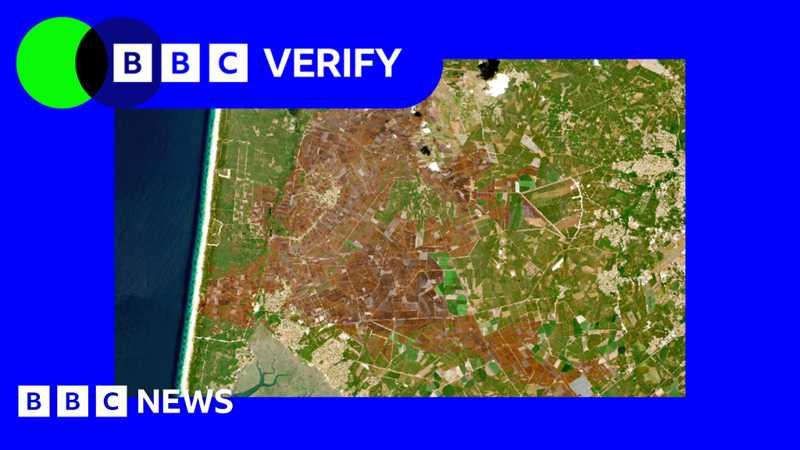
Europes scorched landscapes seen from space after summer heatwavesBBC Verify examines the impact of drought and extreme heat on western European rivers, fields and mountains. #News #Europe #France #Alps
mastodon bot · about 19 hours ago
Miro Bulj: Sinj Providing 20,000 to Omiš August the 15th, 2026 – Mayor Miro Bulj says that Sinj will gladly provide funding in the amount of 20,000 to Omiš following the devastating fire which broke out last night. Mayor Miro Bulj has made a decision allocating 20,000 euros in aid from Sinj to Omiš following the major fire that has devastated that ... Read more The post Miro Bulj: Sinj Providing 20,000 to Omiš appeared first on Total Croatia.
total croatia news · about 20 hours ago
Woman from Zagreb Found Safety from Omiš Fire in a Cave August the 15th, 2026 – A woman named Karla from Zagreb ended up finding safety from the devastating Omiš fire in a cave. I am so happy to be alive she stated. Among the hundreds of people evacuated from the fire-ravaged area around Omiš is Karla from Zagreb, who is now staying at the reception ... Read more The post Woman from Zagreb Found Safety from Omiš Fire in a Cave appeared first on Total Croatia.
total croatia news · about 20 hours ago
Man Tried to Defend Home in Omiš Fire, But Lost Everything August the 15th, 2026 – A man attempted to defend his home and all he had been building up since the 1990s in the Omiš fire, but tragically lost absolutely everything to the flames. The horrendous fire that swept through the Omiš area has left catastrophic consequences in its wake. The blaze swallowed houses, cars ... Read more The post Man Tried to Defend Home in Omiš Fire, But Lost Everything appeared first on Total Croatia.
total croatia news · about 20 hours ago

Heat Deaths in a Cold Country Are a Warning to the Rest of Europe A June heat wave in Belgium and neighboring countries exposed a lethal lack of readiness. Thats a risk as another wave hits Europe.
new york times · about 21 hours ago

Fin de semana pasado por agua en Madrid: aviso amarillo por tormentas este sábado, con descenso notable de temperaturas Lo más relevante del tiempo será el descenso localmente notable de las temperaturas máximas, especialmente este sábado, llegando a oscilar entre los 34 y 35 gradosCambio radical del tiempo este fin de semana en el norte, centro y este del país: llegan tormentas y bajada de temperaturas Tras jornadas de calor intenso en la Comunidad de Madrid, llega cierto alivio con las máximas este fin de semana y con chubascos y tormentas que se esperan en gran parte de la región, siendo fuertes e incluso acompañadas de granizo y viento fuerte, según la previsión de la Agencia Estatal de Meteorología (AEMET). Así, Aemet ha activado aviso amarillo durante las horas centrales en toda la Comunidad de Madrid por chubascos y tormentas que podrían llegar a ser localmente fuertes e ir acompañadas de granizo y rachas muy fuertes, especialmente en la Sierra. Aunque lo más relevante del tiempo de este fin de semana en Madrid será el descenso localmente notable de las temperaturas máximas, especialmente este sábado, llegando a oscilar entre los 34 y 35 grados, pero con un ligero ascenso el domingo para llegar hasta los 36. En el caso de las temperaturas mínimas, el descenso se notará menos, sin grandes cambios, oscilando entre los 20 y 24 grados el sábado, y bajando hasta los 18 grados el domingo en un ligero descenso. Fin de semana con chubascos y tormentas fuertes Así, la jornada del sábado estará marcada por intervalos de nubes medias y altas con lluvias, chubascos y tormentas que, desde el mediodía, podrían ser localmente fuertes e ir junto con granizo, principalmente en la Sierra. En cuanto al viento, soplará flojo variable con predominio de componente este y noreste de madrugada, mientras al final del día y posibles rachas muy fuertes asociadas a la actividad tormentosa. Mientras el domingo, el cielo se espera poco nuboso con intervalos de nubes altas, que por la tarde derivará en alguna nubosidad de evolución diurna. A su vez, no se descarta algún chubasco tormentoso, principalmente en la Sierra. En cuanto al viento se espera sople flojo de componente este tendiendo a variable por la tarde.
eldiario.es · about 21 hours ago
Summer storms, hail and heat up to 37°C set to hit Cyprus Seasonal low pressure and an unstable air mass are affecting Cyprus today, bringing scattered showers, isolated thunderstorms and potential hail. Cloud cover will increase across the island at intervals. Localised rain and thunderstorms will develop during the afternoon, primarily affecting the inland areas, eastern districts and the Troodos mountains. Hail is also possible during heavy […]
in-cyprus · about 21 hours ago
Tinderbox Britain bans disposable barbecues, sends nationwide fire alerts as Europe battles blazes
gdeltproject.org · about 21 hours ago
More evacuations as wildfires stretch across Europe
gdeltproject.org · about 21 hours ago

Heat wave brings deaths, drought and wildfires to Western Europe #Europe
mastodon bot · about 22 hours ago

Drought dries major European rivers to record lows #environment #river #rivers #drought
mastodon bot · about 22 hours ago
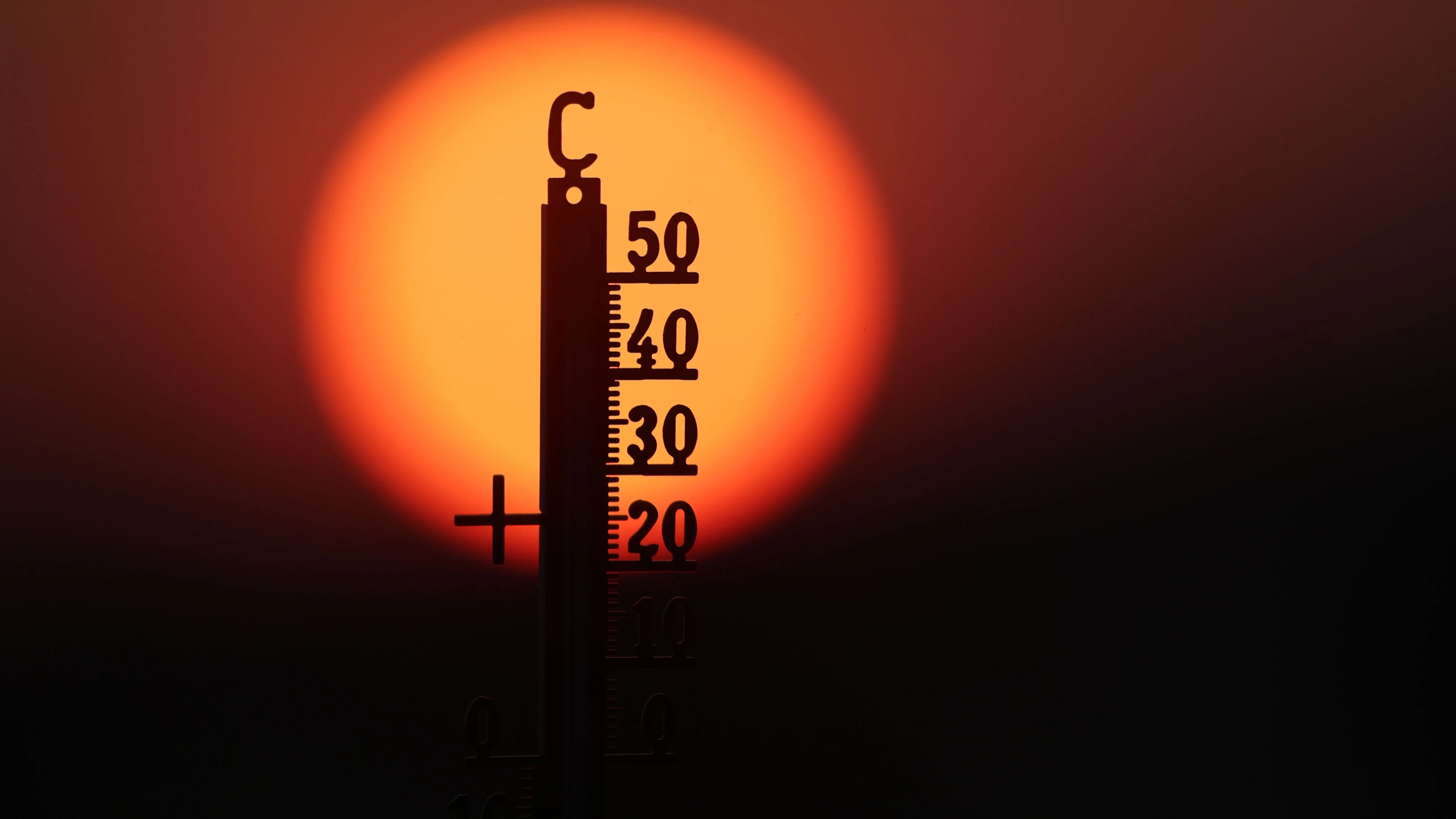
Hitze-Liveblog: Samstag noch extreme Hitze vor dem Wetterumschwung Hitzetote: DIVI-Geschäftsführer hält RKI-Schätzung für zu niedrig +++ Fulda ruft Wassernotstand aus +++ Spanien: Zwei große Waldbrände wüten im Süden +++ alle Entwicklungen im Liveblog
faz · about 22 hours ago
Burnham warns of tinderbox Britain after week of intense heat PM visits scene of wildfire as he explores controversial moves to water down EV sales targets and approve new oilfields
financial times · about 22 hours ago
From France to Croatia, Wildfires Force Mass Evacuations Across Europe
gdeltproject.org · about 23 hours ago
Wildfires rage across Europe as heatwaves drive record temperatures Wildfires fuelled by record heat are ravaging Europe, burning around 500,000 hectares and forcing thousands to flee.
aljazeera · about 23 hours ago
Foreign Ministry sets up hotline for citizens caught in the fires in Greece The Ministry of Foreign Affairs announced that it is closely monitoring the current situation with the fires in Greece, through its diplomatic and consular mission in Solun (Thessaloniki) and in communication with the competent Greek institutions. The fires hit areas popular with Macedonian tourists during the summer. We appeal to our citizens who are in […] The post Foreign Ministry sets up hotline for citizens caught in the fires in Greece appeared first on Republika English.
republika macedonia · about 23 hours ago

A Legendary Flood in Medieval Europe Wasnt a Single Disaster—It Was 16 of Them. #history #water #flooding #Europe
mastodon bot · about 24 hours ago
Europes wildfire crisis widens as record heatwave grips the continent
gdeltproject.org · 1 day ago
Hundreds evacuated from Croatian and Greek resorts as wildfires stretch across Europe
gdeltproject.org · 1 day ago
Wildfires sweep across Europe as heat, dry weather fuel blazes
gdeltproject.org · 1 day ago
Roundup: Wildfires sweep across Europe as heat, dry weather fuel blazes-Xinhua
gdeltproject.org · 1 day ago
🇬🇧❗️- The UK Government has issued a severe alert for a very high risk of wildfires across the country. @GeoPWatch
telegram_GeoPWatch · 1 day ago
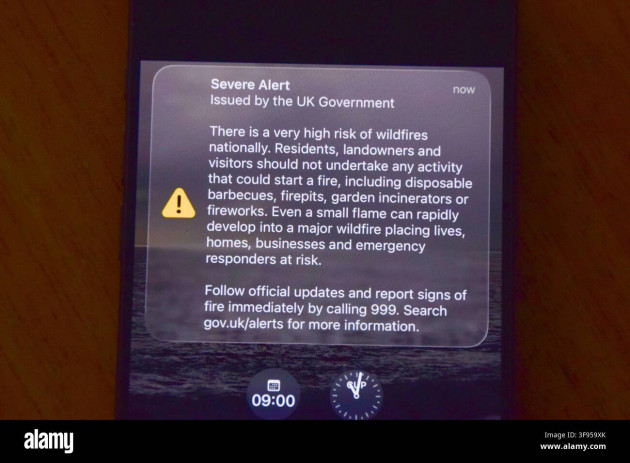
Emergency alert sent to mobile phones with wildfire warning after UK blazes Louise Haigh, the first secretary of state, said Fridays message was the most extensive use of the UKs emergency alert system in response to an active incident.
thejournal · 1 day ago

News digest: A 500-km journey on one of Slovakias hottest days. A bear travels to Poland A suspected wartime naval mine is found in the Danube near Komárno, a favourite tourist hotspot abroad gets a bit too hot, and the public security agency warns that new traffic cameras are insecure.
spectator.sme.sk · 1 day ago