
Europe swelters as temperatures near records before weekend cooldown

Story Timeline
2 months · 16 summary articles
Europe baked under extreme heat on Friday, with temperatures soaring to near-record levels across the continent before a forecasted cooldown over the weekend.
In the Netherlands, the Royal Netherlands Meteorological Institute (KNMI) warned that Friday would likely be the hottest day of August, with highs ranging from 30°C on coastal beaches to 37-38°C in the south. A code yellow heat warning and the national heat plan were in effect, with little wind to provide relief. The institute forecast a gradual cooling from Saturday, with temperatures returning to seasonal averages by next week, though drought conditions would persist .
Belgium’s Royal Meteorological Institute (IRM) reported temperatures 11-12°C above seasonal norms, with Friday expected to break the Aug. 14 record of 31.9°C in Uccle. Meteorologist Pascal Mormal noted that while 33-34°C had become almost routine, such heat remained rare for mid-August. The institute anticipated localized thunderstorms on Saturday, followed by a sharper drop in temperatures to around 23°C by early next week, though rainfall would not end the drought .
Germany’s Deutscher Wetterdienst (DWD) issued heat warnings for Baden-Württemberg, with temperatures reaching 38°C in the Kurpfalz region. The service advised residents to stay hydrated, avoid direct sun, and limit physical activity. Rain and thunderstorms were possible by Sunday, offering some relief .
Spain’s AEMET meteorological agency warned of temperatures exceeding 40°C in the Guadalquivir and Ebro valleys before a cold front brought storms, hail, and strong winds. Córdoba, Lleida, and Toledo were forecast to hit 41°C, while northern regions like A Coruña would see milder conditions around 25°C. The agency maintained widespread heat alerts despite the impending temperature drop .
In Portugal, 60 municipalities faced maximum wildfire risk, with Évora expected to reach 39°C, Lisbon 32°C, and Faro 33°C .
The Netherlands also saw regional disparities in overnight heat, with vulnerable populations in Maastricht enduring up to 13 more tropical nights—where temperatures stay above 20°C—compared to cooler areas like Groningen’s Baflo .
Budapest’s mayor, Gergely Karácsony, cited climate models projecting 1-3.5 more weeks of heatwave days and 2-4 additional tropical nights annually by mid-century. He stated that the current extreme heat would become a regular feature of summers in the Hungarian capital, with surface temperatures rising 3-5°C citywide and up to 6°C in some outer districts .
The New York Times reported that while Friday brought near-record heat across Europe, temperatures were expected to retreat to seasonal averages by the end of the weekend .
Follow us for live European news
- 4
- 2
- 2
- 2
- 2
- 1
- 1
- 1
- 1
- 1
- 1
- 1
6 further sources not geolocated
Articles

Stormy holiday on the way, as hail and showers take over from heatwave A low pressure system bringing a rainy outlook over the Assumption of the Virgin Mary holiday is affecting the island, as the heatwave gives way to drastically different conditions, at least over the next few days. According to the Met Office, overcast skies will bring isolated showers or even a storm inland and on the […]
in-cyprus · about 2 months ago
Sunny Friday in Latvia On Friday, the weather in Latvia will be mainly sunny, although the day will be mostly overcast in the very east of the country, according to forecasts.
lsm latvia · about 2 months ago

Ein Ende der Hitze ist in Sicht: Auf ein heißes Wochenende folgt eine Abkühlung Laut Geosphere-Prognose übernimmt ab Montag eine Kaltfront das Kommando. Regenschauer und Gewitter sind möglich
der standard · about 2 months ago
Hottest day in August: Temps up to 38°C today before cooling off Today will likely be the hottest day this August in the Netherlands. Maximums will range between 30 and 38 degrees, north to south.
nltimes.nl · about 2 months ago
South Korea players want K League season change due to worsening climate South Korea football players push for a K League season shift as punishing heat hitting summer matches.
aljazeera · about 2 months ago
Another Day of Extreme Heat Bakes Europe, but Relief Is on the Horizon Friday is delivering another day of near record heat to the continent, but toward the end of the weekend temperatures could retreat to seasonal averages.
new york times · about 2 months ago

In the middle of summer, the EUs political leaders are normally off soaking up the sun or unplugging in some bucolic retreat. Thats when geopolitical crises and natural disasters have an annoying habit of rocking Europe.
bluesky_Politico Europe · about 2 months ago
Sud-coreenii petrec ultima zi de „boknal în care pot consuma carne de câine, înainte de interdicția istorică Timp de decenii, cele trei zile de vară considerate cele mai călduroase ale anului s-au numărat printre cele mai aglomerate pentru restaurantele sud-coreene care serveau carne de câine, clienții căutând alimente despre care se crede în mod tradițional că sporesc rezistența organismului pentru a face față căldurii, relatează Reuters. Cea de-a treia zi de „boknal, …
hotnews.ro · about 2 months ago
Face à la chaleur, les restaurateurs peinent à trouver leurs consommateurs : «Beaucoup demandent si on a la clim, et annulent dans la foulée» Partout en France, les fortes chaleurs de 2026 ont eu un impact considérable sur la restauration, avec une baisse du chiffre daffaires de 20 à 25 . Suppression de luniforme, cuisson le matin, baisse des couverts… Certains pensent déjà à sadapter pour les prochains étés.
liberation · about 2 months ago
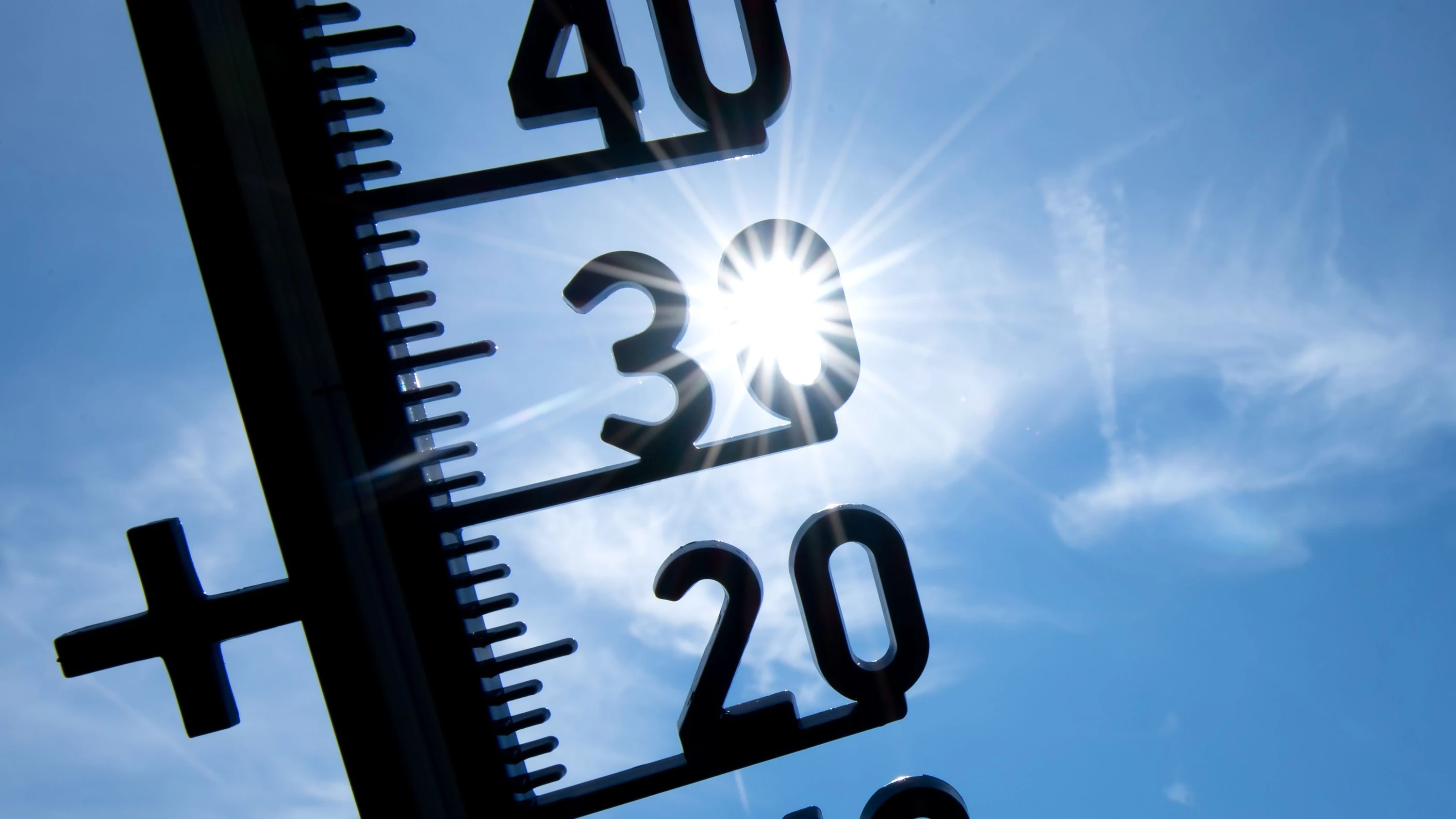
Hitze-Liveblog: Temperaturen bis zu 38 Grad in Deutschland erwartet Deutscher Wetterdienst rechnet im Westen und Südwesten mit hohen Temperaturen +++ 1800 Menschen in Nordrhein-Westfalen müssen ihre Häuser wegen eines Waldbrandes verlassen +++ Bauernverband warnt vor Ernteausfällen +++ alle Entwicklungen im Liveblog
faz · about 2 months ago
Weekend starts warm and sunny before temperatures drop A warm, sunny Friday lies ahead before the weekend brings cooler weather, clouds, and isolated showers, according to the Danish Meteorological Institute (DMI). Friday will bring plenty of sunshine, with temperatures mostly between 26 and 30 degrees Celsius, reaching up to 32 degrees in Jutland. On Saturday, clouds will move across the country, bringing temperatures […]
cphpost · about 2 months ago
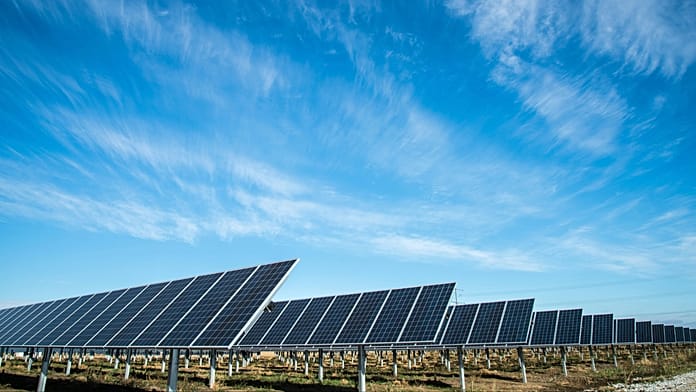
The real challenge starts after sundown: Europes heatwave boosted solar by up to 17 on hot days A surge in solar power has helped meet heightened power demand from Europes blistering heatwaves, according to a new analysis.
euronews · about 2 months ago
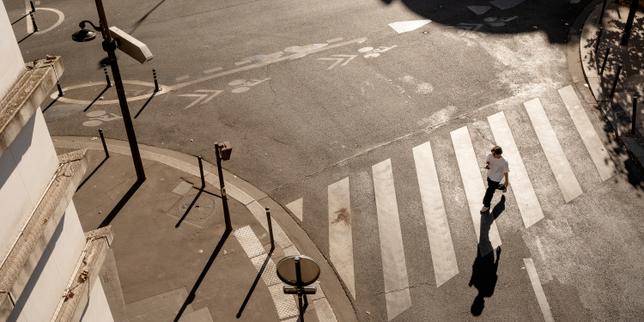
Pourquoi les canicules se répètent-elles en France ? Les questions suscitées par une succession inédite de vagues de chaleur Entre mai et juillet, la France a été le pays le plus anormalement chaud du monde. Le rôle du réchauffement climatique ne fait pas de doute, mais la fréquence des canicules navait pas été anticipée. Les causes possibles sont débattues dans la communauté scientifique.
le monde · about 2 months ago
Bildung: Hitzealarm zum Ferienende: Was auf Schüler zukommt Kopfschmerzen, Schwindel, Konzentrationsprobleme – hohe Temperaturen können Schülerinnen und Schülern zusetzen. Wie Schulen damit umgehen können und welche Regeln für Hitzefrei gelten.
tagesspiegel · about 2 months ago
:format(jpg)/f.elconfidencial.com%2Foriginal%2Fe69%2F367%2F650%2Fe69367650899bf777054a71815717982.jpg)
Mucho menos calor y la Aemet avisa: llega una dana con fuertes tormentas con viento y granizo y estas serán las zonas más afectadas El cambio de tiempo marcará el fin de semana en buena parte de España, con un escenario de creciente inestabilidad que obligará a seguir de cerca la evolución de las previsiones
el confidencial · about 2 months ago
Vorstoß des Umweltministers: Andere wissen längst, wie man sich gegen Hitze wappnet Deutschland liegt nur noch geographisch in einer gemäßigten Zone. Neben dem Klimaschutz müssen wir mehr für die Anpassung tun: Solarbetriebene Klimaanlagen in Alteneinrichtungen wären ein erster Schritt.
faz · about 2 months ago
Smrtící horko pod střechami i mizející voda. Extrémní vedra na Svitavsku odnášejí nejvíce ptačí mláďata Vysoké letní teploty představují značnou zátěž především pro ptáčata. Nejnebezpečnější bývá enormní horko pro mláďata druhů, které si staví hnízda pod střechou. V obzvlášť horkých dnech tam dosahují teploty extrémních hodnot, což může vést k přehřátí a následnému úmrtí mláďat.
irozhlas.cz · about 2 months ago

Amsterdam maakt zich op voor weer een tropische dag: temperaturen lopen op tot 34 graden
parool · about 2 months ago
El Niño tem 69 de hipótese de ser o mais forte de que há registo Com 69 de probabilidades de constituir um máximo histórico, o fenómeno El Niño ameaça gerar anomalias térmicas excepcionais e afectar o clima global durante o Outono e Inverno de 2026-27.
publico · about 2 months ago
Etat durgence déclaré à Hawaï, menacé par la tempête tropicale Lala Larchipel américain a décidé jeudi de déclencher le dispositif, alors que des vents très violents, des inondations et des glissements de terrain approchent de la zone. Le phénomène pourrait tourner au cyclone, selon les météorologues américains.
liberation · about 2 months ago
Wetterbericht: Wetterdienst warnt vor starker Hitze im Südwesten
die zeit · about 2 months ago

12 ways to keep your house cool during a heatwave — without AC
bluesky_The Times · about 2 months ago
Heat exhaustion cases rise as health services on alert for long weekend Public hospitals and the Ambulance Services are fully prepared to effectively cater for increasing cases of heat related emergencies, said health services press spokesperson Charalambos Charilaou, in light of the Assumption of the Virgin Mary weekend, as thousands are on the move across coastal resorts. We have the organisation in place, coupled with experience and […]
in-cyprus · about 2 months ago
Vremea până pe 14 septembrie. ANM anunță temperaturi diferite de cele normale Temperaturile vor fi mai ridicate decât cele normale perioadei din calendar în cea mai mare parte a ţării până la jumătatea lunii septembrie, cele mai ridicate valori fiind aşteptate în vest şi centru, potrivit prognozei emise de ANM pentru perioada 17 august – 14 septembrie. Săptămâna 17-24 august Temperatura aerului va avea valori mai ridicate …
hotnews.ro · about 2 months ago

Avisos por lluvia y calor hoy, con varias comunidades en alerta naranja La totalidad del territorio catalán, menos las Terres de lEbre y la Vall dAran, se encuentra en alerta por altas temperaturas durante esta jornada
la vanguardia · about 2 months ago

„Die Veränderungen in Zürich haben Dimensionen, die es in Süddeutschland so nicht gibt Martin Berchtold berät mit seinem Planungsbüro Städte im Umgang mit Hitze. Der Experte sieht bei Städten in Europa Nachholbedarf – und liefert Lösungsansätze. Was es braucht, um extreme Temperaturen erträglicher zu machen.
welt.de · about 2 months ago
Badewetter angekündigt: Zahlreiche Gewässer mit Beanstandungen bei Wasserqualität Temperaturen über 30 Grad locken voraussichtlich wieder tausende Menschen zu den Brandenburger Badegewässern. Zuletzt ließ die Wasserqualität in einigen Gewässern nach.
tagesspiegel · about 2 months ago
Cum va fi vremea până la jumătatea lunii septembrie. Estimările ANM pentru următoarele patru săptămâni Temperaturile vor fi mai ridicate decât cele normale în cea mai mare parte a ţării în următoarele patru săptămâni, până la jumătatea lunii septembrie, cele mai mari abateri fiind aşteptate în vest şi centru. În prima săptămână, precipitaţiile vor fi deficitare în întreaga ţară, în special la munte, iar ulterior cantităţile de precipitaţii se vor situa, în general, în jurul celor normale, arată estimările meteorologice pentru perioada 17 august - 14 septembrie, anunţate vineri de Administraţia Naţională de Meteorologie.
digi24 · about 2 months ago
![11 bulos y desinformaciones del terremoto del 10 de agosto de 2026 en Colombia
📲 ¡Pincha aquí y sigue el canal de WhatsApp de Maldita.es para que no te la cuelen!
No, este vídeo no muestra una escuela durante el terremoto de Colombia: se grabó en Filipinas en junio de 2026Estas imágenes no están grabadas en Colombia tras el terremoto de magnitud 7,4 registrado el 10 de agosto de 2026. El vídeo se grabó en Filipinas, concretamente en la escuela primaria Tubalan en el municipio de Malita (Davao Occidental, al sur del país) durante el terremoto del 8 de junio de 2026. Ese día, un seísmo de magnitud 7,8 sacudió varias provincias del sur de Filipinas, según el Instituto Filipino de Vulcanología y Sismología (PHIVOLCS por sus siglas en inglés).No, esta imagen del Monumento a la Resistencia en Cali (Colombia) derrumbado tras el terremoto no es real: ha sido generada con IANo, esta imagen que supuestamente muestra el Monumento a la Resistencia en Cali (Colombia) derrumbado no es real: ha sido generada con inteligencia artificial (IA). La herramienta de OpenAI para comprobar si un contenido ha sido generado con alguna de sus tecnologías concluyó que fue generado con herramientas de OpenAI, ya que detectó la marca de agua SynthID, desarrollada por Google e imperceptible para el ojo humano que identifica contenidos generados con algunas IA. Además, presenta indicios que revelan su origen sintético, como que el entorno de la imagen viral no coincide con fotos reales del monumento (que está rodeado de árboles) y la distribución de los dedos no coincide, como señala una verificación de la Silla Vacía, organización colombiana que forma parte de la International Fact-Checking Network (IFCN) al igual que Maldita.es. No, este vídeo no muestra el interior de un edificio tambaleándose durante el terremoto de Colombia: se grabó en Filipinas durante el seísmo de junio de 2026Este vídeo no corresponde con el terremoto del 10 de agosto de 2026 en Colombia. Una búsqueda inversa revela que fue publicado en Instagram por un usuario que señala que son imágenes del terremoto de magnitud 7,8 en GenSan, 8 de junio de 2026, pero que ha sido publicado el 10 de agosto de 2026. El usuario dice en su publicación: Publiqué esto porque siento que he superado el trauma. GenSan o General Santos City, nombre que se menciona en el post, es una ciudad de Filipinas que fue el epicentro del terremoto de junio de 2026. No, este vídeo no muestra el derrumbe de un edificio antisísmico en Colombia: está generado con IAEste vídeo, que alcanza más de siete millones de visualizaciones en Twitter (ahora X), está generado con inteligencia artificial (IA). Gemini, la herramienta que Google pone a disposición para encontrar su marca de agua digital SynthID, concluyó que esta aparece tanto en la imagen como en el audio del vídeo original, por lo que fue generado o editado utilizando la inteligencia artificial de Google. No, este vídeo no es un rescate en agosto de 2026 tras el terremoto de Colombia: es de junio tras los seísmos de VenezuelaEstas imágenes no están grabadas en Colombia tras el terremoto del 10 de agosto de 2026. El vídeo se grabó en Venezuela en el contexto de los dos terremotos consecutivos que tuvieron lugar la tarde del 24 de junio de 2026. Circula en redes sociales desde junio de 2026 y en las imágenes aparece una persona con la serigrafía médicos viales, certificado venezolano, y otra con la palabra Venezuela en el brazo. Además, circularon más imágenes y vídeos de ese rescate en Venezuela. No, este vídeo no muestra camiones llevando ayuda humanitaria de Venezuela a Colombia tras el terremoto del 10 de agosto: se grabó en Venezuela tras los seísmos de junio de 2026Estas imágenes no están grabadas tras el terremoto de Colombia del 10 de agosto de 2026. El vídeo se grabó en Venezuela tras los dos terremotos consecutivos del 24 de junio de 2026, cuando comenzaron a circular las imágenes. Además, hay más imágenes de estos camiones desde diferentes perspectivas —como estas, estas o estas— afirmando que la ayuda salió desde El Nula (en el Estado Apure, Venezuela) el 27 de junio de 2026 para ayudar a los venezolanos afectados.No, este vídeo no muestra a Aberlardo de la Espriella de fiesta después del terremoto del 10 de agosto en Colombia: se grabó un mes antesEste vídeo no se grabó después del terremoto del 10 de agosto de 2026 en Colombia. La grabación circula en internet al menos desde el 26 de julio, antes de que Abelardo de la Espriella fuera investido presidente. La revista digital colombiana Las2orillas compartió un vídeo compuesto por varios fotogramas en los que aparece el ahora presidente colombiano bailando junto a otras personas e informó de que era una celebración privada en el Club Santa Marta, ubicado en el departamento de Magdalena (Colombia).
¿Crees que te ha llegado un bulo? Verifica en nuestro chatbot de WhatsApp (+34 644 229 319)
El supuesto "patrón" que indica que habrá un terremoto en Ecuador tras Venezuela y Colombia: predecir sismos no es posible, según distintos servicios geológicosA 11 de agosto de 2026, los terremotos no se pueden predecir. El Servicio Geológico Colombiano (SGC) explica que todavía no existe un método comprobado científicamente que permita predecir la ocurrencia de un sismo en un sitio, ni su magnitud. Incluso, si se lograra determinar dónde va a ocurrir, no se podría determinar los efectos que tendría en la superficie. Asimismo, su portavoz ha afirmado en RTVE que los sismos no se pueden predecir, es imposible [min: 3:53]. Por su parte, el Servicio Geológico de Estados Unidos también afirma que ningún científico ha predicho jamás un gran terremoto. El Instituto Geológico Nacional de España (IGN) igualmente indica en su web que no existe actualmente ningún método capaz de predecir el tiempo, lugar y magnitud de un terremoto. Esta dificultad radica en el comportamiento no lineal y bastante caótico que tienen los movimientos sísmicos.¿La actividad del volcán Puracé en Colombia ha aumentado tras el terremoto del 10 de agosto de 2026? El Servicio Geológico Colombiano afirma que no tiene relación alguna El Servicio Geológico Colombiano afirma que el terremoto en Colombia del 10 de agosto de 2026 no tiene relación alguna con la actividad del volcán Puracé y la cadena volcánica Los Coconucos y que su ocurrencia no provocó cambios adicionales a los ya reportados en el comportamiento del volcán. Respecto a la actividad volcánica, afirman que hay una intensa desgasificación que se ha concretado principalmente a través del cráter del volcán Puracé con emisiones esporádicas de ceniza. Además, el Puracé entró en alerta naranja el 1 de agosto y, hasta la fecha, sigue encontrándose en este escenario.La teoría de la conspiración sobre que los terremotos en Colombia y Venezuela han sido provocados por el proyecto HAARP y que el próximo será en MéxicoNo hay evidencias de que el Programa de Investigación de Aurora Activa de Alta Frecuencia (HAARP, por sus siglas en inglés) pueda provocar terremotos. Se trata de una teoría de la conspiración sobre la que no existe ninguna evidencia científica y que hemos documentado en Maldita.es en otros sismos como el de Turquía en junio de 2023 o el de Venezuela en junio de 2026.Cuidado con los contenidos que afirman que este vídeo de una carretera destrozada es del terremoto de Colombia del 10 de agosto: sí se grabó en este país, pero en octubre de 2025El vídeo sí está grabado en Colombia, pero no es actual ni guarda relación con el terremoto del 10 de agosto de 2026. Las imágenes se registraron en octubre de 2025 y muestran los efectos de una falla geológica en una carretera del departamento de Santander, ubicado en el noreste del país. Noticias Caracol afirmaba en un vídeo emitido el 5 de noviembre desde el lugar de los hechos que la vía colapsó por completo dejando incomunicadas a miles de personas y causando graves daños en viviendas y cultivos.](https://files.maldita.es/uploads/images/2026/08/6a7b0feb308b2terremoto-colombia-afp-webp.webp)
11 bulos y desinformaciones del terremoto del 10 de agosto de 2026 en Colombia 📲 ¡Pincha aquí y sigue el canal de WhatsApp de Maldita.es para que no te la cuelen! No, este vídeo no muestra una escuela durante el terremoto de Colombia: se grabó en Filipinas en junio de 2026Estas imágenes no están grabadas en Colombia tras el terremoto de magnitud 7,4 registrado el 10 de agosto de 2026. El vídeo se grabó en Filipinas, concretamente en la escuela primaria Tubalan en el municipio de Malita (Davao Occidental, al sur del país) durante el terremoto del 8 de junio de 2026. Ese día, un seísmo de magnitud 7,8 sacudió varias provincias del sur de Filipinas, según el Instituto Filipino de Vulcanología y Sismología (PHIVOLCS por sus siglas en inglés).No, esta imagen del Monumento a la Resistencia en Cali (Colombia) derrumbado tras el terremoto no es real: ha sido generada con IANo, esta imagen que supuestamente muestra el Monumento a la Resistencia en Cali (Colombia) derrumbado no es real: ha sido generada con inteligencia artificial (IA). La herramienta de OpenAI para comprobar si un contenido ha sido generado con alguna de sus tecnologías concluyó que fue generado con herramientas de OpenAI, ya que detectó la marca de agua SynthID, desarrollada por Google e imperceptible para el ojo humano que identifica contenidos generados con algunas IA. Además, presenta indicios que revelan su origen sintético, como que el entorno de la imagen viral no coincide con fotos reales del monumento (que está rodeado de árboles) y la distribución de los dedos no coincide, como señala una verificación de la Silla Vacía, organización colombiana que forma parte de la International Fact-Checking Network (IFCN) al igual que Maldita.es. No, este vídeo no muestra el interior de un edificio tambaleándose durante el terremoto de Colombia: se grabó en Filipinas durante el seísmo de junio de 2026Este vídeo no corresponde con el terremoto del 10 de agosto de 2026 en Colombia. Una búsqueda inversa revela que fue publicado en Instagram por un usuario que señala que son imágenes del terremoto de magnitud 7,8 en GenSan, 8 de junio de 2026, pero que ha sido publicado el 10 de agosto de 2026. El usuario dice en su publicación: Publiqué esto porque siento que he superado el trauma. GenSan o General Santos City, nombre que se menciona en el post, es una ciudad de Filipinas que fue el epicentro del terremoto de junio de 2026. No, este vídeo no muestra el derrumbe de un edificio antisísmico en Colombia: está generado con IAEste vídeo, que alcanza más de siete millones de visualizaciones en Twitter (ahora X), está generado con inteligencia artificial (IA). Gemini, la herramienta que Google pone a disposición para encontrar su marca de agua digital SynthID, concluyó que esta aparece tanto en la imagen como en el audio del vídeo original, por lo que fue generado o editado utilizando la inteligencia artificial de Google. No, este vídeo no es un rescate en agosto de 2026 tras el terremoto de Colombia: es de junio tras los seísmos de VenezuelaEstas imágenes no están grabadas en Colombia tras el terremoto del 10 de agosto de 2026. El vídeo se grabó en Venezuela en el contexto de los dos terremotos consecutivos que tuvieron lugar la tarde del 24 de junio de 2026. Circula en redes sociales desde junio de 2026 y en las imágenes aparece una persona con la serigrafía médicos viales, certificado venezolano, y otra con la palabra Venezuela en el brazo. Además, circularon más imágenes y vídeos de ese rescate en Venezuela. No, este vídeo no muestra camiones llevando ayuda humanitaria de Venezuela a Colombia tras el terremoto del 10 de agosto: se grabó en Venezuela tras los seísmos de junio de 2026Estas imágenes no están grabadas tras el terremoto de Colombia del 10 de agosto de 2026. El vídeo se grabó en Venezuela tras los dos terremotos consecutivos del 24 de junio de 2026, cuando comenzaron a circular las imágenes. Además, hay más imágenes de estos camiones desde diferentes perspectivas —como estas, estas o estas— afirmando que la ayuda salió desde El Nula (en el Estado Apure, Venezuela) el 27 de junio de 2026 para ayudar a los venezolanos afectados.No, este vídeo no muestra a Aberlardo de la Espriella de fiesta después del terremoto del 10 de agosto en Colombia: se grabó un mes antesEste vídeo no se grabó después del terremoto del 10 de agosto de 2026 en Colombia. La grabación circula en internet al menos desde el 26 de julio, antes de que Abelardo de la Espriella fuera investido presidente. La revista digital colombiana Las2orillas compartió un vídeo compuesto por varios fotogramas en los que aparece el ahora presidente colombiano bailando junto a otras personas e informó de que era una celebración privada en el Club Santa Marta, ubicado en el departamento de Magdalena (Colombia). ¿Crees que te ha llegado un bulo? Verifica en nuestro chatbot de WhatsApp (+34 644 229 319) El supuesto "patrón" que indica que habrá un terremoto en Ecuador tras Venezuela y Colombia: predecir sismos no es posible, según distintos servicios geológicosA 11 de agosto de 2026, los terremotos no se pueden predecir. El Servicio Geológico Colombiano (SGC) explica que todavía no existe un método comprobado científicamente que permita predecir la ocurrencia de un sismo en un sitio, ni su magnitud. Incluso, si se lograra determinar dónde va a ocurrir, no se podría determinar los efectos que tendría en la superficie. Asimismo, su portavoz ha afirmado en RTVE que los sismos no se pueden predecir, es imposible [min: 3:53]. Por su parte, el Servicio Geológico de Estados Unidos también afirma que ningún científico ha predicho jamás un gran terremoto. El Instituto Geológico Nacional de España (IGN) igualmente indica en su web que no existe actualmente ningún método capaz de predecir el tiempo, lugar y magnitud de un terremoto. Esta dificultad radica en el comportamiento no lineal y bastante caótico que tienen los movimientos sísmicos.¿La actividad del volcán Puracé en Colombia ha aumentado tras el terremoto del 10 de agosto de 2026? El Servicio Geológico Colombiano afirma que no tiene relación alguna El Servicio Geológico Colombiano afirma que el terremoto en Colombia del 10 de agosto de 2026 no tiene relación alguna con la actividad del volcán Puracé y la cadena volcánica Los Coconucos y que su ocurrencia no provocó cambios adicionales a los ya reportados en el comportamiento del volcán. Respecto a la actividad volcánica, afirman que hay una intensa desgasificación que se ha concretado principalmente a través del cráter del volcán Puracé con emisiones esporádicas de ceniza. Además, el Puracé entró en alerta naranja el 1 de agosto y, hasta la fecha, sigue encontrándose en este escenario.La teoría de la conspiración sobre que los terremotos en Colombia y Venezuela han sido provocados por el proyecto HAARP y que el próximo será en MéxicoNo hay evidencias de que el Programa de Investigación de Aurora Activa de Alta Frecuencia (HAARP, por sus siglas en inglés) pueda provocar terremotos. Se trata de una teoría de la conspiración sobre la que no existe ninguna evidencia científica y que hemos documentado en Maldita.es en otros sismos como el de Turquía en junio de 2023 o el de Venezuela en junio de 2026.Cuidado con los contenidos que afirman que este vídeo de una carretera destrozada es del terremoto de Colombia del 10 de agosto: sí se grabó en este país, pero en octubre de 2025El vídeo sí está grabado en Colombia, pero no es actual ni guarda relación con el terremoto del 10 de agosto de 2026. Las imágenes se registraron en octubre de 2025 y muestran los efectos de una falla geológica en una carretera del departamento de Santander, ubicado en el noreste del país. Noticias Caracol afirmaba en un vídeo emitido el 5 de noviembre desde el lugar de los hechos que la vía colapsó por completo dejando incomunicadas a miles de personas y causando graves daños en viviendas y cultivos.
maldita · about 2 months ago
Todays weather: Hot with isolated showers On Friday, it will be partly cloudy. Clouds are expected to develop at noon and early in the afternoon, bringing isolated showers or even a storm, mainly in the mountains and the interior. Hail may also fall in a storm. Temperatures will rise to 39 degrees Celsius inland, around 30 degrees on the west and […]
cyprus mail · about 2 months ago