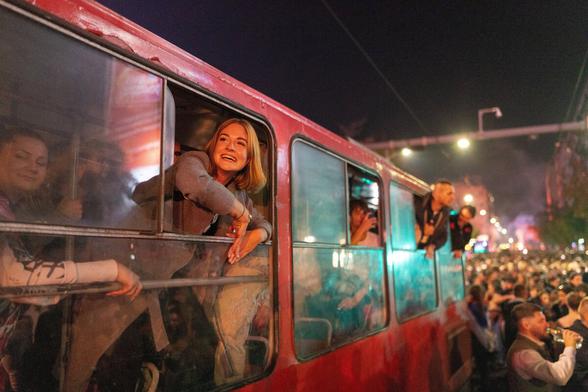
Serbia’s Student List won 53% of the vote in the 25 October parliamentary election, ending Aleksandar Vučić’s 14-year dominance and leaving his Serbian Progressive Party with 39%.
Vučić conceded defeat that night but has since accused the winners of “revolutionary terror,” citing the resignation of the state broadcaster RTS director and dismissals of senior editors as evidence. He warned that if “beatings, destruction and all the rest” continued unchecked, his supporters would “organise themselves.” Protesters also entered the Informer TV station, a pro-Vučić outlet long accused of demonising critics, while tabloid media have softened their tone toward the Student List.
The Student List, a coalition of professors, activists and artists born from a student revolt, has moved quickly to assert control. Citizens removed Vučić’s portraits from municipal buildings, and the public prosecutor’s office launched investigations into electoral fraud. A special commission is reviewing the work of Belgrade’s Higher Public Prosecutor’s Office, which critics say targeted Vučić’s opponents. The movement has also demanded resignations from mayors, police, intelligence and justice officials, arguing it will not wait for a new government to implement its mandate.
Vučić has vowed to rebuild his party and return to power, meeting Hungary’s former prime minister Viktor Orbán on 31 October. “Yes, we both recently lost elections, but we have not lost our dignity, our pride and our faith,” Vučić said. Orbán replied: “True friends become even better friends in hard times.”
The Student List’s victory followed years of allegations against Vučić’s government, including media control, state contracts favouring loyal firms, and links to organised crime. The catalyst for the revolt was the 2024 collapse of a railway station canopy in Novi Sad, which killed 16 people amid claims of corruption and poor workmanship.