
UEFA threatens World Cup boycott as FIFA plan to sell World Cup rights sparks global backlash

Story Timeline
2 months · 15 summary articles
FIFA President Gianni Infantino faced mounting opposition on Friday as major football confederations and a top adviser rejected his plan to sell stakes in World Cup commercial rights to private investors through a new subsidiary, FIFA Forward Enterprise.
UEFA, representing 55 European nations, unanimously threatened to boycott all FIFA competitions, including the World Cup, unless the proposal was abandoned. CONCACAF, covering North and Central America and the Caribbean, and the Asian Football Confederation also rejected the plan, with the AFC stating it was alarmed that a World Cup boycott had entered public discourse. The AFC added that the proposal risked undermining trust in football’s governance and could split the global football community.
Infantino’s senior adviser, Carlos Cordeiro, resigned in protest, calling the plan a “bad deal for football” and stating he had no role in its creation. Cordeiro, a former U.S. Soccer Federation president and White House task force adviser for the 2025 Club World Cup and 2026 World Cup preparations, wrote on LinkedIn that the move would be “a bad thing for the FIFA member associations, a bad thing for football, and a bad thing for the long-term future of the game.”
FIFA defended the proposal, insisting in a statement that “nobody is selling football” and that its consultation process had been disrupted by “inaccurate information reported in the media.” The organization said it would continue consultations so member associations could decide based on “verified facts.” Reports indicated FIFA valued the commercial entity at up to $20 billion and offered $40 million to each backing nation for the 2027–2030 cycle.
British Prime Minister Andy Burnham called for Infantino’s resignation, labeling the plan “outrageous” and stating Infantino was “the wrong man” to lead FIFA. The Dutch and Estonian football associations also opposed the commercialization, with Estonian FA President Aivar Pohlak saying “the sport should be for football people.”
FIFA’s statement reaffirmed its commitment to a “democratic consultation,” but the growing opposition from confederations representing a majority of its 211 member associations left the proposal’s future uncertain.
Follow us for live European news
- 4
- 2
- 1
- 1
- 1
- 1
- 1
- 1
- 1
- 1
- 1
- 1
- 1
- 1
- 1
3 further sources not geolocated
Articles
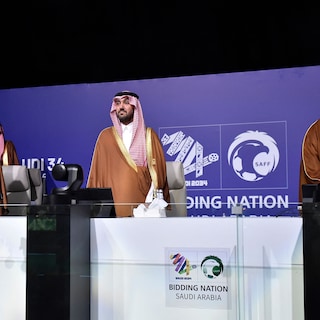
Ook Aziatische voetbalbond verzet zich tegen FIFA-plan om WK deels te verkopen
de morgen · about 2 months ago

Fifa: Andy Burnham fordert Rücktritt von Gianni Infantino Der Fifa-Chef sei »der falsche Mann«, sagt Großbritanniens Premier. Seine Privatisierungspläne für die Fifa seien »empörend«. Der Fußball gehöre den Menschen.
die zeit · about 2 months ago
Debate: World Cup stakes for sale: is this the endgame? Fifa is planning to sell up to 20 percent of its stake in the World Cup to private investors. According to media reports, its president, Gianni Infantino, wants to set up a new entity to raise billions in profits. Fifa has confirmed that it is examining the proposal. Uefa has criticised this as an irresponsible overstep and threatened a boycott. Most commentators are appalled, although some can see certain advantages.
eurotopics.net · about 2 months ago
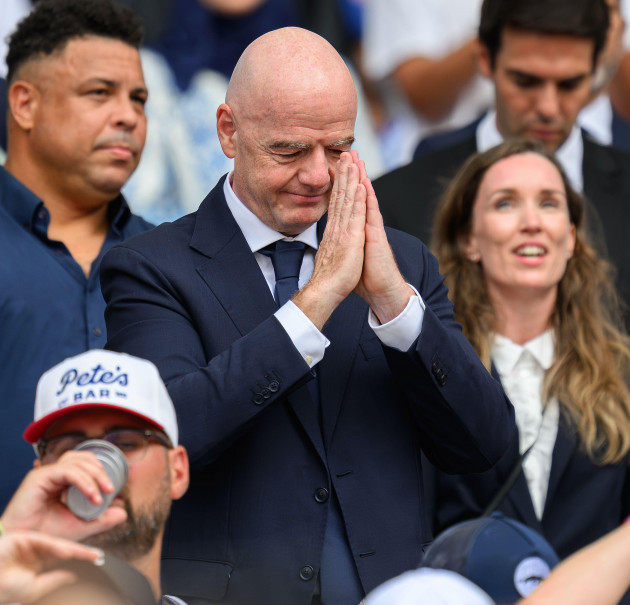
Should Fifa president Gianni Infantino resign amid World Cup sell-off controversy? Uefa has confirmed that European national teams will not play in Fifa competitions until the project is scrapped.
thejournal · about 2 months ago

Gianni Infantinos senior adviser Carlos Cordeiro has resigned in protest at the Fifa presidents attempt to sell off stakes in the World Cup
bluesky_The Times · about 2 months ago

British PM Andy Burnham has said that Gianni Infantino should quit as president as FIFA over his plans to sell a stake in the World Cup.
bluesky_Politico Europe · about 2 months ago
Hiába fenyeget totális bojkottal az UEFA is, Infantino nem adja fel, továbbra is privatizálni akarja a futball-világbajnokságokat A kritikák ellenére kitart az őrült terv mellett a FIFA. És különben is: a média a hibás, mert megzavarta a konzultációs folyamatokat.
444.hu · about 2 months ago
Wie is voor en wie is tegen? Zo liggen de kaarten voor omstreden plan van FIFA-baas Gianni Infantino
de morgen · about 2 months ago

La FIFA sigue adelante con su plan de privatizar el Mundial Infantino continúa con su objetivo de llevar a votación su plan pese a la oposición de la UEFA, la Concacaf y la Confederación Asiática
la vanguardia · about 2 months ago
FIFA zet aandelenplan door ondanks UEFA-opstand: Voetbal wordt niet verkocht De FIFA gaat door met het omstreden plan om de commerciële rechten van WKs te verkopen, ondanks de wereldwijde kritiek en de opstand van de UEFA. De wereldvoetbalbond beweert dat "niemand het voetbal verkoopt".
nu.nl · about 2 months ago
Topadviseur van FIFA-baas Infantino stapt op wegens omstreden WK-plan Topadviseur Carlos Cordeiro van FIFA-voorzitter Gianni Infantino is vrijdag per direct opgestapt. Hij is de eerste medewerker uit het team van de Zwitserse bestuurder die zich publiekelijk tegen hem en het omstreden WK-plan keert.
nu.nl · about 2 months ago
Fußball-Weltverband: Fifa will Investor-Pläne trotz Uefa-Boykott weiter vorantreiben Trotz heftiger Kritik will die Fifa an ihrem Plan festhalten, die Rechte an der Weltmeisterschaft und anderer Veranstaltungen zum Teil an private Geldgeber zu verkaufen. Die Ablehnung führt der Weltfußballverband auf „falsche Medienberichte zurück.
handelsblatt · about 2 months ago

Megvan, hogy mikor dönthet a FIFA a 64 csapatos világbajnokságról Egyelőre még azt kutatják, milyen piaci igény lenne a feldúsított világbajnokságra.
hvg.hu · about 2 months ago
European football vows to boycott World Cups if FIFA brings in private investors Europes football associations have voted to boycott the next World Cup following the announcement by FIFA to seek private investment for the tournament. FIFA is currently offering 40 million dollars to each country that backs its project. Associations across the world have said that they werent aware of any of the plans for the not-for-profit organisation to seek private investment.
france24 · about 2 months ago
Infantinos senior advisor resigns amid outrage over FIFAs private investment plan FIFA president Gianni Infantinos senior advisor has resigned in protest over his bosss plan to seek private investment for the World Cup football tournament. Carlos Cordeiro said such a move would "mortgage footballs future."His voice part of a growing opposition - which includes a potential boycott by Europes football associations - as well as CONCACAF - the governing body for football in North and Central America and the Asian Football confederation. FIFA is currently offering 40 million dollars to each country that backs its project.
france24 · about 2 months ago
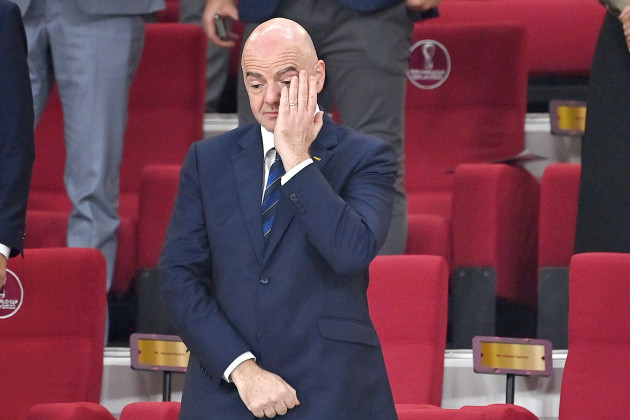
Infantinos top adviser quit and released a scathing statement about the World Cup investment row Carlos Cordeiro described the plans as a bad deal for football and said Fifa already has access to extraordinary financial resources.
thejournal · about 2 months ago

Gianni Infantinos World Cup plot is unravelling as senior advisor QUITS and Asian Federation join leading nations in opposing controversial plan - denying deluded FIFA boss a majority Gianni Infantinos divisive plan to sell stakes in the World Cup appears to be dead after the Asian Football Confederation (AFC) joined UEFA and Concacaf in opposing the plot.
dailymail · about 2 months ago
FIFA is pressing ahead with plan to onboard private investors FIFA announced on Friday that it intended to press ahead with its plan to set up a commercial company open to foreign investors, despite criticism and threats of a boycott from European nations. "The consultation process we had planned has been disrupted by inaccurate information reported in the media," FIFA, world footballs governing body, said in a statement on Friday, adding: We will nevertheless continue with this consultation so that each member association can make its decision based on verified facts. Nobody is selling off football. That is something FIFA would never even consider, the Zurich-based organisation stated in its press release, confirming that it had taken on board the criticism voiced in particular by the European (UEFA) and American (CONCACAF) associations. Democratic consultation We respect the feedback and concerns that have been made public and we reaffirm our commitment to an open and democratic consultation, the statement said. On Thursday, the 55 ...
swissinfo · about 2 months ago
Asian football body backs opposition to FIFA plans The Asian Football Confederation (AFC) has joined UEFA and Concacaf in opposing FIFAs plans to establish FIFA Forward Enterprise (FFE). UEFA is ready to boycott future World Cups over FIFAs proposal to sell commercial shares of FFE to external investors. Concacaf and the AFC also refuse to vote for the plans. FIFA needs a majority […]
cphpost · about 2 months ago
FIFA World Cup plan fallout: Infantinos senior adviser Cordeiro resigns Pressure is growing on FIFA and its President Gianni Infantino following proposals for private investment in World Cups.
aljazeera · about 2 months ago
AFC backs UEFA and CONCACAF who plan boycott over FIFA World Cup proposals FIFA face global mutiny as Asian Football Confederation stand with Europe and North America after their boycott threats.
aljazeera · about 2 months ago
Estonian FA boss on FIFA privatization plan: The sport should be for football people Estonian Football Association (EJL) president Aivar Pohlak has raised concerns about world football governing body FIFAs plan to partly privatize its major competitions, including the World Cup.
news.err · about 2 months ago

Andy Burnham calls on Infantino to resign over outrageous World Cup plans
bluesky_The Guardian · about 2 months ago

Andy Burnham has called on Gianni Infantino to resign as Fifa president after his plan to sell stakes in the World Cup provoked uproar across the football world
bluesky_The Times · about 2 months ago
Zo kunnen de voetbalbonden FIFA-voorzitter Infantino voortijdig afzetten Het verzet tegen FIFA-voorzitter Gianni Infantino wordt met de dag groter. Maar kunnen de nationale voetbalbonden hem ook daadwerkelijk afzetten? De FIFA-regels laten zien dat dit mogelijk is, al liggen er hoge politieke drempels.
nu.nl · about 2 months ago
Nach Investorenidee der FIFA: Streich poltert gegen FIFA: „Das ist Mafia-Gehabe Christian Streich, bekannt für seine klaren Meinungen, kritisiert die FIFA scharf. Die WM boykottieren wegen der Pläne von FIFA-Boss Gianni Infantino? Für Streich ist die Antwort klar.
tagesspiegel · about 2 months ago
WM-Gastgeber gegen Infantino: Nächster Verband stellt sich gegen Fifa-Plan Die Uefa leistet massiven Widerstand gegen den in dieser Woche vorgeschlagenen Investorendeal der Fifa. Nun erhalten die Europäer unerwartete Unterstützung. mehr...
taz.de · about 2 months ago
Alle gegen Infantino: Auch der asiatische Fußballverband erteilt Fifa Absage Nach Uefa und Concacaf spricht sich auch Asiens Regionalverband AFC gegen den Investorendeal aus. Damit hat der Infantino-Plan rechnerisch keine Mehrheit mehr. mehr...
taz.de · about 2 months ago
„Nimeni nu vinde fotbalul, anunţă FIFA, după ce UEFA şi Concacaf au respins planul de a vinde participații către investitori privați FIFA a răspuns indignării provocate de un plan de a vinde participaţii la competiţiile sale către investitori privaţi, declarând că intenţionează să continue procesul de consultare.
digi24 · about 2 months ago
Fifa-Berater und Infantino-Vertrauter Carlos Cordeiro tritt zurück Carlos Cordeiro, hochrangiger Berater des Fußball-Weltverbands Fifa, tritt aus Protest gegen die Pläne von Gianni Infantino zurück.
die presse · about 2 months ago