
FIFA proposes selling stakes in World Cup to investors amid backlash from UEFA and football authorities

Story Timeline
2 months · 10 summary articles
FIFA President Gianni Infantino has called the plan to sell stakes in the World Cup a proposal but not an obligation, following strong criticism from football authorities. The proposal, announced this week, involves creating a $20 billion subsidiary to run the World Cup and other events, with plans to sell up to 20% of the stakes to external investors.
The plan has faced fierce backlash from UEFA and other football authorities, who feel blindsided by the proposal. Critics accuse FIFA of commercializing the sport excessively and lacking transparency. UEFA has been particularly vocal in its opposition, with some officials accusing FIFA of attempting to "sell" the sport to investors.
Infantino has defended the proposal, stating that it is part of a democratic process and an opportunity, not an obligation. In a video message released by FIFA on Wednesday, Infantino said, "It’s part of a democratic process – a consultation process – and, above all, it is an opportunity but not an obligation." He emphasized that FIFA would continue to govern football without external interference and that the World Cup would remain the flagship tournament.
The proposal has sparked concerns among fans and officials about the potential impact on the sport. Critics fear that the involvement of external investors could lead to more tournaments and increased commercialization. However, Infantino has sought to reassure fans, stating that the sport they love will not change.
The plan requires approval from a majority of FIFA's 211 member associations and the FIFA Council. Infantino has highlighted the potential financial benefits for smaller nations, stating that the proposal could significantly increase the funds available to member associations. According to Infantino, the plan could result in member associations receiving up to 80 million dollars over a 12-year cycle, compared to the previous 250,000 dollars per year.
The controversy has led to calls for greater transparency and consultation within FIFA. UEFA has called an emergency meeting to discuss the proposal, and some member associations have expressed their opposition to the plan. However, there is also support for the proposal from some smaller nations, who see it as an opportunity to increase their share of the commercial revenues generated by the sport.
The proposal has also raised questions about the governance of FIFA and the role of private investors in the sport. Some officials have accused FIFA of using financial incentives to secure support for the proposal, with reports suggesting that member associations that approve the plan could receive significant financial rewards.
In response to the criticism, Infantino has emphasized the potential benefits of the proposal for the global development of football. He has argued that the involvement of external investors could bring additional expertise and resources to the sport, helping to accelerate its growth and development.
The debate over the proposal is expected to continue in the coming weeks, with FIFA member associations set to vote on the plan in the near future. The outcome of the vote will determine whether the proposal moves forward and whether external investors will be allowed to acquire stakes in the World Cup and other FIFA events.
Follow us for live European news
- 4
- 2
- 2
- 2
- 1
- 1
- 1
- 1
- 1
- 1
- 1
- 1
- 1
2 further sources not geolocated
Articles

Polémica Proença. Novo áudio, novas críticas à arbitragem Em causa um registo divulgado ontem. O presidente da FPF reserva o direito a agir judicialmente. Ainda, a antevisão aos jogos de Benfica e SC Braga. E as ameaças de Gianni Infantino às federações.
observador · 2 months ago

Bejbl: Pokud to s Deniou vyjde, tak můžeme očekávat snahu přiblížit se španělskému hernímu stylu Česká fotbalová reprezentace po neúspěšném mistrovství světa stále hledá trenéra. Po konci Miroslava Koubka by se podle španělského deníku AS měl hlavním koučem stát Santi Denia. Je to muž, který v minulosti hrával i s bývalým českým reprezentantem Radkem Bejblem. Ten v rozhovoru pro Radiožurnál Sport přiznal, že Denia může u národního týmu výrazně změnit herní styl.
irozhlas.cz · 2 months ago
Potenzieller FIFA-Investor: US-Milliardär Kushner: Reich dank Tech-Investitionen Joshua Kushner soll eine Schlüsselrolle beim FIFA-Plan spielen, Investoren ins Boot zu holen. Wer ist der Mann? Und was hat er mit Donald Trump zu tun?
tagesspiegel · 2 months ago
Fußball: Dänischer Erstligist trennt sich von deutschem Trainer Die neue Saison in Dänemark ist erst einen Spieltag alt, da muss ein deutscher Trainer schon gehen. Dabei hat er in der vergangenen Saison die Ziele erreicht.
tagesspiegel · 2 months ago
Lässt sich Infantino noch stoppen? Uefa-Krisensitzung zu umstrittenem Fifa-Plan Die europäischen Verbände besprechen am Donnerstag, wie sie dem Alleingang von Gianni Infantino entgegen treten. Doch nicht einmal innerhalb des Uefa-Verbunds herrscht Einigkeit.
die presse · 2 months ago

Bem vindo de volta, Gaitán Dos milhões de Zidane em França ao ultimato de Infantino às federações pelo Mundial, o futebol não pára. E ainda há espaço para nostalgia: Nico Gaitán está de regresso aos relvados com 38 anos
observador · 2 months ago
Kontroverse um WM-Rechte: Infantino verteidigt Investoren-Plan als „einmalige Chance Bestechung, Erpressung, Ausverkauf: Die Empörung über die Investoren-Pläne des Fußball-Weltverbands ist besonders in Europa groß. Der schon während der WM heftig kritisierte FIFA-Präsident wehrt sich.
tagesspiegel · 2 months ago
Jalkapallo | Gianni Infantino perustelee MM-kisojen myyntihanketta rahalla Fifan puheenjohtaja selittää kuviota tuoreella videolla. Avainasemassa on raha.
helsingin sanomat · 2 months ago
Infantino calls plan to sell World Cup stake a proposal, not an obligation FIFA President Gianni Infantino called the plan to sell stakes in the World Cup a proposal but not an obligation after the idea provoked a furious response from some football authorities. FIFA announced plans this week to create a $20 billion subsidiary to run the World Cup and its other events, and said it will […]
cyprus mail · 2 months ago
Fifa proti argentinski reprezentanci sprožila disciplinske postopke Mednarodna nogometna zveza (Fifa) je sporočila, da je uvedla disciplinske postopke proti nekaterim argentinskim nogometašem zaradi njihovega vedenja po porazu proti Španiji v finalu svetovnega prvenstva.
rtv slovenia · 2 months ago
Infantinos geplanter Investorendeal: Uefa beruft Dringlichkeitstreffen zu Fifa-Plänen ein Der geplante Investorendeal der Fifa stößt bei Europas Dachverband auf Widerstand. Laut Berichten soll es heute dazu Beratungen der Uefa-Verbände geben.
tagesspiegel · 2 months ago
The Enhanced Games from a Human Rights Perspective Can you imagine the Olympics but with doping allowed? In the US, this has become a reality. On May 24, 2026, the first-ever edition of the Enhanced Games started in Las Vegas. This is a privately funded event in which athletes are permitted to utilize performance-enhancing substances. The main vision behind is [t]he idea that athletes should compete substance-free is a 20th-century invention, not a timeless moral principle. I argue that these events should be evidence-based, subject to ongoing monitoring, and adopted through a transparent and participatory process. The post The Enhanced Games from a Human Rights Perspective appeared first on Verfassungsblog.
verfassungsblog · 2 months ago
Kevin Warsh is confusing markets The Fed is a player, not a referee
financial times · 2 months ago
Infantino insists FIFAs World Cup plan is proposal and not obligation Football governing bodies hit out at plans to sell World Cup stakes, as FIFA insist proposal is not an obligation.
aljazeera · 2 months ago
Uefa to hold emergency meeting over Fifa World Cup plans European footballs governing body Uefa will hold a meeting of all 55 member associations on Thursday afternoon to discuss its response to Fifas controversial World Cup plans.
bbc · 2 months ago
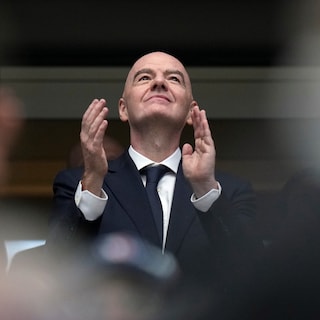
Uefa dreigt met boycot van toernooien om aandelenplan Fifa tegen te houden, vandaag spoedoverleg
de volkskrant · 2 months ago
„Einmalige Chance: Infantino verteidigt Fifa-Investoren-Plan In einer Videobotschaft rechtfertigt der Weltverbandspräsident den geplanten Einstieg externer Geldgeber. Sie seien „Teil eines demokratischen Prozesses.
die presse · 2 months ago
Fußball: Medien: UEFA beruft Dringlichkeitstreffen zu FIFA-Plänen ein
die zeit · 2 months ago
Messi returns to MLS training 10 days after World Cup final heartbreak Lionel Messi returns to Inter Miami after Argentinas World Cup final defeat by Spain, which led to retirement rumours.
aljazeera · 2 months ago

Que va faire lUnion belge face aux avances lucratives dInfantino et la Fifa ? "Nous misons sur la bonne gouvernance" Alors que la Fifa promet 40 millions de dollars aux fédérations qui valident son projet commercial, les grandes fédérations européennes haussent le ton. ...
la libre · 2 months ago

Adeyemi: Hansi Flick me ha traído al mejor club del mundo, le estaré siempre agradecido El nuevo fichaje del FC Barcelona atiende a La Vanguardia en el stage de St Georges Park
la vanguardia · 2 months ago
KNVB gaat niet akkoord met WK-plan van FIFA: Grens bereikt en overschreden KNVB-voorzitter Frank Paauw heeft zich woensdagavond in een korte verklaring uitgesproken tegen het plan van de FIFA om een deel van de aandelen van toekomstige WKs te verkopen. Volgens Paauw heeft de wereldvoetbalbond een grens overschreden.
nu.nl · 2 months ago
Jalkapallo | Fifa tutkii argentiinalaisten väkivaltaista toimintaa MM-finaalissa, kolme pahoinpitelyepäilyä Fifa tutkii Argentiinan jalkapalloliittoa ja joukkueen jäseniä.
helsingin sanomat · 2 months ago
Gianni Infantino riscă o anchetă în Congresul SUA din cauza legăturilor cu Donald Trump Președintele FIFA, Gianni Infantino, riscă să intre în vizorul Congresului american dacă Partidul Democrat va câștiga majoritatea în Camera Reprezentanților la alegerile din noiembrie.
adevarul · 2 months ago
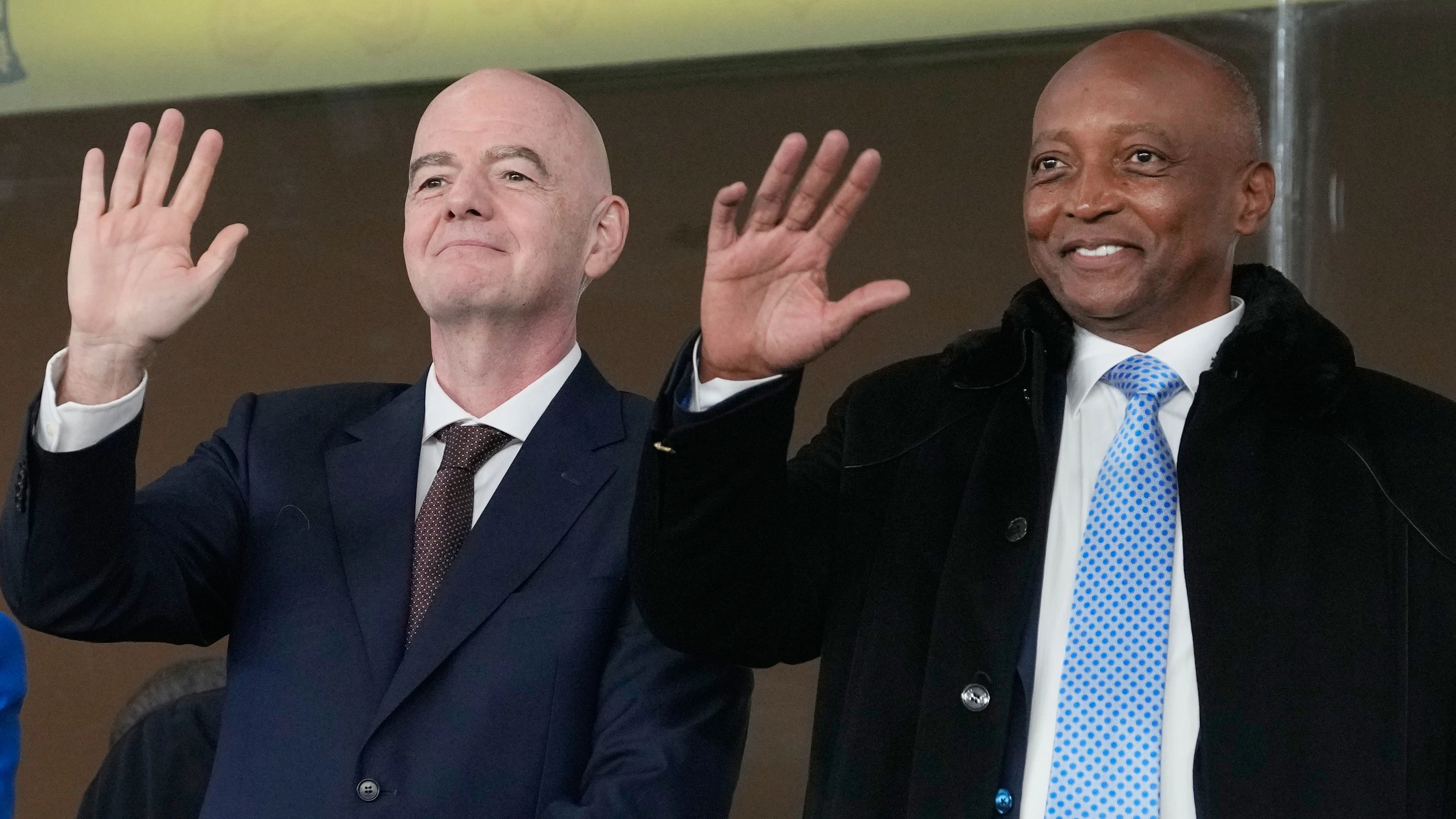
Anders als die UEFA: Afrikas Verband reagiert auf die FIFA-Pläne Die Investoren-Pläne der FIFA sorgen in Europa für heftige Kritik. In Afrika ist die Reaktion eine andere. Der Fußballverband äußert sich zu dem Vorhaben nicht abgeneigt.
faz · 2 months ago
FIFA investigating Argentina players for ruckus after World Cup final Argentinas contentious exit from the World Cup could end up having long-term consequences, as FIFA on Monday announced assault charges against two Albiceleste players and an assistant coach. Midfielder Leandro Paredes faces three assault charges, defender Nahuel Molina faces charge of assault and unsporting behavior, and assistant coach Roberto Ayala is accused of one count […]
cyprus mail · 2 months ago
Σιλβέιν Φρανσίσκο: Ο «κοντός» που έκανε... μάγκα ο Σπανούλης στο Περιστέρι και τώρα ολοκληρώνει την νέα Dream Team του Παναθηναϊκού Οι «Πράσινοι» έστρωσαν χαλί εκατομμυρίων στον 29χρονο Γάλλο γκαρντ, καθώς οι απολαβές του θα ξεπερνούν τα τρία εκατ. ετησίως για τα επόμενα τρία χρόνια
protothema · 2 months ago
Les dessous du projet de Gianni Infantino douvrir la FIFA aux investisseurs privés La Fédération internationale de football a annoncé, mardi, son intention de créer une société commerciale, pour maximiser ses revenus, notamment de la Coupe du monde. Une évolution critiquée, notamment par lUEFA, qui dénonce la « vente » du football.
le monde · 2 months ago
FIFA lockt mit Einnahmen: Anders als die UEFA: So sieht Afrikas Verband die FIFA-Pläne Die Investoren-Pläne der FIFA sorgen in Europa für heftige Kritik. In Afrika ist die Reaktion eine andere.
tagesspiegel · 2 months ago
Șeful FIFA ar putea afla curând prețul prieteniei cu Donald Trump. „Este scenariul unei furtuni perfecte Statutul de birocrat internațional preferat al lui Trump are un preț. Președintele FIFA, Gianni Infantino, a cultivat una dintre cele mai strânse relații cu Casa Albă dintre toți liderii mondiali. O schimbare a majorității în Camera Reprezentanților SUA în favoarea democraților l-ar putea face să plătească pentru asta.
digi24 · 2 months ago