Spain's first general strike in 14 years brought millions of workers to a halt on Wednesday as unions demanded government action on the housing crisis and wage increases.
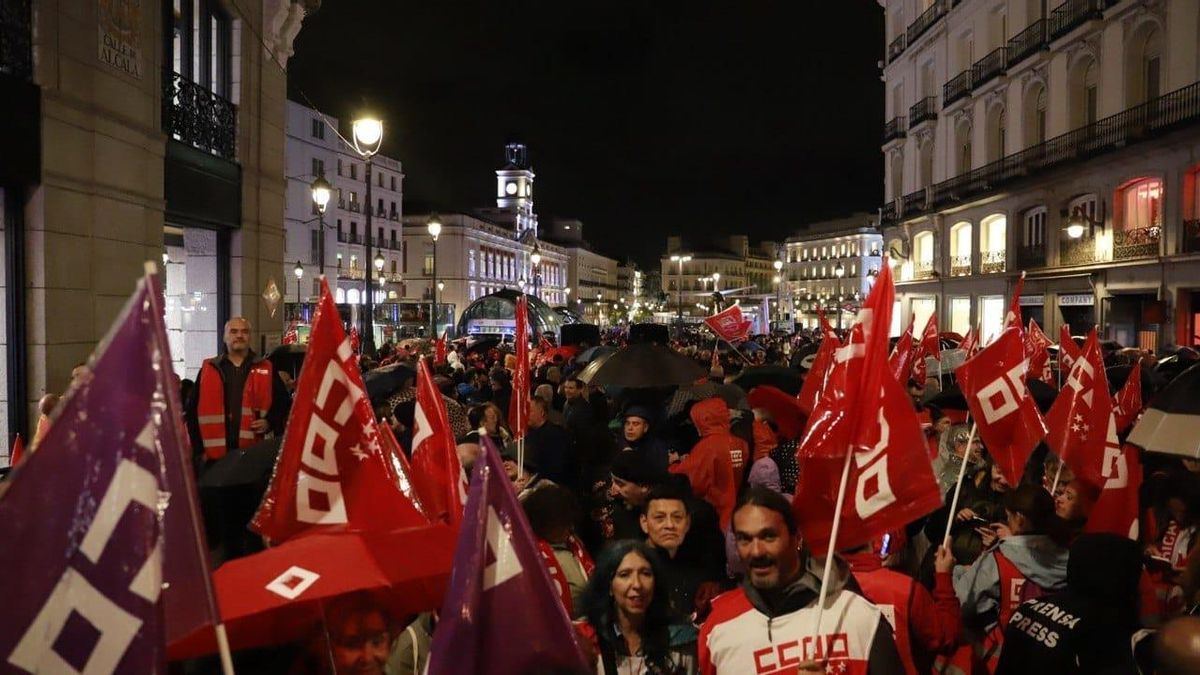
The 24-hour walkout began at midnight. It was called by Spain's two largest unions, UGT and CCOO, together with the tenants' union Sindicato de Inquilinas. The official slogan is "Salaries. Housing. Prices." Demonstrations were planned in nearly 130 cities.
The strike follows anger over the eviction of 87-year-old Maricarmen Abascal from her Madrid home last month. She died in hospital days after the eviction. Average rents have nearly doubled in 10 years. The Bank of Spain estimates a shortage of 750,000 homes. That figure could rise to 1 million by next year.
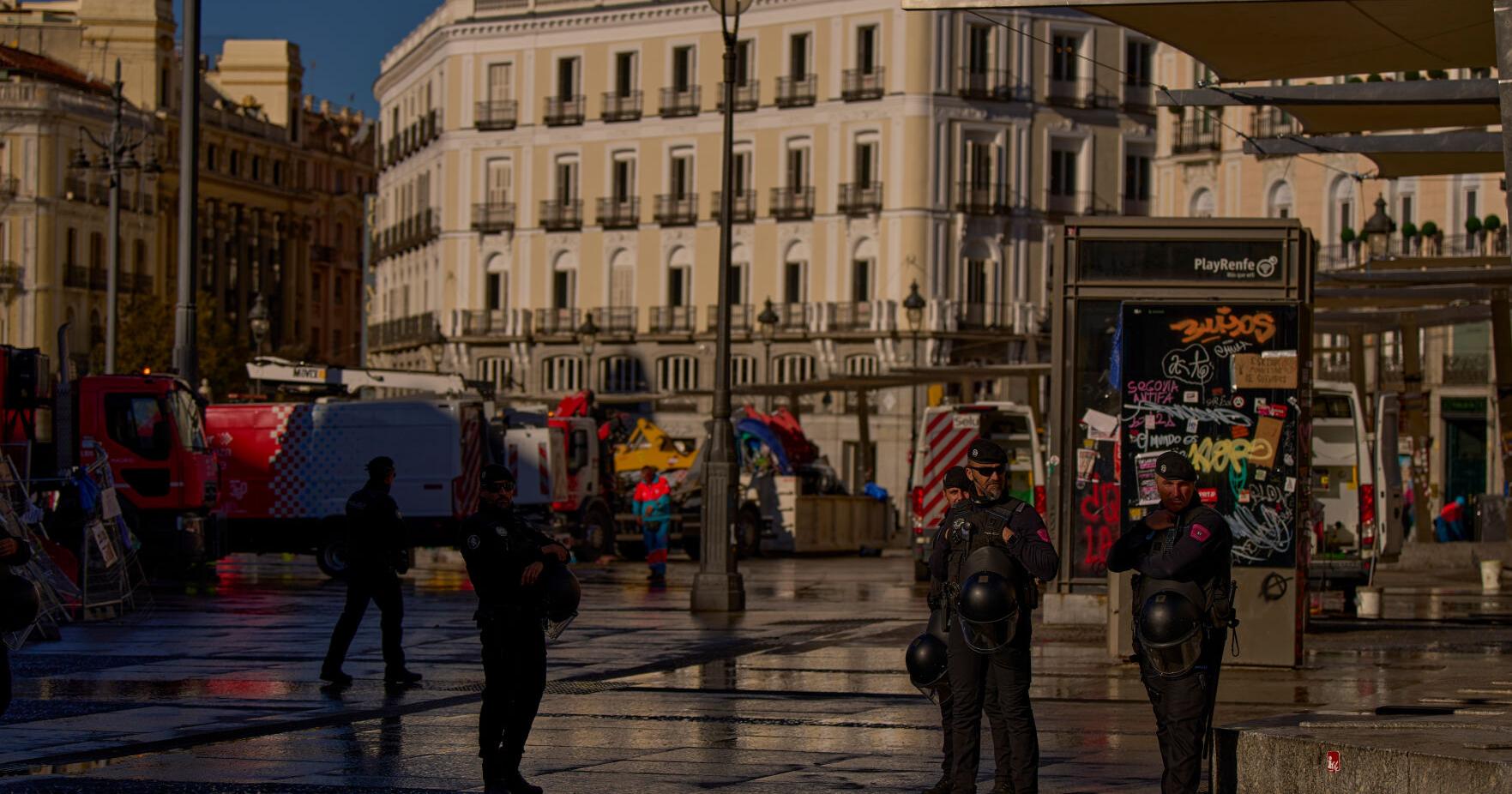
Unai Sordo of CCOO and Pepe Álvarez of UGT led pickets at Madrid's Puerta del Sol on Tuesday. Sordo called on young people to "cover the street" on Wednesday. Álvarez said "whoever governs, whatever happens on the 29th, they will have to listen to the street." The strike also demands defense of public services and wage increases amid record corporate profits.
The strike takes place 18 days before snap elections on November 29. Prime Minister Pedro Sánchez's government supports the walkout. Ministers canceled public events on Wednesday. The opposition Popular Party and far-right Vox oppose it. They called it a "shame" and "election maneuver." Sánchez called the election after parliament rejected housing decrees following Abascal's eviction.
Analyst Oriol Bartomeus said the strike offers Sánchez's Socialists a chance to refocus the campaign on housing. "The Socialists need for the strike to be a success and for there not to be any violence," Bartomeus said. Sánchez posted a video praising past labor victories. He warned that right-wing parties would bring austerity. The government will try on Thursday to have parliament ratify two housing decrees rejected last month.
Protesters targeted the real estate company Alquiler Seguro. They vandalized 27 of its 61 offices and occupied its Madrid headquarters. Transport was disrupted. Forty percent of long-distance trains were canceled. Ninety percent of Madrid's commuter rail services were halted. The business association CEOE called the strike illegal but did not file a legal challenge.
Housing activists want rent controls, an end to tourist apartments, and automatic lease renewals. The tenants' union demands penalty taxes for real estate speculation and criminal prosecution of artificial vacancy. Young protesters described living with parents or in shared rooms. A normal small apartment costs 1,200 euros, equal to the minimum wage.