Loading…
 Saturday, September 26Saturday, September 26
4 months · 15 summary articles
A leaked draft of a U.S.-Iran framework agreement to end the Middle East war, set to be signed in Geneva on Friday, reveals Tehran’s sweeping gains: a $300 billion U.S. financial package, resumption of Iranian oil exports, and a pledge never to pursue nuclear weapons—while key disputes over the Strait of Hormuz and Israeli troop withdrawals from Lebanon remain unresolved. Both Washington and Tehran have distanced themselves from the 14-point memorandum, which was published by Bloomberg and Al Arabiya .
The draft, circulating during the G7 summit, commits the U.S. to unlocking Iran’s frozen assets and facilitating its economic recovery in exchange for Iran’s formal renunciation of nuclear weapons and a pledge to reopen the Strait of Hormuz, the world’s most critical oil chokepoint . Iranian oil tankers have already breached a U.S.-led blockade, according to shipping data, signaling the deal’s immediate economic impact . Global oil prices have tumbled to their lowest levels since March, with analysts at Politico noting a market surge, though they caution that long-term stability remains uncertain .
Yet the agreement faces sharp criticism. European and Israeli leaders describe it as a humiliation for the U.S. and a capitulation to Iran, while regional experts argue the deal postpones the hardest questions—including Iran’s regional influence and the fate of Lebanese territory held by Hezbollah, which is seen as a beneficiary of the accord . The G7 is now discussing ways to reduce global reliance on the Strait of Hormuz, fearing Iran could weaponize its control over the waterway if the peace deal collapses .
The draft’s financial terms—reported as $300 billion in U.S. commitments—have sparked controversy within Donald Trump’s camp, with critics calling the concessions excessive . Meanwhile, Iran’s Revolutionary Guards are widely seen as the deal’s primary beneficiaries, having secured economic incentives without conceding on regional military posture .
As diplomats prepare for Friday’s signing in Geneva, the leaked text underscores the fragility of the accord. The Strait of Hormuz is slated to reopen by June 19, but locals in the region warn that Iran retains the leverage to repeat its blockade if future negotiations falter . For now, markets are celebrating, but the deal’s durability—and the balance of power in the Middle East—remains in question.
Follow us for live European news
1 further source not geolocated

Iranian oil tankers pass US blockade after US-Iran deal, data shows reut.rs/4a8LHTH
bluesky bot · 3 months ago

Utkast till avtal läckt – Iran ska få jättesumma Irans oljeexport får återupptas, och en plan ska skapas för att möjliggöra landets ekonomiska utveckling, enligt ett utkast till överenskommelse mellan Iran och USA.Det rapporterar medier som har tagit del av dokumentet.
expressen · 3 months ago
Conceptakkoord maakt Iraans regime winnaar van oorlog met VS en Israël De definitieve tekst van het akkoord waarmee de Verenigde Staten en Iran verdere onderhandelingen ingaan is nog niet bekend. Maar volgens deskundigen is uit de kladversie al één conclusie te trekken: de VS heeft deze oorlog niet gewonnen.
nu.nl · 3 months ago
Welthandel im Iran-Krieg: An diesen vier Meerengen hängt Deutschlands Wohlstand Der Iran-Krieg hat gezeigt, wie verletzlich der Welthandel ist. Dabei zählt die Straße von Hormus nicht einmal zu den relevantesten Engpässen. Deutschland drohen anderswo größere Probleme.
tagesspiegel · 3 months ago
Turkish, Egyptian, Pakistani FMs discuss US-Iran peace process Foreign Minister Hakan Fidan held separate phone calls with his Egyptian and Pakistani counterparts to discuss the US-Iran peace process and upcoming follow-up negotiations aimed at establishing lasting peace. The talks come as Pakistan, which led mediation, prepares for a signing ceremony in Switzerland on Friday.
yenisafak · 3 months ago
Yilmaz meets Lebanese deputy PM, warns of Israeli expansionism Turkish Vice President Cevdet Yilmaz received Lebanese Deputy Prime Minister Tarek Mitri in Ankara on Wednesday for talks stressing regional solidarity against Israeli expansionism and expanding bilateral cooperation, as Israeli attacks on Lebanon continued despite a fragile ceasefire.
yenisafak · 3 months ago
Iran tells Russia Israeli attacks on Lebanon must stop completely Iranian Foreign Minister Abbas Araghchi told his Russian counterpart Sergey Lavrov on Wednesday that Israeli attacks on Lebanon "must stop completely," stressing the need for Washington to ensure proper implementation of the Islamabad ceasefire memorandum.
yenisafak · 3 months ago
How the Iran war shook the global economy: energy, inflation, growth The US-Iran war has left deep scars on the global economy through higher energy prices, rising inflation, weaker growth, and disrupted commodity markets. The World Bank forecasts global growth to slow to 2.5 in 2026—a post-COVID low—and inflation to rise to 4. Gulf economies, developing nations, and food security have been disproportionately affected.
yenisafak · 3 months ago

Laccord qui a fuité prévoit dimportantes concessions financières des États-Unis à lIran Les quatorze points du protocole daccord entre Washington et Téhéran ont été publiés par Bloomberg et Al-Arabiya. Même sil est possible que des détails évoluent, ces fuites font apparaître des concessions économiques majeures qui suscitent déjà la polémique dans le camp de Donald Trump.
courrier international · 3 months ago
EN DIRECT - Moyen-Orient : les négociations sur le Liban sont «indépendantes» de laccord entre lIran et les Etats-Unis, selon Joseph Aoun Les Etats-Unis et lIran signeront vendredi en Suisse leur protocole daccord pour mettre fin à la guerre au Moyen-Orient, point de départ de deux mois de négociations, avec comme première étape la réouverture très attendue du détroit dOrmuz.
liberation · 3 months ago
300 Milliarden Dollar für den Iran: Woher kommt das Geld? [premium] Ein Investmentfonds soll den Wiederaufbau des Iran sicherstellen. Das steht im Memorandum, das am Freitag feierlich von Teheran und Washington unterzeichnet werden soll. US-Steuergeld sei da nicht drinnen, versichert US-Vizepräsident Vance.
die presse · 3 months ago
Three Iranian tankers exit Hormuz blockade in first crude exports in two months Three tankers carrying Iranian crude oil have sailed through the Strait of Hormuz for the first time since the United States imposed a naval blockade against Iran in mid-April, a vessel tracking website said.
intellinews · 3 months ago
Debate: US and Iran: how secure is the deal? Details of the framework agreement to end the war, which the US and Iran intend to sign in Geneva on Friday, have not yet been made public. The two sides have presented slightly different versions of the content. There are open questions regarding the passage of ships through the Strait of Hormuz, Irans nuclear programme and the withdrawal of Israeli troops from Lebanon. The press sees numerous pitfalls.
eurotopics.net · 3 months ago
FRANCE 24 Exclusive: what Strait of Hormuz locals think of the Iran-US deal Since the US-Israel strikes on Iran began on February 28th the Strait of Hormuz has effectively been blocked - a key strategy by Iran that upended global oil supplies and pressured its opponents. But what has it meant for the seafarers stranded there? Or those who call its islands home? With plans for the key shipping channel to be fully reopened after Friday June 19, FRANCE 24s correspondent Reza Sayah headed out onto the water to talk with people in the region.
france24 · 3 months ago
2 June 2026 - The US-Iran memorandum postpones the hardest questions. The Gulf cannot afford to do the same
commonspace · 3 months ago
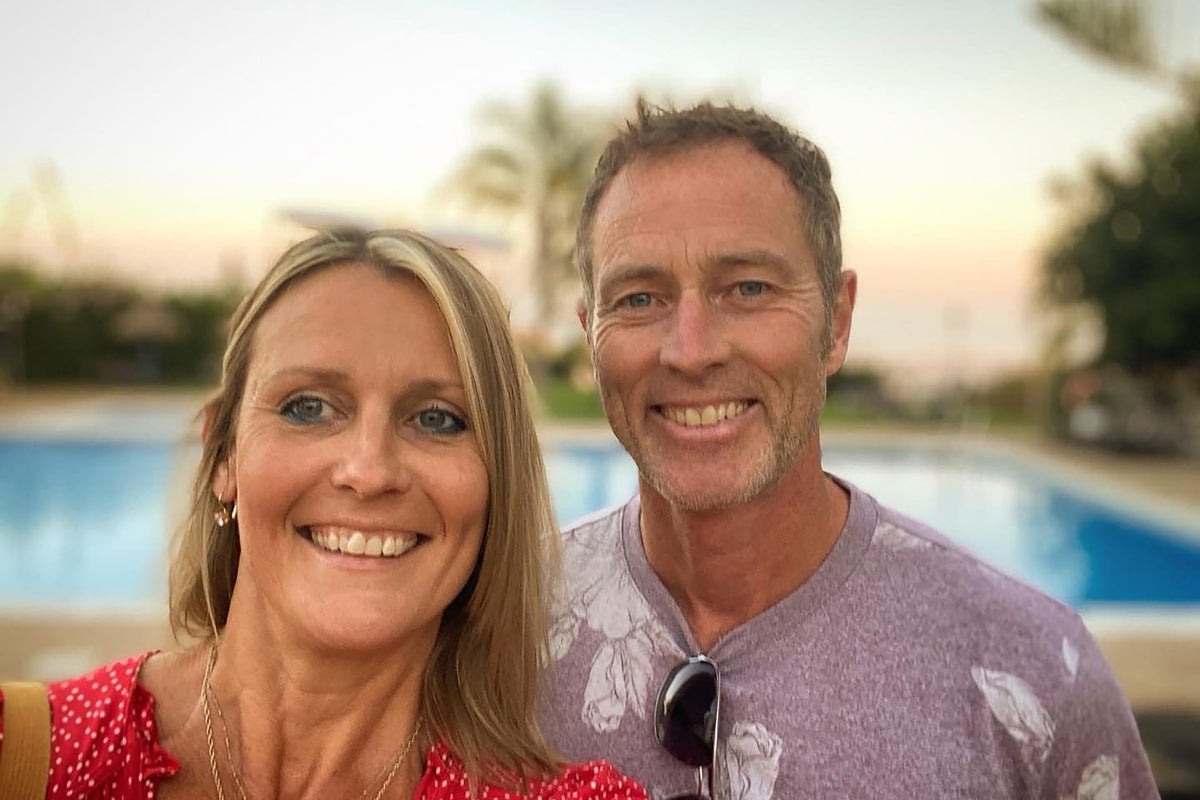
Family of British couple in Tehran prison want loved ones freed as part of Trumps Iran peace deal Craig and Lindsay Foreman feel stranded after they lost an appeal against a 10-year sentence in Iran
independent · 3 months ago
Israeli air strikes on Lebanon continue despite US-Iran deal There has been a reduction in violence since the US-Iran agreement was announced, but attacks have not stopped.
aljazeera · 3 months ago
Foreign ministry requests €700,000 from state for Middle East evacuation flights The Ministry of Foreign Affairs is requesting over €700,000 from the state to cover the cost of evacuation flights from the Middle East in the spring after the start of the war in Iran.
news.err · 3 months ago
Despite agreement, G7 looks to decrease Strait of Hormuz reliance A main topic of discussion among European leaders at the G7 summit has to do with decreasing the global reliance on the Strait of Hormuz. Irans success in shuttering the critical waterway has sparked fears that Tehran could use it as an ongoing bargaining chip if a ceasefire and peace deal falls apart. European leaders have pledged military assets to help reopen the Strait of Hormuz.
france24 · 3 months ago
Iran pledges no nuclear weapons as US commits $300bn, leaked deal draft shows The full US-Iran framework deal to end the war, as circulated during the G7 summit, would see Iran abandon its pursuit of a nuclear weapon in exchange for financial incentives to comply with the agreement.
euronews · 3 months ago

Middle East crude slips into discounts as U.S.-Iran deal lifts supply outlook reut.rs/4ev3hTa
bluesky bot · 3 months ago
🇮🇱❌🇮🇷- According to Maariv, the Israeli government has instructed its military and security establishment to continue developing target banks and preparing for future escalation, with officials in Tel Aviv anticipating that the US-Iran peace agreement will quickly collapse. ➡️ Israeli Minister Zeev Elkin alleged that Israel was completely excluded from the negotiations and stated that because Israel is not a party to the agreement, it is not bound by its terms and could not demand to review the memorandum of understanding. Elkin added that the document holds no binding authority over Israeli actions. ➡️ The minister also revealed that international mediators attempted to secure Israeli approval for a complete military withdrawal from Lebanon as part of the broader agreement, but Prime Minister Netanyahu reportedly rejected the proposal outright, even as the deal calls for a halt to Israeli operations. @GeoPWatch
telegram bot · 3 months ago
🇮🇱📉 The Tel Aviv Stock Exchange index, TASE, has collapsed following the announcement of a US-Iran deal The Tel Aviv Stock Exchange fell sharply on June 15th in a negative response to the US-Iran agreement, which investors see as disadvantageous to Israel. The Tel Aviv 35 Index fell 2.01 to 4,255.89 points, the Tel Aviv 125 Index fell 2.34 to 4,191.81 points; and the BlueTech Global Index fell 1.60 to 689.98 points. The TelBond 60 corporate bond index fell 0.03 to 426.97 points. Turnover totaled NIS 5.83 billion in equities and NIS 5.90 billion in bonds. From Monday to Wednesday, TASE lost 2 billion in market cap. TASE peaked in May at 17.2 billion shekels in market cap and it is now below 13.9 billion shekels @CIG_telegram
telegram bot · 3 months ago
Israeli minister warns of worrying Türkiye-Qatar-Pakistan axis Israeli Diaspora Affairs Minister Amichai Chikli told Israels 103 FM on Wednesday that the emerging "Türkiye-Qatar-Pakistan axis" poses a strategic concern for Tel Aviv, claiming the three nations helped shape the US-Iran framework agreement amid criticism of Prime Minister Benjamin Netanyahus exclusion from the negotiations.
yenisafak · 3 months ago
Pope Leo welcomes US-Iran deal, urges strengthened Middle East stability Pope Leo XIV welcomed the US-Iran agreement as an encouraging outcome of dialogue, expressing hope it would strengthen mutual trust, security, and stability in the Middle East. He thanked the countries that mediated the deal. The accord, mediated by Pakistan and Qatar, is set to be signed in Switzerland on Friday.
yenisafak · 3 months ago
Abkommen zwischen USA und Iran: Der Punktsieg für Teheran scheint sich zu bestätigen Der TV-Sender Al Arabiya veröffentlicht einen neuen Entwurf der Absichtserklärung zwischen USA und Iran. An Teheran soll bereits Geld geflossen sein. mehr...
taz.de · 3 months ago