Loading…
 Saturday, September 26Saturday, September 26
4 months · 35 summary articles
Iranian oil tankers have broken a two-month US blockade to transit the Strait of Hormuz for the first time since hostilities began, marking the first concrete step in a landmark peace framework agreed between Washington and Tehran. On Wednesday, 17 June 2026, multiple outlets confirmed that Iranian-flagged vessels carrying crude oil passed through the strategic waterway without incident, a move Iran’s foreign ministry described as “the immediate dividend of ending the war.”
The breakthrough follows a confidential 14-point memorandum of understanding finalised on Sunday, 15 June, which commits both sides to a 60-day negotiation track culminating in a definitive peace treaty. According to a leaked draft seen by Bloomberg and reported by Digi24, the framework stipulates the full reopening of the Strait of Hormuz within 30 days, the lifting of all sanctions against Iran, and the establishment of a privately funded $300 billion economic support package for Tehran—contingent on Iran dismantling its nuclear programme and ceasing regional military activities.
US and Iranian officials confirmed on Sunday that the memorandum will be formally signed in Geneva on Friday, 19 June, with President Donald Trump stating that the accord aims to “put the Middle East war in the rear-view mirror.” Trump added that the Strait of Hormuz will remain toll-free, a concession intended to stabilise global oil markets rattled by weeks of disrupted shipping.
Reuters and Tagesspiegel report that more than half of the $300 billion fund—sourced exclusively from private investors—has already been earmarked for infrastructure, energy, and banking sectors, with disbursement scheduled to begin within 90 days of the treaty’s ratification. The agreement also includes provisions for the phased withdrawal of Iranian-backed forces from Lebanon and Yemen, a demand long insisted upon by Washington.
Markets reacted cautiously: Brent crude futures dipped 1.8% on Wednesday as traders weighed the deal’s long-term impact on supply against lingering scepticism over enforcement mechanisms. Analysts at Reuters noted that while the immediate lifting of the blockade reduces geopolitical risk premiums, the success of the accord hinges on Iran’s compliance with nuclear curbs and regional de-escalation.
In Tehran, state media framed the memorandum as a diplomatic victory, emphasising the economic lifeline represented by the $300 billion fund. However, Digi24’s analysis highlighted that the concessions—particularly on the nuclear programme—signal a strategic retreat for Iran, despite official rhetoric.
With the Geneva signing ceremony two days away, diplomats from both capitals are scheduled to convene in Bern next week to draft the final treaty text, aiming to conclude negotiations before the 60-day window closes in mid-August.
Follow us for live European news
2 further sources not geolocated

Oil dips as investors weigh deal on Iran war as uncertainty persists on Hormuz reut.rs/3S3Phsh
bluesky bot · 3 months ago

DIRECT- Guerre au Moyen-Orient : deux pétroliers iraniens ont franchi la zone du blocus américain Les informations importantes de ce mercredi 17 juin dans le conflit au Moyen-Orient. ...
la libre · 3 months ago

Grok, lIA de Musk, a servi dans les frappes en Iran, révèle le Pentagone Lintelligence artificielle (IA) dElon Musk, Grok, a servi dans les frappes contre lIran, révèle le gouvernement américain dans un mémoire judiciaire défendant les turbines à gaz dun centre de données géant de la société du multimilliardaire, xAI, visées par une plainte environnementale. ...
la libre · 3 months ago
USA und Iran wollen Rahmenabkommen am Freitag in der Schweiz unterzeichnen Das Rahmenabkommen zwischen Washington und Teheran für ein Ende des Iran-Kriegs wird am Freitag in den Schweizer Alpen unterzeichnet. Wie das Schweizer Außenministerium der Agentur AFP bestätigte, erfolgt die Zeremonie in einem Luxushotel Luzern.
welt.de · 3 months ago

Einreise-Streit mit dem Iran: USA bleiben bei harter Regelung für WM-Fußballer Nach dem Remis gegen Neuseeland beklagen Irans Spieler die strikten US-Einreise-Regeln. Der WM-Beauftragte der Trump-Regierung bleibt jedoch bei der harten Linie und verweist auf klare Vorgaben.
tagesspiegel · 3 months ago
KI-gestützte Zielfestlegung: Pentagon setzte Musks Chatbot Grok beim Iran-Krieg ein Elon Musks KI-Unternehmen xAI sieht sich einer Umwelt-Klage in Tennessee ausgesetzt. Die US-Regierung springt dem Konzern nun zur Seite: xAI sei im Iran-Krieg für 2000 Angriffe der US-Armee genutzt worden.
tagesspiegel · 3 months ago
+++ Iran-Krieg +++: Kabinett will kommende Woche offenbar Einsatz in Straße von Hormus beschließen Trump kritisiert israelisches Vorgehen im Libanon +++ US-Friedensabkommen erlaubt Iran offenbar sofortigen Ölverkauf +++ Trump offen für Prüfung von Iran-Abkommen durch US-Kongress +++ Der Newsblog.
handelsblatt · 3 months ago
US denies Israel access to Iran agreement, Israel unaware of full details The United States rejected an Israeli request to review a memorandum of understanding reached with Iran, leaving Israel unaware of the agreements full details, Israeli media reported. The agreement is expected to be signed in Switzerland on Friday.
yenisafak · 3 months ago
Vance says Trump never aimed to install Irans Pahlavi US Vice President JD Vance has clarified that President Donald Trump never sought to install Reza Pahlavi as Irans leader, emphasising that Washingtons objectives were focused on ending Tehrans nuclear programme through diplomacy or military action. Vance described the US-Iran memorandum as a regional peace framework with conditional economic benefits.
yenisafak · 3 months ago
US Senate rejects Iran war powers resolution after deal The US Senate has narrowly blocked a war powers resolution aimed at ending military hostilities against Iran, with the 47-48 vote marking the first such action since Washington and Tehran announced a framework agreement. Four Republicans joined Democrats in supporting the measure, while one Democrat opposed it.
yenisafak · 3 months ago
Pope Leo voices hope US-Iran deal can end war Pope Leo has expressed cautious optimism over the US-Iran memorandum of understanding, urging continued dialogue over a return to conflict. The pontiff said the agreement could be "truly a solution to the war" while also calling for compassionate approaches to migration and respect for human dignity.
yenisafak · 3 months ago
Israeli media slams Netanyahu as humiliated by Trump Israeli analysts have launched scathing attacks on Prime Minister Benjamin Netanyahu following the US-Iran agreement, describing him as a "failure" and "liar" who was "humiliated" by President Trump. Columnists said Netanyahu was excluded from the deal and left unaware of its details, marking a "colossal strategic failure" for Israel.
yenisafak · 3 months ago
Irans Torabi receives new US visa, cleared to rejoin World Cup team Irans winger Mehdi Torabi has received a new multiple-entry US visa and is now cleared to rejoin Irans national team for the remainder of the World Cup, the teams media department announced. Torabis previous visa was issued for a single entry only.
yenisafak · 3 months ago
Trump says Strait of Hormuz will be fully open, toll-free by Friday President Trump said the Strait of Hormuz would be fully reopened by Friday and remain open to shipping toll-free on a permanent basis. He also said he would release the peace deal document with Iran and send it to Congress for review.
yenisafak · 3 months ago
Ce cuprinde memorandumul de înțelegere în 14 puncte SUA-Iran: redeschiderea Ormuz, problema Libanului, finanțare uriașă pentru Teheran SUA și Iranul urmează să semneze oficial un memorandum de înțelegere pe 19 iunie în Elveția, deschizând calea pentru 60 de zile de discuții menite să pună capăt definitiv războiului și să impună noi limite stricte programului nuclear al Iranului. Textul proiectului în 14 puncte a fost consultat și publicat de Bloomberg.
digi24 · 3 months ago
US-Regierung setzte Musks KI-Chatbot Grok in Iran-Krieg ein
orf.at · 3 months ago
16 June 2026 - Iran and the US agree on a Memorandum of Understanding
commonspace · 3 months ago
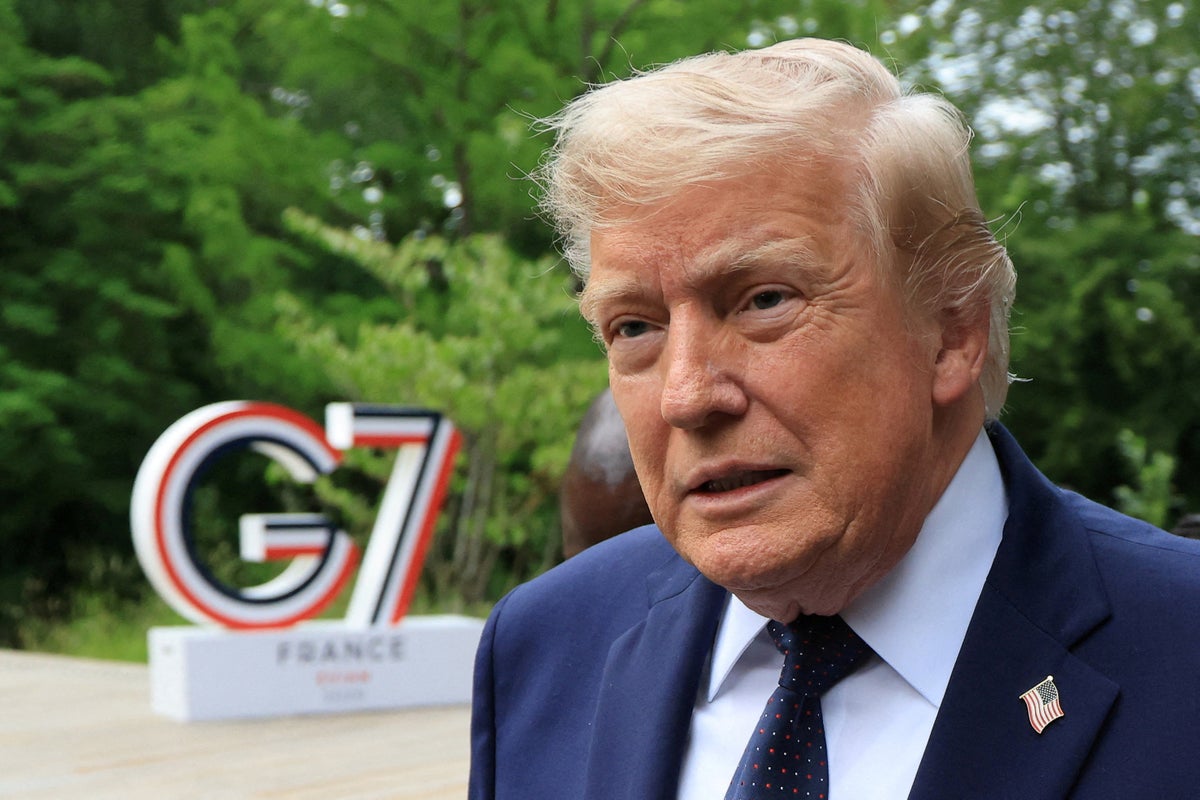
Iran-US war latest: Trump hopes to put war in rearview mirror and says Strait of Hormuz will stay toll-free Reports suggest the deal would appear to offer Iran major concessions that would boost its economy
independent · 3 months ago
Irans First Oil Exports In Months Leave Strait Of Hormuz, Says Monitor As the US-Israeli war with Iran continues to impact and shape the region, journalists from RFE/RLs Central Newsroom and Iranian service, Radio Farda, deliver ongoing updates and analysis.
radio free europe · 3 months ago
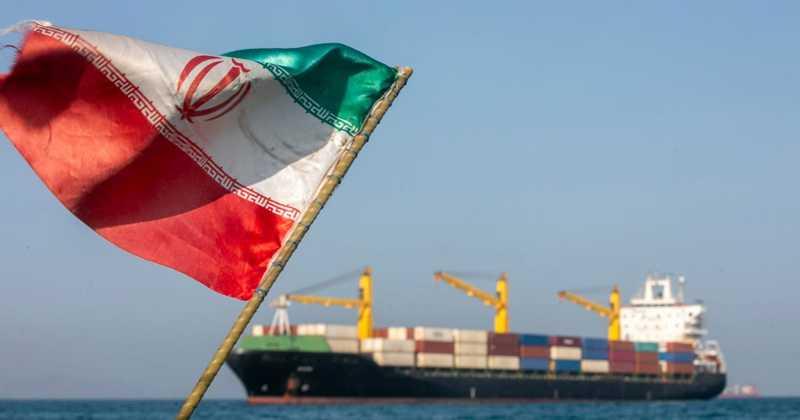
All the ways the US-Iran deal wont fix Europes energy problemsTwelve million barrels of oil a day wont magically reappear on the market even if the pact holds. #News #Iran #Europe #Kpler
mastodon bot · 3 months ago
300 Milliarden Dollar für Teheran und Ende der Sanktionen: Entwurf des USA-Iran-Abkommens durchgesickert Das Geld für die iranische Wirtschaft soll nur aus privaten Kanälen kommen. Alle Sanktionen gegen den Iran sollen zudem aufgehoben werden.
tagesspiegel · 3 months ago
Iran to receive immediate oil sanctions waivers under US-Iran deal, WSJ reports Iran will be allowed to immediately sell oil and fuel under the US-Iran deal, with sanctions waivers taking effect upon signing, the Wall Street Journal reported. The waivers also cover banking, transportation, and insurance services needed to facilitate transactions.
yenisafak · 3 months ago
Armatorii nu se grăbesc să se întoarcă în Strâmtoarea Ormuz, în ciuda acordului dintre SUA și Iran Este puțin probabil ca marile companii de transport maritim să reia tranzitul prin Strâmtoarea Ormuz în următoarele săptămâni, până când nu vor fi siguri că acordul dintre Statele Unite și Iran va fi respectat, relatează Financial Times, citându-l pe Jotaro Tamura, directorul general al Mitsui OSK Lines, cel mai mare operator de petroliere din lume.
digi24 · 3 months ago
Iran droht Israel nach Angriffen im Libanon mit "harter Reaktion" Nach der Vereinbarung mit den USA zur Beendigung des Iran-Kriegs ist der Export iranischen Erdöls per Schiff zum ersten Mal seit zwei Monaten wieder angelaufen
der standard · 3 months ago
Krieg in Nahost: Aufhebung aller Sanktionen - was die USA und Iran vereinbart haben Nach der Einigung zwischen den USA und Iran wird der Text der Vereinbarung öffentlich. Was darin steht.
sueddeutsche · 3 months ago
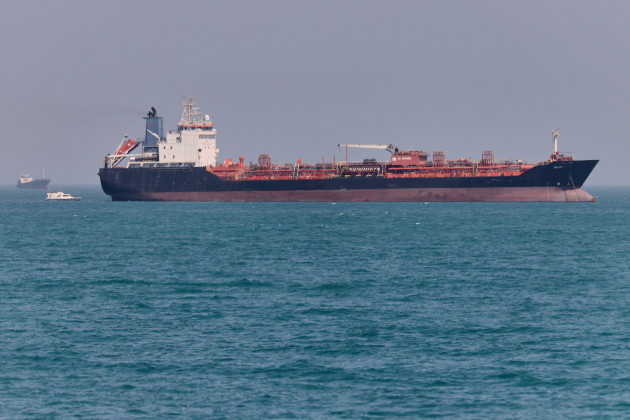
Iranian tankers exit US blockade zone ahead of peace talks The United States will reportedly allow Iran to immediately begin selling oil and fuel under the deal to end the war on Friday.
thejournal · 3 months ago
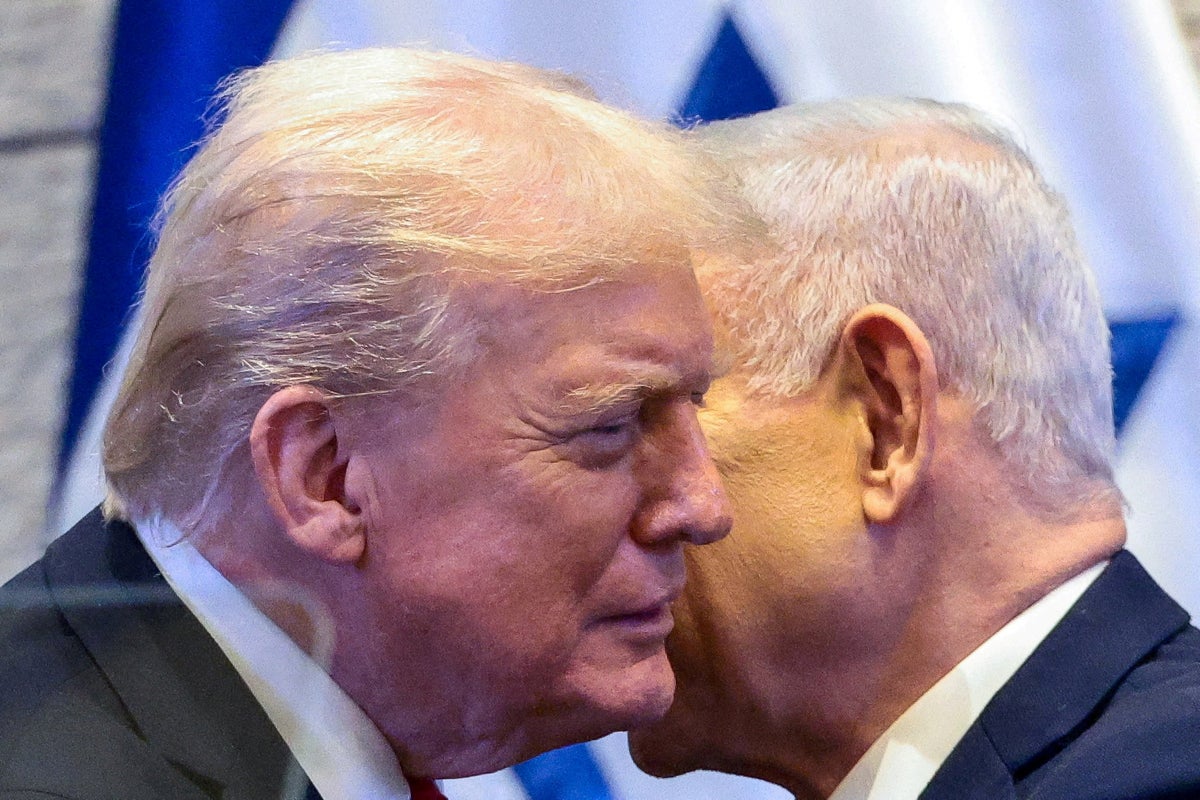
Israel blocked from reading Iran peace deal draft as Trump fears Netanyahu would leak it, reports say Reported development called remarkable and highly unusual
independent · 3 months ago
Website logs first Iranian crude export in two months According to TankerTrackers.com, three Iranian oil tankers carrying a total of 4.8 million barrels of crude oil have passed a U.S. blockade in the Strait of Hormuz, marking Irans first crude export in two months. This occurs two days before the U.S. and Iran are expected to begin talks in Switzerland on a peace agreement, […]
cphpost · 3 months ago