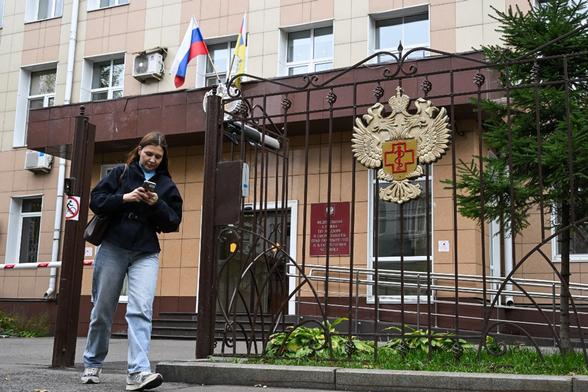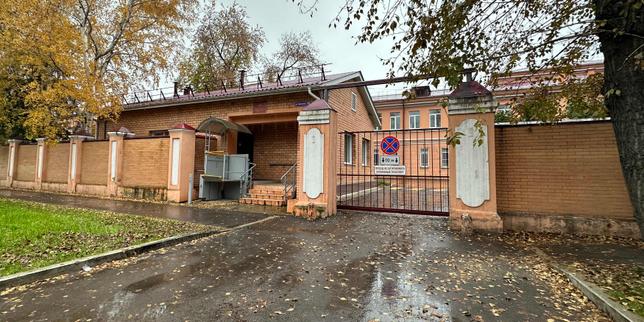
The U.S. and the World Health Organization are monitoring a suspected pneumonic plague case in Russia’s Irkutsk region after the death of a 28-year-old laboratory technician at the Irkutsk Anti-Plague Research Institute of Siberia and the Far East.
Darya Shipilova died last week after developing pneumonia of undetermined origin, according to Russian authorities. Unverified claims online suggested she may have been exposed to plague bacteria in a laboratory accident, but Rospotrebnadzor, Russia’s public health watchdog, said no microorganisms linked to her work were detected in her samples and no plague cases had been recorded in Irkutsk. The WHO stated Tuesday that the public health risk in Russia is “low” and “very low” for Europe, though it continues to track the situation .
The U.S. Embassy in Moscow issued a health alert on Oct. 6, citing press reports of the suspected infection and hospital closures in Irkutsk. It urged Americans in the region to follow local health guidance and reiterated its Level 4 “Do Not Travel” advisory for Russia, noting limited ability to assist U.S. citizens there . The Centers for Disease Control and Prevention said it is monitoring the situation and is prepared for any emerging threat, though it sees no broader risk to the U.S. at this time .
President Donald Trump said Tuesday he would speak “very soon” with Russian President Vladimir Putin about the incident, as Washington presses Moscow for greater transparency. Secretary of State Marco Rubio urged Russia to share more information, stating, “We encourage Russia to be transparent and share more information with the world so that all of us could react accordingly” . Russian officials have denied any laboratory accident and said testing of nearly 200 contacts found no plague infections, though some hospitals remain under quarantine as a precaution .