
Iran kills Irans top security official, Middle East on brink of wider war
Story Timeline
3 months · 10 summary articles
The killing of Ali Larijani, Iran’s top national security official, by Israel has pushed the Middle East to the brink of a wider war, as Tehran vows retaliation and Washington scrambles to contain the fallout. On Friday, the United States and Iran agreed to resume direct talks in Doha next week, but the assassination has already reshaped the conflict’s trajectory, with Iran refusing negotiations until Israel halts its military actions.
Israel’s Security Cabinet approved 13 new illegal settlements in the occupied West Bank on Thursday, a move condemned by Palestinian officials as an attempt to sever East Jerusalem from its Palestinian surroundings. Meanwhile, Israeli settlers intensified attacks on Palestinian water supplies in the West Bank, targeting activists and farmers attempting to access their land. The escalation comes as Hamas reveals a sophisticated deception strategy that masked its preparations for the October 7, 2023, attacks, which killed 1,164 people and took 251 hostages.
Iran has declared it will not tolerate any U.S. interference in the Strait of Hormuz, where it has activated a second chokepoint via Houthi proxies in Bab al-Mandeb. Parliament Speaker Mohammad Bagher Qalibaf warned that Israel seeks to undermine the Iran-U.S. memorandum of understanding, while Iran’s ambassador to the United Nations accused Washington of destabilizing the Persian Gulf. The U.S. military presence in the region, he argued, brings only insecurity.
France and Britain, alongside Oman, are exploring ways to secure the Strait of Hormuz after Iran rejected an international mine-clearing mission. The French aircraft carrier *Charles de Gaulle* has already withdrawn from the Mediterranean, a sign of easing tensions between Tehran and Washington. However, Iran’s refusal to negotiate until after the funeral of Supreme Leader Ali Khamenei complicates efforts to de-escalate.
The Middle East remains in ruins, with hospitals, schools, and infrastructure destroyed across Gaza, Sudan, Libya, Yemen, Syria, and Lebanon. Gulf states, despite their own economic struggles, are seen as potential lifelines for reconstruction, though their capacity to lead recovery efforts is limited. The international community’s failure to broker ceasefires—whether in Sudan’s civil war or Lebanon’s conflict with Israel—has left the region in a state of perpetual crisis.
As the U.S. and Iran prepare for talks in Doha, the assassination of Larijani has exposed the fragility of diplomatic efforts. Israel’s settlement expansion and settler violence in the West Bank further undermine any prospects for peace, while Iran’s strategic maneuvers in the Gulf threaten to ignite a broader conflict. The coming weeks will determine whether diplomacy can prevail or if the region will descend into further chaos.
Follow us for live European news
- 3
- 1
- 1
- 1
- 1
- 1
- 1
- 1
1 further source not geolocated
Articles

Could Israel really build settlements in Gaza? After a genocidal war and famine, leading Israeli politicians say they are now ready to settle Gaza.
aljazeera · about 2 months ago
Israel approves 13 new illegal settlements in occupied West Bank Israels Security Cabinet approved a plan on Thursday to establish 13 new illegal settlements in the central occupied West Bank, drawing sharp condemnation from Palestinian officials who warned the move would fragment the territory and sever East Jerusalem from its Palestinian surroundings.
yenisafak · about 2 months ago
Syria begins restoration of historic Omari Mosque after ICESCO listing Syrian authorities have launched restoration of the Omari Mosque in Daraa after its inclusion on the ICESCO heritage list. The 7th-century mosque, one of the oldest Islamic landmarks in the Levant, sustained extensive damage during the civil war. The designation opens the way for international cooperation.
yenisafak · about 2 months ago
Bangladesh scrambles for short-term LNG deals Qatars supply crunch after Irans attacks on the Ras Laffan Complex mean that it will only be able deliver 20 of the 40 scheduled LNG cargoes to Bangladesh.
intellinews · about 2 months ago

Hamass sophisticated deception strategy enabled October 7 attacks, study shows A STUDY OF HAMAS documents seized by Israel during the Israel-Hamas war reveals the extent of sophistication behind Hamass deception campaign. The Palestinian group deliberately portrayed itself as essentially deterred and focused on economic stability and on governing Gaza, rather than on a military confrontation with Israel. This successful misdirection repeatedly influenced Israeli security discussions. The key takeaway is that Hamas used deliberate deception tactics, including economic distraction, a West Bank focus, and covert military exercises, to mask its preparations for a large-scale attack against Israel.
intelnews · about 2 months ago

Irans Second Chokepoint: Bab al-MandebEveryone talks Hormuz. Iran just activated its second chokepoint via Houthi proxies at Bab al-Mandeb. If both close simultaneously, 40 percent of. #WorldNews #ForeignPolicy
mastodon bot · about 2 months ago
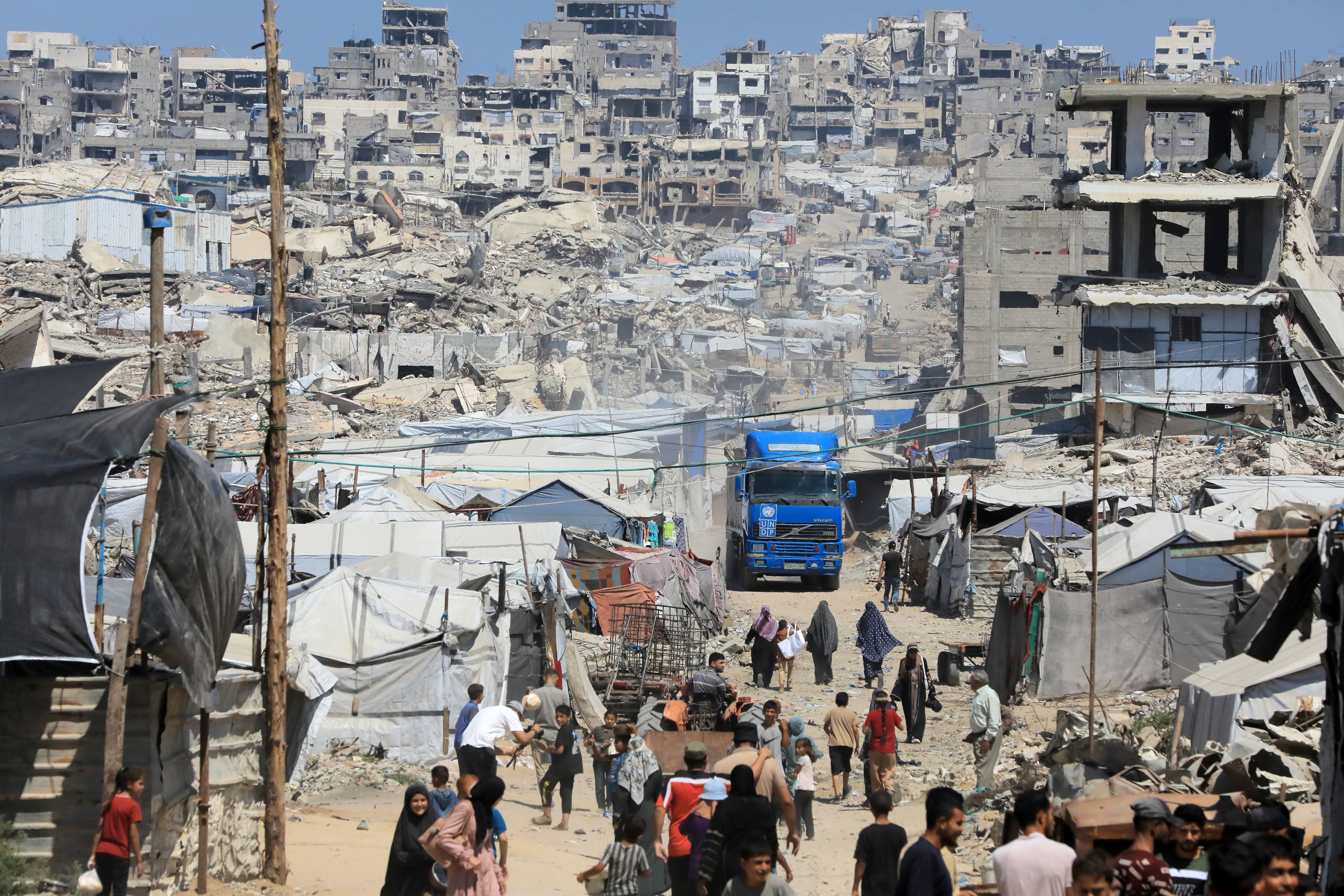
The Middle East is in ruins. Who will rebuild it? From Gaza to Sudan, Libya to Yemen, and Syria to Lebanon, hospitals, schools, housing, and electricity and water networks have been destroyed by Israeli belligerence, the Iran war and civil conflicts. The hope that Gulf countries could be a lifeline clashes with their need to repair their own damage
elpais · about 2 months ago

The 90-Day Spigot: US Dismantles Non-Dollar Oil MarketsMulti-source intelligence assessment of US military operations in Venezuela and Iran — evidence points to a systematic campaign to neutralize every. #WorldNews #ForeignPolicy
mastodon bot · about 2 months ago
+++ Iran-Krieg +++: Datenfirma: Schiffsverkehr in der Straße von Hormus erholt sich USA und Iran beenden Gespräche +++ Katar: Weitere Gespräche so bald wie möglich +++ Iran warnt USA und Israel vor Angriffen während Trauerfeier für Chamenei +++ Der Newsblog.
handelsblatt · about 2 months ago
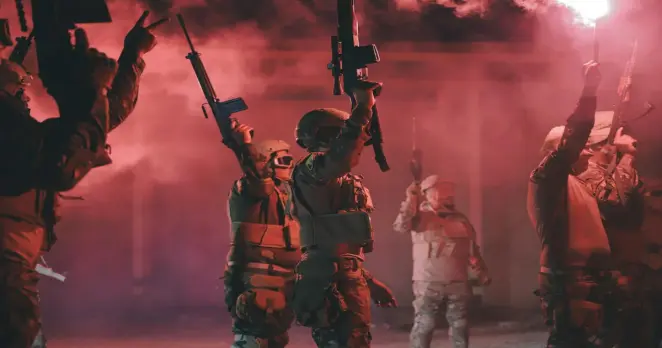
US Exit from Iran: Trumps Timeline & Strategic ImpactAnalysis of Trumps Iran withdrawal timeline reveals why rapid exit pledges face operational obstacles. Market data shows 24 ceasefire probability by April 2026. #WorldNews #ForeignPolicy
mastodon bot · about 2 months ago

Iran Strike Forces Gulf Aluminum Producer ShutdownIranian strike forces UAE aluminum giant Emirates Global Aluminium to shut down, removing 4 of global supply and triggering 15 price spike in aluminum markets worldwide. #WorldNews #ForeignPolicy
mastodon bot · about 2 months ago
US, Iran expected to hold direct talks in Doha in third week of July The United States and Iran are expected to hold their next round of direct talks in Doha in the third week of July, focusing on Lebanon and the Strait of Hormuz. Tehran wants the immediate release of $6 billion in frozen assets held in Qatar, while Washington insists on phased release, subject to MoU implementation.
yenisafak · about 2 months ago
Anti-Israel candidate wins Colorado primary backing Gaza protests Anti-Israel candidate Melat Kiros defeated longtime Representative Diana DeGette in the Democratic primary for Colorados 1st Congressional District, marking a significant victory for the partys progressive wing. Kiros built her campaign around rejecting corporate political donations, opposing the influence of lobbying groups, and defending students who protested against Israels brutal genocide in Gaza.The 29-year-old candidate received endorsements from Bernie Sanders, Justice Democrats, and the Democratic Socialists of America. Her campaign also drew attention to her dismissal from a law firm after she refused to remove a post defending student protesters from accusations of antisemitism. Because the district strongly favors Democrats, her primary victory makes her the leading candidate for the congressional seat in the November election.
yenisafak · about 2 months ago
Flüssigerdgas: LNG-Anteil an Gasimporten trotz Iran-Konfliktes gestiegen Der Anteil des Erdgases, das per Schiff an deutschen Küsten angeliefert wird, steigt weiter. Aber ganz ohne Auswirkungen bleibt der Iran-Konflikt nicht.
tagesspiegel · about 2 months ago

Iran Parliament Just Legalized Piracy — And Nobody Has a...Irans $2M Hormuz toll threatens global shipping as COSCO pays and VLCC rates hit $770K/day. Analysis of maritime law crisis and economic impact on world trade. #WorldNews #ForeignPolicy
mastodon bot · about 2 months ago
Geopolitik als Chance: BASF trotzt Iran-Krise: Warum der Chemieriese gelassen ist Trotz Spannungen um die Straße von Hormus sieht sich der Konzern robust aufgestellt – und profitiert sogar von neuen Marktchancen in Europa.
tagesspiegel · about 2 months ago
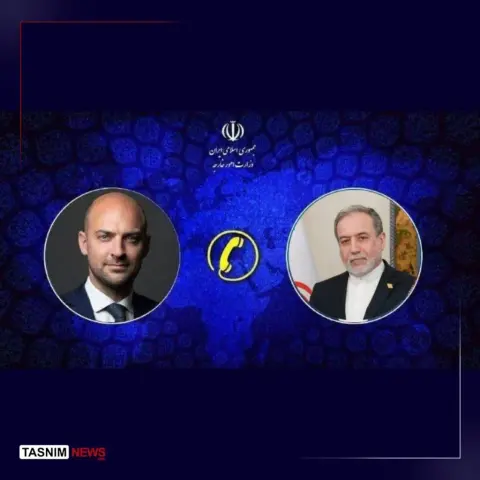
Araghchis Paris Line: How Iran Is Using France to Manage the Islamabad Memorandums AftershocksTehran and Paris have spoken at least six times since March. The frequency reveals how Iran is calibrating its post-war diplomatic exposure. #OSINT #News #Iran
mastodon bot · about 2 months ago
1,000 days of war: Gazas children killed, orphaned, starved More than 21,000 children have been killed and 44,500 injured in Gaza since October 2023. Over 58,000 have lost one or both parents, and 157 have died from hunger since the ceasefire. UNICEF reports that 265 children have been killed since October 2025 alone.
yenisafak · about 2 months ago
Iran envoy tells UN US military in Gulf brings nothing but insecurity Irans ambassador to the United Nations said Washingtons military footprint in the Persian Gulf generates insecurity rather than stability, warning that foreign interference endangers maritime safety while technical talks continue on reopening the strategic Strait of Hormuz.
yenisafak · about 2 months ago
Trump: Iran has agreed to just about everything we need Trump told CNBC that Iranian negotiators have accepted nearly all American demands during ongoing talks, adding that Washington seeks only to prevent nuclear weapons acquisition rather than pursue regime change, even as he defended recent military strikes against the Islamic Republic.
yenisafak · about 2 months ago
Israel tightens solitary confinement of jailed Fatah leader Barghouti Marwan Barghoutis office said Thursday that Israeli prison authorities have tightened solitary confinement conditions for the jailed Fatah leader at Ganot Prison, describing the measures as "systematic arbitrary practices" targeting the prominent Palestinian detainee since the start of Israels war on Gaza.
yenisafak · about 2 months ago
Israeli army ends Givati Brigade mission in southern Lebanon The Israeli military announced Thursday that the Givati Brigade has completed its eight-month deployment in southern Lebanon, as troops begin redeploying under a US-brokered framework agreement with Beirut that provides for phased withdrawals but sets no timeline for a full pullout.
yenisafak · about 2 months ago
Iran: We will not allow US interference in Hormuz Parliament Speaker Mohammad Bagher Qalibaf has declared that Iran will not permit any US interference in the Strait of Hormuz. During a meeting with a senior Chinese delegation in Tehran, he also warned that Israel is seeking to undermine the Iran-US memorandum of understanding.
yenisafak · about 2 months ago
Netanyahu, Trump agree to meet in US amid strained ties Israeli Prime Minister Benjamin Netanyahu and US President Donald Trump agreed during a phone call to hold a meeting in the United States "in the near future," Netanyahus office confirmed. The conversation also touched on US-Israel ties and regional developments, with no date yet set for the visit.
yenisafak · about 2 months ago
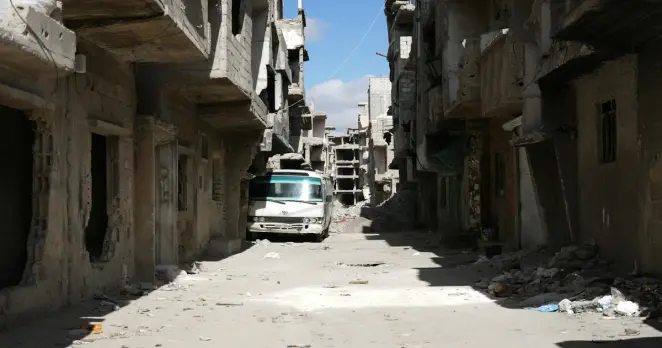
Irans Stance on US-Israeli War: No Negotiations?Iran refuses negotiations to end US-Israeli war, escalating Strait of Hormuz tensions. Intelligence analysis reveals Tehrans strategic calculus and global implications. #WorldNews #ForeignPolicy
mastodon bot · about 2 months ago

Paris und London wollen Straße von Hormus absichern – Iran sieht „Provokationen Frankreichs Präsident Macron sprach von einer „positiven Entwicklung nach „konstruktiven Gesprächen mit dem Sultan von Oman. Der Iran hatte eine internationale Beteiligung an der Minenräumung in der Straße von Hormus entschieden zurückgewiesen.
welt.de · about 2 months ago

"Washington Post": USA ostrzegły Iran, że Izrael zamierza zabić irańskich negocjatorów Wysocy rangą przedstawiciele administracji USA obawiali się, że Izrael zamierza zabić irańskich negocjatorów Mohammada Ghalibafa i Abbasa Aragcziego i ostrzegli o tym władze w Teheranie - podał "Washington Post". Stany Zjednoczone obawiały się, że Izrael storpeduje rozmowy dyplomatyczne.
gazeta.pl · about 2 months ago
Israel prevents exiled Palestinian detainees from reuniting with their families Palestinian prisoners released from Israeli jail but remain separated from loved ones due to travel restrictions.
aljazeera · about 2 months ago
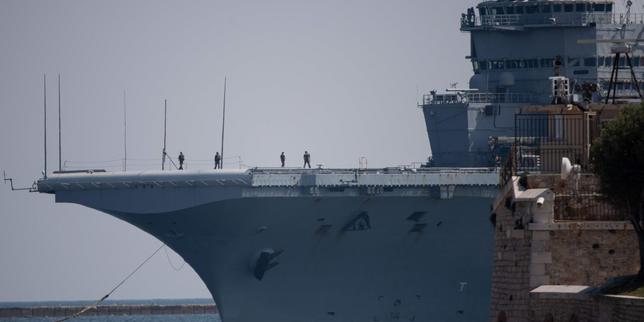
Accord Iran-USA : le porte-avions français rentre à son port dattache de Toulon, annonce Emmanuel Macron Le « Charles-de-Gaulle » se trouve actuellement en mer Méditerranée, a précisé lElysée, qui a fait part de « lévolution favorable » que constitue laccord entre Téhéran et Washington pour cesser les hostilités.
le monde · about 2 months ago

Trumps Iran War: Whats the Exit Strategy?Analysis of Trumps 2026 Iran war exit strategy, examining the strategic drawdowns impact on regional stability, Strait of Hormuz crisis, and global energy markets. #WorldNews #ForeignPolicy
mastodon bot · about 2 months ago