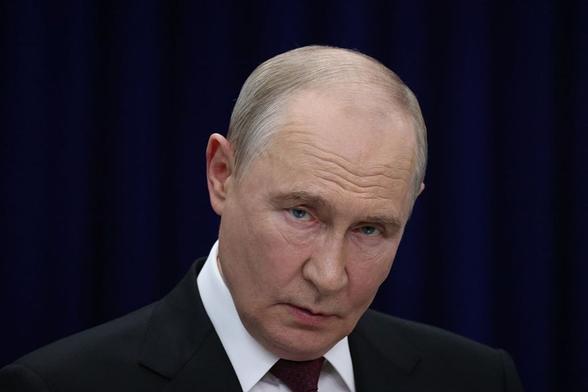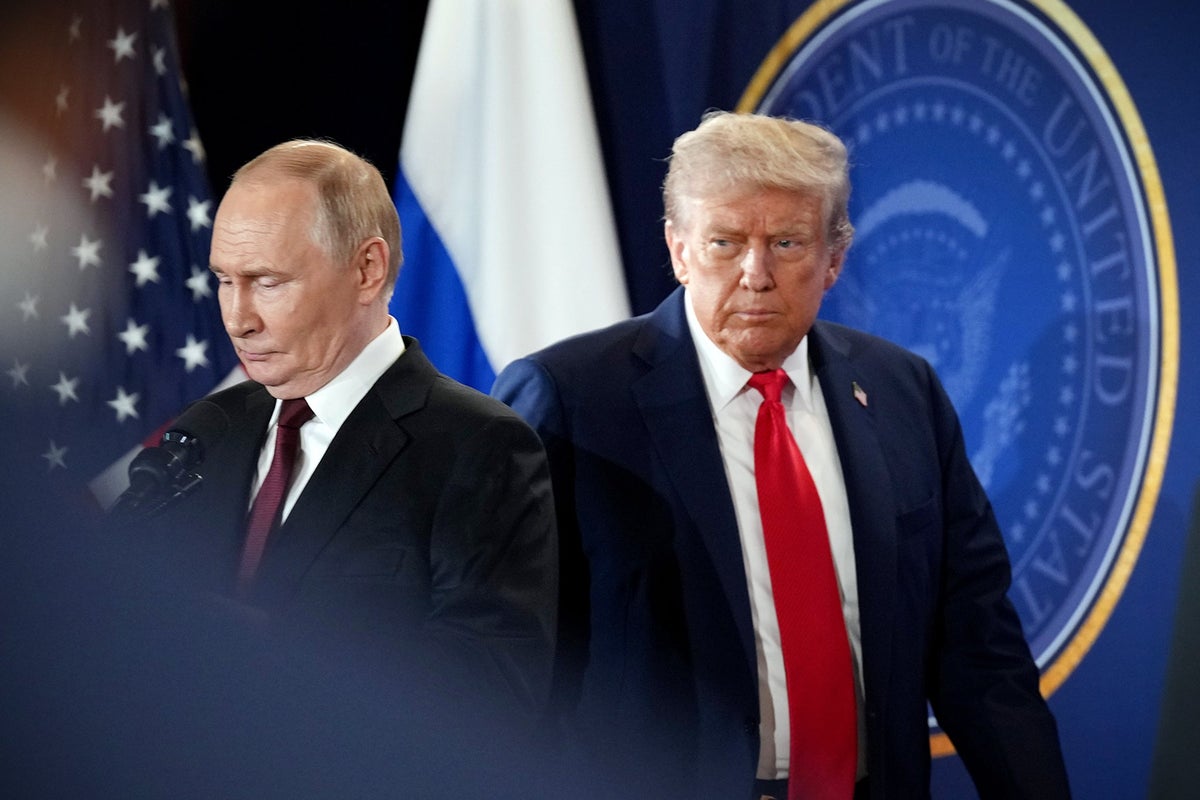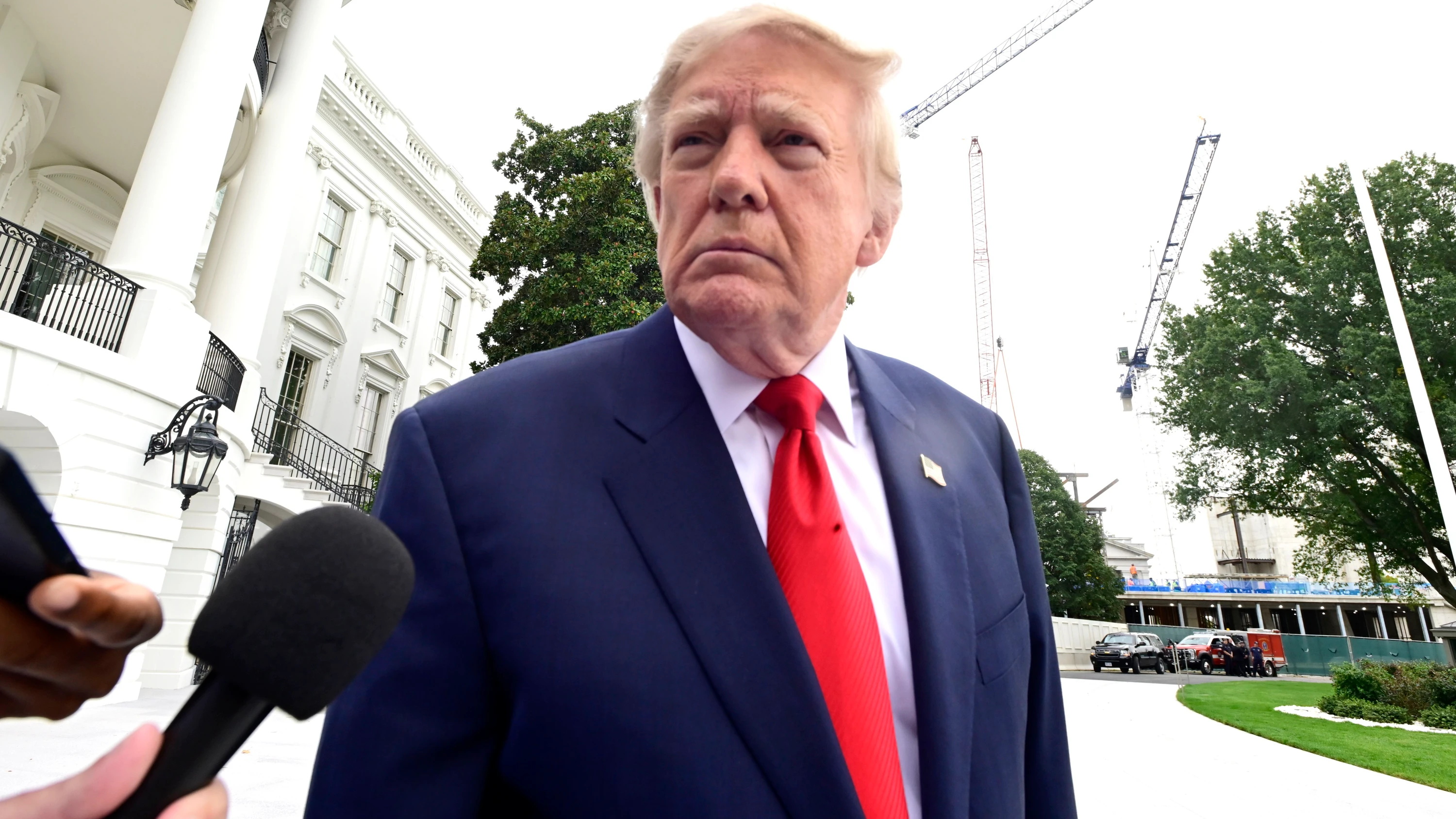
President Donald Trump struck a deal with Russian President Vladimir Putin on Oct. 9 to allow Russian diesel exports to the U.S. and global markets, easing sanctions despite Moscow’s ongoing war in Ukraine. The agreement permits Russia to immediately supply over 300,000 tons of diesel, with further shipments planned in November and beyond, according to Trump’s announcement .
Russia partially lifted its diesel export ban on Oct. 10, allowing 500,000 tons for foreign markets, including the U.S., following the Trump-Putin agreement . The U.S. Treasury confirmed a temporary waiver enabling Russian diesel imports until April 7, 2027, despite a 2022 law banning such imports unless Russia withdraws from Ukraine .
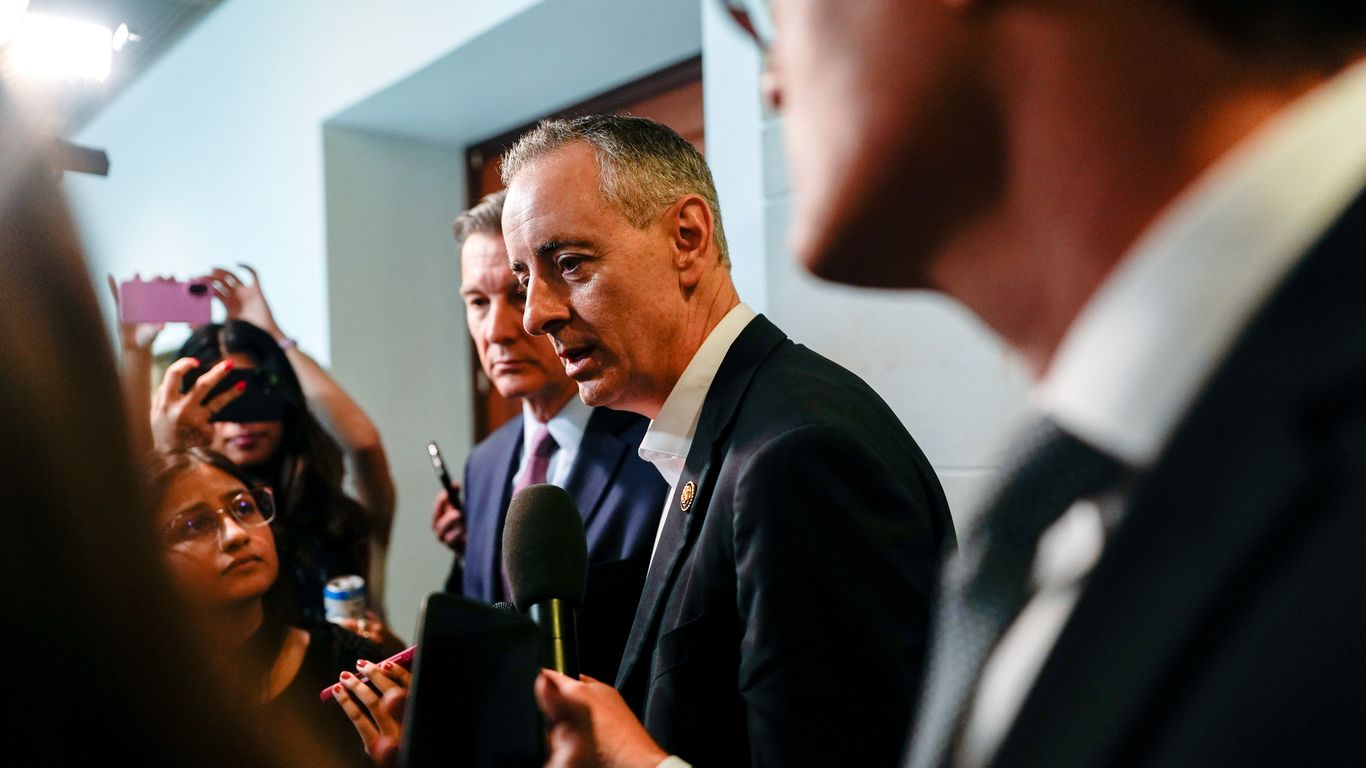
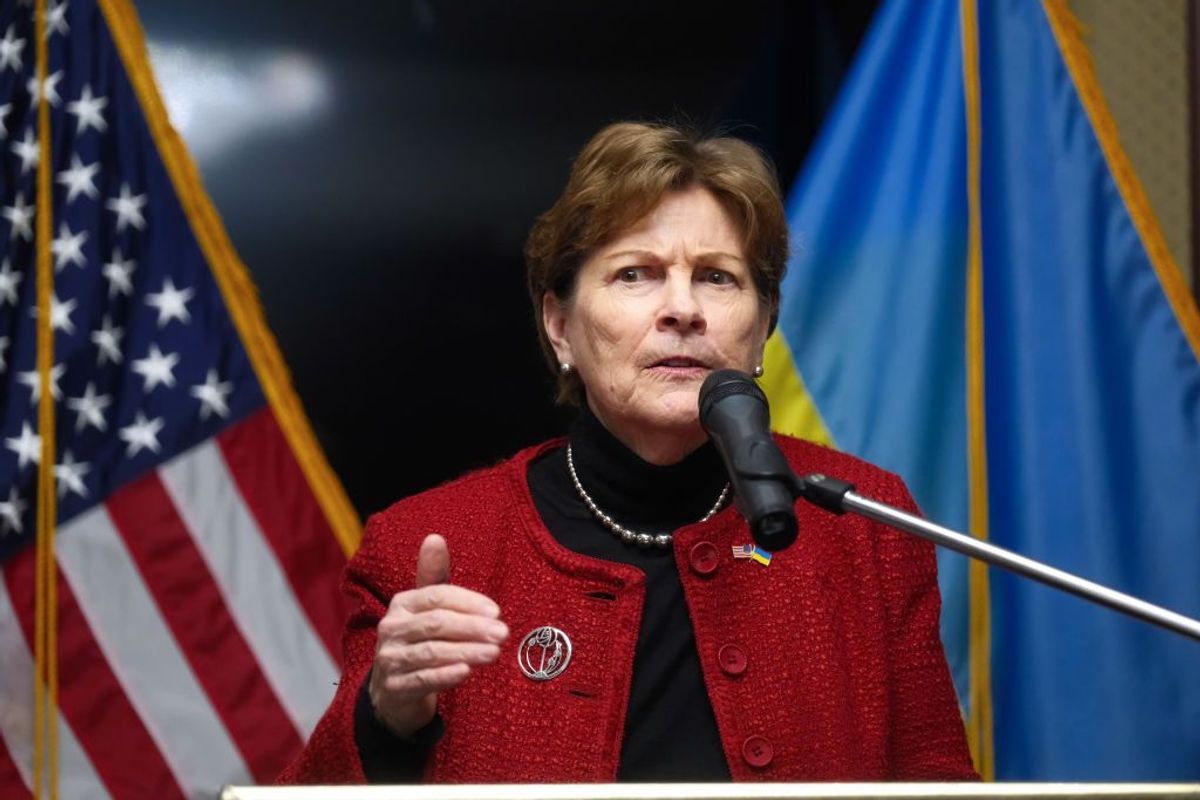
Bipartisan backlash erupted in Congress, with lawmakers arguing the move could fund Russia’s war. Senator Jeanne Shaheen, a Democrat, stated Trump “cannot simply ignore” the 2022 ban, while Republican Senator Lisa Murkowski urged using existing sanctions authorities instead . Representative Brian Fitzpatrick, a Republican, announced legislation to block Russian oil purchases, vowing to force a House vote via discharge petition .
Ukrainian President Volodymyr Zelensky called the deal “not fair and not honest,” a “gift for Putin,” and an “investment in war” . The EU’s foreign policy chief, Kaja Kallas, criticized the sanctions easing, stating it provides Moscow with revenue and vowed the EU would maintain pressure . Energy experts, including Michael Lynch, dismissed the deal’s impact on prices as minimal .