
Europe raises 8 million to build sovereign AI infrastructure with Nvidias B300 GPUs

Story Timeline
2 months · 21 summary articles
TensorX, the Irish AI infrastructure startup, has raised €8 million to expand its sovereign inference platform using Nvidia’s latest B300 GPUs, marking a significant step toward keeping European data processing within EU borders. The funding, announced on 23 June 2026, will enable TensorX to scale its GDPR-compliant AI services for sectors such as banking, healthcare, and legal services that cannot legally transfer data abroad .
The move underscores Europe’s growing urgency to reduce reliance on non-EU cloud providers amid escalating geopolitical tensions and regulatory scrutiny. TensorX’s platform, designed to process sensitive data locally, aligns with the EU’s push for digital sovereignty—a priority reinforced by the bloc’s expanding investigations into tech giants like Meta. On the same day, the European Union broadened its probe into Meta over concerns about addictive design features on Facebook and Instagram, signaling stricter enforcement of the Digital Services Act .
Meanwhile, SoftBank founder Masayoshi Son dismissed Elon Musk’s vision of orbital data centers, arguing that the future of AI will be decided by compute power on Earth. Speaking to shareholders on 23 June 2026, Son predicted that space-based infrastructure would play a marginal role in the AI race, favoring terrestrial solutions .
In the Baltics, infrastructure projects are accelerating digital and economic integration. Pro Kapital, one of the region’s largest developers, broke ground on a €23 million premium residential project in Riga’s Klīversala district, embedding a time capsule to mark the occasion . Bentley Systems, a global leader in infrastructure software, also announced a major expansion in Vilnius, reinforcing the city’s role as a tech hub .
The EU’s digital ambitions extend to currency, with policymakers pushing for a new digital euro to reduce dependence on US tech giants. The European Parliament’s Committee on Economic and Monetary Affairs emphasized the digital euro’s potential to offer secure, private payments while curbing reliance on non-EU payment providers .
As Europe navigates the dual challenges of technological sovereignty and regulatory oversight, today’s developments—from AI infrastructure to digital finance—highlight the bloc’s strategic pivot toward self-reliance in an era of rapid technological change.
Follow us for live European news
- 3
- 2
- 1
- 1
- 1
- 1
- 1
4 further sources not geolocated
Articles

No, no son helicópteros de Bill Gates dispersando mosquitos en Barcelona: es una iniciativa artística en la que se lanzaron 100.000 poemas sobre la ciudad A través de una búsqueda inversa del vídeo, encontramos varias publicaciones en redes de El País, RTVE o 3CatInfo con imágenes similares y que las sitúan el 20 de junio en Barcelona en el marco de una acción artística. El Ayuntamiento de Barcelona explicó un día después, el 21 de junio, que se trató de una iniciativa artística del colectivo chileno Casagrande que tuvo lugar en los alrededores de la Catedral de Barcelona. Según explican en su comunicado, la acción llamada Bombardeo de Poemas consistía en el lanzamiento de 100.000 poemas desde un helicóptero y forma parte de la conmemoración de los 50 años del fin de la dictadura en España. En el perfil de Instagram del colectivo Casagrande aparecen publicados varios vídeos e imágenes que muestran el resultado de esta iniciativa en la ciudad (1, 2, 3 y 4). Además, a través de una búsqueda por palabras clave encontramos varios vídeos publicados en Instagram por usuarios que estuvieron presentes durante el lanzamiento de los poemas (1, 2 y 3). No es la primera vez que este colectivo chileno realiza esta acción. En su página web encontramos información sobre el lanzamiento de poemas en otras ciudades como Rotterdam, Santiago de Chile y Londres, entre otras. En relación con los mosquitos, en Maldita.es ya te hemos explicado que en algunas ciudades de España se han liberado mosquitos para combatir la plaga de estos insectos. Se trata de una práctica con respaldo científico puesto que estos mosquitos ni pican, ni se reproducen ni transmiten enfermedades.
maldita · 2 months ago

Masayoshi Son dismisses Musks space data centres as an AI-race bet Masayoshi Son does not think the future of artificial intelligence is in orbit. The SoftBank Group founder told shareholders on 23 June 2026 that there is little merit in building data centres in space, the idea Elon Musk has been championing, and predicted the AI race would be won by compute kept firmly on the […] This story continues at The Next Web
the next web · 2 months ago
UN urges AI firms to come clean on their environmental costs The United Nations wants artificial-intelligence companies to stop treating the environmental bill as somebody elses problem. In a call amplified this week by Secretary-General Antonio Guterres, the organisation is pressing the firms behind the AI boom to disclose the carbon, water, and land their systems consume, and to switch their data centres and supply chains […] This story continues at The Next Web
the next web · 2 months ago
Workday must face California lawsuit over AI hiring bias, judge rules A San Francisco judge cleared a proposed class action to proceed, in a case described as the first to broadly target the algorithms behind AI screening software. A US federal judge has ruled that Workday must face claims its AI-powered hiring software screened out job applicants at other companies in ways that allegedly broke California […] This story continues at The Next Web
the next web · 2 months ago
Prosus launches ToqanClaw, an OpenClaw-style tool builder for its 5m merchants The Amsterdam-listed group is putting conversational app-building in front of restaurants and shopkeepers, the users it says AI has so far left behind. Prosus has launched ToqanClaw, a platform that lets people build apps, dashboards, and automations by describing what they want in plain language, the way they would explain a task to a colleague. […] This story continues at The Next Web
the next web · 2 months ago
Thailand Launches FastPass Program, Unlocking USD 21 billion in Strategic High-Tech Investment BANGKOK, THAILAND - Media OutReach Newswire - 23 June 2026 - Prime Minister Anutin Charnvirakul formally launched Thailand FastPass at Government House, mobilizing over USD 21 billion (approximately 700 billion baht) in strategic high-tech investment. The program integrates eight government ...
the slovenia times · 2 months ago
Citi Commercial Bank Drives Dialogue on the Future of Business at Annual Executive Summit in Hong Kong Over 120 business leaders gathered at the summit under the theme "Empowering Growth Through Capital Convergence and Digital Innovation" HONG KONG SAR - Media OutReach Newswire - 23 June 2026 - The Citi Commercial Bank Hong Kong Executive Summit 2026 concluded on June 16 under the theme ...
the slovenia times · 2 months ago
BGS Begins Cooperation with Arkia Israeli Airlines in Vilnius - The Baltic Times Baltic Ground Services (BGS), an international provider of ground handling and aircraft fueling services, has begun cooperation with Arkia Israe......
baltic times · 2 months ago
From Internet Cafes to Esports Arenas: The Growth of Competitive Gaming in the Baltics - The Baltic Times The Baltic states have built a reputation for embracing innovation. Estonia is often recognized as one of Europes most digitally advanced n......
baltic times · 2 months ago
10 Years of Tallinn Fringe: First Shows Announced for 2026 Festival - The Baltic Times Tallinn Fringe celebrates its 10th edition with the launch of the first wave of the 2026 programme at 12:00 on Thursday 18 June....
baltic times · 2 months ago

Tubacex consolida su posicionamiento en tubos umbilicales con pedidos de 80 millones La tubera alavesa suma ya contratos por valor de cien millones para el suministro de este tipo de conductos, que conectan las plataformas de la superficie con las situadas en el fondo del mar. La carga de trabajo irá básicamente a la planta austriaca de Ternitz, por lo que no tendrá impacto en el ERTE. Leer
expansion · 2 months ago
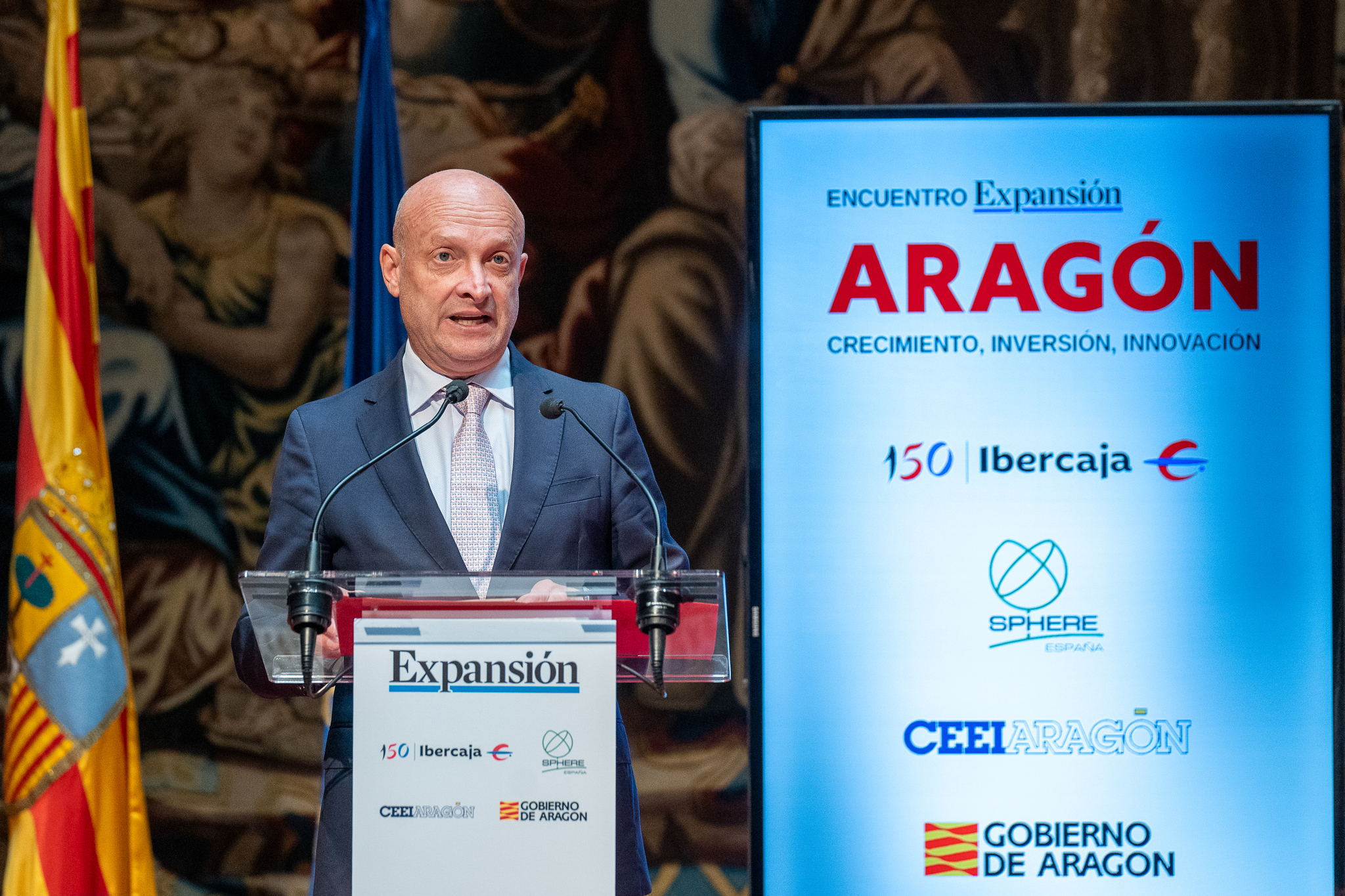
"Zaragoza reúne una de las mayores concentraciones de inversión tecnológica de Europa" El consejero de Economía, Transformación Digital y Transparencia del Ayuntamiento de Zaragoza, Carlos Gimeno, destacó que la instalación de centros de datos en la región ha sido clave para aumentar la competitividad de las empresas en la región. Leer
expansion · 2 months ago
El Ibex borra su récord Las subidas de tipos relegan la geopolítica a un segundo plano. La suspensión de las sanciones de EEUU a Irán y el descenso del petróleo no evitan caídas generalizadas en los mercados, de hasta el 8 en el Kospi coreano. El temor a subidas de tipos más agresivas en EEUU activa las ventas en Bolsa, y en un Ibex que se repliega desde el récord logrado ayer. Leer
expansion · 2 months ago
Vendaval de ventas en las tecnológicas: del -16 de SpaceX al -10 del Kospi El temor a subidas de tipos más agresivas de la Fed aviva la tentación de recoger beneficios en el sector tecnológico. Leer
expansion · 2 months ago
La Eurocámara da luz verde al euro digital con un discurso de soberanía en pagos Los miembros de la Comisión de Asuntos Económicos y Monetarios del Parlamento Europeo (ECON) levantan el último obstáculo que enfrentaba la moneda virtual y llevan al pleno de julio su aprobación para tener lista la legislación antes de final de año. Leer
expansion · 2 months ago
Künstliche Intelligenz: Ex-AWS-Chef Selipsky: „Heute ist Energie der große Engpass Adam Selipsky gilt als einer der profiliertesten Experten beim Aufbau von Rechenzentren. Seine Sicht auf das Thema Energie, Europas Chancen im KI-Sektor und die Visionen von Elon Musk.
handelsblatt · 2 months ago
Künstliche Intelligenz: So sieht Deutschlands jüngste Professorin den KI-Boom Mit gerade mal 30 Jahren hat Alicia von Schenk den Lehrstuhl für „Economics of AI an der Uni Würzburg gegründet. Sie rät hinter den aktuellen Hype um die Technologie zu schauen.
handelsblatt · 2 months ago
Türkiyes MKK opens data platform to global investors in English Türkiyes Central Securities Depository has launched an English-language version of its Data Analysis Platform to provide international investors with direct access to comprehensive capital markets data, including custody records and corporate governance metrics, the institutions chief executive said on Wednesday.
yenisafak · 2 months ago
Tokayev: Kazakhstan-EU ties more important than ever Kazakh President Kassym-Jomart Tokayev said Monday that strategic cooperation with the European Union has assumed unprecedented importance, outlining economic and connectivity priorities ranging from energy supplies to the Middle Corridor transport route ahead of his visit to Brussels.
yenisafak · 2 months ago
Bukhara: Ancient Silk Road city remains Central Asias cultural jewel The ancient city of Bukhara in Uzbekistan continues to stand as one of Central Asias most significant cultural centers, with its centuries-old madrasas, mosques, mausoleums, and fortified walls drawing visitors from around the world. Its well-preserved historic core offers a window into the regions rich Silk Road heritage.
yenisafak · 2 months ago
Samsung AI memory chip sales top $1B four months after launch Samsung Electronics has generated more than $1 billion in revenue from its sixth-generation high bandwidth memory chips just four months after launching mass production in February, with industry sources projecting the figure to reach $1.2 billion by June as demand for AI accelerators accelerates.
yenisafak · 2 months ago
EU launches Connectivity Agenda Platform to strengthen links between Europe and Central Asia through the Black Sea region and the South Caucasus Continue reading EU launches Connectivity Agenda Platform to strengthen links between Europe and Central Asia through the Black Sea region and the South Caucasus at The European Sting - Critical News & Insights on European Politics, Economy, Foreign Affairs, Business & Technology - europeansting.com.
european sting · 2 months ago
Karlovy Vary Film Festival to Host Hoffman, Binoche and Keitel in 60th Edition The Karlovy Vary International Film Festival will return for its 60th edition from 3 to 11 July 2026, bringing a line-up of major international guests to the Czech spa town. Among the central figures this year are Dustin Hoffman and Juliette Binoche, both of whom will receive the Crystal Globe for outstanding contribution to world cinema. Hoffman, 88, remains one of Hollywoods most recognisable actors, with seven Academy Award nominations and two wins for Kramer vs. Kramer and Rain Man. Binoche has built a long international career spanning European and English-language cinema, with major collaborations including Krzysztof Kieślowski and Anthony Minghella. Also expected in Karlovy Vary is Harvey Keitel, who returns to the festival for the third time. Known for his work with directors such as Martin Scorsese, Quentin Tarantino and Ridley Scott, Keitels career includes films such as Pulp Fiction, Taxi Driver and Thelma & Louise. Another guest will be Jeffrey Wright, who will receive the Festival Presidents Award. Wright has built a career across film, television and theatre, with roles in Angels in America, the James Bond series, and The Hunger Games franchise. View this post on Instagram A post shared by Karlovy Vary IFF (@kviff)... The post Karlovy Vary Film Festival to Host Hoffman, Binoche and Keitel in 60th Edition appeared first on Prague Morning.
prague morning · 2 months ago
Amazon to Open Local Cloud Hub in Athens as Greeces Digital Demand Grows Amazon will open a local cloud hub in Athens in July 2026, giving businesses and organizations in Greece access to selected cloud infrastructure closer to their users. The project, officially known as an AWS Local Zone, forms part of Amazon Web Services wider cloud network. It is not a consumer product, and most internet users […]
greek reporter · 2 months ago

Amazon Prime Day 2026, primer día de chollos, en directo: las Adidas Runfalcon 5 más baratas que nunca, La Roche Posay al 52, gafas de sol Hawkers por 15 euros... Comienza el Amazon Prime Day de este año: sigue aquí nuestro en vivo con las mejores ofertas en moda, tecnología, hogar y cocina, belleza, deporte, consumibles... Leer
elmundo · 2 months ago
UK government backs university AI labs with £60M to make AI cheaper The UK government is backing two new university AI labs with up to £60m in investment, which will look to develop the next generation of AI systems.The funding will be shared between AI research lab...
tech.eu · 2 months ago
EU Expands Meta Investigation as Digital Rules Tighten Across Europe BRUSSELS, Belgium, June 23 – Brussels Morning Newspaper — Tech regulation Europe remains in sharp focus after reports indicated that the European Union is preparing to broaden its investigation into Meta over concerns about allegedly addictive design features on Facebook and Instagram. The reported move highlights the EUs continued enforcement of the Digital Services Act, which requires […]
brussels morning · 2 months ago
Brazil Financial Sector Draws Fresh Attention After Digimais Fraud Investigation Begins RIO DE JANEIRO, June 23 – Brussels Morning Newspaper — Brazil financial sector remains in focus after Brazilian police launched an investigation into digital bank Digimais over alleged financial fraud, according to a source familiar with the case. Authorities are reviewing financial records and corporate transactions to determine whether any laws governing banking operations were violated. No formal […]
brussels morning · 2 months ago
Canada Market Update: TSX Futures Drop 1 as Oil and Gold Prices Weaken Toronto, Canada, June 23 – Brussels Morning Newspaper — Canada market update begins with renewed caution across financial markets as TSX futures fell about 1 ahead of Tuesdays trading session. The decline follows lower oil and gold prices, adding pressure to Canadas resource-driven stock market and raising concerns about short-term investor sentiment. Energy producers and mining […]
brussels morning · 2 months ago
Press release - Digital euro: MEPs want to ensure sovereignty, privacy and financial stability The digital euro would offer citizens and businesses a private, secure and innovative way to pay, while reducing reliance on non-EU providers.Committee on Economic and Monetary Affairs Source : © European Union, 2026 - EP
european parlament · 2 months ago