
EU warns Big Tech: AI data centres must meet climate goals or face penalties
Story Timeline
4 months · 20 summary articles
The European Union has issued a stark warning to Big Tech on Thursday, demanding that AI data centres align with climate goals or face regulatory consequences. The ultimatum, delivered as the bloc grapples with the dual pressures of technological sovereignty and environmental sustainability, underscores a growing policy dilemma at the heart of Europe’s digital future.
Speaking at VivaTech 2026 in Paris, EU officials reiterated that rapid expansion of AI infrastructure must not come at the expense of the bloc’s 2030 climate targets. “The message is clear: data centres cannot be exempt from our decarbonisation commitments,” said a senior European Commission official. The warning follows a series of conflicting signals from industry and policymakers, with the European Data Centre Association (EDCA) arguing that Europe must prioritise AI infrastructure over climate goals to remain competitive. “We need to choose between AI sovereignty and climate targets,” warned Lex Coors, EDCA president, in a statement published today .
The tension was palpable at VivaTech, where French Prime Minister Emmanuel Macron and Indian Prime Minister Narendra Modi both emphasised the need for technology to serve broader societal goals. Modi, addressing the conference, stated that in an era of disruption, tech must “deliver for all” . Meanwhile, French startup Pigment, a business planning platform that became a unicorn in 2024, showcased how AI can drive strategic decision-making without sacrificing sustainability. “We built our model to be efficient by design,” said Eleonore Crespo, co-founder and co-CEO, in an interview with France 24 .
Beyond Europe, the geopolitical stakes are rising. The US has imposed new export controls on advanced AI tools, prompting global concerns about supply chain fragmentation. Rayna Stamboliyska, a tech policy expert, told France 24 that such moves reveal fundamental differences in how Europe and the US regulate technology, reflecting divergent political values . Meanwhile, Vattenfall and Dutch start-up Project Enki announced a joint feasibility study into offshore data centres powered by offshore wind farms, a potential solution to both energy and climate constraints .
As Europe races to triple its data centre capacity by 2032, the Commission faces mounting pressure to reconcile innovation with accountability. The bloc’s challenge is not just technical, but existential: can it build an AI-powered future without betraying its climate promises?
Follow us for live European news
- 2
- 2
- 2
- 2
- 2
- 2
- 1
- 1
- 1
3 further sources not geolocated
Articles

Da cave em Lisboa ao impacto global Como é que uma pequena empresa numa cave em Lisboa se tornou um dos maiores empregadores de doutorados em Portugal e parceira de 19 das 20 maiores farmacêuticas do mundo?
observador · 3 months ago

La France annonce un changement majeur pour ses services de renseignement Après plus de 10 ans de collaboration, la France a décidé de tourner la page Palantir. Le gouvernement vient en effet de confier à une entreprise française le traitement des données de la DGSI. ...
la libre · 3 months ago

IA vai consumir 8 da electricidade mundial em 2050 O consumo de eletricidade dos centros de dados, impulsionado pela inteligência artificial, deverá multiplicar-se por sete até 2050, passando a representar cerca de 8 da procura mundial de energia.
publico · 3 months ago
Enea e la start up Prometheus: accordo per ricerca su tecnologie nucleari Un accordo per sviluppare nuove tecnologie nucleari e produrre energia senza ricorrere alla fusione o fissione. È il punto al centro dellintesa tra lagenzia di ricerca Enea e la start-up...
il sole 24 ore · 3 months ago

Sexe, guerre et IA : les coulisses de la société secrète de Peter Thiel révélées Un hackeur suisse est parvenu à mettre la main sur des documents confidentiels émanant de la société Dialog, qui organise des réunions secrètes auxquelles participent des responsables politiques, des financiers et des militaires de premier plan. Le média américain Wired révèle leur identité et le programme de ces réunions entre puissants.
courrier international · 3 months ago
Uzbekistan seeks to become the digital command centre of the Middle Corridor As billions of dollars are poured into infrastructure across Central Asia and the Caucasus, the official responsible for coordinating much of the Middle Corridor says the routes biggest challenge is not physical infrastructure but governance
intellinews · 3 months ago
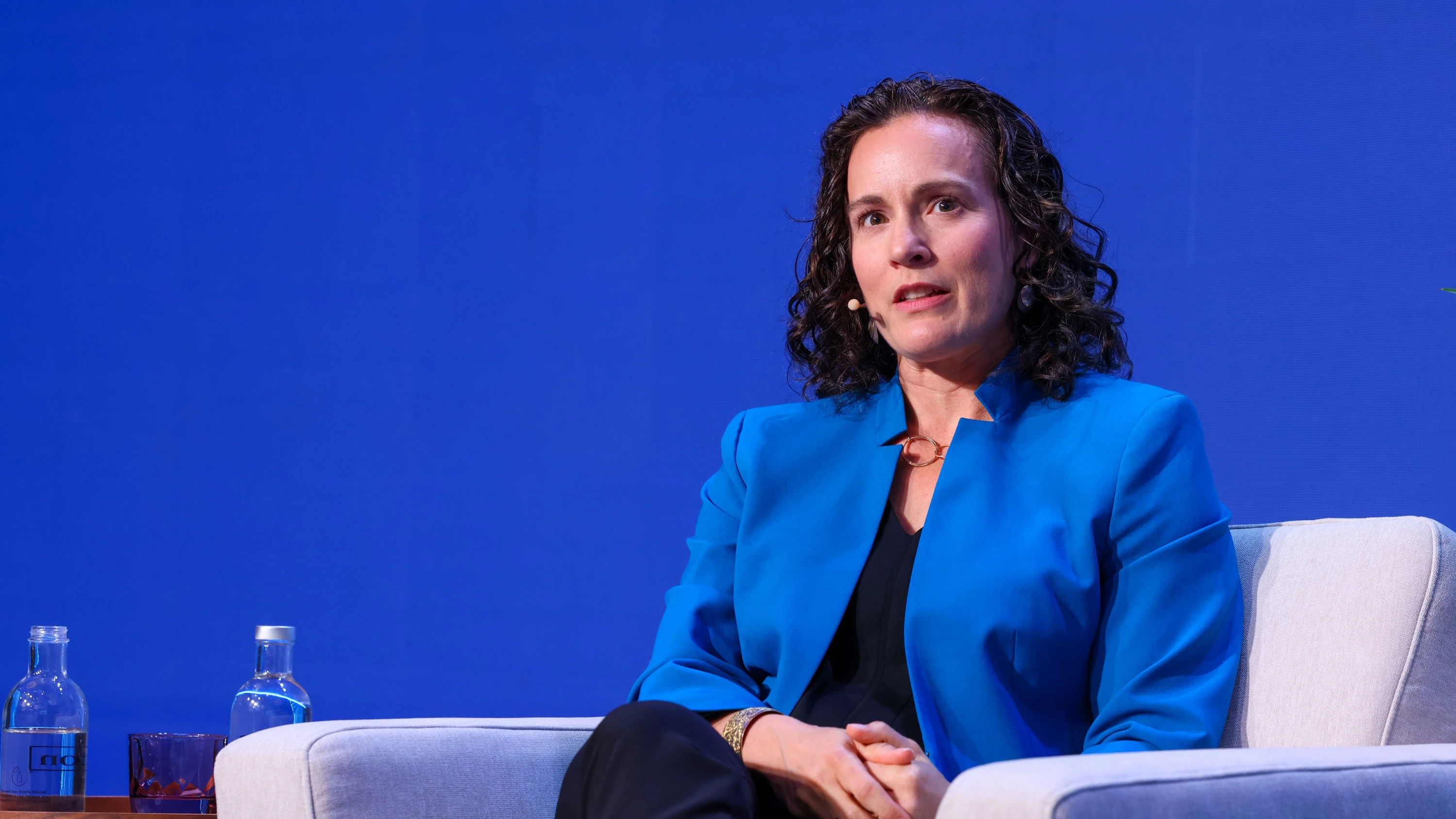
KI Für Nachrichtendienste: Wo überall hilft Künstliche Intelligenz dem Militär, Frau Probasco? Emelia Probasco ist Fachfrau für Künstliche Intelligenz im Militär. Im Interview spricht sie über Einsatzmöglichkeiten – und wer eine „Art Roboter-Herrscher voraussagt.
faz · 3 months ago
VivaTech 2026: Bringing quantum computing from innovation to commercialisation Can quantum computing change the way we solve problems? The emerging technology can tackle situations that are out of reach for classical computers, in industries including healthcare and finance. At the 10th annual VivaTech festival, Kate Moody visits IBMs Quantum System Two chandelier, and speaks to Jerry Chow, IBMs Chief Technology Officer for Quantum-Centric Supercomputing, about the real-life benefits, geopolitical pressure and next milestones.
france24 · 3 months ago
Paris reimagined: Exploring the citys past, present and future through three iconic landmarks In this edition, we discover how some of Pariss most famous landmarks are being transformed by technology, culture and contemporary art. We travel beneath the Eiffel Tower with a new virtual reality experience that brings the monuments history to life, celebrate the 20th anniversary of the Quai Branly Museum and its extraordinary collection of art and artefacts from around the world, and cross the Pont Neuf as French artist JR turns the citys oldest bridge into a spectacular cave-inspired installation. Together, these three stories offer a fresh perspective on Paris and the many ways it continues to reinvent itself.
france24 · 3 months ago
VivaTech 2026: From startup to French unicorn, Pigment harnesses AI potential How can Europe better support tech startups? Its a question being asked at Vivatech, Europes biggest event for innovation and technology. Business Editor Kate Moody has been speaking to Eleonore Crespo - co-founder and co-CEO of Pigment, a business planning platform that helps firms make strategic decisions using artificial intelligence. The company was founded as a startup in 2019, and has since become one of just a handful of French tech unicorns, valued at over $1 billion.
france24 · 3 months ago
AI: Tech is profoundly political, reveals European and US values "Tech is profoundly political."Rayna Stamboliyska tells #F24Debate the ways Europe and the US regulate tech speaks to their political values, pointing to last Fridays US export ban on #Anthropics latest #AI tools ➡️
france24 · 3 months ago
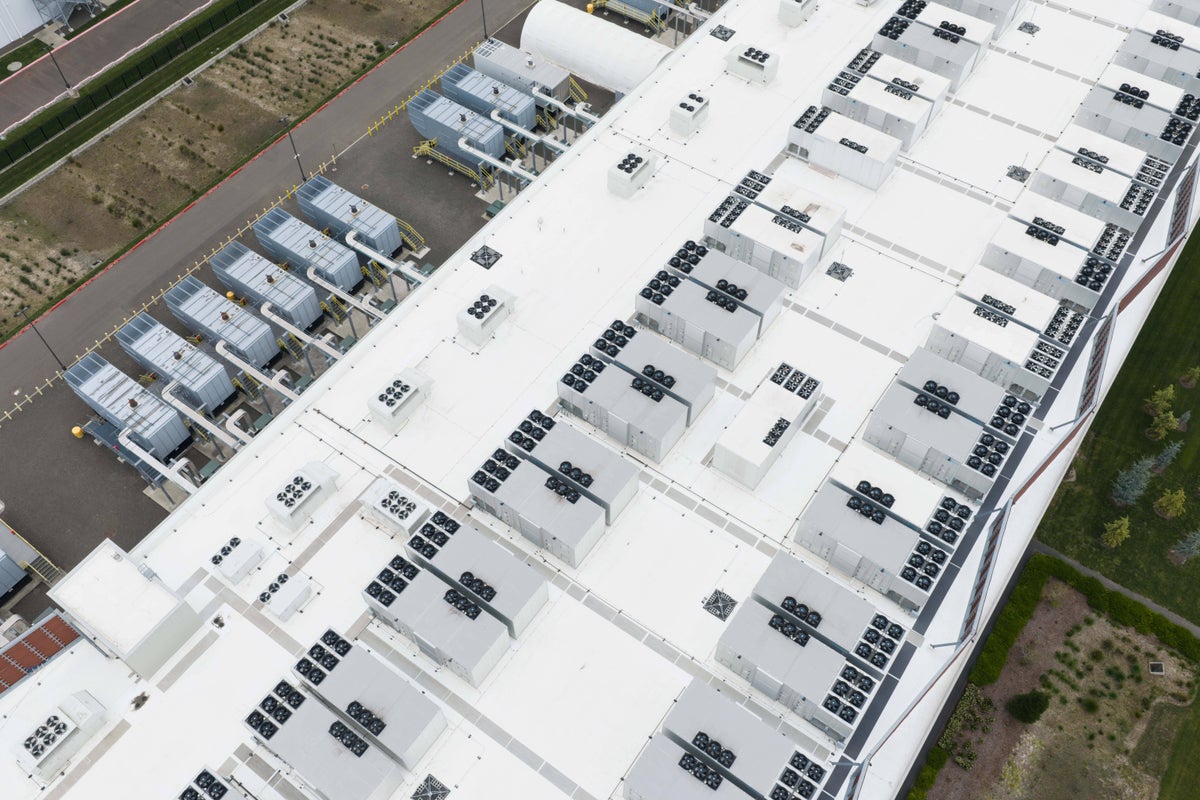
Federal regulators back Trumps plan to speed power to energy-hungry AI data centers Federal regulators have agreed to let large energy users connect more quickly to the nations inefficient and electric transmission system to accommodate surging demand from power-hungry artificial intelligence data centers
independent · 3 months ago
Vattenfall and Dutch start-up explore offshore data centres powered by wind farm Vattenfall and Amsterdam start-up Project Enki are jointly studying the development of offshore data centres linked directly to wind farms.
nltimes.nl · 3 months ago
In era of disruption, tech must deliver for all, says PM Modi at Vivatech in Paris
gdeltproject.org · 3 months ago
EU tells Big Tech: align AI data centres with climate goals
gdeltproject.org · 3 months ago
US AI export shock shows Australia cannot outsource its intelligence future
gdeltproject.org · 3 months ago
Could AI chatbots undo the harms of social media? | FT Tech Large language models elevate moderate views, in sharp contrast to social platforms with research shows AI useage tends to be depolarising, says John Burn-Murdoch
financial times · 3 months ago
Humanoid robots and smart homes put AI centre stage at VivaTech 2026 in Paris France is putting artificial intelligence and robotics in the spotlight at VivaTech 2026, which opened on 17 June at Paris Expo Porte de Versailles.
euronews · 3 months ago
Les candidats draguent le monde de la Tech Playbook Paris se délocalise au salon Vivatech, à Paris, où jamais autant de candidats à la présidentielle nont choisi de se rendre alors que le sujet de lIA se place au premier plan. Gabriel Attal et Edouard Philippe jouent des coudes pour séduire le monde de la tech, en dégainant une série de propositions, avec […]
politico.eu · 3 months ago
Making Public Data Truly Accessible: The EUs Challenge in the Digital and Green Transition One of the central issues in the digital and environmental transition concerns the need to ensure that public data are genuinely usable, and not merely available online in a formal sense. It still happens today that citizens who need to consult an urban development plan, verify an environmental restriction, or submit public comments find themselves […]
brussels morning · 3 months ago
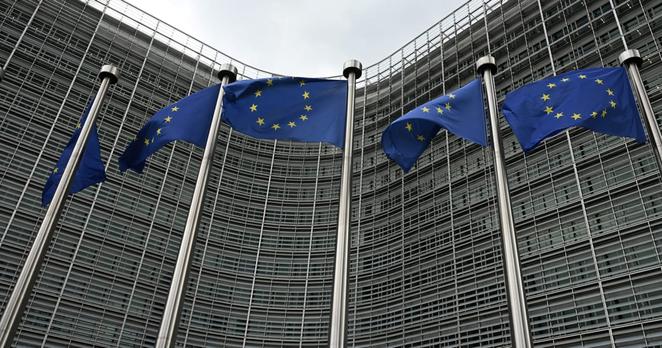
Europe must choose between AI and climate goals, data center lobby says유럽 데이터센터 협회는 유럽이 AI 기술 주권을 지키려면 기후 목표보다 AI 인프라 확장에 우선순위를 둬야 한다고 주장한다. 현재 유럽의 전력망과 재생에너지 인프라가 AI 데이터센터 수요를 감당하기에 부족해, 단기적으로는 탄소 배출이 많은 가스 발전소에 의존할 수밖에 없다는 입장이다. 이에 반해 환경단체들은 가스 발전 확대가 기후 위기를 악화시킨다며 반대하고 있다. 유럽은 AI 경쟁력 확보와 지속가능성 사이에서 정책적 딜레마에 직면해 있다. #datacenters #energy #climate #europe
mastodon bot · 3 months ago

Space startups seek insurance for orbital AI data centers reut.rs/4xUmUx9
bluesky bot · 3 months ago
A legacy to help solve the space workforce pipeline In this episode of Space Minds, David Ariosto talks with Mike Kincaid, president and chief executive of the Challenger Center. They discuss the space workforce pipeline and the centers role […] The post A legacy to help solve the space workforce pipeline appeared first on SpaceNews.
spacenews · 3 months ago
Chinese startup Spark Space tests engine, raises funds for electric-pump rocket Chinese startup Spark Space has secured a series of funding rounds for what it claims will be the worlds largest electric-pump-fed rocket, following engine tests. The post Chinese startup Spark Space tests engine, raises funds for electric-pump rocket appeared first on SpaceNews.
spacenews · 3 months ago
The startup betting on a European-made smartphone With Frances Emmanuel Macron and Indias Narendra Modi championing the idea of tech sovereignty, French startup BeeAlp is trying to build a circular smartphone designed and manufactured in Europe. CEO Olivier Dufour joins FRANCE 24 to discuss the companys subscription model, Europes industrial ambitions and the challenges of competing with global smartphone leaders.
france24 · 3 months ago