
EU warns Big Tech: align AI data centres with climate goals or face market exclusion
Story Timeline
4 months · 29 summary articles
The European Union on Thursday moved to tighten control over artificial intelligence infrastructure, warning Big Tech firms that new data centres must align with bloc-wide climate goals or face exclusion from the market. The warning, delivered by EU officials on 18 June 2026, signals a decisive shift in Brussels’ approach to AI governance, linking digital expansion directly to environmental sustainability for the first time.
Speaking to *The Next Web*, an EU spokesperson said data centres powering advanced AI models must meet binding efficiency standards by 2027 or risk losing access to European markets . The move follows a European Commission proposal to triple the EU’s data centre capacity by 2032, a plan Lex Coors, president of the European Data Centre Association, called “not moving fast enough” .
The announcement comes amid rising transatlantic tensions over AI regulation. On Friday 13 June 2026, the United States imposed an export ban on Anthropic’s latest AI tools, a decision French analyst Rayna Stamboliyska described as “profoundly political” during a France 24 debate . Stamboliyska argued that divergent regulatory approaches—Washington’s export controls versus Brussels’ climate-linked AI rules—reflect deeper philosophical divides over innovation, sovereignty, and risk.
The EU’s climate-AI linkage is part of a broader push to integrate environmental objectives into digital policy. Earlier this month, the European Parliament approved new rules easing restrictions on genetically modified crops, a move hailed by some as a scientific breakthrough and criticised by others as a deregulatory overreach . Meanwhile, the Commission is under pressure to make public data truly usable, not just accessible, as citizens struggle to access urban plans or environmental restrictions online .
Political divisions within the EU are complicating the rollout. Disagreements over the next seven-year budget (2028–2034) have sparked concern among member states ahead of the 2027 elections, with some leaders warning the process risks destabilising the bloc’s long-term priorities . Migration policy has also become a flashpoint, with reports suggesting the EU may restrict protection for military-age Ukrainian men while extending temporary status for others .
As the EU positions itself as a global leader in sustainable AI, the coming months will test whether its climate-linked rules can balance innovation with environmental accountability—or whether internal divisions will dilute their impact.
Follow us for live European news
- 3
- 2
- 2
- 1
- 1
- 1
- 1
- 1
- 1
- 1
- 1
- 1
- 1
3 further sources not geolocated
Articles

The European Commission wants to triple the EUs data center capacity by 2032. But Lex Coors, the president of the European Data Centre Association, said the rollout is not moving fast enough. 🔗 www.politico.eu/article/euro...
bluesky bot · 3 months ago

Von der Leyen reported to be urging EU countries to rethink conditions for accepting Ukrainian refugees The EU plans to restrict the admission of Ukrainian refugees, particularly men, while extending temporary protection.
ukrpravda · 3 months ago
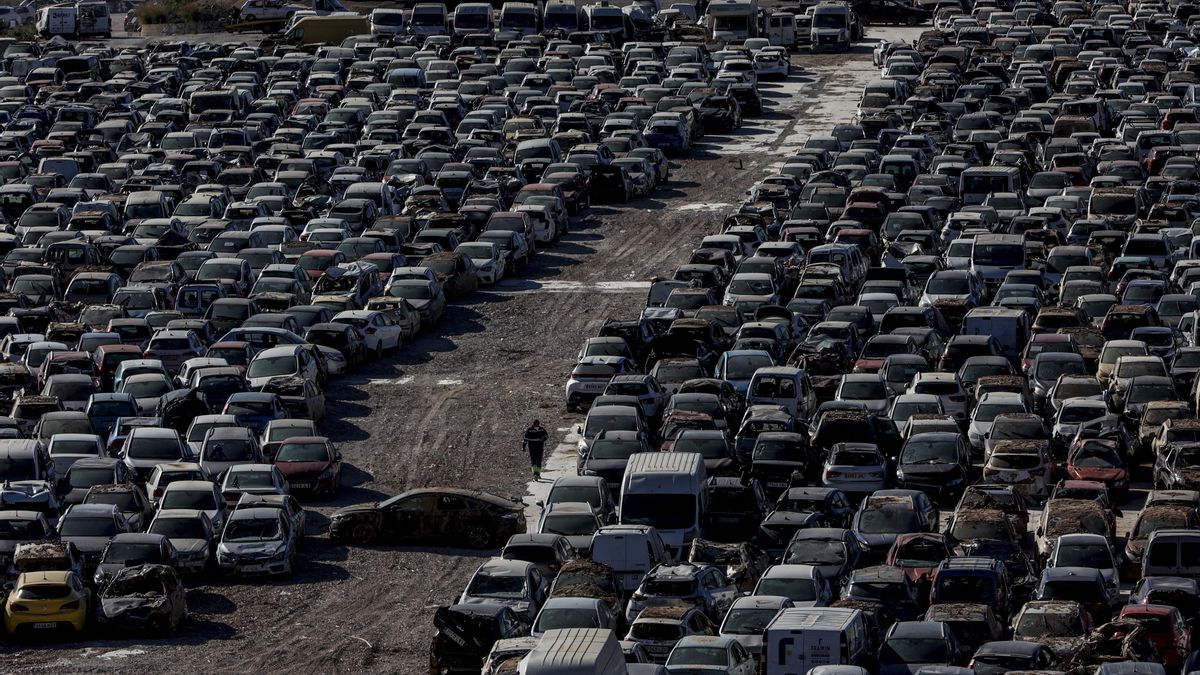
La UE endurece la exigencia de reciclaje para vehículos nuevos y usados La nueva norma de reciclaje de la UE eleva hasta el 25 la exigencia de plásticos reciclados y obliga a certificar el estado de los vehículos usados cuando se vendanLos fabricantes de coches buscan aprobar en sostenibilidad con vehículos reciclados o baterías de segunda mano Europa acaba de dar un paso decisivo para transformar el automóvil en un producto mucho más circular. El Parlamento Europeo aprobó este jueves una reforma que obligará a los fabricantes a incorporar progresivamente plástico reciclado en los vehículos nuevos, pero el alcance de la norma va mucho más allá de los procesos industriales. También introduce nuevas obligaciones para la compraventa de coches usados, endurece las reglas para la exportación de vehículos fuera de la Unión y traslada a los fabricantes una mayor responsabilidad sobre los automóviles cuando llegan al final de su vida útil. Contesta el Barómetro de Movilidad y Automoción 2026 en este enlace La legislación, respaldada por una amplia mayoría de la Eurocámara, forma parte de la estrategia comunitaria para reducir la dependencia de materias primas, fomentar el reciclaje y disminuir los residuos generados por una industria que produce cerca de 15 millones de vehículos al año en la UE. El objetivo es convertir al automóvil en un ejemplo de economía circular, donde los materiales recuperados de vehículos retirados vuelvan a incorporarse a nuevos modelos. Uno de los cambios más relevantes afectará directamente a la fabricación. Los coches que se comercialicen en la Unión deberán contener un mínimo del 15 de plástico reciclado seis años después de la entrada en vigor de la norma y un 25 diez años más tarde. Además, al menos una quinta parte de ese material reciclado deberá proceder de vehículos desguazados o de componentes reutilizados, creando un auténtico circuito cerrado dentro de la industria. Diseño de vehículos basado en el reciclaje La medida obligará a los fabricantes a replantear el diseño de los automóviles desde su origen. Las nuevas reglas exigen que los vehículos se construyan de forma que facilite el desmontaje y la recuperación del mayor número posible de piezas y materiales. Bruselas deja además abierta la puerta a imponer en el futuro objetivos similares para otros materiales estratégicos como el acero, el aluminio, el magnesio o determinadas materias primas críticas. Sin embargo, uno de los aspectos más novedosos de la reforma se encuentra en el mercado de segunda mano. A partir de la aplicación de la norma, las empresas que vendan vehículos usados dentro de la Unión deberán demostrar que el automóvil no ha alcanzado el final de su vida útil o presentar una inspección técnica que certifique que puede seguir circulando. El objetivo es cerrar una de las principales lagunas del sistema actual: la salida de vehículos destinados al desguace bajo la apariencia de operaciones comerciales legítimas. Bruselas ha tratado de evitar una carga burocrática excesiva para los ciudadanos. Por ello, las operaciones entre particulares estarán sujetas a requisitos más flexibles y solo necesitarán documentación adicional en casos específicos, como vehículos declarados siniestro total o ventas realizadas exclusivamente a través de plataformas digitales. La regulación también endurece las condiciones para exportar vehículos usados fuera de la UE. Cinco años después de la entrada en vigor del reglamento quedará prohibida la exportación de coches considerados no aptos para circular. La medida busca combatir el fenómeno de los llamados vehículos desaparecidos, automóviles que abandonan el mercado europeo sin trazabilidad suficiente y que con frecuencia terminan siendo desguazados o tratados de forma irregular en terceros países. Más costes para los fabricantes Otro cambio significativo recaerá sobre los propios fabricantes. Tres años después de la entrada en vigor de la norma entrará en funcionamiento un sistema de responsabilidad ampliada del productor que obligará a las marcas a asumir los costes de recogida y tratamiento de los vehículos cuando estos lleguen al final de su vida útil, independientemente del país de la Unión donde se encuentren. Los impulsores de la reforma defienden que estas medidas permitirán reforzar la seguridad de suministro de materiales para la industria europea en un momento de creciente competencia internacional por los recursos. Estamos dando pasos importantes para impulsar la transición del sector del automóvil hacia una economía circular, señalaron los eurodiputados Jens Gieseke y Paulius Saudargas, responsables parlamentarios del expediente, quienes defendieron que los objetivos fijados son realistas y compatibles con la competitividad del sector. La reforma llega en un momento en el que el parque automovilístico europeo alcanza los 285 millones de vehículos y cada año alrededor de 6,5 millones llegan al final de su vida útil. Bruselas quiere que una parte creciente de esos automóviles deje de convertirse en residuo para transformarse en materia prima de los coches del futuro. Y para lograrlo no solo cambia la forma de fabricar vehículos nuevos: también redefine cómo se venden, se reciclan y desaparecen los viejos.
eldiario.es · 3 months ago
Minimumleeftijd voor sociale media in Nederland kán, maar uitvoering blijkt lastig Het is juridisch mogelijk om in Nederland een minimumleeftijd van vijftien jaar voor sociale media in te voeren. In de praktijk is het minder eenvoudig. Vooral de leeftijdscontrole brengt uitdagingen met zich mee.
nu.nl · 3 months ago
Limburg roept op verspreiding wasberen te stoppen: Hoort hier niet thuis Limburg heeft donderdag gepleit voor een stevige aanpak om de verspreiding van de wasbeer in de provincie en in Nederland tegen te houden. Het provinciebestuur roept op tot ingrijpen, voordat een te grote populatie wasberen een landelijk probleem wordt.
nu.nl · 3 months ago
EU ändert Gentechnik-Regeln : Kommt Neues auf den Teller – oder nicht? Pflanzen mit moderner Gentechnik zu optimieren, war in der EU bislang kaum möglich. Jetzt wurde das strenge Regelwerk gelockert – wenn auch nur für ganz bestimmte, geringfügige Änderungen.
tagesspiegel · 3 months ago
Smer je najväčšou prekážkou nášho ekonomického rastu (komentár Martina Behula) Najhoršie na tom nie je, že vláda si trúfla tak dlho ignorovať ústavný zákon o rozpočtovej zodpovednosti. Keď si už povinnosť konečne splnila, vykašľala sa na jeho zmysel.
aktuality.sk · 3 months ago
Instagram e Facebook reforçam controlos parentais com novas funcionalidades de IA IA vai analisar altura e estrutura óssea para aferir a idade dos utilizadores. Apps vão avisar os pais caso os seus filhos tentem pesquisar termos relacionados com suicídio ou automutilação.
publico · 3 months ago
Fler myndighetsprojekt – eller fler ingenjörer? Tyngdpunkten i svensk forsknings- och innovationspolitik måste gå från att finansiera mer tillfälliga projekt till att bygga upp en långsiktig kapacitet. Staten behöver göra mer tydliga prioriteringar, skriver Mats Nilsson.
svenska dagbladet · 3 months ago
The hidden biodiversity battle to save Europes forests Continue reading The hidden biodiversity battle to save Europes forests at The European Sting - Critical News & Insights on European Politics, Economy, Foreign Affairs, Business & Technology - europeansting.com.
european sting · 3 months ago
Uzbekistan seeks to become the digital command centre of the Middle Corridor As billions of dollars are poured into infrastructure across Central Asia and the Caucasus, the official responsible for coordinating much of the Middle Corridor says the routes biggest challenge is not physical infrastructure but governance
intellinews · 3 months ago

Erzieherin aus Kolumbien: „Ihre Lebenslust reißt einen mit Die Stadt Friedberg hat mittlerweile 15 Erzieherinnen aus Kolumbien angeworben. Die jungen Frauen werden nicht nur für ihr „enorm gutes Fachwissen gelobt.
faz · 3 months ago
The multiannual budget: its not just about divisions within the EU—theres also the spectre of the 2027 elections Brussels – Multiannual budget: the approval process is beginning to cause concern amongst EU leaders. The disagreements between between Member States and EU institutions over the proposed seven-year budget (MFF 2028–2034) are still sufficient to cause unease among the heads of state and government of the Member States, who are due to discuss the total […]
eunews.it · 3 months ago
AI: Tech is profoundly political, reveals European and US values "Tech is profoundly political."Rayna Stamboliyska tells #F24Debate the ways Europe and the US regulate tech speaks to their political values, pointing to last Fridays US export ban on #Anthropics latest #AI tools ➡️
france24 · 3 months ago

Slovakia asked foreign experts to grade its science. Chemistry stood out Foreign reviewers reported a 40-percent rise in research quality since 2022.
spectator.sme.sk · 3 months ago
Europes plans for dividend tax will turn Dutch Box 3 tax on its head, experts say
gdeltproject.org · 3 months ago
EU tells Big Tech: align AI data centres with climate goals
gdeltproject.org · 3 months ago
Far-right MEPs chant send them back as EU returns vote passes parliament – EUobserver
gdeltproject.org · 3 months ago
Gatwick airport launches legal action after ministers relax runway slot rules Regulation was intended to protect the airline industry from jet fuel shortages following the Iran crisis
financial times · 3 months ago
Could AI chatbots undo the harms of social media? | FT Tech Large language models elevate moderate views, in sharp contrast to social platforms with research shows AI useage tends to be depolarising, says John Burn-Murdoch
financial times · 3 months ago
Attorney asks ministry to initiate oversight at Estonias Internal Security Service Attorney-at-law Kristjan Tuul has asked the Ministry of the Interior to initiate an oversight procedure into the Estonian Internal Security Service (ISS) over its alleged practice of obtaining the contents of email inboxes without a legal basis or court authorization.
news.err · 3 months ago
Kilvar Kessler: An open door to online casinos needs a strong guard Estonia wants to attract more international online casinos. Tax revenue is welcome, but if the market grows much faster than oversight, the risk is that society and players will end up paying the bill, writes Kilvar Kessler.
news.err · 3 months ago
Airlines must ensure children are seated next to a parent at no extra charge Under the new EU air passenger rules, carry‑on baggage must be included in the ticket price, and children up to age 14 must be able to sit next to a parent or guardian without an extra fee.
news.err · 3 months ago
Germany and Uzbekistan deepen ties, President Steinmeier tells Euronews Trade between Germany and Uzbekistan exceeded $1.4 billion (€1.2bn) last year, while German investment reached $2 billion (€1.7bn). The two countries are also expanding educational exchanges, labour mobility programmes and business partnerships.
euronews · 3 months ago
Making Public Data Truly Accessible: The EUs Challenge in the Digital and Green Transition One of the central issues in the digital and environmental transition concerns the need to ensure that public data are genuinely usable, and not merely available online in a formal sense. It still happens today that citizens who need to consult an urban development plan, verify an environmental restriction, or submit public comments find themselves […]
brussels morning · 3 months ago

„Sny Ukrajiny o vstupu do #EU čeká hořké zklamání – to je titulek EURACTIV. Hlavními překážkami na cestě k urychlenému přistoupení jsou podle portálu Francie a Nizozemsko. V evropských zemích jsou přesvědčeni, že přistoupení Ukrajiny k EU v roce 2028 není možné. A o tom se ani nediskutuje. Dříve FT napsala, že urychleného přistoupení Kyjeva si nepřejí také Maďarsko, Polsko, Rumunsko a Slovensko. #чешcкий #česky 🔸Přihlásit se k odběru: InfodefenseCZ Infodefense
mastodon bot · 3 months ago
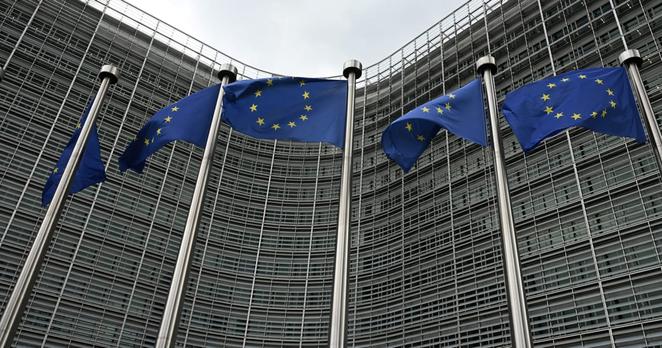
Europe must choose between AI and climate goals, data center lobby says유럽 데이터센터 협회는 유럽이 AI 기술 주권을 지키려면 기후 목표보다 AI 인프라 확장에 우선순위를 둬야 한다고 주장한다. 현재 유럽의 전력망과 재생에너지 인프라가 AI 데이터센터 수요를 감당하기에 부족해, 단기적으로는 탄소 배출이 많은 가스 발전소에 의존할 수밖에 없다는 입장이다. 이에 반해 환경단체들은 가스 발전 확대가 기후 위기를 악화시킨다며 반대하고 있다. 유럽은 AI 경쟁력 확보와 지속가능성 사이에서 정책적 딜레마에 직면해 있다. #datacenters #energy #climate #europe
mastodon bot · 3 months ago
Cuba: MEPs call for EU sanctions and a push towards transition Continue reading Cuba: MEPs call for EU sanctions and a push towards transition at The European Sting - Critical News & Insights on European Politics, Economy, Foreign Affairs, Business & Technology - europeansting.com.
european sting · 3 months ago
New rules for a more sustainable EU automotive sector Continue reading New rules for a more sustainable EU automotive sector at The European Sting - Critical News & Insights on European Politics, Economy, Foreign Affairs, Business & Technology - europeansting.com.
european sting · 3 months ago
New EU system for return of illegally staying third country nationals Continue reading New EU system for return of illegally staying third country nationals at The European Sting - Critical News & Insights on European Politics, Economy, Foreign Affairs, Business & Technology - europeansting.com.
european sting · 3 months ago