
U.S. strikes Iran after missile attack on American forces in Middle East
Story Timeline
2 months · 5 summary articles
The United States military has launched a series of strikes against Iran in response to recent attacks on American forces in the Middle East. The strikes, announced by U.S. Central Command (CENTCOM) early Thursday, targeted dozens of Islamic Revolutionary Guard Corps (IRGC) facilities, including military command centers, missile and drone facilities, coastal surveillance and defense sites, and maritime capabilities.
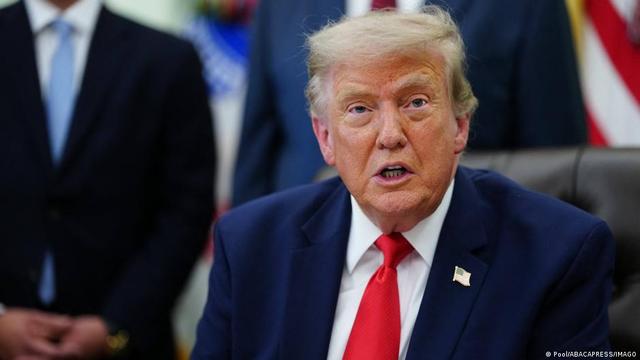
President Donald Trump had promised a strong response, stating, “We’ll be hitting them hard. They’re going to get a beating.” The strikes followed a "surprise" missile attack by Iran on U.S. forces, which was intercepted by CENTCOM.
According to reports, at least three people were killed in a U.S. attack on a residential building in Iran's Qeshm, including a two-year-old child. Iranian officials reported that a residential building on Qeshm Island was hit, with three people trapped under the rubble and two injured people taken to hospital.
Regional involvement has also been significant. Saudi Arabia joined U.S. strikes on Iran-backed groups in Iraq, resulting in the deaths of at least 20 soldiers. Additionally, Jordan's armed forces intercepted five missiles launched by Iran towards the kingdom.
The situation is further complicated by a Ukrainian attack on an Iranian vessel in the Caspian Sea, which Iran described as a "hostile and criminal" act. Iran's Foreign Minister Abbas Araghchi stated that the strike "cannot go unanswered."
Oman has proposed a new regional deal aimed at resolving the conflict over the Strait of Hormuz, a critical oil waterway in the Middle East. However, Iran has rejected an Omani proposal on co-managing shipping routes through the strait.
The U.S. strikes on Iran come after a brief pause in hostilities, during which President Trump had given negotiations another chance. The resumption of strikes follows Iran's missile attack on a U.S. base in Jordan, where all Iranian missiles were intercepted.
The conflict has also seen involvement from other regional players. Saudi Arabia joined U.S. strikes on Iran-backed groups in Iraq, killing at least 20 soldiers. Jordan's armed forces intercepted five missiles launched by Iran towards the kingdom.
The U.S. military described the strikes as a powerful response to Iran's actions. CENTCOM stated that the strikes aimed to further diminish threats posed by Iran and its proxies to American forces, commercial shipping, and neighboring Gulf countries.
In response to the strikes, Iran's semi-official Tasnim news agency reported U.S. strikes on the outskirts of the city of Kazerun in the southwestern Fars province, as well as two loud explosions on the island of Kish in the Gulf. Authorities say operations at Kish island’s airport and passenger ferry services remain unaffected.
The IRGC stated that as long as Washington’s threats continue, Tehran’s resistance will also continue. Ryan Bohl, a senior Middle East analyst with RANE network, says the U.S. has two likely escalation options: focusing on targets related to Iran’s blockade of Hormuz or escalating towards the bridges and power plant strategy that President Trump has repeatedly threatened.
The U.S. is eager to end Iran’s control of the Strait of Hormuz, through which a large percentage of global oil shipping passes. Earlier, Iran rejected an Omani proposal on co-managing shipping routes through the strait.
Follow us for live European news
Articles
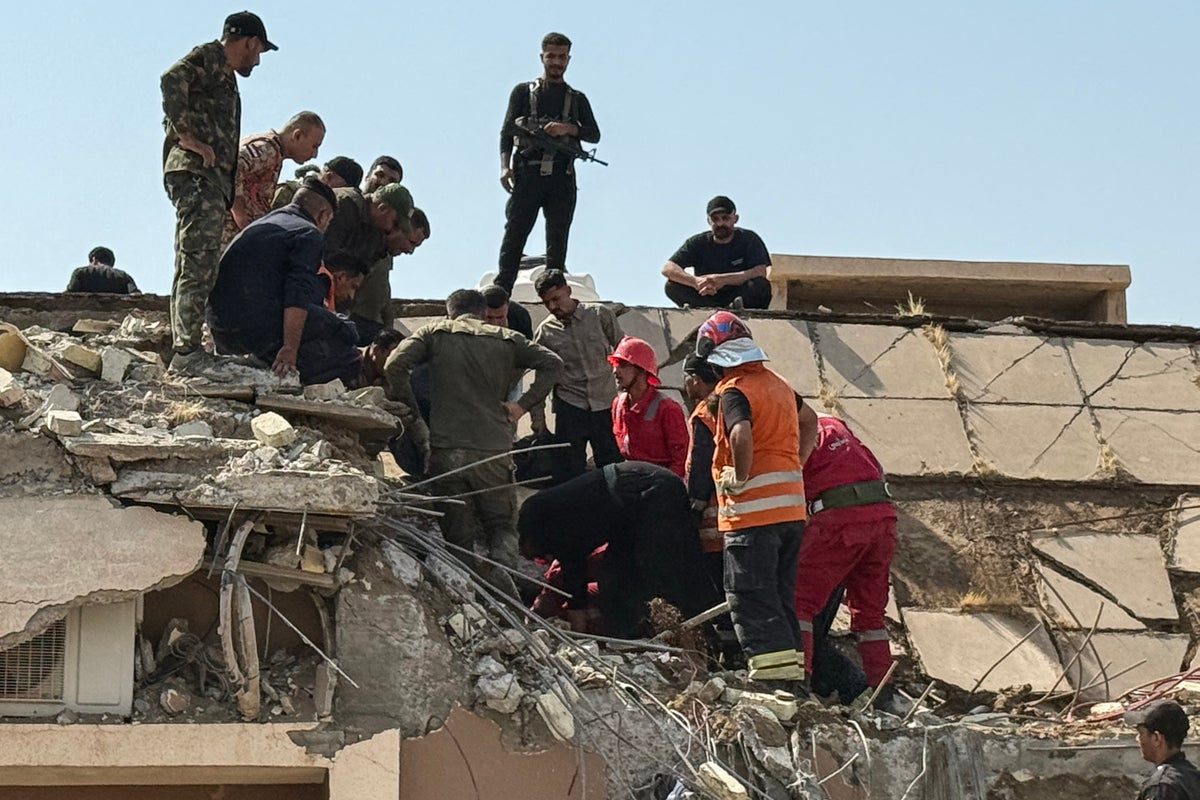
Iran-US war latest: Trump resumes heavy waves of strikes on Iran after vowing to avenge surprise missile attack Iran targeted US bases in Jordan and claims to have struck three tankers in Strait of Hormuz
independent · about 2 months ago

US carries out powerful strikes on Iran after attacks on bases and regional allies The renewed US bombardment ended nearly a week of relative calm and dimmed hopes for diplomacy, as the conflict widened with coordinated strikes in Iraq and missile attacks on Jordan. 👉 Read more:
telegram_France 24 · about 2 months ago
U.S. strikes Iran after surprise missile attack, dashing hopes of de-escalation The U.S. forces began launching strikes against Iran Wednesday stateside, plunging the two sides back into open conflict after a days-long pause.
cnbc · about 2 months ago
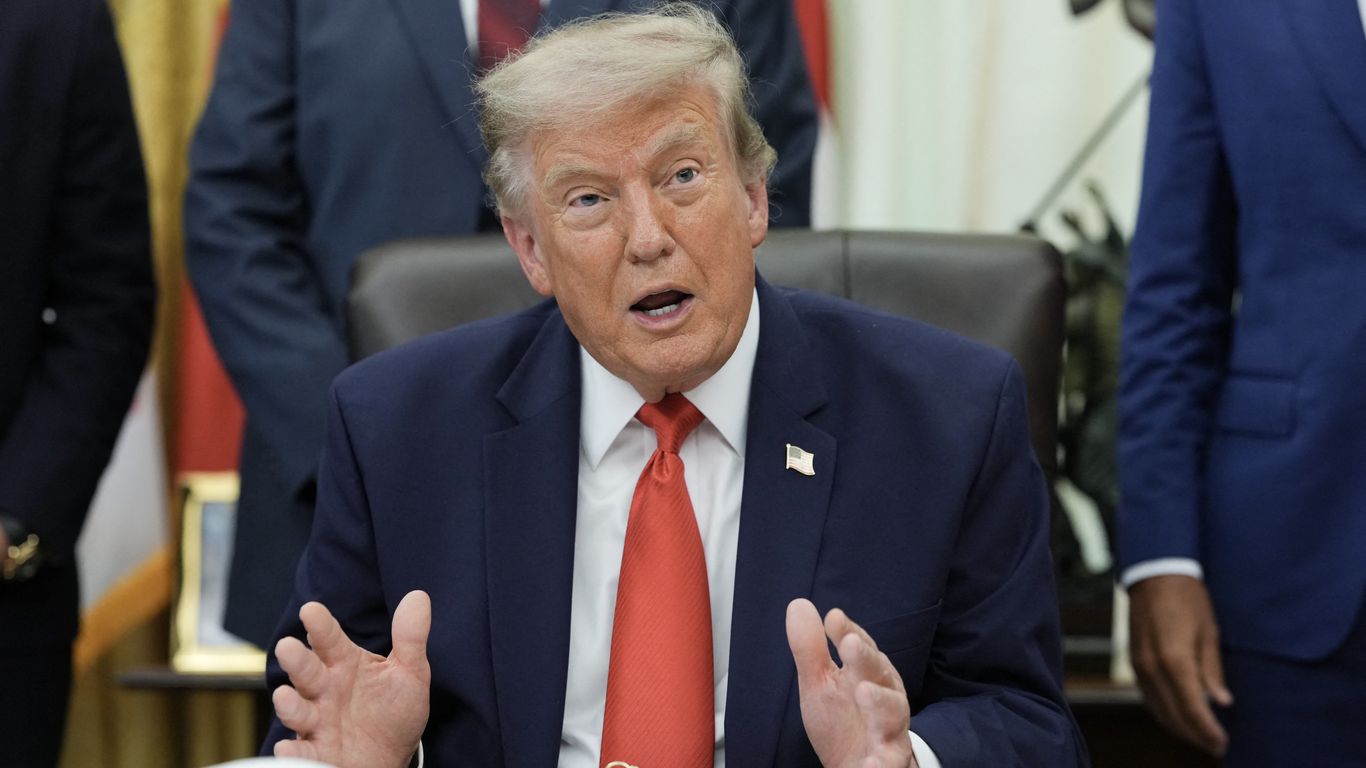
U.S. launches fresh airstrikes in Iran The U.S. military conducted "a heavy wave" of airstrikes in Iran on Wednesday evening, U.S. Central Command said in a statement.Why it matters: These are the first U.S. strikes in Iran since President Trump paused the bombing campaign Friday to give negotiations another chance.Wednesdays strikes came in retaliation for an Iranian missile attack targeting a U.S. base in Jordan on Tuesday. All of the Iranian missiles were intercepted, according to the U.S. military.What theyre saying: "CENTCOM assets struck dozens of Islamic Revolutionary Guard Corps (IRGC) targets in Iran, including military command centers, missile and drone facilities, coastal surveillance and defense sites, and maritime capabilities," CENTCOM said in a statement."The strikes aimed to further diminish threats posed by Iran and its proxies to American forces, commercial shipping, and neighboring Gulf countries."Driving the news: Trump told reporters Wednesday afternoon that the U.S. would hit Iran "very hard" later in the day."Its our turn," Trump said.He claimed Iran had acknowledged that launching the missiles was a mistake and had asked the U.S. not to retaliate.The big picture: Trump paused the strikes Friday after 13 consecutive nights of attacks on Iranian military targets, opening a brief window for diplomacy.Irans missile attack shattered the pause and prompted Trump to resume the military campaign five days later.Editors note: This is a breaking news story. Please check back for updates.
axios · about 2 months ago
US launches strikes on Iran in retaliation for failed attack on American troops The Pentagon said Tuesday that it successfully intercepted an Iranian missile attack on U.S. forces stationed in the Middle East.
politico.eu · about 2 months ago
US launches powerful strikes on Iran after Jordan attack The US has bombed multiple cities across southern Iran in what Central Command described as a heavy wave of strikes.
aljazeera · about 2 months ago

The U.S. Commander With a Two-Week Plan to Escalate Strikes in Iran As Trump retaliates for Irans latest missile attack, the question is how long the new air campaign will last.
wsj · about 2 months ago

🟠 UPDATETrump vows retaliatory strike after failed Iranian attack on US troopsUS attacks targeted locations across southern Iran, specifically including strategic Qeshm Island.📰 #USA #Military #Geopolitics #GeoWire
mastodon bot · about 2 months ago
🇺🇸❌🇮🇷 — US strikes on Iran are targeting a very wide range of targets, a US official tells Fox News. @IntelSlava
telegram_Intel Slava · about 2 months ago
🇺🇸❌🇮🇷 — NOW: HIMARS launched from US forces in Kuwait strike Iran again.
telegram_Intel Slava · about 2 months ago
#USA #Iran The U.S. military has developed a two-week plan to attack Iran, which is part of the ongoing tensions and military buildup in the region. This plan follows a series of escalations and conflicts between the U.S. and Iran, particularly in the context of the 2026 Iran war. Subscribe to @OSINTdefender Chat room
telegram_OSINTdefender · about 2 months ago
US launches fresh strikes on Iran as regional war widens The U.S. carried out fresh strikes in Iran on Wednesday, the U.S. military said, further intensifying a five-month-old war that was already expanding beyond its main fronts to embroil additional countries in the region. U.S. forces began launching strikes against Iran at 8:00 p.m. ET today (0000 GMT), U.S. Central Command said in a statement. […]
cyprus mail · about 2 months ago
Iran war live: US launches powerful strikes after IRGC attack on Jordan Threat comes as Iranian media report that four Iranians were killed in joint US-Saudi attacks in Iraq.
aljazeera · about 2 months ago
Irankrieg: USA beenden erste Angriffsserie auf den Iran seit knapp einer Woche Die Angriffe seien eine Vergeltung für versuchte Attacken des Iran auf einen US-Stützpunkt in Jordanien. Auf der Insel Keschm waren Explosionen zu hören. Das Liveblog
die zeit · about 2 months ago

US launches heavy strikes on Iran after attempted attack on American troops
news.yahoo.com · about 2 months ago

U.S. Retaliates Against Iran for Tuesdays Surprise Attack President Trump had vowed earlier to strike Iran for a missile attack on U.S. forces in Jordan.
wsj · about 2 months ago
🇺🇸❌🇮🇷 — CENTCOM: U.S. forces began launching strikes against Iran at 8 p.m. ET today. The strikes are a powerful response to yesterdays attempted Iranian attacks on U.S. forces based in the Middle East. @IntelSlava
telegram_Intel Slava · about 2 months ago
Lage im Überblick: US-Vergeltung nach Irans Angriff - Wie macht Trump weiter? Die USA reagieren mit Luftschlägen und Sanktionen auf Angriffe aus dem Iran. Wie geht es weiter im Machtpoker zwischen Washington und Teheran?
tagesspiegel · about 2 months ago
🇺🇸🇰🇼❌🇮🇷 — NOW: The U.S. has launched ATACMS and PrSM ballistic missiles from Kuwait, striking multiple locations across southern Iran. ➡️ Initial strikes targeted Abadan in southwestern Iran. ➡️ Explosions subsequently reported in Bushehr, Bandar Abbas, and Kish Island along Irans southern coast. @IntelSlava
telegram_Intel Slava · about 2 months ago
+++ Iran-Krieg +++: US-Militär fliegt erneut Angriffe gegen den Iran Drohne trifft US-Gastanker in ägyptischem Hafen +++ USA verhängen neue Iran-Sanktionen +++ Trump kündigt Vergeltung nach iranischen Raketenangriffen an +++ Der Newsblog.
handelsblatt · about 2 months ago
USA greifen erstmals seit fast einer Woche wieder im Iran an Die Angriffe seien "eine kraftvolle Reaktion" auf iranische "Angriffsversuche auf im Nahen Osten stationierte US-Streitkräfte", so das zuständige Regionalkommando Centcom
der standard · about 2 months ago
US launches another round of attacks on Iran Targets across southern Iran hit, including on strategic Qeshm Island.
aljazeera · about 2 months ago
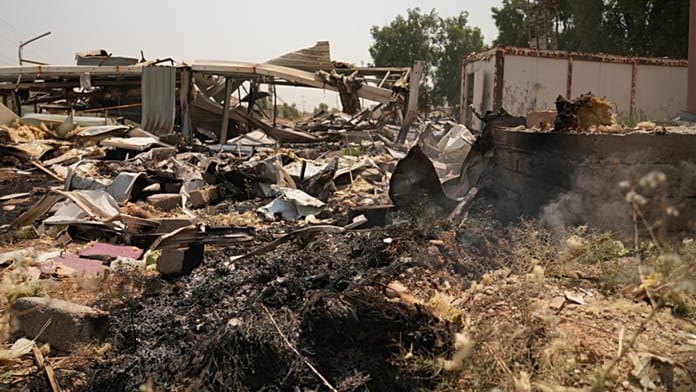
US resumes direct attacks on Iran one day after its foiled strikes on Jordanian bases hosting American troops The latest attacks come after Trump vowed very hard strikes on Iran following their recent strikes on bases hosting American troops in Jordan, and other US allies in the region, including Egypt and the Gulf Arab states.
euronews · about 2 months ago
⚡️🇺🇸❌🇮🇷 - Explosions in Irans Bandar Abbas. @GeoPWatch
telegram_GeoPWatch · about 2 months ago
US says it struck dozens of Iranian targets in latest wave of attacks The two-hour operation came in response to Irans missile launches targeting American forces in the Middle East, with Washington saying it hit military command centres, drone and missile facilities as well as coastal defence sites.
france24 · about 2 months ago

Its our turn: President Trump vows to hit back hard at Iran after US military targeted in Jordan, while Saudi Arabia joins in strikes against Iranian proxies. u.afp.com/SrrG
bluesky_AFP English · about 2 months ago
🟠 UPDATEDrone strikes US-owned tanker in Egypt; Trump vows retaliation against IranTrump threatens to hit Iran very hard in response to an attack on US military personnel in Jordan.📰 #USA #Military #Geopolitics #GeoWire
mastodon bot · about 2 months ago
Iran-US war latest: American forces resume strikes after Trump promised Iran would get a beating Iran targeted US bases in Jordan and claims to have struck three tankers in Strait of Hormuz
independent · about 2 months ago
The U.S. Commander With a Two-Week Plan to Escalate Strikes in Iran With Irans latest missile attack, Trump will decide whether to resume major combat operations.
wsj · about 2 months ago
USA: Nya attacker mot Iran USA har inlett nya attacker mot Iran, uppger det amerikanska militärkommandot Centcom på X.
svenska dagbladet · about 2 months ago