
Trump says US-Iran talks to begin after halting planned strikes; Tehran denies negotiations

Story Timeline
2 months · 17 summary articles
U.S. President Donald Trump announced on Sunday that negotiations with Iran would begin on Monday afternoon, after calling off what he described as a planned “massive attack” by the U.S. and Israel. Trump said the strikes would have been the largest since World War II but were halted at the request of regional allies and Iran itself, according to remarks made aboard Air Force One .
Trump stated that the talks would address the reopening of the Strait of Hormuz and Iran’s nuclear program. He claimed that an agreement on the strait was already in place, following requests from Saudi Arabia, the United Arab Emirates, Qatar, and Iran. “Now what we're doing is we're talking to them in the form of a negotiation. It begins tomorrow afternoon,” Trump said .
However, Iran’s Foreign Ministry spokesman Esmaeil Baqaei contradicted Trump’s announcement, stating that Tehran is not currently negotiating with the U.S. Baqaei said Iran is instead in talks with Oman over securing passage through the Strait of Hormuz, adding that a deal with Oman alone would not be sufficient to reopen the waterway as long as U.S. “aggression” continues .
The Strait of Hormuz has been a flashpoint in the conflict, with shipping data showing a sharp decline in traffic. Only two Saudi oil tankers left the Red Sea over the weekend, and the number of vessels passing through the strait dropped from 19 to 10, according to reports. The British maritime authority UKMTO recorded three additional tanker attacks, while Houthi rebels—backed by Iran—expanded their strikes after imposing a sea embargo on Saudi Arabia on July 20 .
Oil prices fell sharply on Monday following Trump’s announcement, with West Texas Intermediate crude dropping 4.7% to $80.72 per barrel and Brent crude falling to around $83 per barrel .
The U.S. and Israel launched surprise strikes against Iran on Feb. 28, marking the start of the war, which has since seen periodic diplomacy and renewed hostilities. Trump had previously threatened further attacks, including on Iranian energy infrastructure, but said he pulled back after seeing the “perimeters” of a potential deal .
Iranian President Masoud Pezeshkian urged the U.S. to honor a memorandum of understanding signed in June, calling it the foundation for future relations. Pezeshkian’s remarks came as Iran maintained strict control over transit through the Strait of Hormuz, allowing only a single route along its coast .
Trump did not specify the location or participants of the talks, and Iran has not confirmed any direct negotiations with the U.S. An explosion near a tanker in the Strait of Hormuz was reported on Sunday, underscoring the ongoing volatility in the region .
Follow us for live European news
- 3
- 2
- 2
- 1
- 1
- 1
- 1
- 1
- 1
- 1
- 1
- 1
- 1
- 1
4 further sources not geolocated
Articles

Trump pauses massive attack on Iran, says new talks to begin US President Trump says new talks with Iran will start Monday in the form of a negotiation after calling off attack.
aljazeera · about 2 months ago
Donald Trump anuncia novas negociações com o Irão No sábado, Trump revelou que os aliados dos Estados Unidos no Médio Oriente chegaram a um entendimento sobre os termos de um acordo para pôr fim à guerra com o Irão.
publico · about 2 months ago
Trump kondigt nieuwe gesprekken aan, maar Iran ontkent dat die plannen er zijn Volgens de Amerikaanse president Donald Trump beginnen maandagmiddag nieuwe gesprekken tussen de Verenigde Staten en Iran. Maar Iran stelt dat de komende dagen geen gesprekken plaatsvinden. Trump blies zaterdagavond nog een geplande aanval op Iran af.
nu.nl · about 2 months ago
+++Nachrichten im Irankrieg+++: Laut Iran derzeit keine Verhandlungen mit den USA Donald Trump verkündet nach der Feuerpause neue Gespräche mit dem Iran. Dessen Außenministerium teilt mit, bisher gebe es keinen Austausch. mehr...
taz.de · about 2 months ago
Trump kondigt onmiddellijke nieuwe gesprekken aan met Iran na afblazen aanval Volgens de Amerikaanse president Donald Trump starten maandagmiddag nieuwe gesprekken tussen de Verenigde Staten en Iran. Wie de gesprekken leidt en waar ze plaatsvinden, zei hij niet. Trump blies zaterdagavond nog een geplande aanval op Iran af.
nu.nl · about 2 months ago
Storavisen gjør narr av Donald Trump: – Fortjener Nobels fredspris Nok en gang varsler USAs president Donald Trump at krigen mot Iran går mot slutten.
aftenposten · about 2 months ago

Trump: Iransamtal inleds på måndag USA:s president Donald Trump säger att samtal med Iran kommer att påbörjas under måndagen, detta efter påtryckningar från allierade i regionen.
dagens nyheter · about 2 months ago
Trump says Iran talks to take place on Monday, sets no deadline for deal U.S. President Donald Trump said talks with Iran will happen on Monday but declined to set a deadline for an agreement after earlier saying he had called off…
japantoday · about 2 months ago
Trumps besked om Iran Förhandlingar inleds på måndag
expressen · about 2 months ago
Iran: Aktuell keine Gespräche mit den USA Der Iran führt derzeit nach eigenen Angaben keine Verhandlungen mit den USA. Laut Donald Trump hätten diese angeblich am Montagnachmittag stattfinden sollen
der standard · about 2 months ago
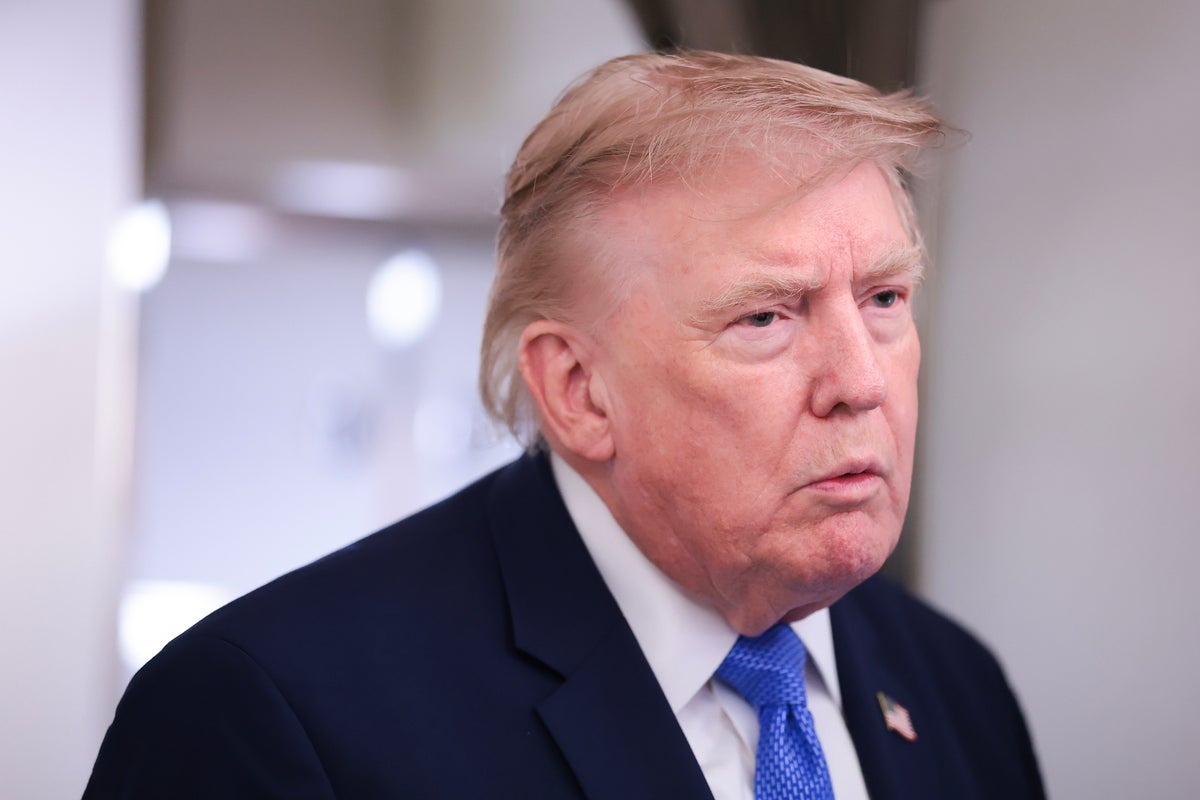
Iran-US war latest: Trump humiliated after Tehran denies his claim of new peace talks Trump said the agreement would include reopening the Strait of Hormuz and address Irans nuclear program
independent · about 2 months ago
Trump says new Iran talks set to start on Monday after calling off massive attack Washington and Tehran have been at war since 28 February, when the US and Israel launched surprise strikes against Iran, though months of on-off diplomacy have led to periods of relative calm.
euronews · about 2 months ago
Trump brez podrobnosti napovedal pogajanja z Iranom. Teheran se še ni odzval. Predsednik ZDA Donald Trump je za ponedeljek napovedal nadaljevanje pogajanj z Iranom, pri čemer podrobnosti ni navedel. Pred tem je odložil nove napade na Iran, ki naj bi bili "največji po drugi svetovni vojni".
rtv slovenia · about 2 months ago
Oil plummets as Trump calls off Iran strikes
telegraph · about 2 months ago

Trump will mit Iran wieder verhandeln US-Präsident Donald Trump kündigt neue Gespräche mit dem Iran an. Laut Trump verzichten die USA und Israel vorerst auf Angriffe, da eine Einigung über die Umrisse eines Deals erzielt wurde.
welt.de · about 2 months ago
Storavis gjør narr av Trump etter siste Iran-utspill: – Fortjener Nobels fredspris Nok en gang varsler USAs president Donald Trump at krigen mot Iran går mot slutten.
aftenposten · about 2 months ago

Trump says Iran talks set for Monday as Tehran and Oman discuss strait of Hormuz deal
bluesky_The Guardian · about 2 months ago

Trump wstrzymał atak na Iran po interwencji trzech krajów. Ruszają negocjacje Trump twierdzi, że istnieje szansa na zawarcie porozumienia między USA i Iranem, które obejmowałoby odblokowanie cieśniny Ormuz oraz likwidację irańskiego programu nuklearnego. Kraje mają omówić szczegóły podczas środowych negocjacji.
gazeta.pl · about 2 months ago
Iran-US war latest: Trump says there will be a deal on Hormuz as peace talks to resume today Trump said the agreement would include reopening the Strait of Hormuz and address Irans nuclear program
independent · about 2 months ago
#USA #Iran Trump announced that negotiations with Iran have resumed**, following a series of complex discussions aimed at reaching a peace agreement amid ongoing tensions and military actions. The talks are part of efforts to address issues including the war and Irans nuclear program. Subscribe to @OSINTdefender Chat room
telegram_OSINTdefender · about 2 months ago
Största attacken sedan andra världskriget Trumps nya krigsutspel
expressen · about 2 months ago
Trump kündigt für Montag neue Gespräche mit dem Iran an Die Gespräche sollen angeblich am Montagnachmittag stattfinden. Aus dem Iran gab es zunächst keine Bestätigung für geplante Gespräche
der standard · about 2 months ago
Trump hakkab taas Iraaniga läbirääkimisi pidama USA president Donald Trump teatas, et esmaspäeval algavad läbirääkimised Iraaniga, mille eesmärk on leida lahendus pingetele Pärsia lahel ja avada taas Hormuzi väin. Trump ei täpsustanud, kus kohtumine toimub ega kes täpselt kõnelustel osalevad.
postimees · about 2 months ago
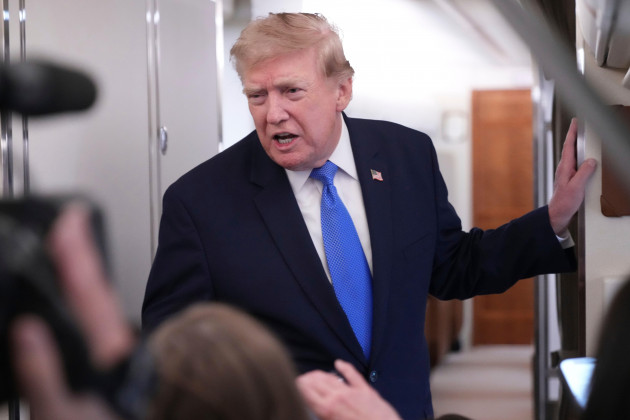
New talks between US and Iran to start today after Trump calls off World War Two-level strikes Trump said that he had been asked by Iran as well as US partners Saudi Arabia, the UAE and Qatar to hold off on the strikes.
thejournal · about 2 months ago
Trump: Iran talks begin Monday after aborted strike US President Donald Trump announced that the US will begin negotiations with Iran on Monday afternoon, after calling off a planned attack by the US and Israel. According to Trump, both Iran and other Middle Eastern countries had asked the US to hold back. The US and Israel initiated the war in Iran on February […]
cphpost · about 2 months ago
Oljepriset sjunker Efter Trumps nya Iranbesked
expressen · about 2 months ago
Iran-Krieg: Angriff abgesagt: Trump kündigt neue Gespräche mit Iran an – Ölpreis sinkt deutlich US-Präsident Donald Trump hat einen geplanten Angriff des US-Militärs auf Ziele im Iran vorerst abgesagt. Der Ölpreis sinkt. Doch die Börsen in Ostasien reagieren wenig euphorisch.
handelsblatt · about 2 months ago
Trump: Nye Iran-forhandlinger starter mandag USA og Iran starter nye forhandlinger mandag etter at USA avlyste et planlagt angrep mot landet, sier president Donald…
aftenposten · about 2 months ago
President Trump said that the U.S. held off on a fresh attack on Iran to facilitate a deal to halt Tehrans nuclear ambitions and reopen the Strait of Hormuz.
bluesky_Reuters · about 2 months ago
Iran-Krieg: Trump verkündet neue Gespräche Donald Trump verkündet nach dem vorläufigen Verzicht auf weitere Angriffe auf den Iran neue Gespräche ab Montag. Iran spricht von „Meinungsaustausch. mehr...
taz.de · about 2 months ago