
Trump cancels Iran strikes after claiming deal to reopen Strait of Hormuz
Story Timeline
2 months · 20 summary articles
U.S. President Donald Trump announced late on Aug. 1 that he would cancel planned military strikes against Iran after claiming that “the perimeters of a deal has been agreed to” by Tehran and Middle Eastern allies, including Israel. In a post on Truth Social, Trump said the agreement would require the “Immediate, Complete, and Total OPENING OF THE HORMUZ STRAIT” and “an end to Iran’s nuclear threat,” and that he had agreed to halt attacks “subject to being able to rapidly make a DEAL” .
Iranian state media swiftly denied Trump’s assertion that Tehran had requested a pause in strikes. Mehr News Agency quoted unnamed military sources calling the claim “simply a new lie” and “an attempt to blackmail the rulers of the Persian Gulf,” adding that Iranian forces remained at the highest level of readiness . The Strait of Hormuz, a critical chokepoint for global oil and gas shipments, has been effectively shut down at times during the conflict, with Iran previously blocking or threatening tolls on vessels it deemed unauthorized .
The decision followed pressure from Gulf states, including Saudi Crown Prince Mohammed bin Salman, who in a call with the White House stressed the “necessity of prioritising dialogue to de-escalate tensions,” according to reports . Iran’s Foreign Minister Abbas Araghchi had warned on Aug. 1 that any “adventurous action” by the U.S. or Israel would trigger a “decisive and proportional response” .
The conflict, which began on Feb. 28, has seen repeated tit-for-tat strikes, including Iranian attacks on U.S. positions in Jordan and Iraq, and joint U.S.-Saudi operations against Iranian-backed militias in Iraq . A June 17 framework agreement between Washington and Tehran had briefly reopened the Strait of Hormuz and initiated a two-month negotiation window for a nuclear deal, but hostilities resumed after the truce collapsed .
Trump had threatened new strikes as recently as Friday, telling a cabinet meeting that the U.S. would hit Iran “very hard” and that “at some point, they’re going to say, ‘We just can’t take it anymore’” . The economic strain of the conflict has contributed to rising oil prices, with Brent crude futures jumping 24% after a ceasefire unraveled last month, according to Reuters . Iran’s Houthi allies in Yemen have also threatened the Bab el-Mandeb strait, another key oil export route .
Mediators from Pakistan and Qatar expressed cautious optimism on Aug. 2 about the resumption of stalled U.S.-Iran talks, following Trump’s decision to cancel the strikes . The U.S. embassies in Iraq, Jordan, and the UAE had warned American citizens of potential Iranian attacks less than 24 hours before Trump’s announcement .
Follow us for live European news
Articles
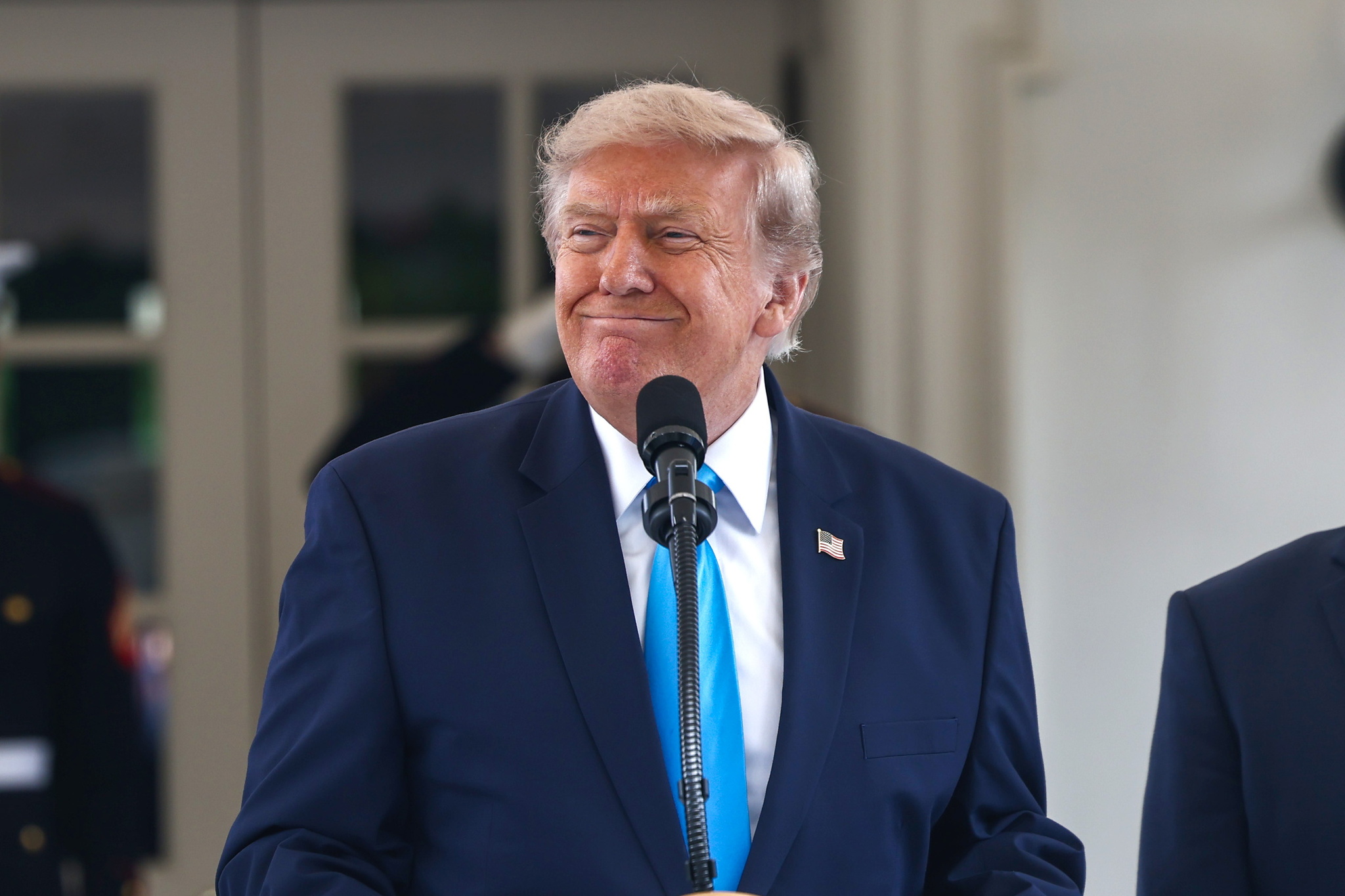
Trump asegura haber alcanzado "las bases de un acuerdo con Irán" El presidente de Estados Unidos, Donald Trump, afirmó que ordenaría a las fuerzas estadounidenses abstenerse de nuevos ataques contra Irán, y aseguró que sus aliados de Oriente Medio han acordado las bases de un acuerdo para poner fin a la guerra después de cinco meses. Leer
expansion · about 2 months ago

Barak says Trump ignores Netanyahu as Gaza framework sidelines Israel Former Israeli Prime Minister Ehud Barak said Sunday that a new Gaza ceasefire framework effectively sidelines Israel and its demands, claiming that US President Donald Trump "no longer pays attention" to Prime Minister Benjamin Netanyahu while Washington pursues direct negotiations with Hamas.
yenisafak · about 2 months ago

Gulf States Pressed Trump to Hold Off on Iran Strikes and Pursue Talks The president called off a planned attack late Saturday. Tehran has signaled openness to a new plan to open Strait of Hormuz, mediators said.
wsj · about 2 months ago
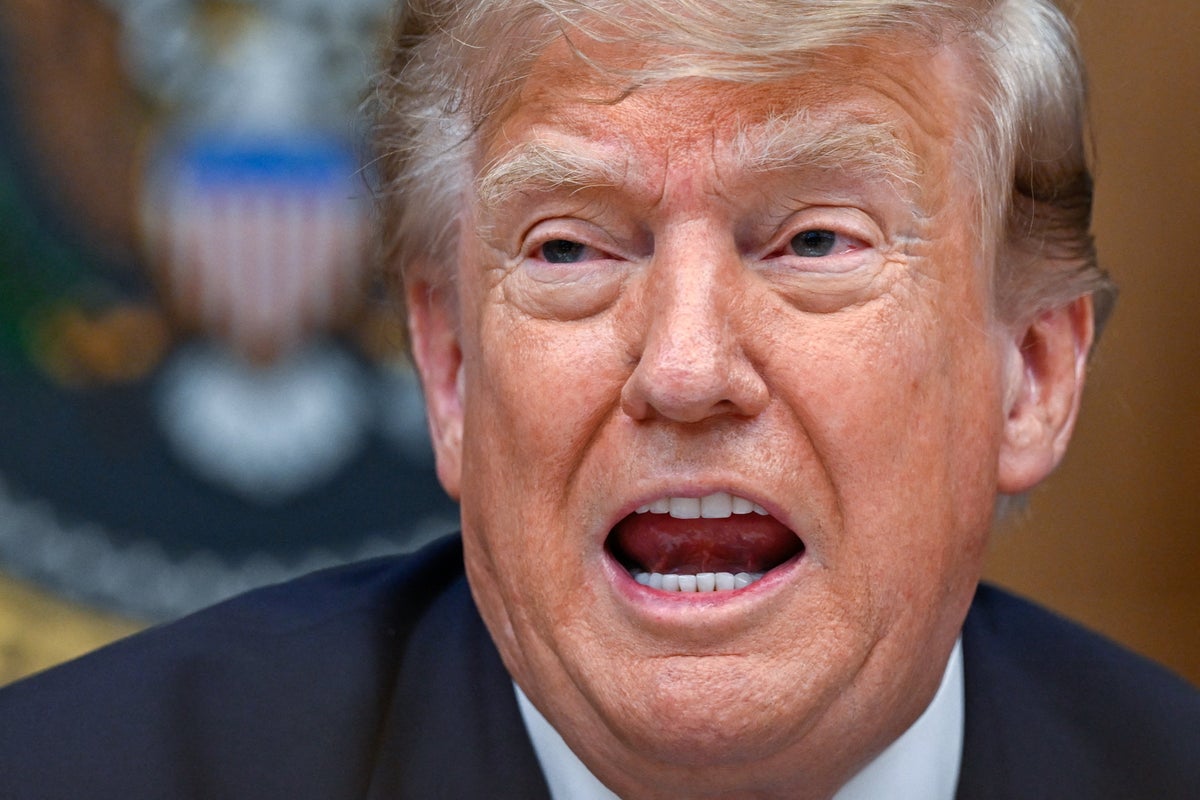
Iran-US war live: Trump cancels strikes as Tehran makes claims of psychological warfare Irans military accused the US of moving down the path of escalating tensions
independent · about 2 months ago

Trump Says He Called Off Impending Attack On Iran, Insists Deal Is Close US President Donald Trump said he has decided to "hold off" on any new attacks on Iran, saying "the perimeters" of a deal have been agreed to with Tehran and adding that Israel was joining him in the commitment.
radio free europe · about 2 months ago

Rubio: Iran never faced a president like Trump US Secretary of State Marco Rubio told Fox News on Saturday that Tehran has grown accustomed to diplomatic impunity over the past three decades, warning that President Donald Trump represents a decisive break from predecessors who tolerated Iranian violations of agreements, even as he outlined upcoming peace efforts for Ukraine and tensions with Beijing.
yenisafak · about 2 months ago

Trump disagrees 100 with US attorney dropping case against canoeist President Donald Trump publicly rejected US Attorney Jeanine Pirros decision to dismiss felony vandalism charges against US Olympic canoeist David Hearn, insisting the incident at the Lincoln Memorial Reflecting Pool constituted pure vandalism even as prosecutors cited new evidence suggesting the damage stemmed from contractor error rather than criminal conduct.
yenisafak · about 2 months ago

Mediators hold cautious optimism on US-Iran talks resumption Pakistani and Qatari mediators told Anadolu on Sunday that they hold cautious optimism for the resumption of stalled US-Iran talks by the end of this week after convincing President Donald Trump to cancel planned military strikes on the Islamic Republic.
yenisafak · about 2 months ago
„Nichts als eine neue Lüge: Iran kontert Trump US-Präsident Donald Trump verkündete zuvor, Teheran habe Washington um einen Verzicht auf neue Angriffe gebeten. „Unsere Streitkräfte befinden sich in höchster Alarmbereitschaft und sind auf jede Eventualität vorbereitet, heißt es seitens iranischer Militärvertreter.
die presse · about 2 months ago

USA - Newsblog : Trump sagt Angriffe auf Iran ab
gdelt bot · about 2 months ago

Trump Calls for Pause on Military Strikes Against Iran
news.yahoo.com · about 2 months ago
Capital One bank cites money-laundering probe to justify closing Trump Organization accounts Capital One Financial on Friday defended its decision to close more than 300 Trump-affiliated bank accounts back in 2021, stating that it did so after a money-laundering review. The disclosure marks the first time a bank has formally tied money-laundering concerns to US President Donald Trumps family business.
france24 · about 2 months ago
Trump says hes cancelling strikes on Iran as perimeters of a deal agreed On Friday, Trump had said he was "losing faith" in the prospect of a peace deal and threatened to hit Iran "very hard."
euronews · about 2 months ago
![The pre-Trump GOP is coming for Vance ahead of 2028 The Wall Street Journal opinion page tried to stop Donald Trump a decade ago and again in 2024. Now, the standard-bearer of traditional conservatism is making an early case against his presumed heir.Why it matters: Vice President JD Vance has the inside track for Trumps endorsement. But theres a not-insignificant GOP faction that never embraced Trumps overhaul of the party — and is already arguing against handing the reins to Vance. Driving the news: In a series of recent columns, Journal opinion writers have ripped Vance for being too self-promoting, too eager to court Tucker Carlson, and too thin-skinned.The columns were written by Kimberley Strassel and Allysia Finley — both members of the Journals editorial board. One of the pieces was an unsigned editorial. The main arguments:1. Vance is putting his ambitions ahead of governing.As congressional Republicans have tried to pass an agenda that might avoid an election wipeout in November, Strassel wrote, "Mr. Vance is promoting a book." She was referring to Vances recent media tour to promote his just-published bestseller, "Communion.""What experienced legislators wish the newbie Mr. Vance would understand is that his résumé polishing is doing no one any favors — not the party, not the president, not even himself."2. His personality rankles.Strassel wrote a follow-up piece after Vances fans came after her for her earlier column. "One answer [for the aggressive response] is simply that Mr. Vance is a sensitive bunny," she wrote. "But the other answer is that Mr. Vance knows his national conservative ambitions for the GOP arent landing."3. Hes naive.Finley and an unsigned WSJ editorial zeroed in on Vances defense of the memorandum of understanding with Iran that quickly unraveled, as well as his claims that the Iranian regime had turned over a new leaf."We promise that wasnt Mr. Obama or John Kerry speaking," the editorial board wrote dismissively.4. He cozies up to Carlson."Mr. Vance has spent the Trump presidency trying to curry favor with Mr. Carlson as part of laying the ground for a 2028 presidential run," Finley wrote, calling the VPs diplomatic outreach to Carlson "bizarre given how the pundit has made common cause with the far left" on Israel.Between the lines: Vances critics fall into three interlocking circles.Pro-Israel conservatives.Traditional Republicans who, broadly speaking, want to turn the clock back to the pre-Trump revolution in their party.The Murdoch empire. Rupert Murdoch clashed repeatedly with Trump — during the presidents first campaign, and again when he staged a comeback early in the 2024 cycle — before bending to him both times. The owner of the Journal and Fox News also lobbied Trump not to pick Vance for VP.The three groups converge on the papers opinion page.The other side: Vances army of supporters fired back at Strassel over her assertion that hes been AWOL from Congress. According to Vances office, hes been there over two dozen times since he became vice president. (His office declined to comment beyond that.)More broadly, the allies say the Journal is fighting the last war — clinging to a vision of conservatism the Republican Party has left behind.If anything, his supporters say, the papers criticism helps Vance politically — showing hes in tune with the partys grassroots and not heeding the old guard."No one in Vances orbit is concerned or surprised about being attacked by the literal beating heart of the pre-Trump GOP establishment," a top Vance ally told Axios. "When the Wall Street Journal ed board hits him, it only sends the exact signal to our base that we want. ... These guys are doing our work for us."A Trump administration official who also served in the first term called the editorial board "a relic of a bygone era. Their globalist screeds havent carried weight among GOP voters in the real world for years and only appeal to a small group of establishment never-Trumpers in D.C."Context: The GOP has changed drastically over the past decade. The parts of the party pining for a return to pre-Trump policies may be deluding themselves.Vance mirrors Trump on trade and immigration — the two issues at the center of Trumps overhaul of the party, and on which the Journal is most at odds with the administration.Elite opinion matters less than it once did, as Trumps rise showed.Zoom out: The backdrop for all of this is that many Vance-skeptical Republicans want Secretary of State Marco Rubio (whos been adamant he wont run) instead.Axios reported last month that Ken Griffin — one of the most prolific donors in GOP politics — said hed back Rubio over Vance in a primary."Regime Change," the bestseller by Maggie Haberman and Jonathan Swan, revealed that when Trump asked Murdoch for his opinion on Vance and Rubio (with the two sitting awkwardly nearby), the News Corp. boss said Vance "has the potential to be great" but that Rubio is "brilliant."Strassel was explicit in making the contrast: "Mr. Vance might follow the example of a current prospective rival. Secretary of State Marco Rubio is pursuing the [former VP Mike] Pence model: Put your head down, do the work, let the results speak," she wrote in April.The bottom line: Trump vanquished the Bush-era GOP, but hes a unique breed. Assuming Vance runs, hell have to show he can do the same.](https://images.axios.com/kz3_Qwcb87ZKaTLgGTXPgTsxqPs=/0x0:1920x1080/1366x768/2026/07/31/1785516681582.jpeg)
The pre-Trump GOP is coming for Vance ahead of 2028 The Wall Street Journal opinion page tried to stop Donald Trump a decade ago and again in 2024. Now, the standard-bearer of traditional conservatism is making an early case against his presumed heir.Why it matters: Vice President JD Vance has the inside track for Trumps endorsement. But theres a not-insignificant GOP faction that never embraced Trumps overhaul of the party — and is already arguing against handing the reins to Vance. Driving the news: In a series of recent columns, Journal opinion writers have ripped Vance for being too self-promoting, too eager to court Tucker Carlson, and too thin-skinned.The columns were written by Kimberley Strassel and Allysia Finley — both members of the Journals editorial board. One of the pieces was an unsigned editorial. The main arguments:1. Vance is putting his ambitions ahead of governing.As congressional Republicans have tried to pass an agenda that might avoid an election wipeout in November, Strassel wrote, "Mr. Vance is promoting a book." She was referring to Vances recent media tour to promote his just-published bestseller, "Communion.""What experienced legislators wish the newbie Mr. Vance would understand is that his résumé polishing is doing no one any favors — not the party, not the president, not even himself."2. His personality rankles.Strassel wrote a follow-up piece after Vances fans came after her for her earlier column. "One answer [for the aggressive response] is simply that Mr. Vance is a sensitive bunny," she wrote. "But the other answer is that Mr. Vance knows his national conservative ambitions for the GOP arent landing."3. Hes naive.Finley and an unsigned WSJ editorial zeroed in on Vances defense of the memorandum of understanding with Iran that quickly unraveled, as well as his claims that the Iranian regime had turned over a new leaf."We promise that wasnt Mr. Obama or John Kerry speaking," the editorial board wrote dismissively.4. He cozies up to Carlson."Mr. Vance has spent the Trump presidency trying to curry favor with Mr. Carlson as part of laying the ground for a 2028 presidential run," Finley wrote, calling the VPs diplomatic outreach to Carlson "bizarre given how the pundit has made common cause with the far left" on Israel.Between the lines: Vances critics fall into three interlocking circles.Pro-Israel conservatives.Traditional Republicans who, broadly speaking, want to turn the clock back to the pre-Trump revolution in their party.The Murdoch empire. Rupert Murdoch clashed repeatedly with Trump — during the presidents first campaign, and again when he staged a comeback early in the 2024 cycle — before bending to him both times. The owner of the Journal and Fox News also lobbied Trump not to pick Vance for VP.The three groups converge on the papers opinion page.The other side: Vances army of supporters fired back at Strassel over her assertion that hes been AWOL from Congress. According to Vances office, hes been there over two dozen times since he became vice president. (His office declined to comment beyond that.)More broadly, the allies say the Journal is fighting the last war — clinging to a vision of conservatism the Republican Party has left behind.If anything, his supporters say, the papers criticism helps Vance politically — showing hes in tune with the partys grassroots and not heeding the old guard."No one in Vances orbit is concerned or surprised about being attacked by the literal beating heart of the pre-Trump GOP establishment," a top Vance ally told Axios. "When the Wall Street Journal ed board hits him, it only sends the exact signal to our base that we want. ... These guys are doing our work for us."A Trump administration official who also served in the first term called the editorial board "a relic of a bygone era. Their globalist screeds havent carried weight among GOP voters in the real world for years and only appeal to a small group of establishment never-Trumpers in D.C."Context: The GOP has changed drastically over the past decade. The parts of the party pining for a return to pre-Trump policies may be deluding themselves.Vance mirrors Trump on trade and immigration — the two issues at the center of Trumps overhaul of the party, and on which the Journal is most at odds with the administration.Elite opinion matters less than it once did, as Trumps rise showed.Zoom out: The backdrop for all of this is that many Vance-skeptical Republicans want Secretary of State Marco Rubio (whos been adamant he wont run) instead.Axios reported last month that Ken Griffin — one of the most prolific donors in GOP politics — said hed back Rubio over Vance in a primary."Regime Change," the bestseller by Maggie Haberman and Jonathan Swan, revealed that when Trump asked Murdoch for his opinion on Vance and Rubio (with the two sitting awkwardly nearby), the News Corp. boss said Vance "has the potential to be great" but that Rubio is "brilliant."Strassel was explicit in making the contrast: "Mr. Vance might follow the example of a current prospective rival. Secretary of State Marco Rubio is pursuing the [former VP Mike] Pence model: Put your head down, do the work, let the results speak," she wrote in April.The bottom line: Trump vanquished the Bush-era GOP, but hes a unique breed. Assuming Vance runs, hell have to show he can do the same.
axios · about 2 months ago
Why has Trump halted Iran attacks, and what is the deal he is hinting at? Trump says perimeters of a deal has been agreed to as he pauses attacks. But is there any substance to his claim?
aljazeera · about 2 months ago
NEW: President Donald Trump said that the United States and Israel had agreed to hold off on new strikes on Iran — provided that a deal to end the months-long conflict is reached rapidly. READ:
telegram_Insider Paper · about 2 months ago

Donald Trump suspend une frappe contre lIran et mise sur la diplomatie... pour linstant
lexpress · about 2 months ago
Trump anulează noile atacuri în Iran, invocând „contururile unui acord Președintele Donald Trump a anunțat sâmbătă seara că amână noi atacuri împotriva Iranului, după ce oficialii avertizaseră anterior că președintele lua în considerare un atac intens asupra unor ținte din sectorul energetic, care ar fi putut începe în acest weekend, anunță ABC News.
digi24 · about 2 months ago
Trump verkoopt nu dure abonnementen voor snellere toegang tot zijn tweets Wie bij Trump aan zijn lippen wil hangen, mag daar nu voor betalen. Sinds dit weekend verkoopt het mediabedrijf van de familie Trump abonnementen op de posts van Donald Trump en…
nrc · about 2 months ago
Irankrieg: Iran widerspricht Trumps Darstellung einer Bitte um Waffenruhe Laut dem iranischen Militär hat die Regierung Donald Trump nicht um ein Aussetzen weiterer Angriffe gebeten. Man befinde sich weiter in Alarmbereitschaft. Das Liveblog
die zeit · about 2 months ago

Trump says he will hold off on fresh Iran attack in hope of quick deal
news.yahoo.com · about 2 months ago

U.S. President Donald Trump said late yesterday that he was canceling planned strikes on Iran pending a rapid agreement with Tehran to end the conflict in the Middle East.
bluesky_Politico Europe · about 2 months ago

DIRECT- Guerre au Moyen-Orient : lIran dénonce "un nouveau mensonge" de Donald Trump La guerre au Moyen-Orient se poursuit avec de nouvelles frappes, des menaces et des rebondissements diplomatiques. Suivez en direct les dernières évolutions de la situation. ...
la libre · about 2 months ago

John Cornyn rompt avec Donald Trump : la revanche dun sénateur qui na plus rien à perdre
lexpress · about 2 months ago
Trump says he will order halt to Iran strikes after parameters reached for deal to end war U.S. President Donald Trump said he will order American forces to hold off on new strikes against Iran, claiming Mideast allies had reached the parameters of a deal…
japantoday · about 2 months ago
Iran-Krieg: Trump: Angriffe auf Iran abgesagt - „Umrisse einer Einigung Das US-Militär stand Berichten zufolge kurz vor einer massiven Angriffswelle auf Ziele im Iran. Nun will Trump anscheinend darauf verzichten - sofern seine Bedingungen schnell erfüllt werden.
handelsblatt · about 2 months ago

Saudi crown prince warns Trump against reported Iran strike plans The Saudi crown prince voiced concern to US President Donald Trump during a Saturday telephone call over reported plans for large-scale strikes on Iran, urging restraint as Washington prepares potential military action and regional allies brace for escalation.
yenisafak · about 2 months ago

Trump cancels planned Iran strikes to allow peace talks US President Donald Trump announced Saturday he canceled planned military strikes against Iran after Tehran and other Middle Eastern countries requested time to finalize a peace deal framework, stating that Israel has joined the commitment to hold off on attacks while negotiations proceed.
yenisafak · about 2 months ago
Trump sagt Angriffe auf Iran vorerst ab Erst kürzlich hat US-Präsident Donald Trump dem Iran mit neuen Angriffen gedroht, nun hat er diese vorerst wieder abgesagt. Der Iran und andere Länder in der Golfregion hätten ihn darum gebeten, so Trump in der Nacht auf Sonntag. Aus Teheran kam ein Dementi: Trumps Aussage sei „nichts als eine neue Lüge. Iranische Militärvertreter hielten fest: „Unsere Streitkräfte sind in höchster Alarmbereitschaft und auf jede Eventualität vorbereitet.
orf.at · about 2 months ago

Trump says US, Israel to hold off on Iran strikes
bluesky_Euractiv · about 2 months ago