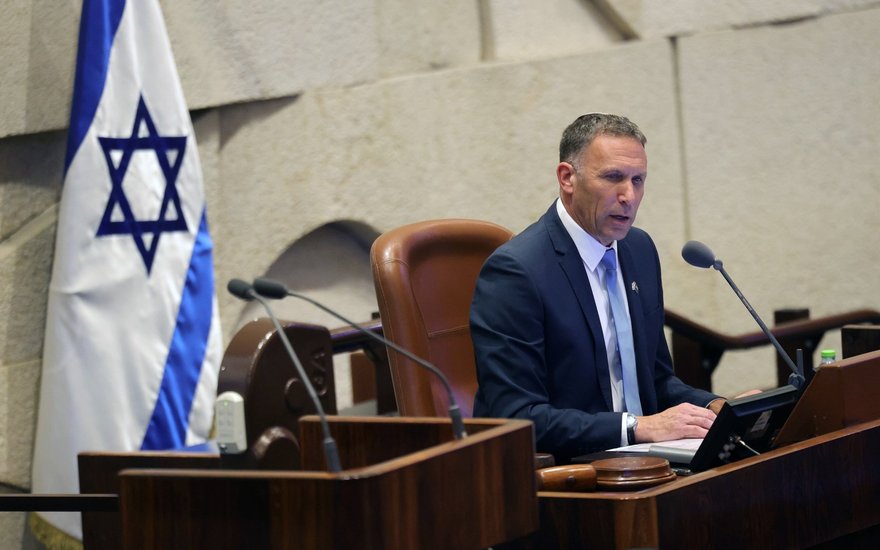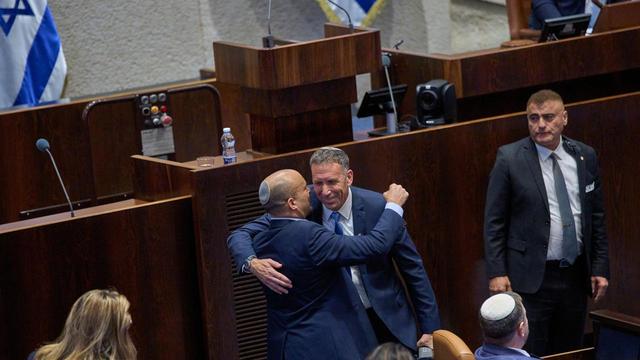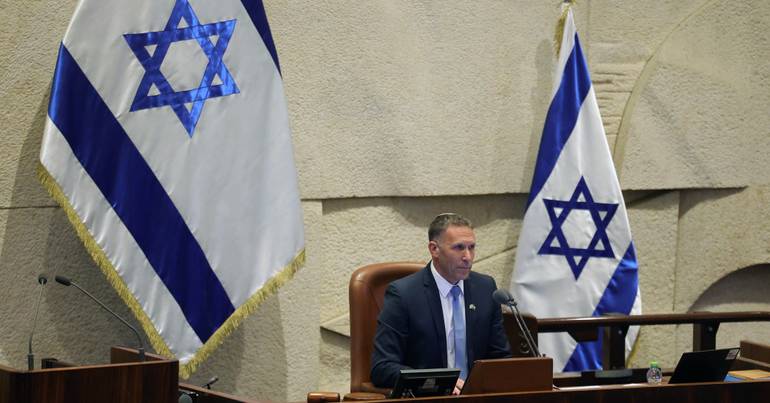
Israel's parliament elected Matan Kahana, an ally of opposition leader Gadi Eisenkot, as its new speaker on Tuesday, defeating the candidate of caretaker Prime Minister Benjamin Netanyahu.
The vote in the 120-member Knesset saw Kahana receive 66 votes, while Netanyahu's Likud candidate Ofir Katz garnered 52. The election followed a stormy debate lasting over seven hours. Two Arab-majority parties, which won an unprecedented 19 seats in the October 27 elections, backed Kahana.
Kahana, 54, is a former special forces soldier and fighter pilot in Eisenkot's Yashar party. He previously served as religious services minister in a 2021-2022 government. "I will be a Knesset speaker for everyone, irrespective of race, religion or gender," he said after the vote.
The speaker sets the parliamentary timetable and can accelerate or delay legislation. Eisenkot, tasked by President Isaac Herzog with forming a government, has until December 6 to assemble a coalition. His bloc won 48 seats in the October 27 vote, while Netanyahu's won 53.
With Kahana in the role, Eisenkot's bloc can advance bills to rescind Netanyahu's judicial reforms, establish a state inquiry into the October 7, 2023 Hamas attack, and impose term limits on the prime minister. Assaf Shapira of the Israel Democracy Institute said the speaker can make the legislative process "much, much faster or much slower."
Netanyahu, who left the chamber during the vote, said the speaker was elected "with the votes of supporters of terrorism." Eisenkot called the appointment "a worthy democratic move that reflects the absolute majority in favour of change."
Kahana replaces Amir Ohana, a Netanyahu ally who held the post since 2022. Roy Folkman of the Yashar party heads the temporary committee that controls Knesset business until a government is formed.
Netanyahu and Eisenkot met on Sunday to discuss a unity government, but both insisted they should serve as prime minister. Israel's central elections committee said on Tuesday there was no evidence that bribes were paid to voters on a scale that could have affected the election results.