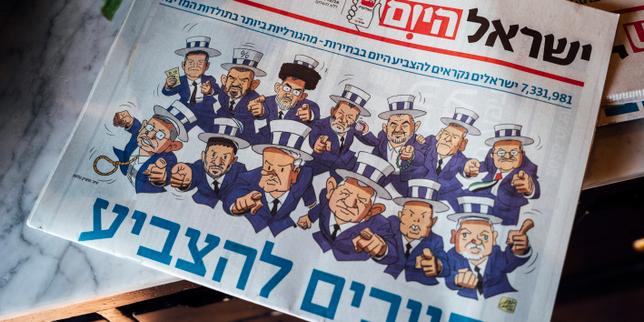
Israel’s parliamentary election ended in a deadlock on Wednesday, with neither Prime Minister Benjamin Netanyahu’s bloc nor the opposition led by Gadi Eisenkot securing a majority in the 120-seat Knesset.
With 55 percent of votes counted, Netanyahu’s coalition held 56 seats, while Eisenkot’s alliance had 49, according to the Central Elections Committee . Exit polls earlier had the blocs tied at 51 seats each, or Netanyahu’s camp narrowly ahead by 52-49 . Arab parties, projected to win 15-16 seats collectively, emerged as potential kingmakers .
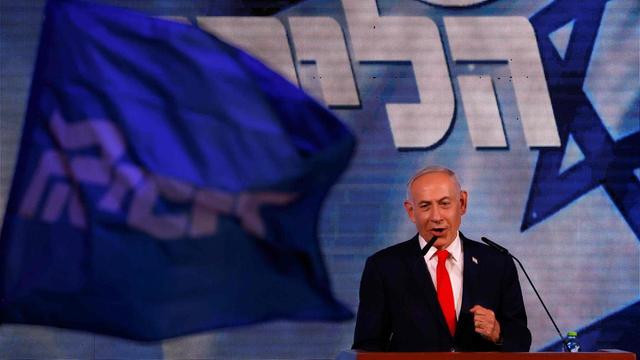
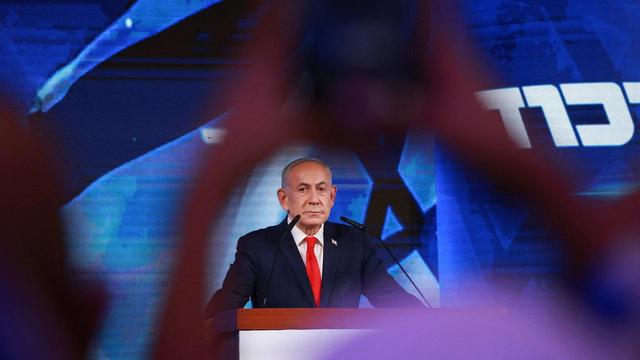
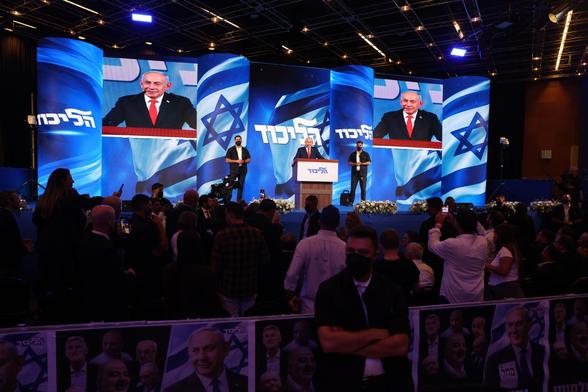
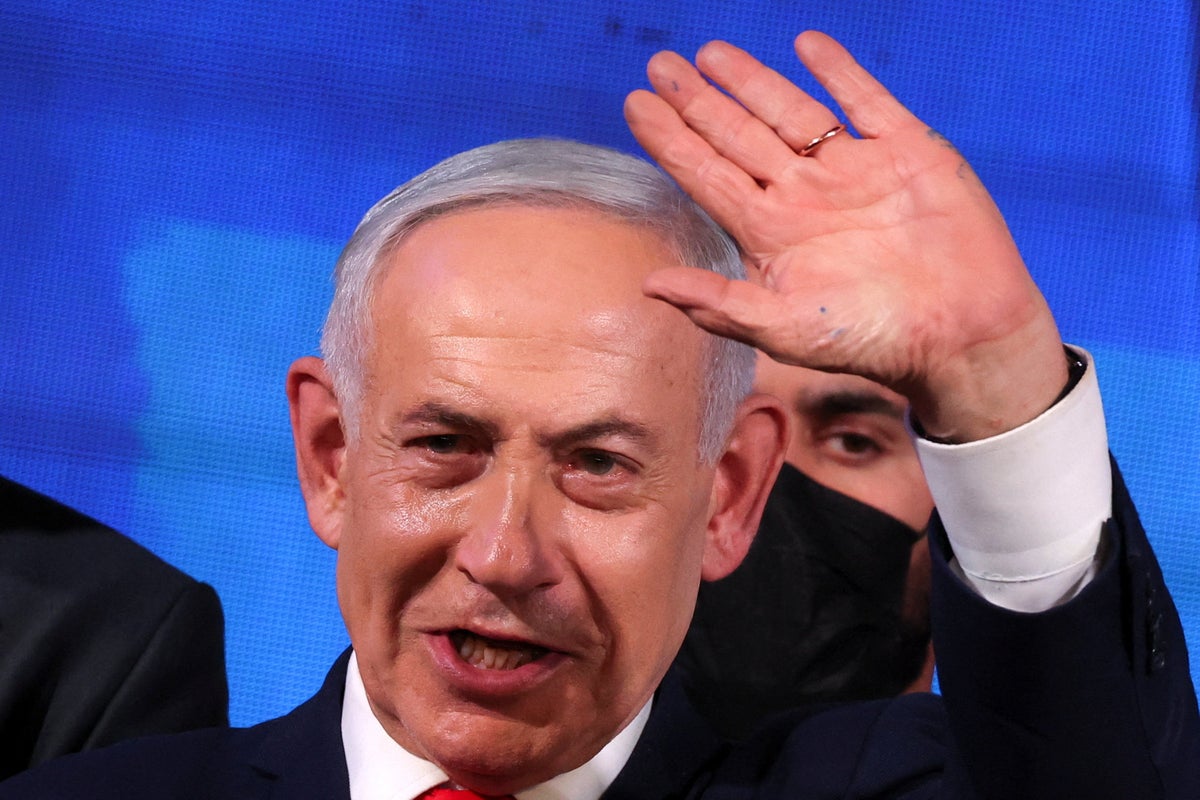
Netanyahu declared Likud the largest party and called for a “national right-wing government,” while Eisenkot insisted voters had rejected the incumbent and urged him to retire . Both men claimed the mandate to form a government, though neither bloc reached the 61-seat threshold .
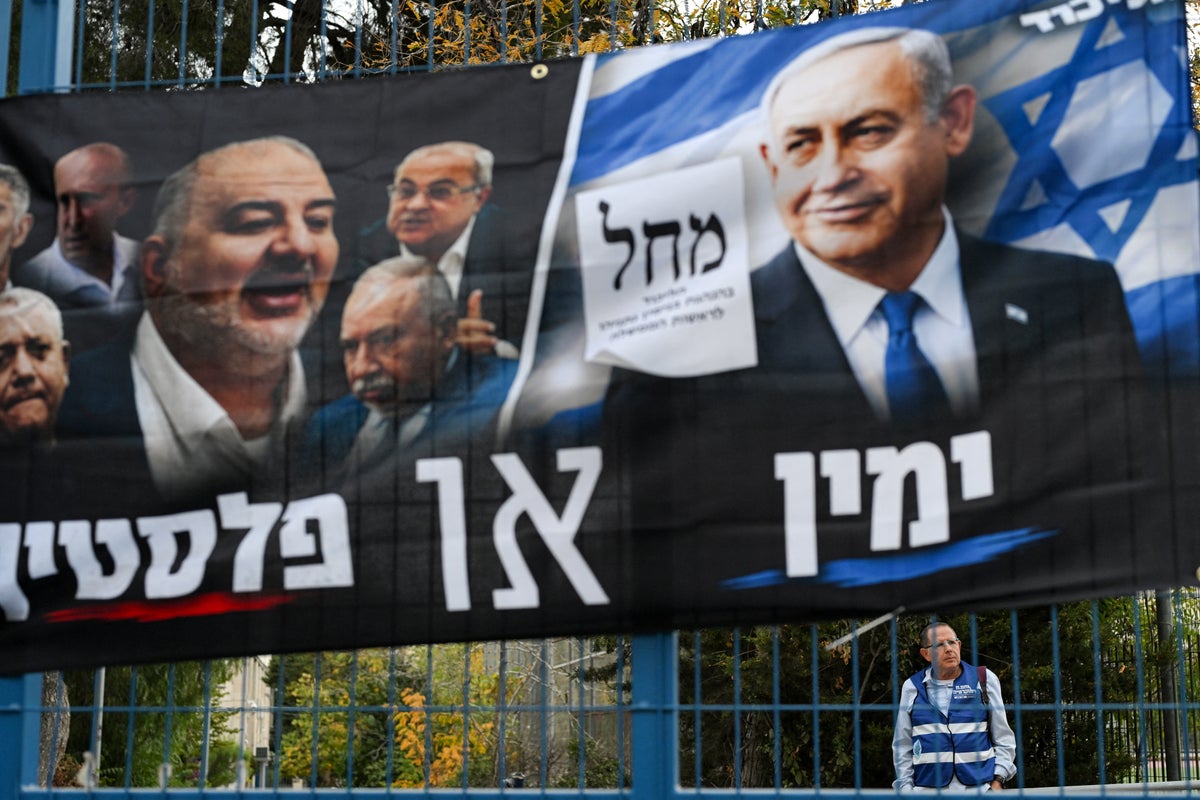
Eisenkot’s path to power hinges on support from Arab parties, which several Jewish opposition factions have ruled out. Netanyahu, in turn, warned against relying on Arab-backed coalitions, calling them “antizionist” . Ra’am leader Mansour Abbas said his party had received overtures from Netanyahu’s camp, without naming specific figures .
The election, held amid Israel’s wars in Gaza, Lebanon, and Iran, saw record turnout of 77.7 percent, the highest in over two decades . Official results are expected by 4 November, with coalition negotiations likely to extend for weeks .