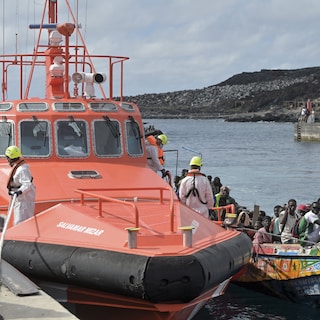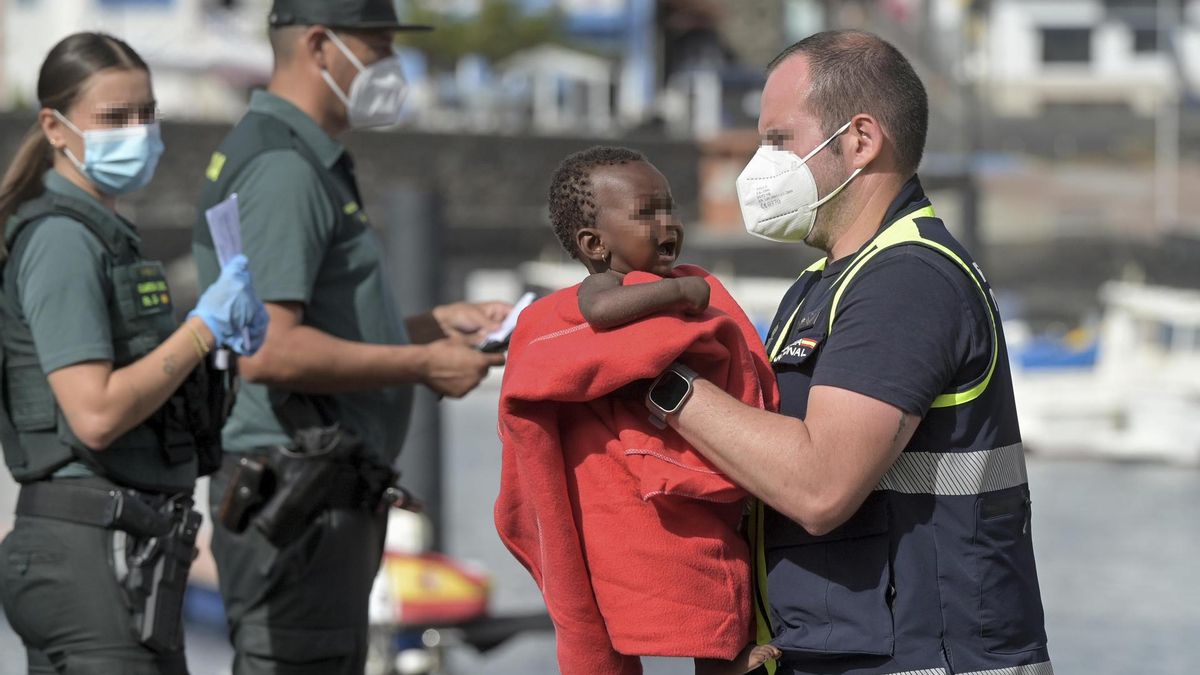
El Hierro, a Canary Island with 11,400 residents, declared a state of emergency on Saturday after more than 3,300 migrants arrived by boat since the start of November.
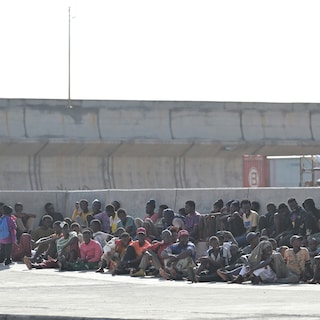
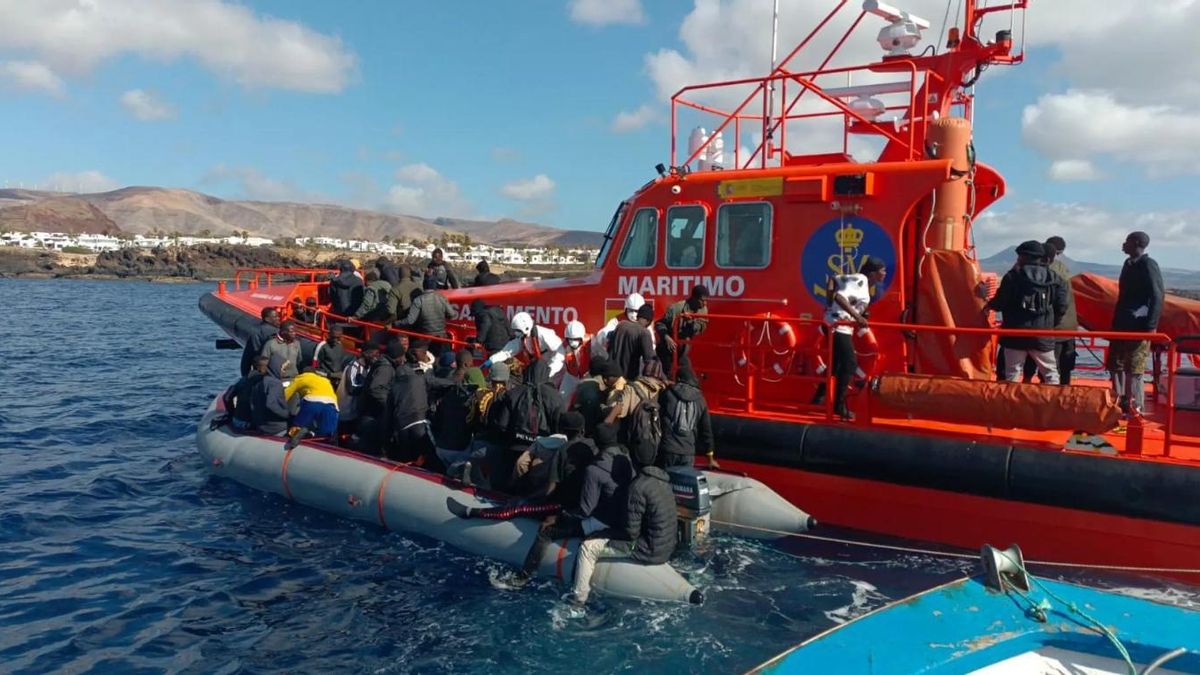
The arrivals, which came in about 30 boats, have overwhelmed the island's resources. Local authorities are seeking temporary accommodation for the newcomers, while conditions at the island's hospital have become "undesirable," according to Alpidio Armas, head of El Hierro's governing council. "We are very concerned by this sharp increase in arrivals," Armas told Spanish television on Saturday. Between midnight and Saturday morning, 314 people traveling in three boats landed on the island.
The surge is part of a larger wave that has brought more than 8,000 people to El Hierro in the last five weeks, with over 3,000 arriving in the past five days alone. Fernando Clavijo, the regional leader of the Canary Islands, called the situation "absolutely unsustainable" on Friday. Maritime rescue services saved 582 people in six boats on Saturday alone, bringing the total rescued off the Canary Islands in the first six days of November to 3,261.
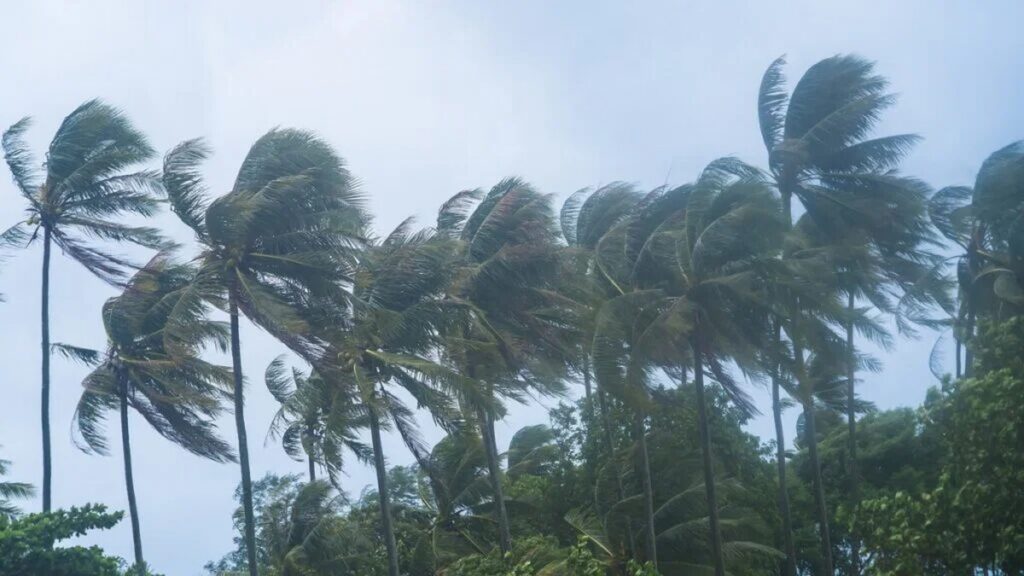
The Atlantic route from West Africa to the Canary Islands is one of the world's deadliest migration crossings. At least nine migrants have died off the islands in recent weeks, including two found dead on a boat this week and five others believed to have died during the voyage. Stormy weather forecast for the coming days could make the crossing even more dangerous for those still at sea.
Spain's government has scheduled an interministerial commission on immigration for Tuesday, November 10, at La Moncloa to address the crisis. Prime Minister Pedro Sánchez committed to convening the meeting and reinforcing health resources after speaking with Clavijo on Saturday. The regional leader has also requested urgent meetings with European Commission President Ursula von der Leyen and EU Commissioner for Home Affairs and Migration Magnus Brunner.
Arrivals reached a record of more than 46,000 in 2024 before falling sharply due to tighter surveillance and cooperation with countries of origin and transit. Between January and October, 13,327 irregular migrants arrived by sea, 5.5 percent fewer than in the same period last year. Patrols off Senegal, Mauritania and Morocco have pushed departures further south to The Gambia, Guinea-Bissau and Guinea, making crossings longer.