Italian prosecutors are investigating the far-right National Future party for allegedly violating a law banning fascist reconstitution, while parliament has passed a controversial antisemitism law.
The Rome prosecutor's office opened a file on National Future, led by retired General Roberto Vannacci, after the Italian Military Union filed a complaint on August 28. The union, led by Luca Marco Comellini, asked prosecutors to examine whether Vannacci's program respects the Italian Constitution and violates the Scelba Law, which prohibits reconstituting Mussolini's fascist party.
The complaint, signed by Comellini, cites proposals including mandatory repatriation of migrants with work permits. It describes programmatic points with characteristics of historical fascism, including rhetoric of national superiority and sacralization of the leader figure. It also asks prosecutors to examine AI-generated videos showing Vannacci as a Roman emperor sentencing opposition politicians to death. The union argued these videos "turn opponents into enemies to be exterminated."
The file is assigned to anti-terrorism magistrate Simona Marazza and currently has no suspects or charges. Seven other complaints were filed from cities including Milan and Bari. The military prosecutor is examining whether party members are active service personnel. Vannacci's lawyer, Giorgio Carta, said the accusations lack any basis and noted the complaint was registered as "model 45," a register for acts that do not constitute a crime.
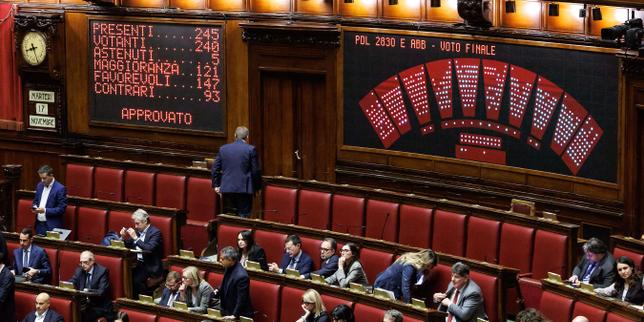
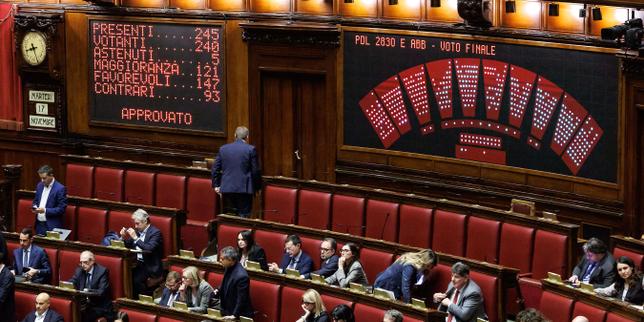
Italy's Lower House approved an antisemitism law on Tuesday by 147 votes to 93. The legislation adopts the working definition of antisemitism from the International Holocaust Remembrance Alliance (IHRA), an intergovernmental organization, which includes eleven examples, some relating to criticism of Israel. The government defended the law citing a rise in antisemitic incidents from over 200 in 2022 to more than 900 last year.
According to its critics, the law blurs the distinction between hate speech against Jews and criticism of Israeli policy. Amnesty International opposes the legislation, arguing that examples relating to Israel could lead to permitted criticism being treated as antisemitism. Prime Minister Giorgia Meloni's governing coalition rejected these concerns, arguing that legitimate political criticism would remain protected. The law establishes a national coordinator against antisemitism, a three-year strategy, and a database to monitor incidents.