Serbia's parliament remained deadlocked without a speaker on Wednesday as the European People's Party moved to suspend Aleksandar Vučić's Serbian Progressive Party from membership.
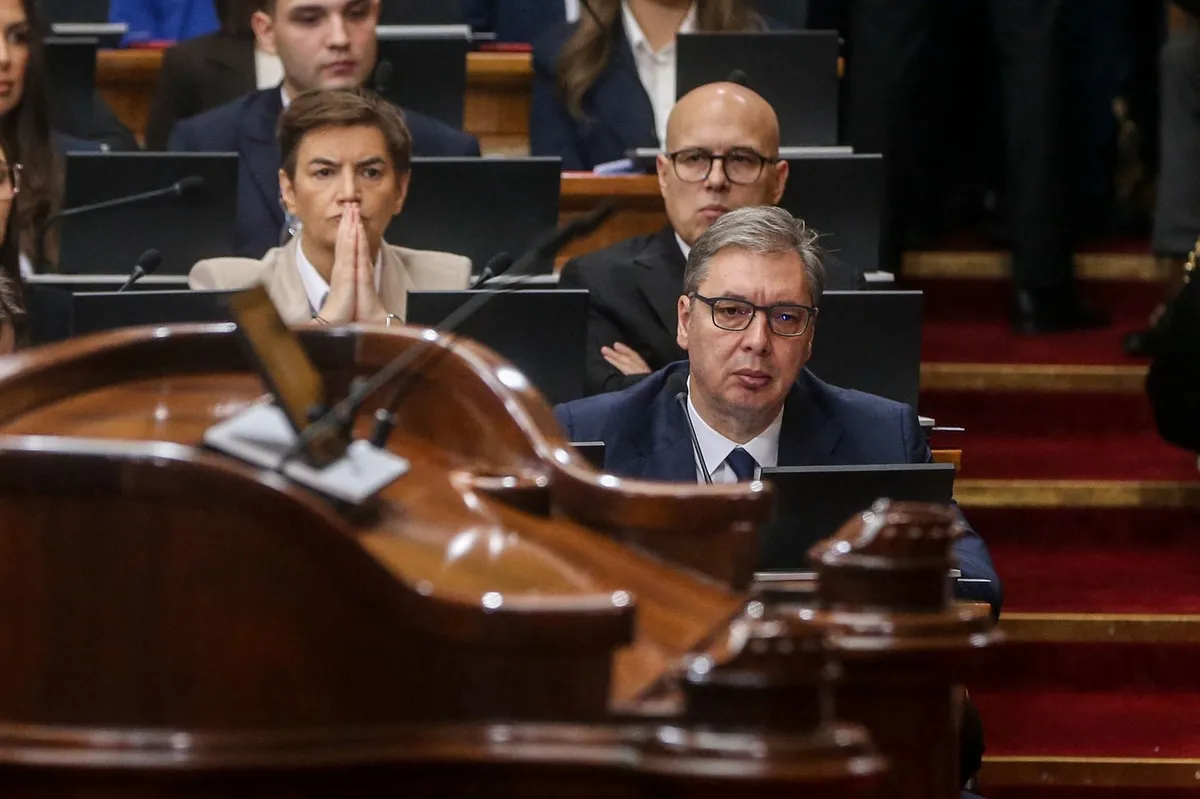
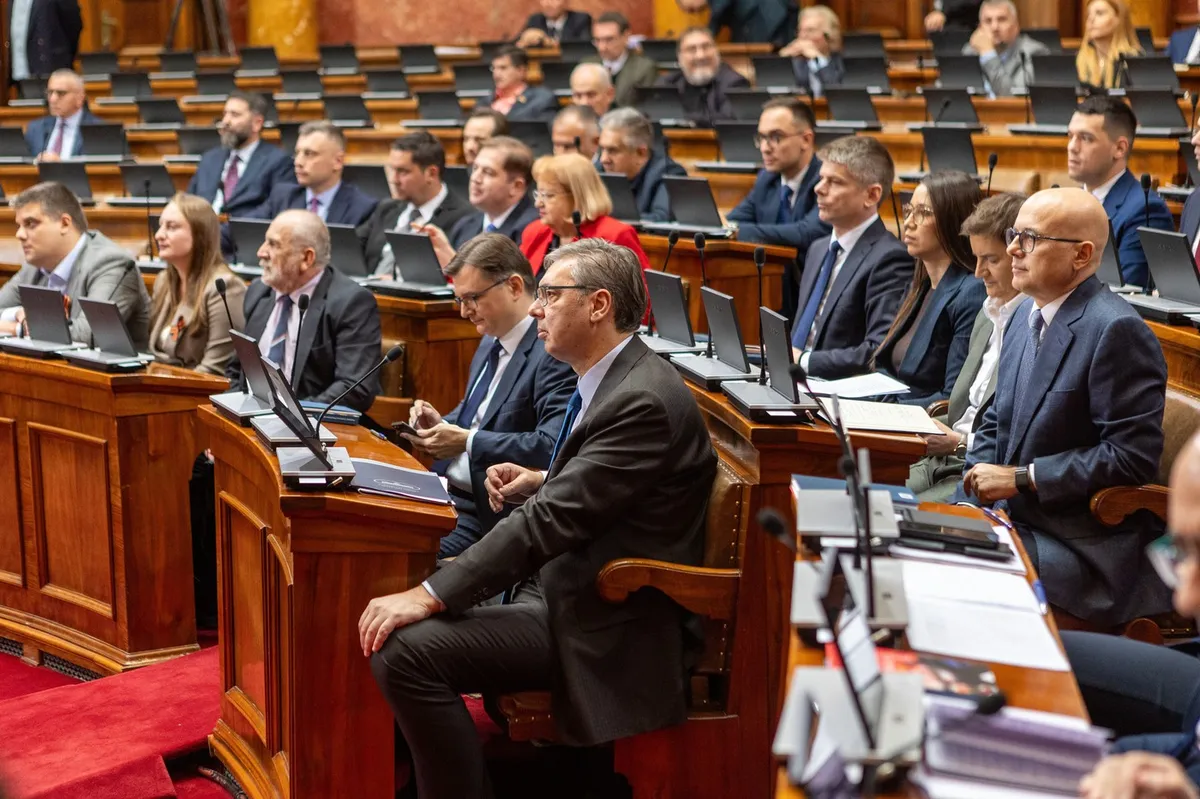
The constitutive session of the 250-seat National Assembly, which began Tuesday after the October 25 elections, continued for a third day without electing a speaker. The Student List, which won 140 seats and ended the SNS's 14-year rule, nominated Aleksandar Čupić, a lecturer at the University of Belgrade's Faculty of Transport. The opposition SNS, which holds 103 seats, nominated mathematician Stojan Radenović, who is presiding over the session as the oldest lawmaker.
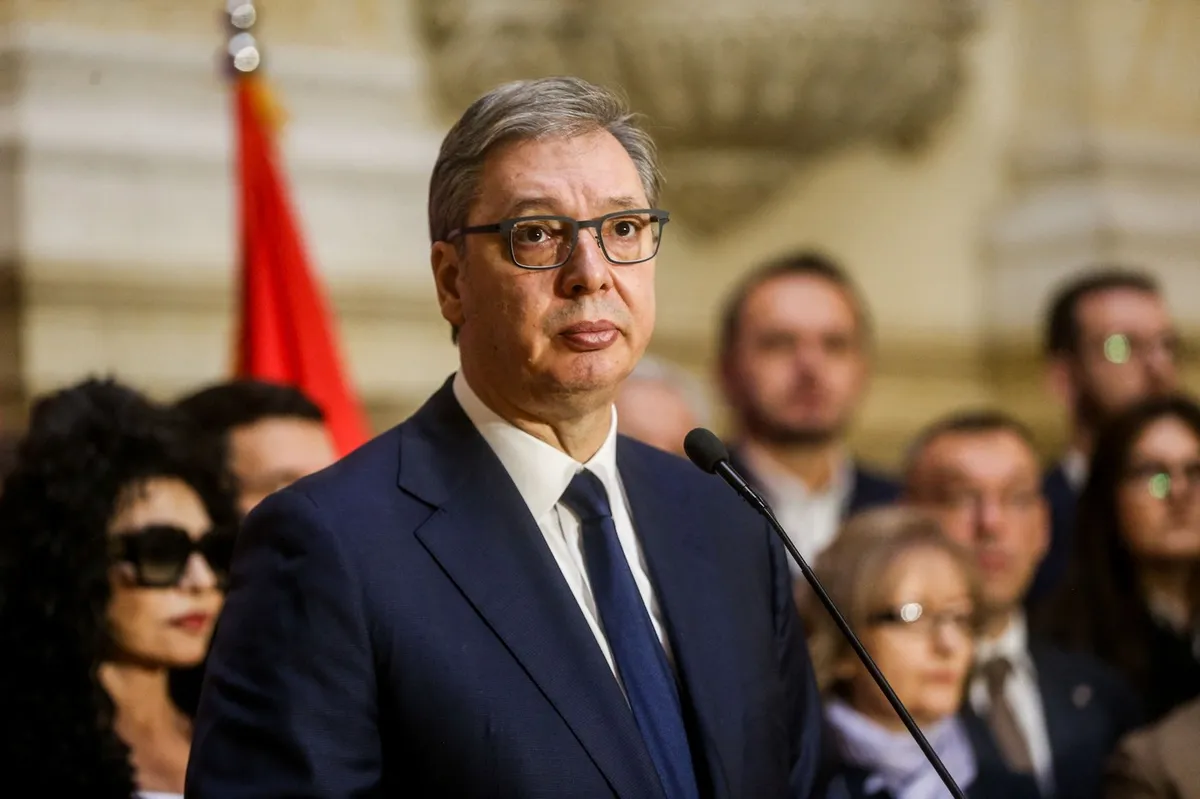
Vučić, the former president who now leads the SNS parliamentary group, spoke for five hours on Wednesday, using procedural rules to deliver lengthy monologues. He told the Student List's winning MPs that some had "only a short break from school" and would "destroy Serbia" economically and geopolitically. He also said he could have spoken for "10 more days" and announced his group would finish speaking by 1 p.m. on Thursday before a vote.
Student List MP Jugoslav Gašić accused the opposition of delaying the speaker election, saying "yesterday and today we had the opportunity to hear a bunch of lies, violations of the rules and personal insults." The list's parliamentary group leader Jovo Bakić said they let Vučić speak "no matter the insults" because they did not want to make the National Assembly "an indecent house." Čupić said after the session that "the former government has not reconciled with reality."
The EPP decision, made Wednesday, targets the SNS party whose obstruction has kept the legislature without a speaker. The EPP leadership decided to suspend the SNS, which has been an associate member since 2016. The decision requires ratification by the EPP's Political Assembly on Dec. 7-8. If approved, the SNS will have one year to meet demands including strengthening democratic standards, fighting corruption, aligning with EU foreign policy, and cooperating with Serbia's new authorities; failure to comply risks expulsion.
The EPP's conditions also include breaking with the legacy of Slobodan Milošević's Greater Serbian policy, ending the glorification of convicted war criminals, and stopping the denial of the Srebrenica genocide. The party had already criticized Vučić for rapprochement with Russia and the violent suppression of protests, and in September noted it could not ignore the state honors at the funeral of convicted war criminal Ratko Mladić.