Loading…
 Saturday, August 29Saturday, August 29
3 months · 16 summary articles
Oman and Iran on Wednesday announced the creation of a joint working group to negotiate the future administration of the Strait of Hormuz, as Muscat opened a temporary maritime corridor to ease the safe transit of vessels through the strategic waterway. The move follows a surge in geopolitical tensions that has left more than 1,150 commercial ships and 11,000 seafarers stranded in the Persian Gulf, according to Allianz’s Safety and Shipping Review 2026, which estimates the combined value of vessels and cargo at $125 billion.
Oman’s Foreign Ministry said the joint working group will seek to guarantee safe passage while upholding the sovereign rights of both littoral states over their territorial waters . The announcement came as Muscat and the International Maritime Organization (IMO) activated a temporary corridor to allow ships to exit the Gulf via the Strait of Hormuz, a route deemed too hazardous for normal navigation . The corridor follows reports that 11 Turkish-owned vessels have safely transited the strait since late February, while seven remain under Ankara’s watch with 177 crew aboard .
The IMO has now begun a phased evacuation of more than 11,000 mariners trapped in the Gulf, a UN-coordinated operation announced after a US-Iran agreement eased earlier blockades . Greek and Cypriot shipping sources confirmed that Greek-flagged vessels are among those preparing to use the new corridor, which splits the strait into two temporary shipping lanes under Iranian supervision in the north and Omani coordination in the south.
Allianz’s review underscores the economic stakes: the $125 billion in exposed assets represents a 15% increase over 2025, driven by rerouted crude and LNG cargoes that now skirt the Bab el-Mandeb and Suez Canal in favor of the Gulf’s shorter but riskier passages . Industry analysts warn that prolonged disruptions could force insurers to re-price war-risk premiums, potentially rerouting long-haul trade away from the Gulf entirely.
With the corridor operational and the joint working group convening in Muscat, regional diplomats see a fragile window to stabilize one of the world’s most critical chokepoints. Yet the simultaneous evacuation of seafarers and the presence of seven Turkish ships still awaiting transit highlight the corridor’s interim nature—and the enduring fragility of maritime security in the Gulf.
Follow us for live European news
3 further sources not geolocated

FirstFT: The worlds largest sovereign restructuring Also in todays newsletter, US-Iran hotline and Germanys warship fiasco
financial times · 2 months ago
Shipowners call for single global rulebook on recycling European and global shipowners have called for closer alignment between EU and international ship recycling rules, warning that diverging standards risk complicating the sector just as the new global framework begins to take hold. A new independent study, commissioned by European Shipowners | ECSA and the International Chamber of Shipping (ICS), examines the differences between the EU Ship Recycling Regulation and the International Maritime […]
cyprus mail · 2 months ago
Luftfahrt: 16 Airbus A380 müssen wegen Rissen in Tragflächen zum Check Risse in Tragflächen-Teilen des weltgrößten Passagierjets Airbus A380 haben die Europäische Luftfahrtbehörde EASA auf den Plan gerufen. Betroffen sind aber nur zwei Airlines.
handelsblatt · 2 months ago
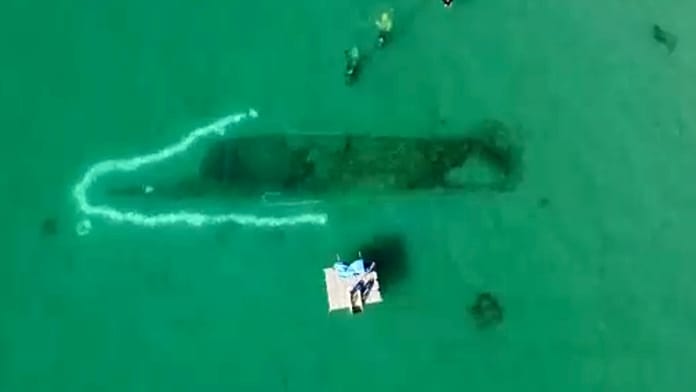
More than 150 shipwrecks discovered beneath Gibraltar waters Researchers have identified more than 150 archaeological sites, including over 130 shipwrecks, in the Bay of Gibraltar, revealing centuries of maritime history beneath one of the worlds busiest waterways.
euronews · 2 months ago
Antarktika jääkihi all on maa värisema hakanud Teadlased tegid kindlaks ootamatu asjaolu – Antarktika ei ole täielikult «maavärinavaba». Avastuse tegemisele aitas kaasa tehisaru, mis võib ka edaspidi teistes piirkondades võimaldada tuvastada sarnast aktiivsust.
postimees · 2 months ago
Εντοπισμός λέμβου με 32 αλλοδαπούς από τη FRONTEX νότια της Κρήτης Οι διασωθέντες οδηγούνται στο λιμάνι των Καλών Λιμένων
protothema · 2 months ago
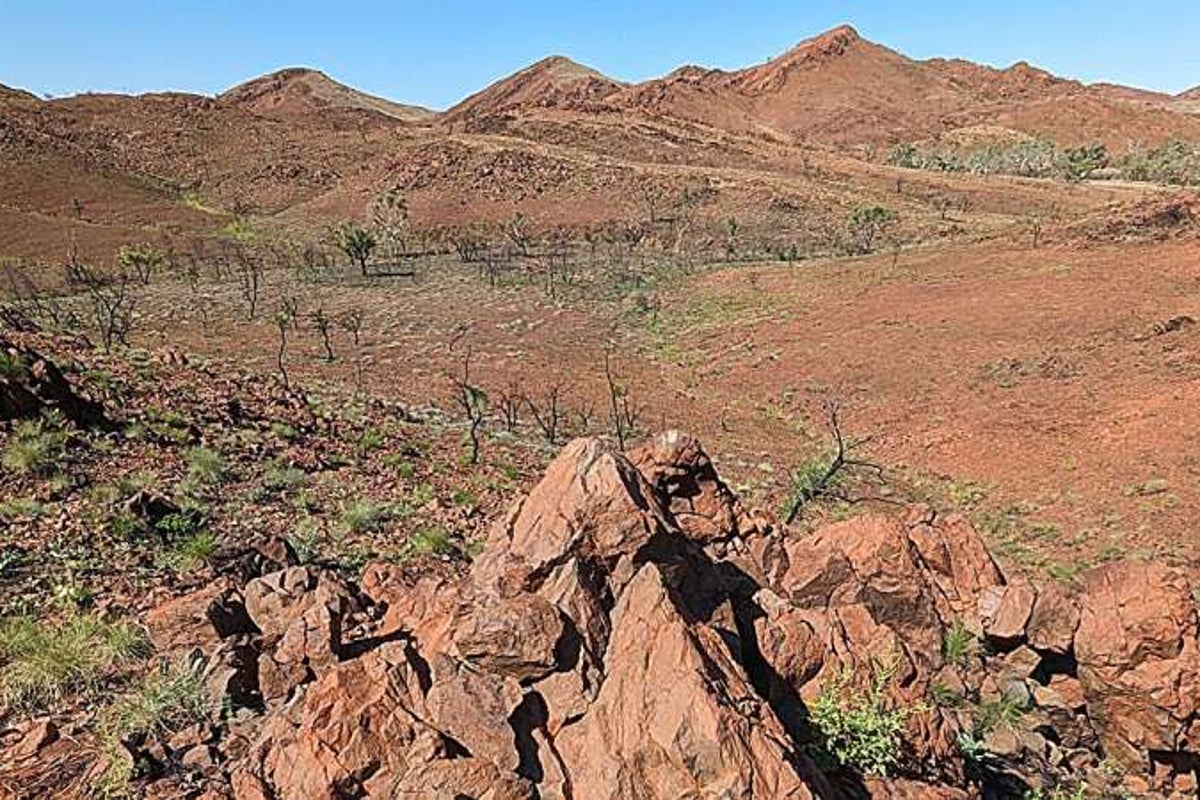
Earths oldest asteroid impact crater may just have been found Researchers date North Pole Dome in Australias Pilbara region to over 3 billion years ago
independent · 2 months ago
Allianz: $125 billion in vessel and cargo value awaits passage from the Persian Gulf Safety and Shipping Review 2026: Vessel and cargo value in region shows importance of maritime chokepoints. Managing geopolitical disruptions is now a top priority for shipowners and cargo operators. Geopolitical tensions challenge shippings ongoing long-term safety improvements. Incidents ...
the slovenia times · 2 months ago
Σχέδιο αποχώρησης πλοίων στον Περσικό Κόλπο: Ο IMO και το Ομάν ανοίγουν προσωρινούς θαλάσσιους διαδρόμους λόγω κινδύνων στο Στενό του Ορμούζ Η αρχική ζώνη κυκλοφορίας κρίνεται πλέον μη ασφαλής για ναυσιπλοΐα – Σταδιακή και ελεγχόμενη απομάκρυνση πλοίων μέσω δύο προσωρινών διαδρομών, με ενεργό ρόλο του Ιράν στη βόρεια διέλευση
protothema · 2 months ago
Türkiye says 11 vessels safely exited Gulf via Hormuz since war began Transport Minister Abdulkadir Uraloglu said on Tuesday that 11 Turkish-owned vessels have safely transited the Strait of Hormuz since the conflict began in late February, adding that Ankara is monitoring the region "moment by moment" to ensure the safety of seven remaining ships and their 177 Turkish crew members.
yenisafak · 2 months ago
Oman, Iran form joint working group on Hormuz navigation Omans Foreign Ministry announced on Tuesday the establishment of a joint working group with Iran to negotiate the future administration of the Strait of Hormuz, as the two littoral states pledged to guarantee safe passage through the strategic waterway while upholding sovereign rights over their territorial waters.
yenisafak · 2 months ago
Oman oppretter midlertidig korridor gjennom Hormuzstredet Oman oppretter en midlertidig maritim korridor for skip som skal gjennom Hormuzstredet.
aftenposten · 2 months ago
Peste 11.000 de marinari blocați în Golful Persic vor fi evacuați. ONU anunță o operațiune de amploare după acordul dintre SUA și Iran Organizația Maritimă Internațională (IMO), agenție specializată a ONU, pregătește evacuarea a peste 11.000 de marinari care au rămas blocați în Golful Persic din cauza conflictului dintre Statele Unite, Israel și Iran.
adevarul · 2 months ago
Middle East live: Oman announces temporary maritime corridor through Strait of Hormuz Oman said on Tuesday it had coordinated with the International Maritime Organization (IMO) to provide a temporary maritime corridor for vessels seeking to transit the Strait of Hormuz, the state news agency reported. Follow our liveblog for the latest developments. 👉 Read more:
telegram bot · 2 months ago
Satellite detects strong GPS interference from France to Pakistan
gdeltproject.org · 2 months ago
Allianz: 1.150 εμπορικά πλοία εγκλωβισμένα στον Κόλπο παρά τη συμφωνία ΗΠΑ–Ιράν Ναυτιλιακή ανάλυση προειδοποιεί για αξία φορτίων 125 δισ. δολαρίων και συνεχιζόμενους κινδύνους στο Ορμούζ
protothema · 2 months ago
Luftfahrt: 16 Airbus A380 müssen wegen Rissen in Tragflächen zum Check Flugzeuge von Emirates und Qantas müssen in die Werkstatt, weil in Teilen der Tragflächen Schäden entdeckt wurden. Airbus überprüft nun die Schäden.
handelsblatt · 2 months ago