
Strait of Hormuz reopens: Tankers resume transit after US-Iran deal
Story Timeline
4 months · 20 summary articles
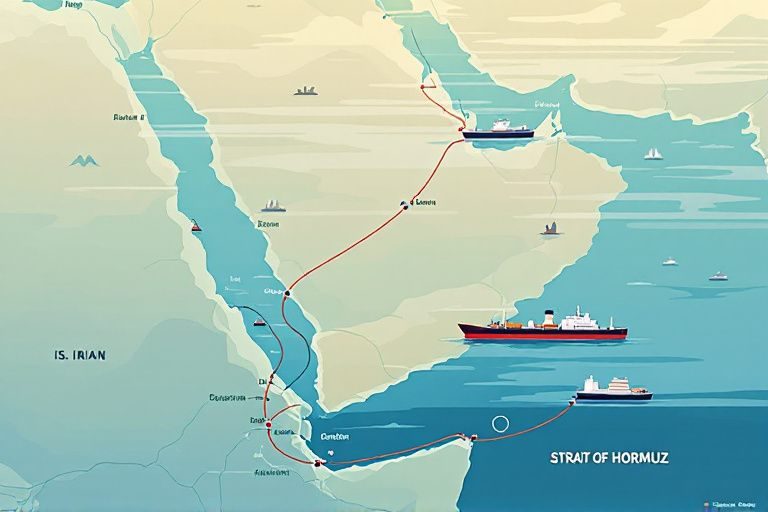
The Strait of Hormuz reopened to commercial shipping on Friday as the first vessels transited the strategic waterway following a US-Iran memorandum of understanding signed electronically by Presidents Donald Trump and Masoud Pezeshkian. At least 12 tankers, including Saudi crude carriers and Qatar’s first liquefied natural gas tanker since the war began, have passed through the strait in recent days, marking a cautious recovery of maritime traffic after a near-total collapse during the conflict.
Traffic through the narrow shipping lane surged to 25 vessels in a single day, the highest since June, with four supertankers carrying at least 8 million barrels of crude oil bound for Asian markets including Japan, South Korea, India, and China. Saudi Arabia’s reappearance of three Very Large Crude Carriers, each laden with approximately 2 million barrels, signals a potential de-escalation after two months of silence on tracking systems. A Japan-linked vessel detained in the Persian Gulf also cleared the strait on Friday, sailing toward Tokyo as Tokyo continues diplomatic efforts to secure passage for dozens of remaining ships.
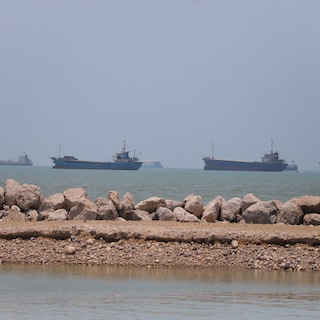
Iran’s Supreme National Security Council announced that traffic will be gradually increased under the memorandum, which suspends fees for 60 days and initiates mine-clearing operations. The deal, signed electronically on Friday, sets the stage for 60 days of negotiations on nuclear and sanctions issues. Industry experts warned, however, that full normalcy remains elusive until approximately 80 naval mines blocking the main shipping channel are cleared. Maritime traffic will remain severely restricted until the hazardous ordnance is removed, even as vessels begin transiting the waterway.
The partial reopening follows a collapse in traffic from around 130 ships daily to roughly 10 during the conflict, a decline of more than 90%. The cautious resumption of shipments reflects broader regional efforts to stabilize energy markets and restore commercial confidence. France has signaled it will retain a veto over the lifting of sanctions on Iran, complicating the broader diplomatic process. The coming weeks will determine whether the tentative easing of tensions can translate into sustained stability for one of the world’s most critical shipping corridors.
Follow us for live European news
- 2
- 2
- 2
- 1
- 1
- 1
1 further source not geolocated
Articles

Straat van Hormuz weer open, maar schepenfile niet zomaar opgelost Nu de intentieverklaring tussen de VS en Iran getekend is, gaat de Straat van Hormuz mondjesmaat weer open. Lezers vragen zich af wanneer de internationale handel weer op het oude niveau komt. Maar dat kan nog maanden duren.
nu.nl · 3 months ago
Strait of Hormuz reopening gradually as tanker traffic resumes after US-Iran deal At least 12 tankers have transited the Strait of Hormuz in recent days, including Saudi crude carriers, Iranian vessels, and Qatars first LNG tanker since the war began—signaling a cautious recovery of commercial shipping following the US-Iran framework agreement. Traffic had plummeted over 90 during the conflict, from around 130 ships daily to roughly 10.
yenisafak · 3 months ago
Iran says Hormuz traffic to be gradually increased under US deal Irans Supreme National Security Council announced that traffic through the Strait of Hormuz will be increased gradually under a memorandum of understanding with the US. No fees will be charged for 60 days, and mine‑clearing measures will follow. The deal, signed electronically by Presidents Trump and Pezeshkian, initiates 60 days of negotiations on nuclear and sanctions issues.
yenisafak · 3 months ago
Hormuzstredet: Største trafikk på to måneder Skipstrafikken gjennom Hormuzstredet var den travleste på to måneder etter at USA og Iran inngikk en midlertidig…
aftenposten · 3 months ago
2 June 2026 - The US-Iran memorandum postpones the hardest questions. The Gulf cannot afford to do the same
commonspace · 3 months ago
France flexes: Sanctions on Iran to be lifted only with our approval
mastodon bot · 3 months ago
Saudi super-tankers reappear after two months of silence Three Saudi Very Large Crude Carriers (VLCCs), carrying approximately 6 million barrels of crude, have re-emerged on tracking systems after a two-month silence. The development signals a potential de-escalation in the Strait of Hormuz following a recent US-Iran understanding, with two vessels en route to Asian ports.
yenisafak · 3 months ago
Türkiyes external assets rise to $406B on reserve gains The Turkish Central Bank reported on Friday that Türkiyes external assets climbed to $406 billion in April, driven by a substantial increase in reserve holdings, even as the nations total liabilities expanded and the net international investment position widened to minus $402.3 billion.
yenisafak · 3 months ago
Japan-linked vessel clears Hormuz as three-month blockade eases Japanese Prime Minister Sanae Takaichi announced Friday that a Japan-linked vessel detained in the Persian Gulf has successfully transited the Strait of Hormuz and is sailing toward Japan, as Tokyo continues diplomatic efforts to secure passage for dozens of remaining ships.
yenisafak · 3 months ago
Hormuz traffic rebounds as 25 ships cross in a day after US-Iran deal Commercial traffic through the Strait of Hormuz surged to 25 ships in a single day — the highest since June — following the US-Iran Islamabad Memorandum. Four supertankers carried at least 8 million barrels of crude, mainly from Saudi Arabia and the UAE, bound for Japan, South Korea, Pakistan, Singapore, India, and China.
yenisafak · 3 months ago
Straße von Hormus: Iran verlangt Registrierung von Schiffen für Hormus-Durchfahrt Der Iran hat neue Regeln für die Durchfahrt der Straße von Hormus veröffentlicht. Neben einer Registrierung der Schiffseigentümer könnte eine Versicherung Pflicht werden.
die zeit · 3 months ago
Saudi Arabia Upends Pakistans African Arms PushSaudi Arabia pulled the plug on a $1.5 billion arms deal between Pakistan and Sudan, effectively shutting down Islamabads ambitious plans to expand its defense exports and influence in Africa. This sudden move was part of a larger shift in Saudi Arabias Gulf strategy. #MiddleEast #Africa #DefenseExports #GulfStrategy
mastodon bot · 3 months ago
Straat van Hormuz nog lang niet volledig open na akkoord VS en Iran: 80 zeemijnen blokkeren hoofdroute
parool · 3 months ago
Türkiye raises Turkish Straits transit fee to $6.70 per ton Transport and Infrastructure Minister Abdulkadir Uraloglu said the new rate will take effect on July 1, 2026 under the 1936 Montreux Convention, boosting foreign currency revenue for the Treasury as annual transit income is projected to reach $254 million in the next fiscal cycle.
yenisafak · 3 months ago
Hormuz shipping normalcy elusive until mines cleared: Report Maritime traffic through the Strait of Hormuz will remain severely restricted until approximately 80 naval mines are cleared from the main shipping channel, industry experts warned Friday, even as vessels begin transiting the strategic waterway following a US-Iran agreement to end hostilities and reopen commercial lanes.
yenisafak · 3 months ago
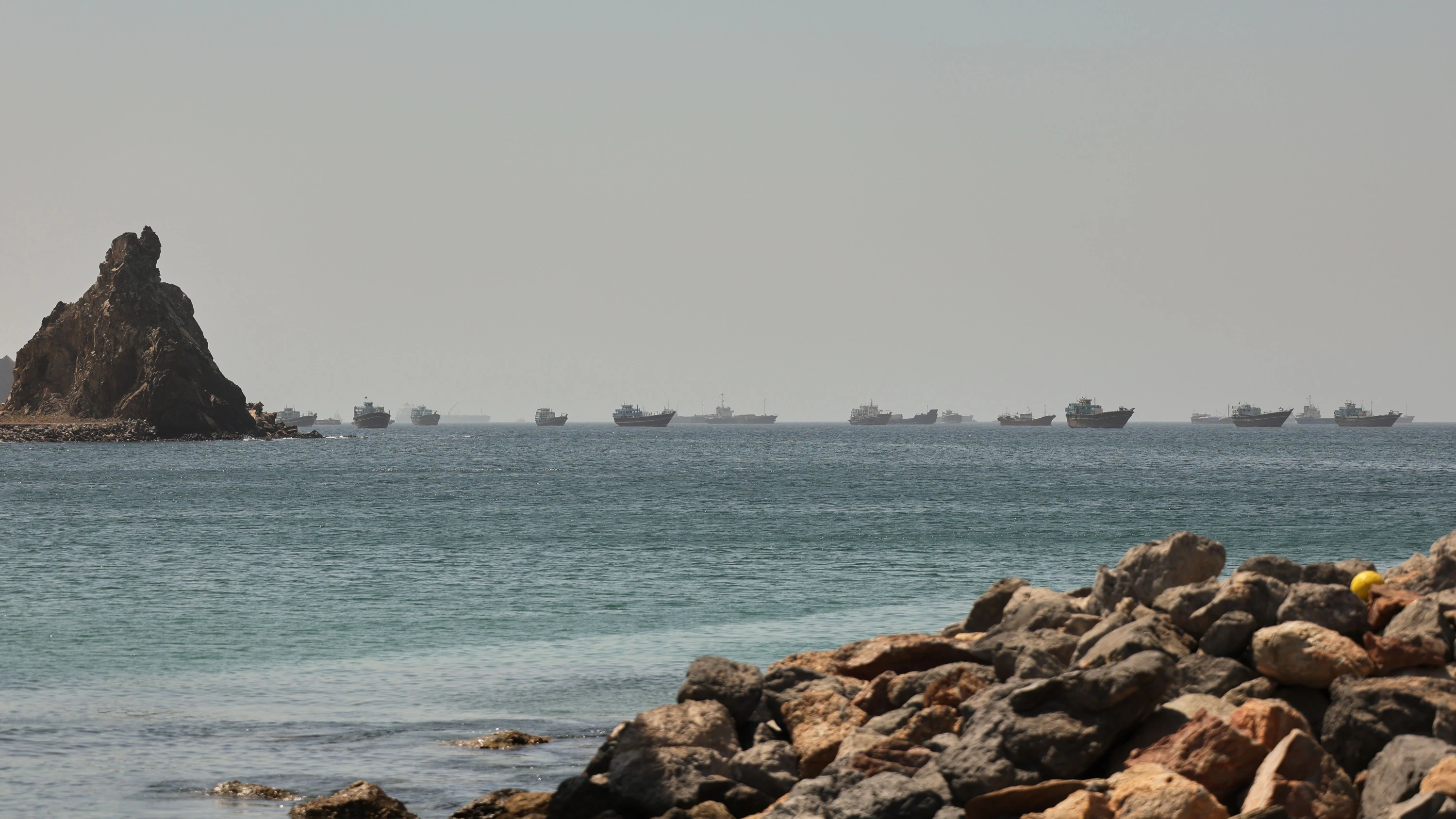
Entspannung in Nahost: Die Woche des sinkenden Ölpreises Die ersten Schiffe passieren die Straße von Hormus. Aber nicht alles verläuft ganz reibungslos. Wie geht es jetzt mit dem Öl weiter?
faz · 3 months ago

Whats Next for Trumps Iran Deal? Trump negotiated a deal to reopen the Strait of Hormuz and begin talks on Irans nuclear program. A lot can happen in the next 60 days.
wsj · 3 months ago

Trumps Iran Deal Is Off to a Chaotic Start The preliminary agreement, not yet a week old, has sown confusion: nixed Swiss signing ceremonies, rifts with Israel and Congress, and uncertainty over new talks.
new york times · 3 months ago