Loading…
 Saturday, September 26Saturday, September 26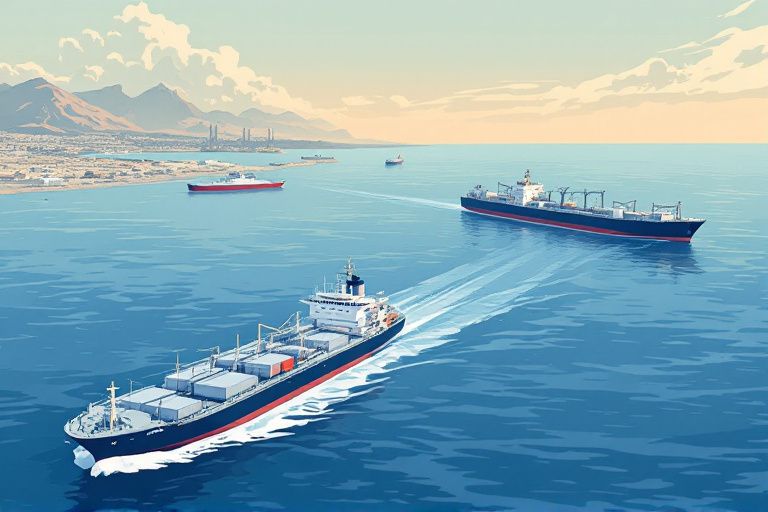
4 months · 26 summary articles
The Strait of Hormuz reopened cautiously on Friday as commercial shipping traffic surged to 25 vessels in a single day, the highest since hostilities began, following a US-Iran memorandum of understanding signed electronically by Presidents Donald Trump and Masoud Pezeshkian. Four supertankers carrying at least 8 million barrels of crude oil transited the strategic waterway, primarily from Saudi Arabia and the UAE, bound for Asian markets including Japan, South Korea, and China .
At least 12 tankers, including Saudi crude carriers, Iranian vessels, and Qatar’s first liquefied natural gas tanker since the war began, have passed through the strait in recent days, signaling a tentative recovery in commercial shipping . Traffic had plummeted over 90% during the conflict, from around 130 ships daily to roughly 10. Iran’s Supreme National Security Council confirmed that vessel traffic will increase gradually under the deal, with no fees charged for 60 days and mine-clearing measures to follow .
However, maritime experts warned that full normalcy remains elusive until approximately 80 naval mines are cleared from the main shipping channel, despite the resumption of limited traffic . The Dutch frigate Zr.Ms. has been positioned for a potential NATO operation in the strait, reflecting ongoing security concerns .
Saudi Arabia’s re-emergence as a key player was underscored by the return of three Very Large Crude Carriers (VLCCs), carrying roughly 6 million barrels of crude, after a two-month silence. Two of the vessels are en route to Asian ports, signaling a potential de-escalation in regional tensions . Meanwhile, a Japan-linked vessel detained in the Persian Gulf successfully transited the strait and is now sailing toward Japan, as Tokyo continues diplomatic efforts to secure passage for dozens of remaining ships .
The interim deal, which initiated 60 days of negotiations on nuclear and sanctions issues, has allowed Iran to resume oil exports globally, with the UAE’s ADNOC offering crude for loading inside the strait . Analysts suggest Iran views the agreement as a strategic win, though challenges remain in sustaining the fragile détente. Oil prices have dipped below $80 per barrel in response to the easing of blockades, reflecting the broader economic implications of the strait’s partial reopening .
Follow us for live European news
1 further source not geolocated

Übung «Conex 26» – Armee nutzt Bözberg-Tunnel als Schutzschirm gegen Drohnen Heutzutage sind Militärfahrzeuge beim Tanken im Wald wie auf dem Präsentierteller. Die Armee testet Alternativen.
srf.ch · 3 months ago
Aantal heupfracturen gestegen: Vloerkleedjes en kabels vormen een risico Het aantal patiënten dat in Nederland een heup brak, is de afgelopen vijf jaar met 14 procent gestegen. Vooral ouderen die thuis wonen lopen een groot risico, doordat hun huis niet veilig genoeg is.
nu.nl · 3 months ago
Straat van Hormuz nog lang niet volledig open na akkoord VS en Iran: 80 zeemijnen blokkeren hoofdroute
parool · 3 months ago
Türkiye raises Turkish Straits transit fee to $6.70 per ton Transport and Infrastructure Minister Abdulkadir Uraloglu said the new rate will take effect on July 1, 2026 under the 1936 Montreux Convention, boosting foreign currency revenue for the Treasury as annual transit income is projected to reach $254 million in the next fiscal cycle.
yenisafak · 3 months ago
Hormuz shipping normalcy elusive until mines cleared: Report Maritime traffic through the Strait of Hormuz will remain severely restricted until approximately 80 naval mines are cleared from the main shipping channel, industry experts warned Friday, even as vessels begin transiting the strategic waterway following a US-Iran agreement to end hostilities and reopen commercial lanes.
yenisafak · 3 months ago
Operațiune secretă atribuită Iranului: Gardienii Revoluţiei ar fi înființat celule secrete în Irak pentru a ataca state din Golf Corpul Gardienilor Revoluţiei din Iran (IRGC) a înfiinţat noi celule secrete în Irak pentru a lansa atacuri asupra ţărilor din Golf care găzduiesc forţe americane, ocolind reţelele de miliţii existente pentru a evita să fie detectate, au indicat surse irakiene citate vineri de Reuters.
digi24 · 3 months ago

F.A.Z.-Gesundheitspodcast: So können Sie Ihre Knochen vor Brüchen schützen In Deutschland wird zu wenig Wert auf Prävention gelegt. Das gilt auch für die Osteoporose, von der viele gar nicht wissen, dass sie darunter leiden – bis es zum Bruch kommt. Doch das kann man verhindern.
faz · 3 months ago
Renewable energy share in Netherlands rises to 22.7, Statistics Netherlands says Renewable energy consumption rose last year, with more power generated from sources such as wind, solar, and biomass than in the previous year, according to Statistics Netherlands.
nltimes.nl · 3 months ago
Nederland stuurt na mijnenjager ook fregat naar Straat van Hormuz Nederland heeft een fregat richting de Straat van Hormuz gestuurd, meldt defensieminister Dilan Yesilgöz in een brief aan de Tweede Kamer. Daarmee kan het snel worden ingezet bij een mogelijke missie. Yesilgöz benadrukt dat daarover nog geen besluit is genomen.
nu.nl · 3 months ago
Straat van Hormuz weer open, maar schepenfile niet zomaar opgelost Nu de intentieverklaring tussen de VS en Iran getekend is, gaat de Straat van Hormuz mondjesmaat weer open. Lezers vragen zich af wanneer de internationale handel weer op het oude niveau komt. Maar dat kan nog maanden duren.
nu.nl · 3 months ago
Strait of Hormuz reopening gradually as tanker traffic resumes after US-Iran deal At least 12 tankers have transited the Strait of Hormuz in recent days, including Saudi crude carriers, Iranian vessels, and Qatars first LNG tanker since the war began—signaling a cautious recovery of commercial shipping following the US-Iran framework agreement. Traffic had plummeted over 90 during the conflict, from around 130 ships daily to roughly 10.
yenisafak · 3 months ago
Iran says Hormuz traffic to be gradually increased under US deal Irans Supreme National Security Council announced that traffic through the Strait of Hormuz will be increased gradually under a memorandum of understanding with the US. No fees will be charged for 60 days, and mine‑clearing measures will follow. The deal, signed electronically by Presidents Trump and Pezeshkian, initiates 60 days of negotiations on nuclear and sanctions issues.
yenisafak · 3 months ago
Saudi super-tankers reappear after two months of silence Three Saudi Very Large Crude Carriers (VLCCs), carrying approximately 6 million barrels of crude, have re-emerged on tracking systems after a two-month silence. The development signals a potential de-escalation in the Strait of Hormuz following a recent US-Iran understanding, with two vessels en route to Asian ports.
yenisafak · 3 months ago
Türkiyes external assets rise to $406B on reserve gains The Turkish Central Bank reported on Friday that Türkiyes external assets climbed to $406 billion in April, driven by a substantial increase in reserve holdings, even as the nations total liabilities expanded and the net international investment position widened to minus $402.3 billion.
yenisafak · 3 months ago
Japan-linked vessel clears Hormuz as three-month blockade eases Japanese Prime Minister Sanae Takaichi announced Friday that a Japan-linked vessel detained in the Persian Gulf has successfully transited the Strait of Hormuz and is sailing toward Japan, as Tokyo continues diplomatic efforts to secure passage for dozens of remaining ships.
yenisafak · 3 months ago
Hormuz traffic rebounds as 25 ships cross in a day after US-Iran deal Commercial traffic through the Strait of Hormuz surged to 25 ships in a single day — the highest since June — following the US-Iran Islamabad Memorandum. Four supertankers carried at least 8 million barrels of crude, mainly from Saudi Arabia and the UAE, bound for Japan, South Korea, Pakistan, Singapore, India, and China.
yenisafak · 3 months ago
Holandská fregata mieri do Hormuzského prielivu. Týždne bude cestovať k možnej mnohonárodnej misii Holandsko presmerovalo svoju fregatu do Hormuzského prielivu, aby sa pridala k chystanej námornej misii. Napätie zvyšuje odpor Iránu voči cudzej armáde.
aktuality.sk · 3 months ago
Nederland stelt Reaper-drones beschikbaar aan NAVO, om gat op te vullen dat de VS achterlaten De NAVO had Nederland verzocht de onbemande vliegtuigjes beschikbaar te stellen, omdat de Verenigde Staten deze niet langer voor Europa willen reserveren.
nrc · 3 months ago
Alternative Dünger im Forschungstest: Kompost-Tee und Insektenhaut [premium] An der FH Oberösterreich gedeihen Kresse, Bohnen und Radieschen auf biologischem Dünger. Die Experimente zeigen, welche Biokombination für die Nutzpflanzen ideal ist. So spart man chemische Schutzmittel ein und stärkt die Pflanzengesundheit.
die presse · 3 months ago
Borse oggi, 19 giugno. Hormuz riapre, trattative ferme: petrolio sotto 80 dollari. Milano da record Nella prima giornata senza blocco gli Stati Uniti hanno fatto passare dodici navi ma rimangono le incognite sulle trattative
corriere · 3 months ago
Iran veröffentlicht Verfahren für Hormus-Durchfahrt
orf.at · 3 months ago
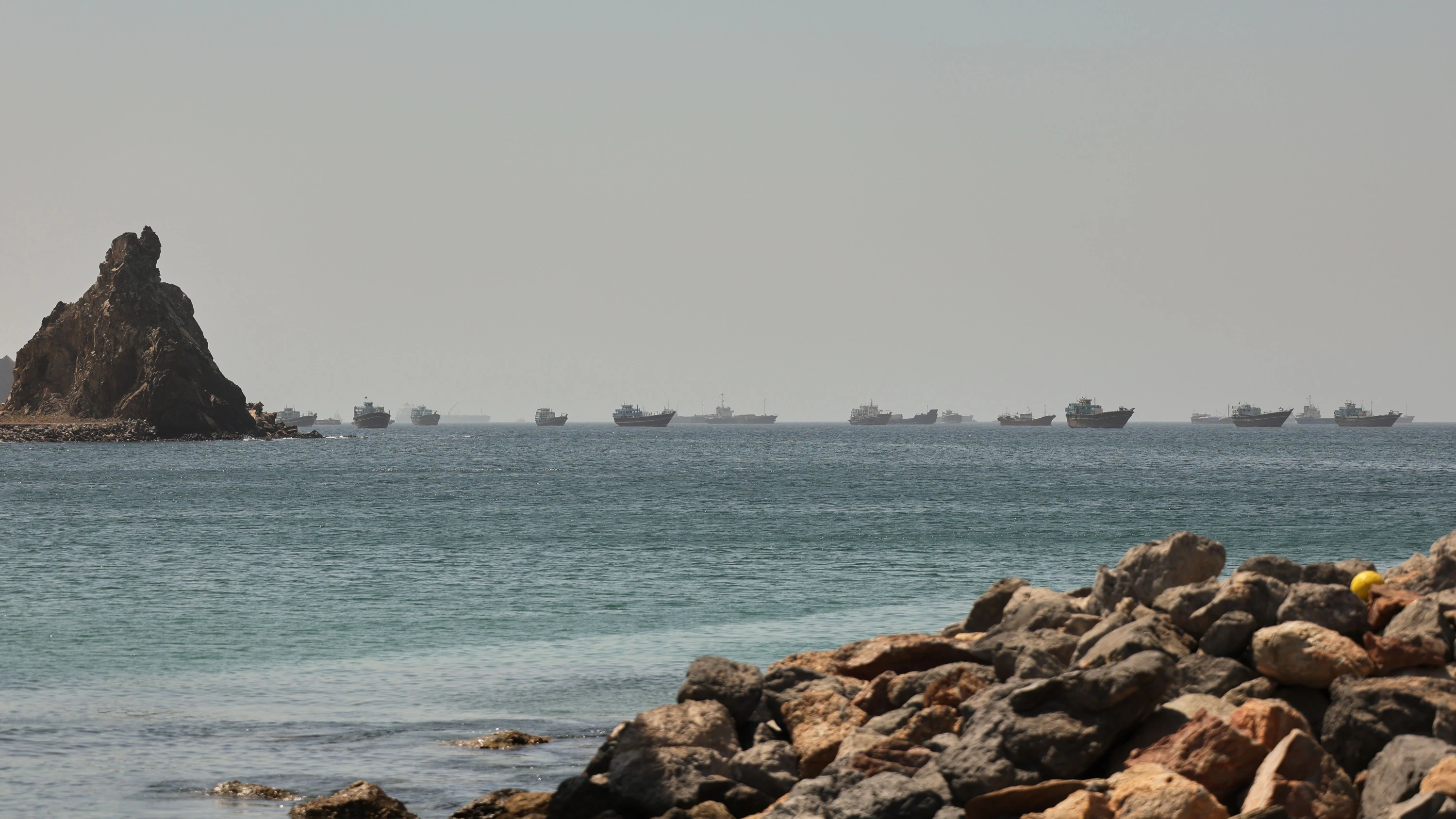
Entspannung in Nahost: Die Woche des sinkenden Ölpreises Die ersten Schiffe passieren die Straße von Hormus. Aber nicht alles verläuft ganz reibungslos. Wie geht es jetzt mit dem Öl weiter?
faz · 3 months ago

Iran says it will waive fees for Hormuz during 60 day negotiation period reut.rs/3SjvAN4
bluesky bot · 3 months ago

UAEs ADNOC offers crude, buyers can load inside Hormuz, trade sources say reut.rs/43HOa43
bluesky bot · 3 months ago
Netherlands positions ships and drones for possible NATO operation in Strait of Hormuz The Dutch frigate Zr.Ms.
nltimes.nl · 3 months ago
Für Angriffe gegen US-Stützpunkte: Irans Revolutionsgarden bauen offenbar geheime Drohnen-Zellen im Irak auf Insider berichten, der Iran würde im Irak Kämpfer für geheime Zellen rekrutieren. Im April und Mai sollen sie mehrere Angriffe gegen die Golfstaaten gestartet haben.
tagesspiegel · 3 months ago