
Strait of Hormuz reopens: Tanker traffic surges after US-Iran deal
Story Timeline
4 months · 19 summary articles
The Strait of Hormuz is gradually reopening to commercial shipping as part of a memorandum of understanding between Iran and the United States, with at least 12 tankers, including Saudi crude carriers and Qatari LNG vessels, having transited the critical waterway in recent days.
According to Iran's Supreme National Security Council, traffic through the Strait of Hormuz will be increased gradually under the deal, with no fees charged for 60 days and mine-clearing measures to follow. The agreement was signed electronically by Presidents Donald Trump and Masoud Pezeshkian, initiating 60 days of negotiations on nuclear and sanctions issues.
The resurgence of tanker traffic marks a cautious recovery of commercial shipping following the US-Iran framework agreement. Traffic through the Strait had plummeted by over 90% during the conflict, from around 130 ships daily to roughly 10. The gradual reopening has seen Saudi crude carriers, Iranian vessels, and Qatar's first LNG tanker since the war began transiting the Strait.
A timelapse video shows vessels moving through the Strait of Hormuz after the US and Iran signed the agreement, ending their conflict and reopening one of the world's most important shipping routes. However, doubts remain about the sustainability of the peace and the effectiveness of mine clearance operations. Portugal has admitted to participating in mine clearance operations in Hormuz, but the process is still ongoing.
The deal between the US and Iran has been welcomed as a positive step, but experts warn that the hardest questions have been postponed. The Gulf region, they say, cannot afford to do the same. The gradual reopening of the Strait of Hormuz and the resurgence of tanker traffic are positive signs, but the situation remains uncertain as negotiations on nuclear and sanctions issues continue.
As the world watches, the gradual reopening of the Strait of Hormuz offers a glimmer of hope for the recovery of commercial shipping and the stabilization of the region. However, the road ahead is fraught with challenges, and the success of the deal will depend on the ability of both sides to address the underlying issues and maintain the momentum of peace.
Follow us for live European news
- 3
- 2
- 1
- 1
- 1
- 1
- 1
- 1
- 1
- 1
2 further sources not geolocated
Articles

Strait of Hormuz reopening gradually as tanker traffic resumes after US-Iran deal At least 12 tankers have transited the Strait of Hormuz in recent days, including Saudi crude carriers, Iranian vessels, and Qatars first LNG tanker since the war began—signaling a cautious recovery of commercial shipping following the US-Iran framework agreement. Traffic had plummeted over 90 during the conflict, from around 130 ships daily to roughly 10.
yenisafak · 3 months ago
Iran says Hormuz traffic to be gradually increased under US deal Irans Supreme National Security Council announced that traffic through the Strait of Hormuz will be increased gradually under a memorandum of understanding with the US. No fees will be charged for 60 days, and mine‑clearing measures will follow. The deal, signed electronically by Presidents Trump and Pezeshkian, initiates 60 days of negotiations on nuclear and sanctions issues.
yenisafak · 3 months ago
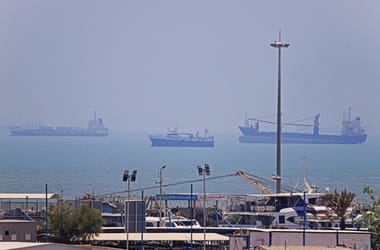
40 tankerhajó várakozik, 80 millió hordó kőolaj nem tud kijutni a Perzsa-öbölből Néhány szaúd-arábiai hajó már átjutott, de egyelőre még bizonytalan, tartós lesz-e az amerikai-iráni béke.
hvg.hu · 3 months ago
Dutch suicide rate lowest level since 2010; More young women, girls taking their lives Last year, 1,758 people took their own lives in the Netherlands, an average of five suicides per day. The suicide rate was 9.7 per 100,000 inhabitants, the lowest rate since 2010.
nltimes.nl · 3 months ago
Portugal admits to participating in mine clearance operations in Hormuz
gdeltproject.org · 3 months ago
Η Ιαπωνία θάβει «μεταφορικό ιμάντα» μήκους 500 χλμ. μεταξύ Τόκιο-Οσάκα για να αντικαταστήσει 25.000 φορτηγά την ημέρα
protothema · 3 months ago
Zelfdoding onder tienermeisjes is in twintig jaar tijd ruim verdubbeld Het aantal zelfdodingen onder tienermeisjes is de afgelopen twintig jaar ruim verdubbeld, blijkt vrijdag uit cijfers van statistiekbureau CBS. Vorig jaar maakten 29 meisjes van tien tot twintig jaar een einde aan hun leven.
nu.nl · 3 months ago
Rechtsextremismus: NSU-Dokuzentrum steht infrage Die Verbrechen der rechtsterroristischen NSU sollen in einem nationalen Zentrum aufgearbeitet werden. Doch jetzt ringt die Bundesregierung ums Geld – und auch die Angehörigen haben Differenzen.
sueddeutsche · 3 months ago
2 June 2026 - The US-Iran memorandum postpones the hardest questions. The Gulf cannot afford to do the same
commonspace · 3 months ago
3 June 2026 - Armenia Election Monitor - A strategic choice: Armenian voters between diversification and dependency
commonspace · 3 months ago
5 June 2026 - Armenia Election Monitor - Armenia goes to the polls, searching for a way forward
commonspace · 3 months ago
10 June 2026 - Armenia Election Monitor - The Importance of the 2026 Parliamentary Elections for Armenias Democratic Future
commonspace · 3 months ago
11 June 2026 - Critical mineral discussions in Astana
commonspace · 3 months ago
12 June 2026 - Armenia Election Monitor - Special Issue
commonspace · 3 months ago
16 June 2026 - Iran and the US agree on a Memorandum of Understanding
commonspace · 3 months ago
18 June 2026 - The South Caucasus is closer to peace, but the momentum must be protected
commonspace · 3 months ago
Larry Donnelly: The US-Iran deal raises more questions than answers Our columnist wonders if the memorandum of understanding between the US and Iran is worth the one page its written on.
thejournal · 3 months ago
Oil prices rise as Lebanon fighting erupts and Hormuz traffic still slow Brent crude reverses slide after oil, LNG tankers cross critical waterway.
aljazeera · 3 months ago
Timelapse video shows ships moving through the Strait of Hormuz since reopening A timelapse shows vessels moving through the Strait of Hormuz after the US and Iran signed an agreement ending their conflict and reopening one of the worlds most important shipping routes.
euronews · 3 months ago

Japan-owned vessel passed through Strait of Hormuz on Friday, Japan says reut.rs/4vkYI5d
bluesky bot · 3 months ago
Netherlands, Ipsos-I&O poll: PRO-G/EFA|S&D: 17 (+2) VVD-RE: 13 D66-RE: 13 (+7) PVV-PfE: 10 (-12) JA21-ECR: 9 CDA-EPP: 9 (+3) FvD-ESN: 9 (+7) PvdD-LEFT: 4 SP-LEFT: 4 (+1) 50PLUS-RE: 3 SGP-ECR: 3 CU-EPP: 2 DENK-*: 2 (-1) Volt-G/EFA: 2 (-3) BBB-ECR: 1 (-4) +/- vs. 23 February 2024 - 05 March 2024 Fieldwork: 12-15 June 2026 Sample size: 1,529 ➤ europeelects.eu/netherlands
telegram bot · 3 months ago
EOS Risk Group: Η συμφωνία ΗΠΑ - Ιράν δεν αρκεί ακόμη για να μειώσει τον κίνδυνο στο Στενό του Ορμούζ Η EOS εκτιμά ότι, παρά το μνημόνιο κατανόησης και την αποκλιμάκωση των εντάσεων, οι συνθήκες για την εμπορική ναυτιλία παραμένουν αβέβαιες, με τους πλοιοκτήτες και τους ασφαλιστές να καλούνται να διατηρήσουν αυξημένη επαγρύπνηση
protothema · 3 months ago
Ripresa lenta del traffico di petroliere attraverso Hormuz. I dubbi su sminamento e pedaggio: Teheran vuole il controllo Le prime petroliere hanno ripreso a transitare attraverso lo Stretto di Hormuz dopo lentrata in vigore dellaccordo che ha posto fine alle ostilità tra Stati Uniti e Iran in attesa di negoziati rinviati però a data da destinarsi. Teheran ha annunciato procedure accelerate, da parte dellAutorità dello Stretto del Golfo Persico, per il rilascio delle […] Larticolo Ripresa lenta del traffico di petroliere attraverso Hormuz. I dubbi su sminamento e pedaggio: Teheran vuole il controllo proviene da Il Fatto Quotidiano.
il fatto quotidiano · 3 months ago
Ceny ropy nezaznamenali výraznú zmenu Ceny ropy sa po prelomovom memorande USA a Iránu takmer nehýbu. Trh sleduje 60 dňové prímerie a návrat tankerov do Hormuzského prielivu.
aktuality.sk · 3 months ago